
Key Takeaways
-
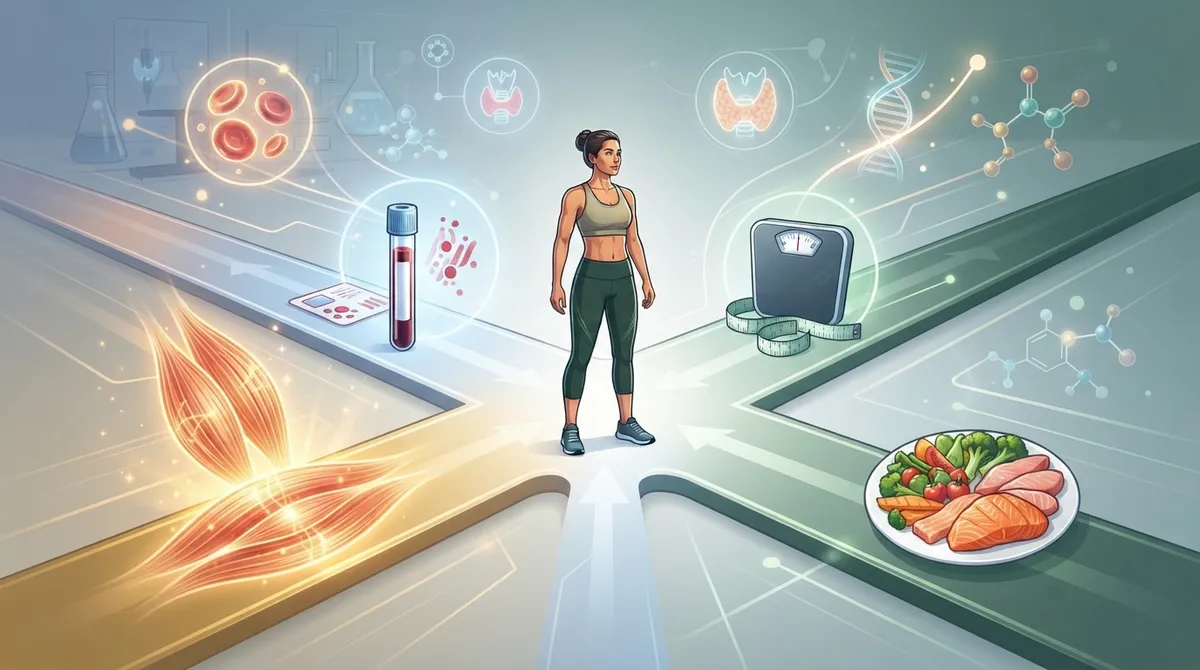
Hormone therapy for muscle loss isn't one-size-fits-all; identify the root cause (age, hormone deficiency, GLP-1 use, inactivity, poor nutrition) before pursuing treatment, as it determines the appropriate intervention.
-
GLP-1 medications cause 21-34% of weight loss to come from lean mass, not just fat; protect muscle by consuming 1.2-1.6g protein per kg body weight daily and doing resistance training 2-3 times weekly.
-
Testosterone replacement is only appropriate for men with confirmed low testosterone on repeated blood tests and symptoms like fatigue or low libido; it's not approved for isolated muscle loss or general muscle building.
-
Growth hormone therapy and most peptides lack FDA approval for general muscle loss or sarcopenia; tesamorelin is only approved for HIV-associated lipodystrophy, not age-related decline.
-
A full medical workup including comprehensive blood work, nutrition assessment, thyroid testing, and screening for underlying conditions must precede any hormone therapy to avoid wasting money on inappropriate treatments.
-
Resistance exercise remains the single most proven way to protect and rebuild muscle; pair it with adequate protein, quality sleep, and medical supervision rather than relying on hormone therapy as a shortcut.
Losing muscle feels scary, especially once you notice it in the mirror or on the scale. Maybe you’ve been on a GLP-1 medication and watched the number drop, but your jeans feel loose in a way that’s not all fat. Or maybe you’re just getting older and wondering if your tired, less-toned body is simply “normal aging” or something you can actually fix. The good news? You’re not stuck. Hormone therapy for muscle loss is a real, evidence-based option for some people, but it’s not a one-size-fits-all magic shot. Here at Allura Longevity, we believe you deserve clear, honest answers before you spend a dollar or take a single injection. Let’s walk through the facts together, so you can make a confident, informed choice about your body.
1. Hormone Therapy for Muscle Loss Means More Than One Thing
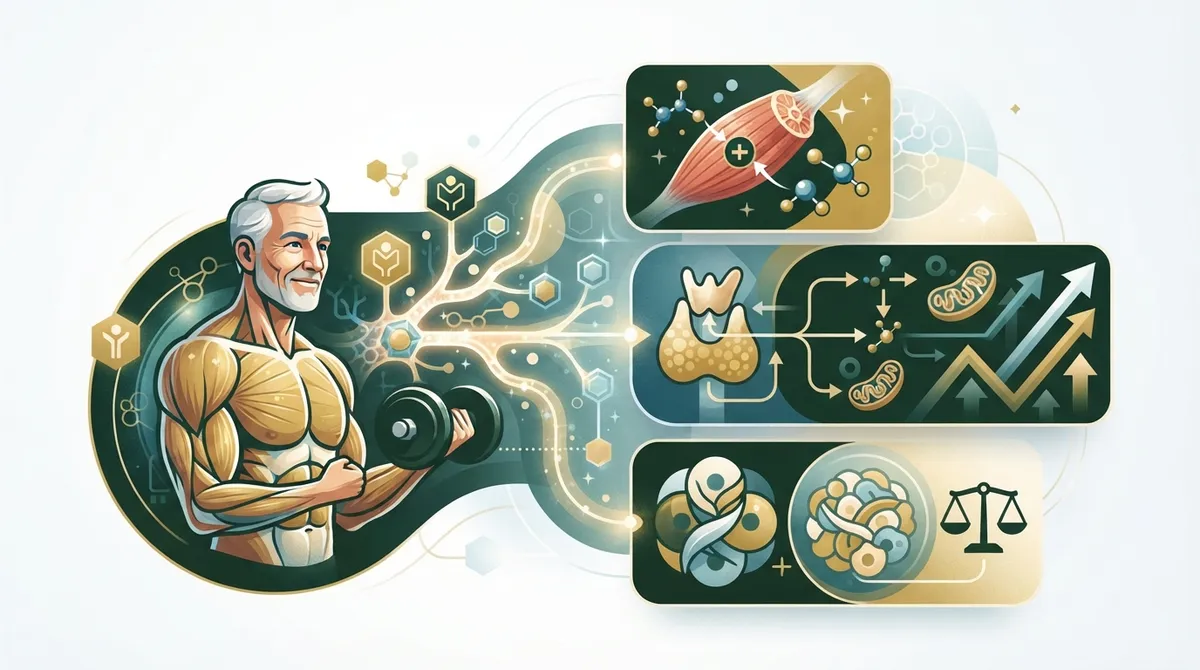
When people say “hormone therapy for muscle loss,” they could mean several very different treatments. This might include testosterone replacement, growth hormone therapy, or peptide-based options that support natural growth hormone release. Each of these has its own approved uses, risks, and evidence level, so lumping them together can be confusing.
Before jumping to a solution, it’s important to figure out why your muscle is disappearing in the first place. Is it age? A hormone deficiency? Weight loss from a GLP-1 medication? Poor nutrition? Not enough resistance training? The cause changes everything about the right next step. Learning what are peptides in 2026 is a smart place to start if this world feels new to you.
Common Causes of Muscle Loss
- Natural aging, sometimes called sarcopenia
- Low testosterone or other hormone deficiencies
- Rapid weight loss, including from GLP-1 medications
- Inactivity, illness, or long recovery periods
- Poor protein intake or nutrient absorption issues
2. Testosterone Replacement Isn’t for Everyone
Testosterone replacement therapy (TRT) is generally reserved for men with real symptoms of low testosterone and repeated blood tests confirming it. It is not meant to be used simply because someone wants more muscle or is losing lean mass from dieting without a diagnosed deficiency.
Doctors typically look for symptoms like fatigue, low libido, and mood changes alongside consistently low morning testosterone levels. A commonly cited dosing range for confirmed hypogonadism is testosterone enanthate or cypionate at 75 to 100 mg weekly, or 150 to 200 mg every two weeks, always individualized and monitored closely. If you’re curious whether this fits your situation, our guide on low testosterone symptoms in men breaks it down further.
What Monitoring Looks Like
- Baseline blood work, including testosterone levels
- Regular follow-up labs to check red blood cell counts
- Ongoing prostate health checks for men
- Watching for side effects like acne or mood shifts
- Adjusting dose based on symptoms and lab results
3. Growth Hormone Therapy Has Strict, Narrow Approval
Growth hormone (GH) therapy is FDA-approved for specific diagnosed conditions, such as pediatric growth disorders and confirmed adult growth hormone deficiency. It is not approved for general anti-aging use, athletic performance, or nonspecific muscle loss that comes with getting older.
Even when GH is appropriately prescribed for a diagnosed deficiency, results for strength and physical function are not always consistent, even though body composition may improve. This is why a careful medical workup matters so much before anyone considers this route.
4. Peptides Like Tesamorelin Have Specific, Limited Approvals
Growth-hormone-releasing peptides, including tesamorelin, sermorelin, and ipamorelin, get a lot of attention online. But their regulatory status varies quite a bit, and it’s important to know the truth. Tesamorelin has FDA approval, but only for reducing excess abdominal fat in adults with HIV-associated lipodystrophy, not for general muscle loss or age-related decline.
Many other commonly promoted peptides are investigational or only available through compounding, meaning they don’t carry the same FDA-approved status. That doesn’t mean they’re never useful in a medically supervised setting, but it does mean marketing them as guaranteed muscle builders is misleading. Our detailed breakdowns on tesamorelin for weight loss and sermorelin peptide therapy facts can help you separate hype from reality.
| Therapy | FDA-Approved Use | Status for General Muscle Loss |
|---|---|---|
| Testosterone Replacement | Diagnosed hypogonadism | Not approved for isolated muscle loss |
| Growth Hormone | Pediatric growth disorders, adult GH deficiency | Not approved for sarcopenia |
| Tesamorelin | HIV-associated lipodystrophy fat reduction | Not approved for muscle loss |
| Sermorelin, Ipamorelin | Largely investigational/compounded | Not FDA-approved for muscle loss |
5. GLP-1 Weight Loss Medications Can Affect Muscle, Too
If you’re using semaglutide, tirzepatide, or another GLP-1 medication, you should know that some of your weight loss comes from lean mass, not just fat. In the STEP 1 semaglutide trial, participants lost about 14.9% of body weight over 68 weeks, and roughly 34% of that loss was lean mass, according to National Library of Medicine data. In the SURMOUNT-1 tirzepatide trial, about 21.3% of body weight was lost over 72 weeks, with around 25% coming from lean mass.
A 2024 review found that lean mass loss can range from about 15% up to 40 to 60% of total weight lost, depending on the study and how it was measured. That’s a big range, and it’s a strong reminder that protecting muscle should be part of every weight loss plan, not an afterthought. Our article on GLP-1 peptide therapy goes deeper into this balance.
How to Protect Muscle During GLP-1 Treatment
- Eat roughly 1.2 to 1.6 grams of protein per kilogram of adjusted body weight daily
- Add resistance training two to three times per week
- Lose weight gradually rather than rapidly when possible
- Track strength and body composition, not just the scale
- Discuss any GLP-1 side effects with your provider promptly
6. Muscle Mass and Lean Mass Are Not the Same Thing
This is a detail that gets glossed over a lot. DXA scans and bioimpedance devices measure “lean mass,” which includes muscle but also water, organs, and connective tissue. So a drop in lean mass doesn’t always mean you lost real muscle strength.
That’s why grip strength, gait speed, and how you actually feel doing daily tasks matter just as much as a number on a scan. In a SURPASS-3 MRI substudy on tirzepatide, muscle volume decreases were proportional to overall weight loss, but muscle quality, including fat infiltration, actually improved. This nuance matters when deciding whether you truly need hormone therapy or simply need a smarter training and nutrition plan. You can learn more about this distinction in our piece on body composition facts peptide users need.
7. A Full Medical Workup Comes Before Any Prescription
Responsible hormone or peptide therapy always starts with a real medical evaluation, not a quick online form. At Allura Longevity, this process typically begins with a $50 virtual consultation and comprehensive blood work through LabCorp, so your treatment plan is based on your actual biology, not guesswork.
A thorough workup may include a medication review, nutrition assessment, thyroid testing, complete blood count, metabolic panels, testosterone or IGF-1 testing when appropriate, and screening for conditions like sleep apnea, kidney disease, or malabsorption. This step protects you from wasting money on a therapy that isn’t right for your body. Our guide on blood work analysis steps before peptides shows exactly what to expect.
What a Responsible Provider Should Do First
- Review your full health history and current medications
- Order comprehensive lab work, not just a single hormone test
- Assess your nutrition, sleep, and activity levels
- Rule out underlying conditions causing muscle loss
- Build a personalized plan based on your actual results
Understanding the Risks Before You Start
No hormone or peptide therapy is risk-free, and knowing the possible downsides helps you make a truly informed decision. Growth hormone signaling can cause swelling, joint pain, carpal tunnel symptoms, insulin resistance, higher blood sugar, and worsened sleep apnea in some people. Testosterone therapy carries its own list of things to watch, including thicker blood (erythrocytosis), prostate-related concerns, cardiovascular risk, fertility changes, acne, and breast tissue changes in men.
This doesn’t mean these therapies are bad. It means they need real medical supervision, consistent lab monitoring, and honest conversations about your goals. According to what are peptides, peptides are short chains of amino acids that can influence many body processes, which is exactly why they need to be used thoughtfully and under guidance. If you want to understand this landscape more, our article on peptide therapy side effects you should know is a helpful next read.
Building a Smarter Plan for Muscle Preservation
Resistance exercise remains the single most proven way to protect and rebuild muscle, no matter what hormone status you’re dealing with. Pair that with enough protein, quality sleep, and a provider who actually looks at your labs before prescribing anything. If hormone or peptide therapy is appropriate for your specific situation, it should feel like one part of a bigger, personalized plan, not a shortcut around the basics.
This is where working with an experienced telehealth team really pays off. Allura Longevity’s licensed providers, led by board-certified Family Nurse Practitioner Ashley, build six-month treatment plans around your actual blood work and goals, whether you’re focused on peptides for men or peptides for women. Everything ships straight to your door, so you can manage your health without rearranging your whole week. Curious how the process works? Check out how to start peptide therapy safely and see real results.
Your Next Step Toward Stronger, Healthier Muscle
Muscle loss doesn’t have to be something you just accept as “part of getting older” or “the price of weight loss.” With the right testing, the right plan, and a provider who actually listens, you can protect your strength and feel like yourself again. Spots for new clients fill up fast each month, so if you’re ready for answers instead of guesswork, now’s a great time to reach out. Take the first step and request a consultation with our licensed team today, and let’s build a plan that’s actually built for you.
FAQs
Q: Can hormone therapy reverse muscle loss caused by aging?
A: It depends on the cause. If aging comes with a confirmed hormone deficiency, targeted therapy paired with resistance training may help. But hormone therapy alone isn’t a guaranteed fix for general age-related muscle loss, so a full workup matters first.
Q: Is testosterone replacement therapy appropriate for muscle loss?
A: Only if you have symptoms of low testosterone and repeated lab tests confirm a true deficiency. It’s not meant to be used just for muscle building or age-related lean mass loss without a documented medical reason.
Q: Do GLP-1 medications like semaglutide cause muscle loss?
A: Some of the weight lost on GLP-1 medications does come from lean mass, often around 25 to 34% in major trials. That’s why pairing GLP-1 therapy with enough protein and regular resistance training is so important for protecting your strength.
Q: Is tesamorelin FDA-approved for treating muscle loss?
A: No, tesamorelin is only FDA-approved for reducing excess abdominal fat in adults with HIV-associated lipodystrophy. It should never be marketed as an approved treatment for general muscle loss or sarcopenia.
Q: What tests should I get before starting hormone or peptide therapy?
A: A responsible provider will typically order a complete blood count, metabolic panel, thyroid testing, and hormone levels like testosterone or IGF-1 when appropriate. They’ll also review your nutrition, medications, and screen for underlying conditions before recommending any treatment.





