

Key Takeaways
-
Legitimate online hormone therapy requires baseline blood work through verified labs like LabCorp before any prescription, as these numbers tell your provider what your body actually needs rather than guessing.
-
A licensed clinician must personally review your labs and medical history for drug interactions and red flags like cardiovascular risk—questionnaire-only websites are a warning sign, not a shortcut.
-
Ongoing monitoring with repeat labs every 3-6 months is essential to track progress and catch safety issues early, making this an ongoing medical process, not a one-time transaction.
-
Know the difference: FDA-approved peptides like tesamorelin have undergone formal review, while most anti-aging peptides are compounded and haven't gone through the same safety process.
-
Watch for red flags like prescriptions based only on quick quizzes, no licensed pharmacy sourcing mentioned, guaranteed dramatic results, or vague clinician credentials—these indicate irresponsible providers.
-
Your personalized treatment plan should include proper at-home injection training, a structured timeline (often 6 months) with built-in check-ins, and easy access to your care team for adjustments as your body changes.
Ever wonder what actually happens when you sign up for online hormone or peptide therapy? You’re not alone. So many of us are curious but hesitant, wondering if this whole telehealth thing is legit or just a shortcut that skips important safety steps. Good news: when it’s done right, online hormone therapy is a thoughtful, medically supervised process, not a quick questionnaire and a shipping label.
Whether you’re a busy professional who can’t sit in a waiting room, a biohacker who loves tracking your labs, or someone simply craving more energy and better sleep, this guide breaks down exactly how the process works. We’ll walk through each step, from your first consultation to ongoing monitoring, so you know what to expect. We’ll also cover the key differences between FDA-approved treatments and compounded peptides, plus how to spot a program you can actually trust. Let’s dig in together.

1. You Start With an Honest Intake Conversation
The very first step is sharing your health history, symptoms, and goals. This isn’t a generic form you rush through. A quality provider wants to understand your sleep, energy, stress levels, and what “feeling better” actually means to you.
This is also where you’ll mention any medications, past diagnoses, or family history that matters. Think of it as laying the groundwork for a plan built around your body, not a one-size-fits-all template.
2. Baseline Blood Work Comes Next
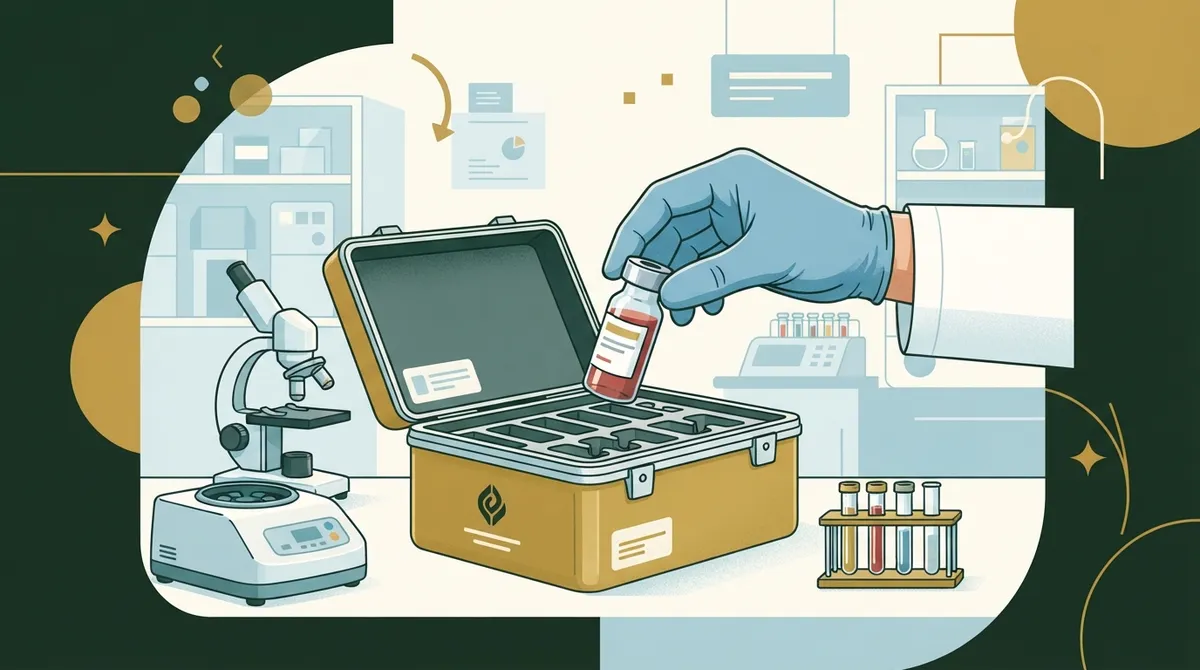
You cannot guess your way into safe hormone therapy. Real programs require lab testing before anything gets prescribed. This usually happens through a trusted lab, like LabCorp, so results are accurate and verifiable.
Depending on your goals, your panel might include testosterone, estradiol, thyroid markers, complete blood count, liver and kidney function, lipids, glucose or A1C, and IGF-1 if growth-hormone-related peptides are being considered. These numbers tell your provider what your body actually needs.
3. A Licensed Clinician Reviews Your Case
Once your labs are in, a licensed provider—not an algorithm—reviews everything together. This step matters because hormones and peptides can interact with existing conditions or medications.
Your provider is checking for red flags like cardiovascular risk, clotting history, or conditions that make certain treatments inappropriate. This is exactly why questionnaire-only websites are a warning sign, not a shortcut.
4. You Have a Real Telehealth Visit
This is your chance to talk through your results with an actual clinician, whether by video, phone, or secure messaging. You can ask questions, share concerns, and get clarity on what your labs mean.
If you’re wondering exactly how does online hormone therapy work from a legal standpoint, this visit is the key. Clinicians must be licensed in the state where you’re located, and they must follow that state’s rules for remote prescribing.
5. Your Provider Builds a Personalized Plan
No two people get identical protocols. Your plan reflects your labs, symptoms, and goals, whether that’s better sleep, faster recovery, improved metabolism, or support during hormonal changes.
Programs like the one built by peptides for women and peptides for men at Allura Longevity are designed around this exact idea: your body, your numbers, your plan.
6. You Learn the Difference Between Approved and Compounded Options
This part is important, so let’s slow down. Some peptide medicines are FDA-approved for specific uses. Tesamorelin, for example, is approved for reducing abdominal fat in certain HIV-related conditions. Bremelanotide is approved for a specific sexual health condition in premenopausal women.
Many other peptides marketed online for anti-aging, muscle gain, or recovery are compounded or investigational. That doesn’t automatically make them unsafe, but it does mean they haven’t gone through the same FDA review process. If you want a deeper breakdown, this piece on FDA-approved vs. compounded peptides is worth a read.
Quick Comparison: FDA-Approved vs Compounded Peptides
| Category | FDA-Approved Peptides | Compounded Peptides |
|---|---|---|
| Review Process | Reviewed for specific indication, dose, and safety | Prepared for individual patients, not premarket reviewed |
| Example | Tesamorelin, Bremelanotide | Many anti-aging or recovery peptides |
| Regulation | FDA oversight under approved labeling | Falls under 503A or 503B compounding rules |
| Best For | Approved, defined medical indications | Personalized needs when clinically justified |
7. You Get Educated on Legitimate Pharmacy Sourcing
Where your medication comes from matters just as much as what’s in it. A licensed provider works with verified pharmacies, either retail or compounding facilities that follow proper safety standards.
This protects you from the risks the FDA has warned about, including contamination, incorrect dosing, and mislabeled ingredients in poorly regulated products, as detailed by the National Library of Medicine.
8. Your Medication Ships Directly to Your Door
Once your plan is approved, your peptides or hormone medications are shipped straight to your home. No pharmacy lines, no awkward waiting rooms. This convenience is a huge win for busy professionals and anyone juggling a packed schedule.
Curious how shipping and cold-chain handling actually work behind the scenes? This article on how peptide medications ship safely from telehealth clinics answers that in detail.
9. You Learn Proper At-Home Administration
Most peptide and hormone therapies are self-administered, usually through simple subcutaneous injections. Your provider or care team will walk you through technique, storage, and timing.
This step matters more than people expect. Improper technique or storage can reduce effectiveness or cause unnecessary discomfort. If you want a step-by-step visual guide, check out how to prepare for safe, effective peptide injections.
10. You Begin Your Treatment Timeline
Most programs run on a structured timeline, often around six months, with built-in check-ins along the way. This isn’t a “set it and forget it” situation.
Here’s a simple breakdown of what a typical six-month journey might look like:
- Weeks 1–4: Initial dosing begins; your body starts adjusting.
- Weeks 5–8: Early symptom changes may appear, like improved sleep or energy.
- Weeks 9–16: Dose adjustments happen based on how you’re responding.
- Weeks 17–24: Follow-up labs confirm progress and guide next steps.
11. Follow-Up Labs Keep Everything on Track
Online hormone therapy isn’t a one-time transaction. Most programs request repeat labs roughly every three to six months, though your exact schedule depends on your treatment and risk factors.
This ongoing testing tracks things like hematocrit for testosterone therapy, IGF-1 for growth-hormone-related peptides, or glucose markers for metabolic treatments. It’s how your provider knows the plan is actually working, not just assumed to be.
12. Your Provider Adjusts Your Plan as Needed
Bodies change. Stress, sleep, travel, and aging all shift how you respond to treatment. That’s why ongoing communication with your provider matters so much.
If something feels off, a legitimate program makes it easy to reach your care team, not just a customer service inbox. This responsiveness is part of what separates real medical care from a subscription box.
13. You Watch for Safety Signals Together
Every treatment has things to monitor. For testosterone therapy, that often means watching hematocrit levels. For estrogen-based therapy, it may include blood pressure, migraine history, and clotting risk. For peptide therapy, it might mean tracking glucose, joint symptoms, or fluid retention.
Here’s a quick list of common red flags that should always prompt a call to your provider:
- Unusual swelling or fluid retention
- Persistent headaches or vision changes
- Chest pain, shortness of breath, or irregular heartbeat
- Significant mood changes
- Injection site infections or severe irritation
14. You Learn to Spot Red Flags in Other Programs
Not every online hormone or peptide provider operates responsibly. Some sell products with zero clinician involvement, which is a serious safety concern. Learning to recognize warning signs protects you long-term.
Watch out for these common red flags:
- Prescriptions based only on a quick online quiz
- No mention of licensed pharmacy sourcing
- Guarantees of dramatic anti-aging or muscle results
- No plan for follow-up labs or monitoring
- Vague or missing information about the clinician’s license
For more on separating trustworthy providers from risky ones, this guide on how to find legal peptide therapy you can trust is a great next read. According to what are peptides, understanding the basic science behind these treatments also helps you ask smarter questions.
15. You Choose a Program Built on Real Medical Oversight
At the end of the day, how does online hormone therapy work really comes down to one thing: proper medical supervision from start to finish. That means real labs, real clinicians, and real follow-up.
Allura Longevity follows this exact model. Clients start with an affordable virtual consultation, complete comprehensive blood work through LabCorp, and receive a personalized six-month treatment plan shipped right to their home. Care is led by Ashley, a board-certified Family Nurse Practitioner, with ongoing monitoring and adjustments along the way. This approach is licensed across Florida, Georgia, Texas, Connecticut, Indiana, Maryland, New York, and California.
What a Trustworthy Program Should Always Include
| Step | Why It Matters |
|---|---|
| Licensed clinician review | Ensures safety and appropriate diagnosis |
| Baseline and follow-up labs | Tracks real progress, not guesswork |
| Verified pharmacy sourcing | Protects against contamination and mislabeling |
| Clear informed consent | You understand risks and benefits upfront |
| Ongoing monitoring | Catches issues early and adjusts your plan |
If you’re ready to start your own personalized journey with real medical guidance behind every step, you can request a consultation and see what a customized plan could look like for you. Spots for new clients are limited each month, so it’s worth reaching out sooner rather than later. You can also call (813) 510-6277 if you’d rather talk it through with a real person first.
Whether your goal is more energy, better sleep, smoother recovery, or simply feeling like yourself again, understanding this process puts you in the driver’s seat. You deserve a program that treats you like a whole person, not a transaction. To keep learning, explore more on how to start peptide therapy safely and see real results or dive into 8 facts that explain what are peptides in 2026 for a solid foundation.
FAQs
Q: How does online hormone therapy work from start to finish?
A: It usually starts with an intake visit and baseline lab work, followed by a licensed clinician reviewing your results and building a personalized plan. From there, your medication ships to your home, and you’ll have regular follow-ups and lab checks to keep things on track. It’s a full medical process, not just a quick online form.
Q: Are peptides used in online hormone therapy FDA approved?
A: Some are, like tesamorelin and bremelanotide, which are approved for specific conditions. Many others are compounded or investigational, meaning they haven’t gone through the same FDA review process. A trustworthy provider will always be upfront about which category your treatment falls into.
Q: What blood tests are needed before starting treatment?
A: It depends on your goals, but common tests include hormone levels, thyroid function, complete blood count, liver and kidney markers, and sometimes IGF-1. These baseline numbers help your provider build a plan that’s actually right for your body, not a generic template.
Q: How often will I need follow-up appointments?
A: Most programs schedule follow-up labs and check-ins every three to six months, though this can vary based on your treatment and how your body responds. Regular monitoring is what keeps your plan safe and effective over time.
Q: How can I tell if an online hormone therapy clinic is legitimate?
A: Look for real lab testing, licensed clinicians, verified pharmacy sourcing, and clear plans for follow-up care. If a site promises guaranteed results or skips the medical evaluation entirely, that’s a big red flag worth taking seriously.





