
Key Takeaways
-
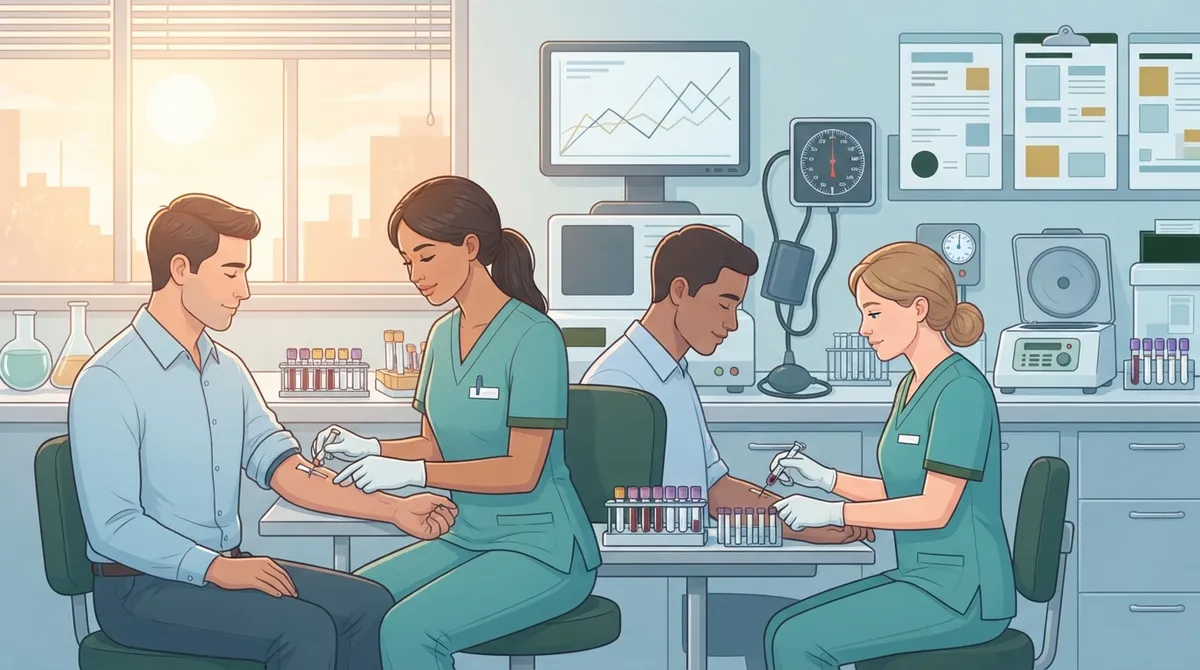
Confirm low testosterone with at least two separate morning fasting blood tests before starting treatment, as testosterone naturally fluctuates throughout the day and a single reading can be misleading.
-
Traditional TRT and peptide therapy work differently: TRT adds testosterone directly while peptides like hCG stimulate your body's own production, making them non-interchangeable options requiring different diagnostic approaches.
-
Ongoing monitoring is essential during hormone therapy, including testosterone levels at 3-6 months then annually, hematocrit checks, blood pressure monitoring, and PSA testing for select men based on age and risk.
-
If fertility is a near-term goal, discuss hCG-based approaches with your provider before starting treatment, as standard testosterone therapy can suppress sperm production by shutting down the body's natural testosterone signals.
-
Certain health conditions contraindicate testosterone therapy including prostate/breast cancer history, unexplained prostate abnormalities, elevated hematocrit, untreated severe sleep apnea, and uncontrolled heart failure.
-
The FDA removed the boxed cardiovascular warning from testosterone therapy in 2025 after the TRAVERSE trial found no higher cardiovascular event rates, but individualized blood pressure monitoring remains critical.
Feeling tired, foggy, and just not like yourself lately? You’re not alone, and you’re not imagining it. Low testosterone affects millions of men, and the good news is that hormone therapy for low testosterone has come a long way. But here’s the thing: not all treatments are created equal, and knowing your options matters more than ever.
Whether you’re a busy professional chasing better focus, a biohacker who loves a good lab report, or someone simply trying to feel like yourself again, this guide breaks down what actually works. We’ll cover traditional testosterone replacement therapy (TRT), where peptides fit into the picture, and the safety steps every good provider should follow. Let’s get into it, friend to friend.

1. Low Testosterone Is a Real Medical Condition, Not Just Aging
Low testosterone, also called male hypogonadism, isn’t just “getting older.” It’s a diagnosable condition with clear symptoms and lab markers. Doctors look for symptoms like low energy, reduced muscle mass, low libido, or mood changes paired with consistently low blood test results.
You can learn more about the science behind these tiny but powerful molecules by reading what are peptides and how they interact with your body’s natural hormone systems.
2. One Blood Test Isn’t Enough for Diagnosis
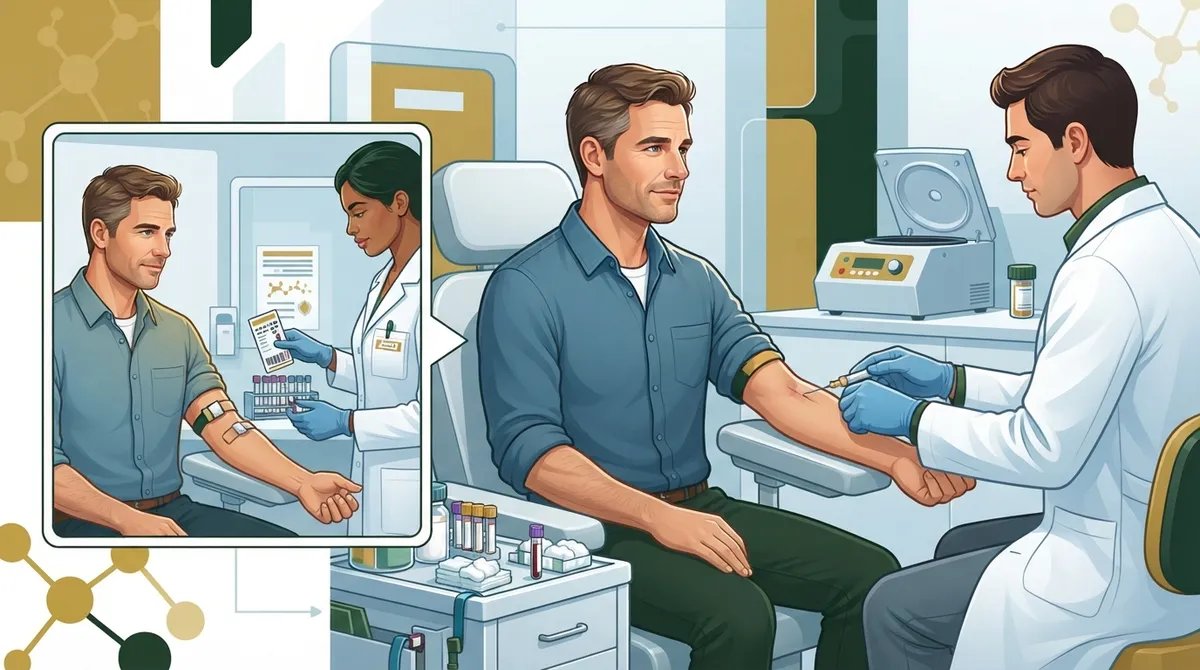
Here’s a fact that surprises a lot of people: one low testosterone reading doesn’t confirm anything. The Endocrine Society recommends a repeat fasting morning total-testosterone test to confirm the diagnosis before starting treatment.
This matters because testosterone naturally dips and rises throughout the day. Morning levels are typically the highest, so testing later in the day can give a falsely low result. A good provider will always double-check before moving forward.
3. Your Provider Should Find the Root Cause First
Low testosterone can come from different sources. Some men have primary testicular issues, while others have problems starting higher up in the hypothalamus or pituitary gland. This is why doctors often test luteinizing hormone (LH) and follicle-stimulating hormone (FSH) alongside testosterone.
Finding the actual cause helps your provider choose the right treatment path. If you’re curious how blood work factors into this process, take a look at How to Start Peptide Therapy Safely and See Real Results.
Common Diagnostic Steps
- Initial morning blood draw to check total testosterone
- Repeat confirmation test on a separate morning
- LH and FSH testing to pinpoint the cause
- Additional labs based on symptoms, like thyroid or prolactin levels
- Review of medical history and current medications
4. Traditional TRT Comes in Several FDA-Approved Forms
Testosterone replacement therapy isn’t one-size-fits-all. FDA-approved options include injections, gels, patches, oral capsules, and implantable pellets. Each has its own pros, cons, and dosing schedule.
The goal of TRT is to bring testosterone back to a normal, mid-range level, not to push it sky-high. Supraphysiologic (too-high) levels can actually cause more problems than they solve.
| TRT Type | Frequency | Best For |
|---|---|---|
| Injections | Weekly or bi-weekly | Men wanting steady dosing control |
| Topical Gel | Daily | Men who prefer no needles |
| Patches | Daily | Simple, consistent absorption |
| Pellets | Every 3-6 months | Busy people who want less upkeep |
If you want a deeper dive into pellet options, check out 15 Facts About Testosterone Pellets for Men (2026).
5. Peptide Therapy Is Not the Same as TRT
This is a big one. Peptide therapy and testosterone replacement therapy work differently. TRT adds testosterone directly into your body. Certain peptide-based approaches, on the other hand, try to stimulate your body’s own hormone production instead.
Peptides like hCG mimic luteinizing hormone and may help support natural testosterone production in select cases. But peptides shouldn’t be marketed as a universally safer or better swap for TRT. The right choice truly depends on your diagnosis and goals.
6. hCG May Help Preserve Fertility
Here’s something a lot of men don’t know until they’re trying to start a family. Standard testosterone therapy can suppress sperm production because it shuts down your body’s natural signal to make testosterone in the testicles.
Human chorionic gonadotropin (hCG) works differently. It acts like LH, supporting intratesticular testosterone and sperm production. If fertility is a near-term goal, this is a conversation you need to have with your provider before starting any treatment. For more on how peptides and fertility-related hormones connect, see Kisspeptin vs. Gonadorelin: Which Fertility Peptide Wins?.
7. Investigational Peptides Need More Research
Peptides like kisspeptin and gonadorelin are being studied for their role in stimulating the hypothalamic-pituitary-gonadal (HPG) axis. They’re promising, but they’re not yet standard, FDA-approved treatments for low testosterone in the same way traditional TRT is.
According to research published through the National Library of Medicine, these approaches show potential but require careful, specialist-guided use. Marketing claims that overstate their benefits deserve a healthy dose of skepticism.
8. Not Every Product Marketed for Testosterone Is FDA-Approved
This one is important, so let’s be blunt. Many peptide products sold online, including compounded or research-grade options, may not have FDA approval for treating low testosterone.
Growth-hormone-releasing peptides and testosterone-boosting blends often come with big promises and little regulatory oversight. Before trying anything, ask your provider about the approval status and quality controls behind the product. Learn more in FDA-Approved vs. Compounded Peptides: What Wins?.
9. Monitoring Is Just as Important as Starting Treatment
Good hormone therapy doesn’t stop after your first prescription. It requires ongoing check-ins. The Endocrine Society recommends testosterone measurement around 3 to 6 months in, along with regular hematocrit checks.
Here’s what a solid monitoring schedule typically includes:
- Testosterone levels checked at 3-6 months, then annually
- Hematocrit tested at baseline, 3-6 months, and yearly
- Clinical symptom review at 3-12 months, then annually
- Blood pressure checks at every visit
- Prostate-specific antigen (PSA) testing for select men, based on age and risk
This kind of structured follow-up is exactly what you should expect from any legitimate hormone or peptide program. Curious what a full monitoring plan looks like? Read 6 Steps to Monitor Hormone Therapy Safely in 2026.
10. Certain Health Conditions Rule Out Testosterone Therapy
TRT isn’t right for everyone. There are real contraindications your provider needs to screen for before you start.
Who Should Avoid or Delay Testosterone Therapy
- Men with prostate or breast cancer history
- Those with unexplained prostate abnormalities
- Anyone with already-elevated hematocrit (thick blood)
- Men with untreated severe sleep apnea
- Those with uncontrolled heart failure or a recent heart attack or stroke
- Men with clotting disorders (thrombophilia)
- Anyone actively trying to conceive in the near term
If any of these apply to you, don’t panic. It just means your provider will explore other paths, which might include peptide-based support instead of direct testosterone. See Why Does Low Testosterone Treatment Need Real Labs First? for more.
11. Good News: The Cardiovascular Warning Landscape Has Changed
For years, testosterone therapy carried a boxed warning about heart risks. That changed in 2025. The FDA updated the class-wide testosterone label after reviewing newer evidence, including the large TRAVERSE trial.
The TRAVERSE trial, published in the New England Journal of Medicine, found no higher rate of major cardiovascular events in men on testosterone therapy compared to placebo. The FDA removed the boxed cardiovascular warning but added stronger language about blood pressure monitoring. This doesn’t mean risk is zero. It means individualized monitoring still matters, a lot.
12. Testosterone Therapy Can Genuinely Improve Quality of Life
When low testosterone is properly diagnosed and treated, the results can be life-changing. Many men notice real improvements in energy, mood, libido, and muscle strength.
Common symptoms that often improve include:
- Persistent fatigue and low motivation
- Reduced sex drive and erectile difficulties
- Loss of muscle mass and strength
- Brain fog and trouble concentrating
- Mood changes, including irritability or low mood
If any of this sounds familiar, it might be worth exploring further. Take a look at What Are Low Testosterone Symptoms in Men Really? to see if your symptoms line up.
13. Peptides Can Play a Supportive Role Alongside Hormone Therapy
While peptides aren’t a direct replacement for testosterone, some can work alongside hormone therapy to support broader wellness goals. Think improved recovery, better sleep, or metabolic support.
This is where a personalized approach really shines. A good telehealth provider looks at your entire health picture, not just one number on a lab report. Learn more about combining approaches in Why Does Testosterone Injection Therapy Get Paired With Peptides?.
14. Telehealth Makes Getting Started Easier Than Ever
Gone are the days of taking time off work for multiple in-person visits. Telehealth platforms now let you complete blood work locally, then meet with a licensed provider from your couch.
This is exactly the model Allura Longevity uses. Clients start with an affordable virtual consultation, complete labs through LabCorp, and receive a customized six-month treatment plan shipped straight to their door. Ongoing monitoring and adjustments come from licensed providers, led by a board-certified Family Nurse Practitioner. It’s designed for real life, busy schedules and all.
Curious how this compares to visiting a local clinic? Read Local Clinic vs. Telehealth: Best Peptide Therapy Near You? for a full breakdown.
15. A Personalized Plan Beats a One-Size-Fits-All Approach Every Time
At the end of the day, hormone therapy for low testosterone works best when it’s tailored to you. Your labs, your symptoms, your goals, and your fertility plans all matter. A cookie-cutter prescription just doesn’t cut it.
| Approach | Best For | Fertility Impact |
|---|---|---|
| Traditional TRT | Confirmed low T with clear symptoms | May suppress sperm production |
| hCG-Based Support | Men prioritizing fertility | Supports natural sperm production |
| Investigational Peptides | Specialist-guided cases | Varies, needs more research |
Allura Longevity builds every treatment plan around your unique blood work and personal health goals, licensed across Florida, Georgia, Texas, Connecticut, Indiana, Maryland, New York, and California. If you want to explore whether hormone therapy for low testosterone or a supportive peptide plan is right for you, our team is ready to help.
Ready to Feel Like Yourself Again?
Low testosterone doesn’t have to be something you just live with. With the right diagnosis, the right monitoring, and a plan built around your actual biology, real improvement is possible. Whether you’re leaning toward traditional TRT or want to explore how peptides fit into your bigger wellness picture, the most important step is getting personalized guidance from a licensed provider.
Spots for new clients open up each month, and they tend to fill fast. If you’re ready to stop guessing and start feeling more like yourself, request a consultation today, or give our team a call at (813) 510-6277. You deserve to feel energized, focused, and genuinely well.
FAQs
Q: What is the difference between testosterone replacement therapy and peptide therapy for low testosterone?
A: TRT adds testosterone directly into your body, while certain peptides try to stimulate your own natural hormone production instead. They’re not interchangeable, and the right choice depends on your diagnosis, fertility goals, and overall health picture.
Q: Can peptide therapy increase testosterone naturally without suppressing fertility?
A: Some peptides, like hCG, may support natural testosterone production while preserving fertility better than standard TRT. That said, results vary by individual, so it’s worth discussing your specific goals with a licensed provider before starting anything.
Q: What testosterone level qualifies as low testosterone, and how many tests are needed for diagnosis?
A: Doctors typically confirm low testosterone with at least two morning fasting blood tests, not just one. A single low reading isn’t enough, since levels naturally shift throughout the day.
Q: What are the risks and side effects of testosterone therapy?
A: Possible risks include increased blood pressure, elevated hematocrit, and fertility suppression. That’s exactly why ongoing monitoring, including regular labs and check-ins, is such an important part of safe treatment.
Q: What blood tests and follow-up monitoring are needed during treatment?
A: Expect testosterone and hematocrit checks around 3 to 6 months in, then annually, plus regular symptom reviews and blood pressure checks. Some men also need periodic PSA testing based on age and risk factors.





