
Key Takeaways
-
Injection frequency depends primarily on the peptide's half-life: short-acting peptides require daily dosing while longer-acting options work with weekly or biweekly schedules.
-
Blood work and personalized assessment are essential before starting treatment; your provider should evaluate your current hormone levels and health goals to determine the right frequency for your specific needs.
-
Consistency matters more than perfect timing; setting phone reminders, maintaining a dose log, and injecting at similar times daily produces better results than occasional missed doses.
-
At-home injection delivery and telehealth models make frequent dosing schedules more manageable for busy professionals, and providers may adjust your frequency over time as your body responds and labs change.
If you’re starting peptide therapy, you’ve probably asked yourself one big question: how often hormone therapy injections should actually happen. It’s one of the most common questions we hear from clients at Allura Longevity, and honestly, it’s a smart one to ask. The truth is, there’s no single answer that fits everyone. Your injection schedule depends on the peptide you’re using, your goals, and how your body responds to treatment.
Whether you’re a busy professional squeezing self-care into a packed calendar, or a biohacker who tracks every data point, understanding your dosing schedule matters. It helps you stay consistent, get real results, and feel confident about your care. In this guide, we’ll break down 13 facts that explain how injection frequency works in peptide and hormone therapy. We’ll keep it simple, practical, and easy to follow, so you know exactly what to expect.
1. Injection Frequency Depends on the Peptide’s Half-Life
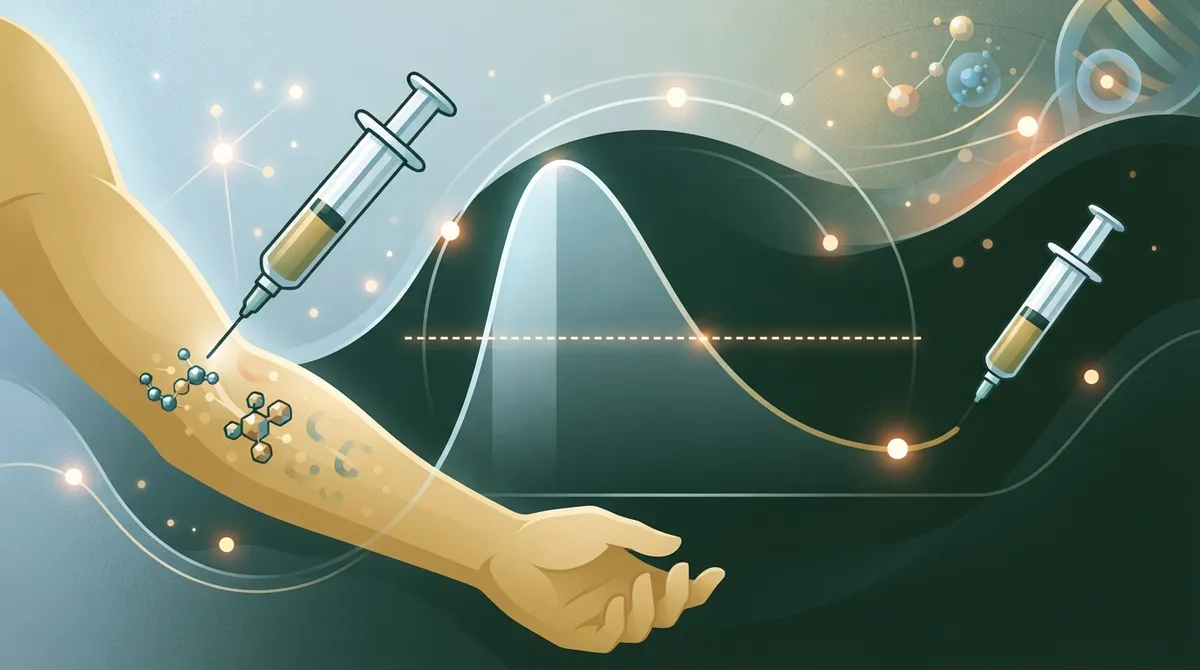
Every peptide behaves differently in your body. Some break down fast. Others stick around longer. This is called the half-life, and it’s the biggest factor in how often you’ll need to inject.
Short-acting peptides often need daily dosing to keep levels steady. Longer-acting options can be spaced out to once or twice a week. Your provider will explain this clearly when you request a consultation and start building your plan.
2. Daily Dosing Is Common for Growth Hormone Peptides
Many popular growth hormone-releasing peptides are dosed once or twice daily. This mimics your body’s natural rhythm, since growth hormone is normally released in pulses, especially at night.
Peptides like CJC-1295 and Ipamorelin often follow this pattern. If you want a deeper dive into safe dosing, check out our guide on how to use CJC-1295 peptide safely for real results.
3. Weekly Injections Work Well for Longer-Acting Options
Some peptides and hormone therapies are designed to release slowly. This means you only need to inject once a week. It’s a popular choice for people who want a simpler routine without sacrificing results.
Weekly dosing is especially common with certain GLP-1 medications used for weight loss support. Learn more in our article on how to understand GLP-1 peptide therapy.
4. Your Health Goals Shape Your Schedule
Injection frequency isn’t just about the peptide itself. It’s also about what you’re trying to achieve. Someone focused on fat loss may follow a different schedule than someone targeting injury recovery or hormone balance.
- Weight management goals often use weekly GLP-1 dosing
- Muscle recovery peptides may require daily or every-other-day use
- Hormone replacement therapy often follows weekly or biweekly injections
- Anti-aging protocols can combine multiple peptides with different schedules
This is why personalized care matters so much. A generic schedule rarely fits real life. To see how tailored plans work, read how to start peptide therapy safely and see real results.
5. Blood Work Helps Determine Your Ideal Frequency
Before starting any hormone or peptide protocol, your provider should review your labs. Blood work shows your current hormone levels, metabolic markers, and overall health picture.
This data helps decide not just what peptides you need, but how often you should inject them. At Allura Longevity, every client begins with a $50 virtual consultation and lab work through LabCorp before starting a customized six-month plan.
6. Testosterone Replacement Therapy Has Its Own Timeline
Testosterone therapy is a bit different from typical peptide dosing. Depending on the form used, injections might happen weekly, every two weeks, or even less often.
Some men prefer weekly injections for steadier hormone levels. Others choose longer intervals for convenience. If you’re weighing your options, our guide on how to start testosterone cypionate therapy safely breaks down what to expect.
Common Testosterone Injection Schedules
| Injection Type | Typical Frequency | Best For |
|---|---|---|
| Testosterone Cypionate | Weekly or biweekly | Men seeking steady levels |
| Testosterone Pellets | Every 3-6 months | Convenience-focused clients |
| Short-Acting Esters | 2-3 times per week | Fine-tuned dosing needs |
7. BPC-157 for Recovery Often Uses Daily Dosing
If you’re using peptides for injury recovery, daily injections are common. BPC-157 is one example that’s often dosed once or twice a day to support healing.
Since recovery peptides work locally and systemically, consistent daily exposure tends to produce better results. Our article on 9 BPC-157 peptide facts to know before you start covers this in more detail.
8. Some Peptides Use a Cycling Approach
Not every peptide is meant to be used continuously. Some protocols call for cycling, meaning you inject for a set number of weeks, then take a break.
This approach can help your body stay responsive and may reduce the chance of your system adapting to the treatment. Your provider will guide you on whether cycling makes sense for your goals.
9. Consistency Matters More Than Perfect Timing
Life gets busy. Missing an injection by a few hours usually isn’t a big deal. But skipping doses regularly can affect your results.
Here’s a simple list to help you stay on track:
- Set a daily phone reminder for your injection time
- Store peptides properly according to your provider’s instructions
- Keep a simple log of each dose
- Reach out to your provider if you miss multiple doses
- Stick to the same general time each day when possible
Building these small habits makes a big difference over your six-month treatment plan.
10. At-Home Injections Make Frequent Dosing Easier
One reason telehealth peptide therapy has grown so popular is convenience. When your medication ships directly to your door, sticking to a daily or weekly schedule becomes much simpler.
This is especially helpful for busy professionals and aging adults who don’t want to make frequent clinic visits. Learn more about the differences in care models in local clinic vs. telehealth: best peptide therapy near you.
11. Your Provider Will Adjust Frequency Over Time
Your first injection schedule isn’t set in stone. As your body responds and your labs change, your provider may adjust how often you inject.
This is a normal part of personalized peptide therapy. According to the National Library of Medicine, individualized dosing based on patient response is a key principle in modern peptide-based treatment approaches.
Signs Your Schedule May Need Adjusting
- You’re not seeing expected changes in energy or symptoms
- New lab results show shifts in hormone levels
- You’re experiencing side effects that weren’t there before
- Your goals have changed since starting treatment
12. Combining Peptides Can Change Your Injection Routine
Many clients use more than one peptide at a time to target different goals, like energy, recovery, and metabolism together. When peptides are combined, or stacked, your schedule might include different injection times for each one.
This is why working with an experienced provider matters so much. To understand more about combining treatments, read single peptides vs. peptide stacks: which wins.
13. Long-Term Success Comes From Personalized Monitoring
The best injection schedule is the one built specifically for you. That means ongoing check-ins, updated labs, and adjustments as your body changes over your six-month plan.
At Allura Longevity, care is guided by Ashley, a board-certified Family Nurse Practitioner, along with a team of licensed providers who monitor your progress closely. This kind of oversight ensures your peptides for women or peptides for men protocol actually fits your life, not the other way around.
Quick Reference: Typical Injection Frequencies by Goal
| Treatment Goal | Common Frequency | Example Peptides |
|---|---|---|
| Weight Loss | Weekly | GLP-1 medications |
| Muscle Recovery | Daily or every other day | BPC-157, TB-500 |
| Growth Hormone Support | Daily, often at night | CJC-1295, Ipamorelin |
| Hormone Balance | Weekly to biweekly | Testosterone therapy |
What Affects Your Personal Schedule
To sum up the main factors that shape how often hormone therapy injections happen, here’s a simple breakdown:
- The specific peptide’s half-life and mechanism
- Your individual blood work results
- Your primary health and wellness goals
- Whether you’re combining multiple peptides
- How your body responds during the first few weeks
Understanding these factors, according to resources like what are peptides, helps set realistic expectations from day one. It also helps explain why cookie-cutter programs rarely work as well as personalized care.
Ready to Get Your Personalized Injection Schedule?
Figuring out how often hormone therapy injections should happen doesn’t have to feel overwhelming. With the right blood work, the right provider, and a plan built around your actual goals, it becomes simple and manageable. That’s exactly what Allura Longevity offers: personalized six-month treatment plans, home delivery, and ongoing support from licensed providers who actually know your case.
Spots for new clients are limited each month, so if you’re ready to get answers specific to your body and goals, now’s a great time to act. Request a consultation today and take the first step toward a plan that fits your life, not a generic template. You can also call (813) 510-6277 to speak with our team directly.
FAQs
Q: How often do hormone therapy injections typically happen?
A: It really depends on the peptide or hormone you’re using. Some need daily shots, while others only require once a week or even less often. Your provider will map this out based on your labs and goals during your personalized treatment plan.
Q: Can I switch from daily injections to a weekly schedule?
A: Sometimes, yes! As your body responds to treatment and your labs update, your provider may adjust your frequency. This is completely normal and part of the personalized care process at places like Allura Longevity.
Q: Does missing an injection ruin my progress?
A: Don’t worry too much about one missed dose here and there. Consistency over time matters far more than perfect timing every single day. Just get back on track and let your provider know if it happens often.
Q: Are at-home injections safe for frequent dosing schedules?
A: Absolutely, that’s actually one of the biggest perks of telehealth peptide therapy. With proper training and guidance from your provider, at-home injections make daily or weekly dosing much easier to manage.
Q: How do I know which injection frequency is right for me?
A: The best way is to start with blood work and a consultation with a licensed provider. They’ll look at your health goals, current hormone levels, and lifestyle to build a schedule that actually works for you.





