

Key Takeaways
-
Estrogen and progesterone levels drop sharply after birth—this is normal and not proof of hormone deficiency; symptoms like fatigue and mood changes are common but nonspecific, requiring proper evaluation rather than guessing.
-
Peptide therapy is not an established or guideline-recommended treatment for postpartum hormone changes, and current research does not show strong evidence it restores hormones, boosts milk supply, or treats postpartum depression.
-
Postpartum thyroiditis affects 5-10% of postpartum people and causes symptoms that mimic typical new-mom fatigue; a simple thyroid blood test should come before any hormone treatment to rule out this treatable condition.
-
Postpartum depression is common and treatable with evidence-based psychotherapy and medication like zuranolone (FDA-approved in 2023), which works differently than peptides or traditional hormone therapy.
-
Estrogen-containing hormonal contraception may affect milk supply, especially if started before breastfeeding is established, so discuss specific products, timing, and monitoring plans directly with your provider.
-
Seek medical attention for persistent fatigue despite rest, mood changes lasting over two weeks, rapid heartbeat, excessive hair loss, or any thoughts of self-harm—these warrant prompt evaluation and proper support.
Bringing home a new baby is beautiful, exhausting, and hormonally wild all at once. If you’re feeling foggy, tired, moody, or just not like yourself, you’re not imagining things. Your body just went through a massive hormonal shift, and it’s normal to wonder what can help you feel like you again.
You may have seen ads or social posts claiming peptide therapy or hormone treatments can “fix” postpartum hormones fast. We want to give you the real story. This article breaks down what’s actually happening in your body after birth, what’s proven to help, and where peptide therapy fits into the bigger picture of your recovery. Think of this as a warm, honest chat with a friend who did the research so you don’t have to.
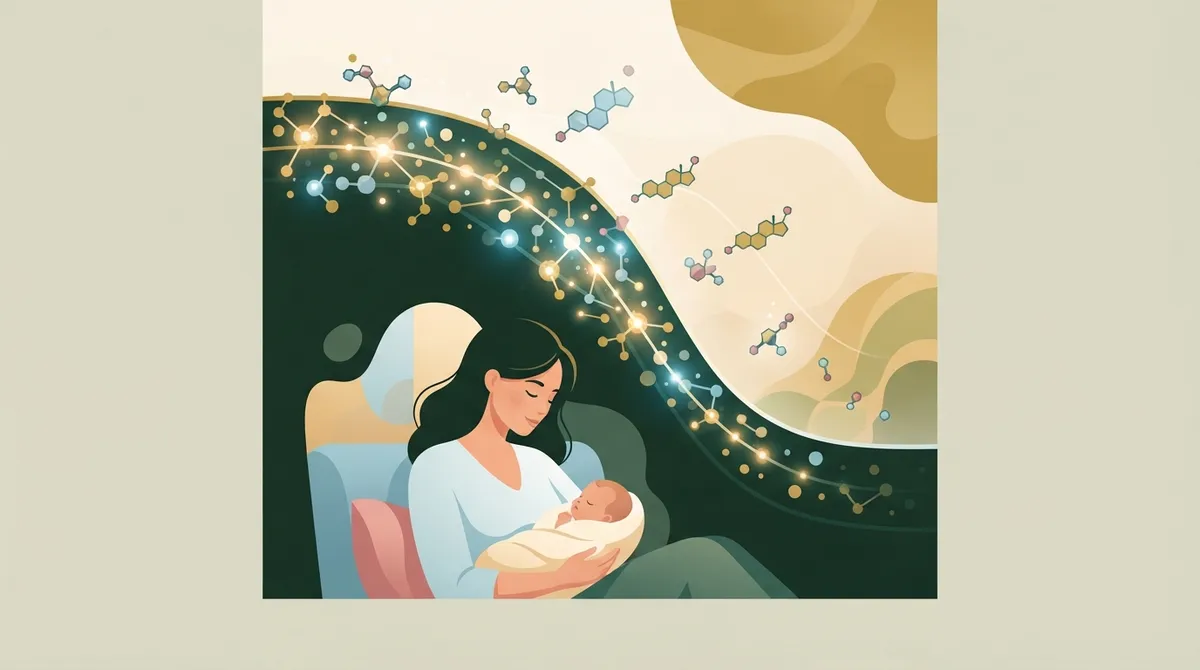
1. Your Hormones Drop Fast After Delivery, and That’s Normal
Right after you give birth, your estrogen and progesterone levels fall sharply. This is expected. It is not proof that you have a hormone deficiency needing treatment. Your body is simply transitioning out of pregnancy mode.
Symptoms like fatigue, low mood, sleep trouble, and lower sex drive are common in this window. But these symptoms are nonspecific, meaning many different things could cause them. That’s why a real evaluation matters more than guessing.
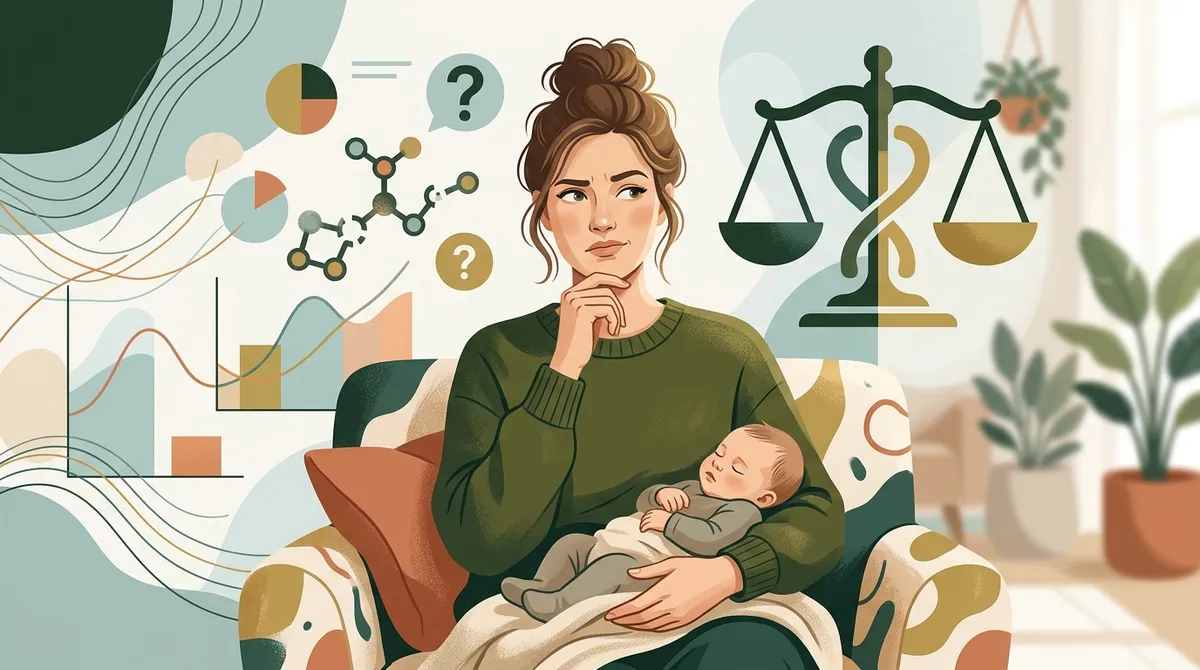
2. Peptide Therapy Is Not a Proven Fix for Postpartum Hormones
Here’s the honest truth: peptide therapy is not an established or guideline-recommended treatment for routine postpartum hormone changes. Current research does not show strong evidence that peptide products restore postpartum hormones, boost milk supply, or treat postpartum depression.
That doesn’t mean peptides have no place in your wellness journey. Many people use peptides for energy or recovery support once they are cleared by a doctor and no longer breastfeeding or pregnant. But claims that peptides can “balance” postpartum hormones outright should be viewed with a healthy dose of skepticism.
What Peptides Actually Do
Peptides are short chains of amino acids that act like messengers in your body. They can support things like tissue repair, metabolism, and cellular signaling. If you want a deeper dive, this guide on what are peptides explains the science simply. For a broader look at how peptide therapy works in general, check out 14 Facts About Regenerative Longevity Peptide Therapy (2026).
3. Postpartum Thyroiditis Is a Real Condition Worth Ruling Out
One thing that often gets missed is postpartum thyroiditis. This condition affects roughly 5% to 10% of postpartum people, according to NIH data updated in 2025. It can cause a temporary period of an overactive thyroid, followed by an underactive one, or both.
Symptoms can look a lot like typical “new mom fatigue,” including anxiety, rapid heartbeat, weight changes, and exhaustion. That overlap is exactly why a simple blood test matters so much.
| Statistic | Detail | Source |
|---|---|---|
| Postpartum thyroiditis prevalence | 5%–10% of postpartum individuals | NIH/NCBI StatPearls, 2025 |
| Abnormal postpartum TSH (general) | ~8% worldwide | NIH/NCBI StatPearls, 2025 |
| Abnormal postpartum TSH (Type 1 diabetes) | Up to 19.6% | NIH/NCBI StatPearls, 2025 |
4. Thyroid Testing Should Come Before Any Hormone Treatment
If you’re feeling wiped out, anxious, or just off months after delivery, ask your provider for a thyroid panel. This is a simple blood draw that checks TSH and related markers.
Peptide therapy is not a substitute for this kind of diagnostic work. It cannot replace standard thyroid care or correct an underlying thyroid disorder. Getting the right diagnosis first means you get the right treatment, not just a trendy one.
5. Postpartum Depression Has Real, Evidence-Based Treatments
Postpartum depression is common and treatable. The gold-standard approach includes psychotherapy and, when needed, medication. This isn’t something to power through alone.
In August 2023, the FDA approved zuranolone, an oral medication specifically for postpartum depression. It’s important to know that zuranolone is not a peptide and not a traditional hormone replacement. It works on GABA-A receptors in the brain, which is a completely different mechanism than peptide therapy or classic hormone treatment.
What Happened to Brexanolone?
Brexanolone was an IV neuroactive steroid also approved for postpartum depression. According to a 2026 clinical review published in the Cleveland Clinic Journal of Medicine, brexanolone was removed from the commercial market in January 2025. This was reported as a market availability change, not a safety recall, but it does mean it’s no longer an option for most patients.
6. Hormone Therapy and Contraception Are Not the Same Thing
It’s easy to lump all “hormone treatments” together, but they serve very different purposes. Estrogen or progesterone might be prescribed for a specific medical reason. Hormonal birth control has its own separate goals and risk profile.
If you’re breastfeeding, this distinction matters a lot. Estrogen-containing birth control may affect your milk supply, especially if started before breastfeeding is well established.
7. Breastfeeding Changes the Hormone Therapy Conversation
Safety data for hormone therapy during breastfeeding is limited for some products. Some uses may even be off-label, meaning they haven’t been specifically studied or approved for nursing parents.
According to breastfeeding guidance referenced by the CDC, estrogen-containing combined hormonal contraception is generally avoided in the early postpartum period. After 42 days postpartum, it’s classified as a category 2 option for breastfeeding patients, meaning benefits generally outweigh risks, but individual factors still matter. Evidence on how it affects breastfeeding outcomes is mixed, so this is a conversation to have directly with your provider.
- Ask about the specific product’s indication for your situation.
- Discuss how it might affect your milk supply and timing.
- Understand any risks to your baby through breast milk exposure.
- Confirm the product’s quality and regulatory status.
- Get a plan for monitoring how you respond over time.
8. When to See a Doctor About Postpartum Symptoms
Not every rough day postpartum needs a medical workup. But some signs deserve prompt attention. Here’s a simple checklist to help you decide when it’s time to reach out.
- Fatigue that doesn’t improve even with rest and sleep support.
- Persistent low mood, anxiety, or feelings of hopelessness lasting more than two weeks.
- Rapid heartbeat, tremors, or unexplained weight changes.
- Hair loss that seems excessive, beyond typical postpartum shedding.
- Any thoughts of harming yourself or your baby, which need immediate care.
- Symptoms that interfere with your ability to care for yourself or your baby.
If any of these sound familiar, don’t wait it out. Reach out to your OB, midwife, or primary care provider for proper testing and support.
9. Where Peptide Therapy Fits After Postpartum Recovery
Once you’re cleared by your doctor, fully recovered, and no longer breastfeeding, some people explore peptide therapy for general wellness goals. This might include support for energy, metabolism, or muscle recovery as you rebuild strength.
At Allura Longevity, licensed providers build personalized plans based on real blood work, not guesswork. This approach respects your unique postpartum timeline and health history. You can learn more about the process in our guide on How to Start Peptide Therapy Safely and See Real Results.
A Note on Timing and Safety
Peptide therapy should never be started during pregnancy or active breastfeeding without direct medical guidance, since safety data in these populations is limited. This is a case where patience truly pays off. For a broader understanding of safe starting points, see Is Peptide Therapy Safe? What You Really Need to Know.
10. How Allura Longevity Approaches Hormone and Wellness Care
Allura Longevity is a telehealth clinic built around personalized, medically supervised care. Every client starts with a $50 virtual consultation and complete blood work through LabCorp. From there, licensed providers, led by board-certified Family Nurse Practitioner Ashley, build a customized six-month plan.
This isn’t a one-size-fits-all peptide subscription. It’s ongoing monitoring and adjustments based on your actual labs and goals. Plans are delivered right to your door, and telehealth is available nationwide, with licensing in Florida, Georgia, Texas, Connecticut, Indiana, Maryland, New York, and California.
| Step | What Happens |
|---|---|
| 1. Virtual Consultation | $50 visit to discuss your health history and goals |
| 2. Blood Work | Complete labs through LabCorp for an accurate baseline |
| 3. Custom Plan | Six-month treatment plan built around your results |
| 4. Home Delivery | Peptides shipped directly to your door |
| 5. Ongoing Monitoring | Regular check-ins and adjustments by licensed providers |
11. Building a Safe, Informed Postpartum Wellness Plan
The best postpartum plan combines real diagnostics, evidence-based treatment, and honest conversations with your care team. This might mean thyroid testing, a referral for depression treatment, or simply time and support as your hormones settle.
Peptide therapy can be part of your longer-term wellness picture once you’re medically cleared. Research from the National Library of Medicine continues to explore how various peptides interact with the body, and staying informed helps you make smart choices. If you’re curious about which options might fit your goals down the road, our guide on How to Pick the Best Peptides for Aging in 2026 is a helpful starting point.
Spots for new clients open up each month, and our team is ready to build a plan around your actual labs and goals. If you’re ready for personalized, licensed guidance on your wellness journey, request a consultation with our team today. You can also call us directly at (813) 510-6277 to ask questions before you get started.
Final Thoughts
Postpartum hormone changes are real, but they don’t automatically mean you need hormone therapy or peptides right away. The most important first steps are getting proper testing, ruling out conditions like thyroiditis, and getting real support for your mental health if you need it. Once you’re cleared and ready to focus on longer-term wellness, a personalized, medically guided peptide plan can be a smart next step. You deserve care that’s built around your actual body, not a generic template. Reach out, ask questions, and take this journey one informed step at a time.
FAQs
Q: Can peptide therapy help balance hormones after pregnancy?
A: Right now, there isn’t strong evidence that peptide therapy fixes postpartum hormone changes. Your best first step is proper testing with your doctor, especially for thyroid function, before considering any additional treatment.
Q: Is postpartum hormone therapy safe while breastfeeding?
A: It depends on the specific treatment. Safety data is limited for some hormone products during breastfeeding, so always talk to your provider about your milk supply, your baby’s exposure, and timing before starting anything.
Q: What are normal hormone changes after giving birth?
A: A sharp drop in estrogen and progesterone right after delivery is completely normal. This can bring on fatigue, mood changes, and sleep trouble, but these symptoms alone don’t mean you need hormone treatment.
Q: Can postpartum thyroiditis cause fatigue, anxiety, or depression?
A: Yes, absolutely. Postpartum thyroiditis affects about 5% to 10% of postpartum people and can mimic mood and energy symptoms. A simple thyroid blood test can help your doctor tell the difference.
Q: What treatments are evidence-based for postpartum depression?
A: Psychotherapy and, when needed, medication are the proven paths forward. Zuranolone, an FDA-approved oral medication from 2023, is one option, and it works differently than peptides or traditional hormone therapy.





