
Key Takeaways
-
TRT requires confirmed low testosterone below 300 ng/dL on two separate early-morning tests plus matching symptoms—not single test results or normal aging fatigue.
-
TRT suppresses sperm production and natural hormone signaling, so men planning near-term fertility should discuss alternatives like hCG or gonadotropin therapy with specialists.
-
Clinical evidence shows TRT reliably improves sexual function and bone density, but energy and mood improvements vary significantly by individual—avoid providers promising guaranteed transformation.
-
Peptide therapies (sermorelin, ipamorelin, CJC-1295) work differently than TRT and lack established evidence for treating hypogonadism; they should never be marketed as testosterone replacements.
-
Ongoing monitoring is essential: hematocrit above 54% requires dose adjustment, and providers must screen for contraindications like untreated sleep apnea and recent cardiovascular events.
-
FDA-approved testosterone products undergo rigorous safety testing unlike compounded versions; work only with licensed providers using lab-confirmed results to build personalized treatment plans.
If you’ve been reading about peptide therapy, chances are you’ve also stumbled onto testosterone replacement therapy (TRT). It’s easy to see why the two get mixed up. Both promise more energy, better sleep, and a body that feels younger. But here’s the thing: they’re not interchangeable, and understanding the difference could save you time, money, and disappointment.
Whether you’re a busy professional trying to fix that afternoon energy crash, a biohacker who tracks every lab value, or someone simply noticing you don’t bounce back like you used to, this guide is for you. We’ll walk through what testosterone replacement actually is, who qualifies, how it differs from peptide therapy, and why working with a licensed provider matters more than ever. Grab a coffee, get comfortable, and let’s clear up the confusion together.
What Testosterone Replacement Actually Means
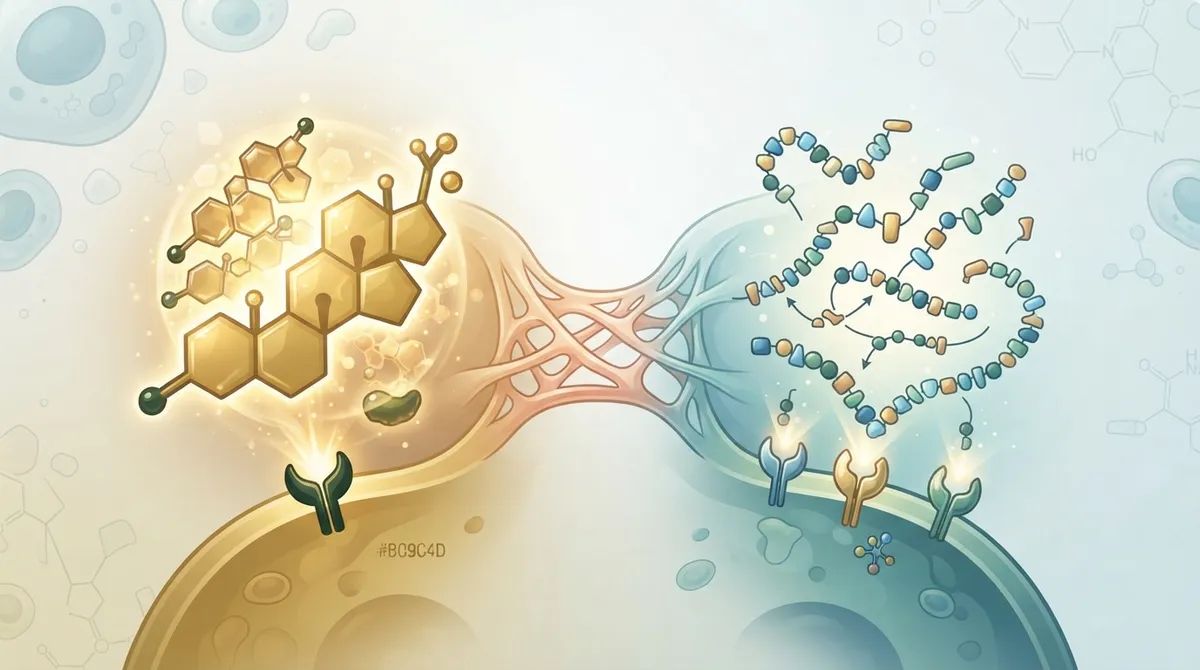
Testosterone replacement therapy is a medical treatment for men with clinically diagnosed hypogonadism. That’s a fancy way of saying the body isn’t making enough testosterone on its own. TRT directly replaces that missing hormone using FDA-approved formulations.
This is different from feeling tired after a bad night’s sleep or noticing a slower gym recovery as you hit your 40s. TRT is meant for men who have real, measurable, and consistent hormone deficiency, not just the normal ups and downs of aging. According to the National Library of Medicine, proper diagnosis requires both symptoms and confirmed lab results, not guesswork.
Who Actually Qualifies for TRT
Diagnosis isn’t based on how you feel alone. It requires lab-confirmed low testosterone plus symptoms that match. Here’s what doctors typically look for:
- Total testosterone below 300 ng/dL on two separate early-morning blood tests (per American Urological Association guidelines)
- Or a level below roughly 264 ng/dL using the Endocrine Society’s harmonized cutoff
- Symptoms like low libido, fatigue, or reduced muscle mass that line up with the lab results
- Ruling out other causes, like thyroid problems, medication side effects, or sleep apnea
One low test result isn’t enough. Testosterone naturally fluctuates, so providers need repeat morning measurements before making a diagnosis.
How TRT Is Delivered
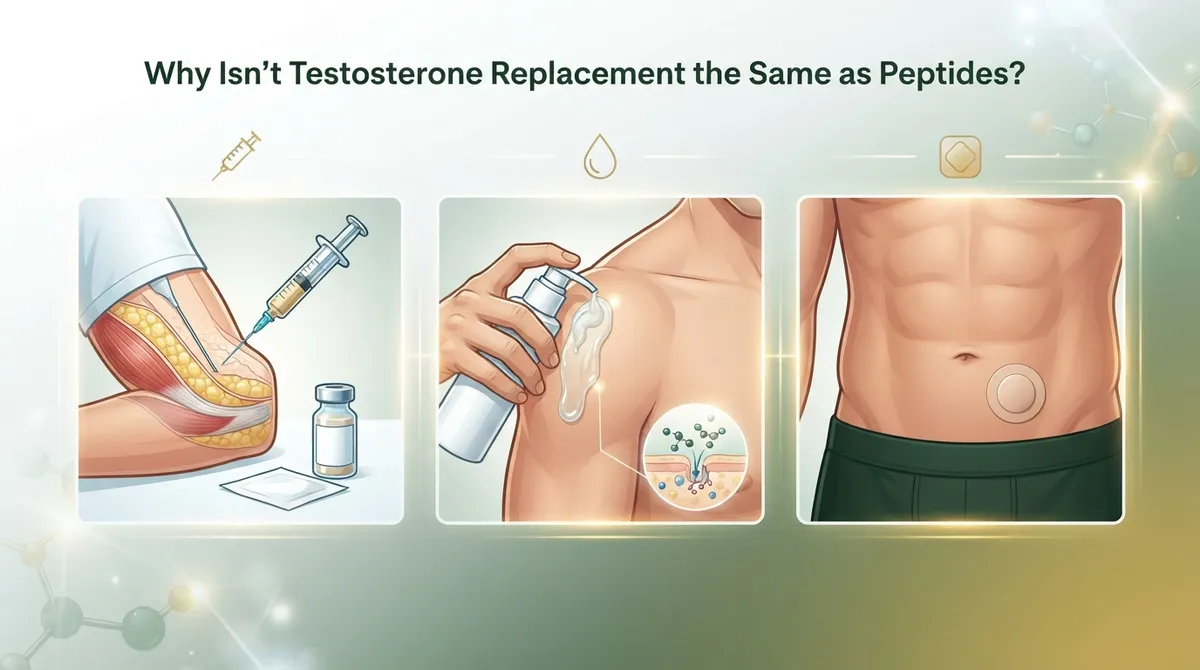
Once diagnosed, there are several ways to receive testosterone. Each option has pros and cons depending on lifestyle, convenience, and personal preference.
| Delivery Method | How Often | Best For |
|---|---|---|
| Injections | Weekly or biweekly | Cost-conscious patients comfortable with self-injection |
| Topical gels/solutions | Daily | Those who prefer no needles |
| Patches | Daily | Simple, consistent dosing |
| Subcutaneous pellets | Every 3-6 months | Low-maintenance, infrequent dosing |
| Oral formulations | Daily | Patients who prefer pills |
The goal with any method is a mid-normal testosterone level, generally in the 450-600 ng/dL range according to AUA guidance. Supraphysiologic (too high) levels aren’t the goal and can actually cause harm.
What TRT Can and Can’t Do
It’s tempting to think of testosterone as a magic fix for everything from mood to muscle. The truth is more nuanced. Clinical evidence from the landmark Testosterone Trials, which studied 790 men over age 65 with confirmed low testosterone, found real benefits in some areas and more modest results in others.
- Sexual function often improves, including libido and erectile function
- Bone density tends to increase over time
- Anemia related to low testosterone can resolve
- Lean muscle mass may improve with consistent therapy
- Energy, mood, and mental clarity show more variable, individual results
This is an important distinction. If a provider promises guaranteed energy or mood transformation from TRT alone, that’s a red flag. Results vary by person, and marketing claims should never override real clinical evidence.
Testosterone Replacement vs. Peptide Therapy: What’s the Real Difference?
This is where a lot of confusion happens. Peptide therapy and TRT are not the same category of treatment, even though both fall under the umbrella of hormone-related wellness care.
Testosterone directly replaces a deficient hormone. Peptides, on the other hand, are short chains of amino acids that signal your body to do something, like produce more growth hormone or support tissue repair. You can learn more about how these molecules work in this breakdown of what are peptides and how they interact with the body.
Common Peptides Confused With TRT
- Sermorelin, ipamorelin, and CJC-1295: These are growth-hormone secretagogues. They don’t replace testosterone directly and have limited evidence for treating hypogonadism.
- Gonadorelin: This peptide has research applications in hormone signaling but is not an established substitute for FDA-approved TRT.
- Kisspeptin: Still largely investigational, with promising but early-stage research.
If you’re curious how these compare in more depth, this article on how to compare peptide therapy vs testosterone replacement breaks it down further. And if you want a side-by-side look specifically for men’s health goals, check out TRT vs. peptides: which hormone fix wins for men.
Why the Distinction Matters for Your Health
Here’s the honest truth: a peptide clinic that claims its products can replace TRT isn’t being straight with you. Growth-hormone peptides work through different biological pathways. A small study on CJC-1295 involving just 21 participants showed growth-hormone effects, but that’s a far cry from proving it can treat hypogonadism (Teichman et al., 2006).
Reputable providers are upfront about this. They’ll tell you when peptides might complement your wellness goals and when TRT is the more appropriate, evidence-backed choice. This kind of honesty is part of what separates a trustworthy clinic from one chasing trends. If you want to understand how legitimate peptide protocols are designed, this guide on how to start peptide therapy safely and see real results is a great starting point.
What Tests and Monitoring Look Like
Before starting TRT, licensed providers run a full panel to rule out reversible causes and confirm the diagnosis. This typically includes:
- Total and sometimes free testosterone levels, tested twice in the early morning
- LH and FSH to assess pituitary signaling
- Prolactin levels
- PSA testing when clinically appropriate
- Hematocrit to check red blood cell concentration
- Sex-hormone-binding globulin in some cases
Once treatment begins, monitoring continues. Hematocrit above 54% is a common threshold that requires dose adjustment or a pause in treatment, according to Endocrine Society and AUA guidance. Blood pressure, prostate health, and symptom response are also tracked regularly.
Important Contraindications to Know
TRT isn’t right for everyone. Providers screen carefully for these conditions before prescribing:
- Active or suspected prostate or breast cancer
- Significantly elevated hematocrit
- Untreated severe sleep apnea
- Uncontrolled heart failure
- Desire for near-term fertility (TRT can suppress sperm production)
- Recent major cardiovascular events requiring specialist evaluation
The Fertility Question
This is one of the most overlooked aspects of testosterone therapy. Exogenous testosterone suppresses your body’s natural hormone signaling loop, which can shut down sperm production. If you’re planning to have children soon, conventional TRT might not be the right path.
Instead, specialists often turn to alternative approaches like hCG or gonadotropin therapy, which support natural hormone production without the same fertility risks. This is exactly why a personalized consultation matters so much. Every man’s situation, goals, and health history are different.
Compounded vs. FDA-Approved: Know the Difference
Not all testosterone or peptide products are created equal. FDA-approved testosterone medications go through rigorous testing for purity, potency, and safety. Compounded products, while sometimes appropriate, can vary in quality depending on the pharmacy.
The FDA is clear that testosterone products are meant for men with a confirmed underlying medical condition, not simply nonspecific fatigue or unconfirmed age-related decline. This is why working with a licensed clinic that uses proper lab testing and monitoring is non-negotiable. To learn more about sourcing safely, this piece on FDA-approved vs. compounded peptides: what wins is worth a read.
How Allura Longevity Approaches Hormone Health
At Allura Longevity, the process starts with a simple $50 virtual consultation. From there, clients complete blood work through LabCorp so providers have real data, not guesswork, to build a plan around.
Every treatment plan is customized based on your actual lab results and health goals, whether that means testosterone replacement, peptide therapy, or a combination approach designed by licensed medical providers. Care is led by Ashley, a board-certified Family Nurse Practitioner, with ongoing monitoring and adjustments over a six-month plan. Everything ships directly to your home, which is a huge win if you’re juggling a demanding schedule.
Allura Longevity is licensed in Florida, Georgia, Texas, Connecticut, Indiana, Maryland, New York, and California, with telehealth available nationwide within those states. Spots are limited each month, so if you’ve been thinking about getting your hormones checked properly, now’s a good time to look into it. You can also explore related options like what are the real benefits of hormone therapy for men or browse peptides for men to see how these approaches fit together.
Making the Right Choice for Your Body
So how do you know if TRT, peptide therapy, or both make sense for you? It really comes down to your labs, your symptoms, and your goals. A single tired afternoon doesn’t mean you need hormone therapy. But consistent fatigue, low libido, and confirmed low testosterone on repeat testing? That’s worth a real conversation with a licensed provider.
The good news is you don’t have to figure this out alone. A proper consultation, real lab work, and a provider who explains your options honestly will get you much further than guessing based on internet forums or supplement ads.
Ready to Get Real Answers?
You deserve a treatment plan built around your actual biology, not a one-size-fits-all guess. If you’re curious whether testosterone replacement, peptide therapy, or a combination is right for you, the team at Allura Longevity is ready to help. Request a consultation today and take the first real step toward feeling like yourself again. You can also call (813) 510-6277 to speak with someone directly about your options.
FAQs
Q: What is testosterone replacement therapy and who qualifies for it?
A: Testosterone replacement therapy (TRT) is a treatment for men with confirmed low testosterone, called hypogonadism. You typically qualify if you have symptoms plus consistently low morning testosterone on two separate lab tests, not just one bad day or normal aging.
Q: Can peptide therapy increase testosterone naturally?
A: Some peptides, like gonadorelin, interact with hormone signaling pathways, but the evidence supporting them as testosterone replacements is limited. Growth-hormone peptides like sermorelin and ipamorelin work on a completely different system and shouldn’t be marketed as TRT alternatives.
Q: What tests are required before starting TRT?
A: Providers usually check total testosterone twice in the early morning, along with LH, FSH, prolactin, hematocrit, and sometimes PSA. This helps rule out other causes and confirms you actually need treatment, rather than guessing based on symptoms alone.
Q: Does testosterone replacement therapy affect fertility?
A: Yes, it can. TRT suppresses your body’s natural hormone signaling, which often reduces or stops sperm production. If you’re hoping to have children soon, your provider may recommend alternatives like hCG therapy instead of standard TRT.
Q: Is compounded testosterone or peptide therapy FDA approved?
A: FDA-approved testosterone products go through strict testing for safety and potency, while compounded versions can vary in quality. That’s why it’s so important to work with a licensed clinic that’s transparent about what you’re actually receiving.





