

Key Takeaways
-
FDA-approved hormone therapy (estrogen/progesterone) has decades of research supporting it for menopause symptoms, while most peptides like CJC-1295 and BPC-157 lack strong clinical evidence for treating menopause despite being heavily marketed.
-
Responsible telehealth programs require full medical history review, state license verification, appropriate lab work through trusted labs, informed consent about FDA approval status, and willingness to refer to in-person care when needed.
-
Hormone therapy use among U.S. women dropped from 4.6% in 2007 to 1.8% in 2023 due to fear from outdated studies, but modern evidence supports safe use; telehealth is helping close the gap between symptomatic women and those receiving treatment.
-
Peptides can support wellness goals like muscle recovery, skin health, and energy when used alongside lifestyle changes, but should never replace hormone therapy or be marketed as a complete menopause cure.
-
Red flags in hormone/peptide marketing include promises of complete 'hormone resets,' no mention of FDA approval status, skipped lab work before treatment, and vague provider credentials—trustworthy clinics are transparent about what's approved versus experimental.
-
Abnormal bleeding, pelvic pain, breast changes, and suspected pregnancy require in-person evaluation; a quality telehealth provider will recognize these situations and refer you for hands-on care rather than attempting remote management.
Menopause hot flashes at 2 a.m. Brain fog during a work call. Low energy that no amount of coffee fixes. If any of this sounds familiar, you are not alone, and you are not stuck. Women’s hormone health telehealth has made it easier than ever to talk to a licensed provider, get real lab testing, and start a treatment plan without sitting in a waiting room.
But here’s something we care deeply about at Allura Longevity: not everything marketed as “hormone health” or “peptide therapy” is backed by strong science. Some treatments are FDA-approved with decades of research. Others are newer, less studied, and need to be discussed honestly. This guide walks you through what women’s hormone health telehealth actually covers, where peptide therapy fits in, and how to protect yourself while still getting real relief. Think of this as the friendly, no-nonsense conversation you’d have with a trusted provider, minus the awkward paper gown.
What Is Women’s Hormone Health Telehealth, Really?
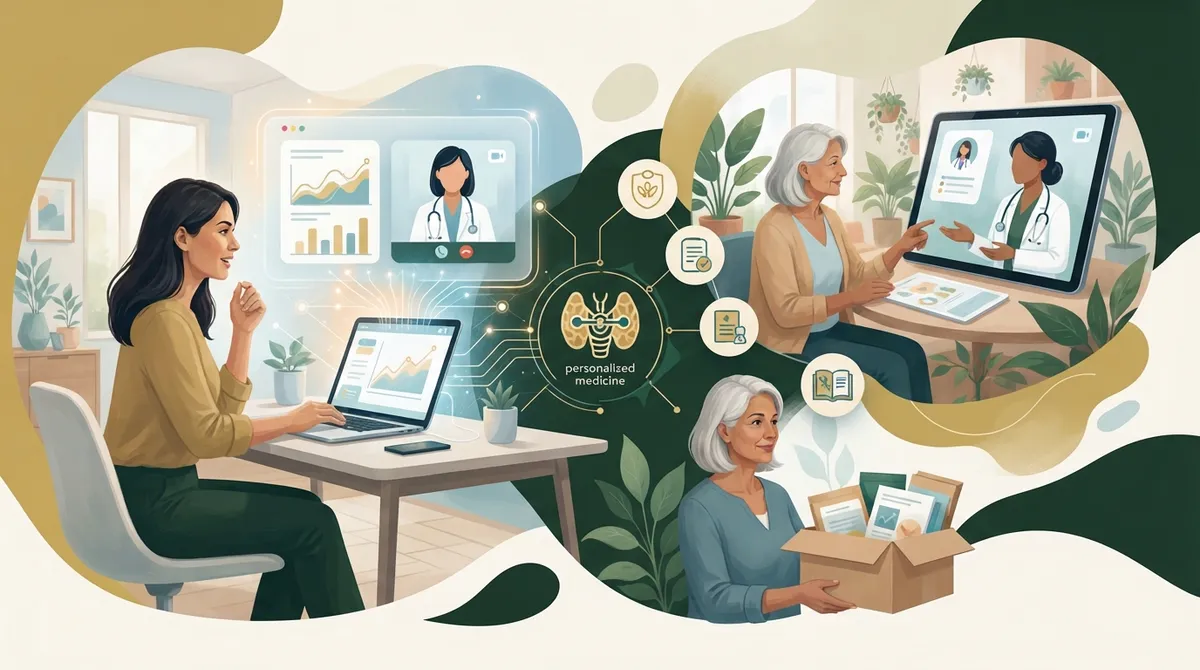
Women’s hormone health telehealth means connecting with a licensed medical provider through video or phone visits instead of an in-office appointment. It typically includes a review of your symptoms, your medical history, and lab work when needed. From there, a provider can recommend treatment, prescribe medication, and follow up with you over time.
This kind of care commonly addresses:
- Perimenopause and menopause symptoms like hot flashes, night sweats, and mood changes
- Low energy, poor sleep, and brain fog tied to hormone shifts
- Sexual health concerns, including low desire
- Weight and metabolism changes related to hormonal aging
- General reproductive or endocrine questions that need a specialist’s input
The convenience factor is huge for busy women juggling careers, families, and everything in between. You can learn more about how personalized care works by exploring peptide therapy options designed specifically for women.
Peptide Therapy vs. Menopausal Hormone Therapy: They Are Not the Same Thing
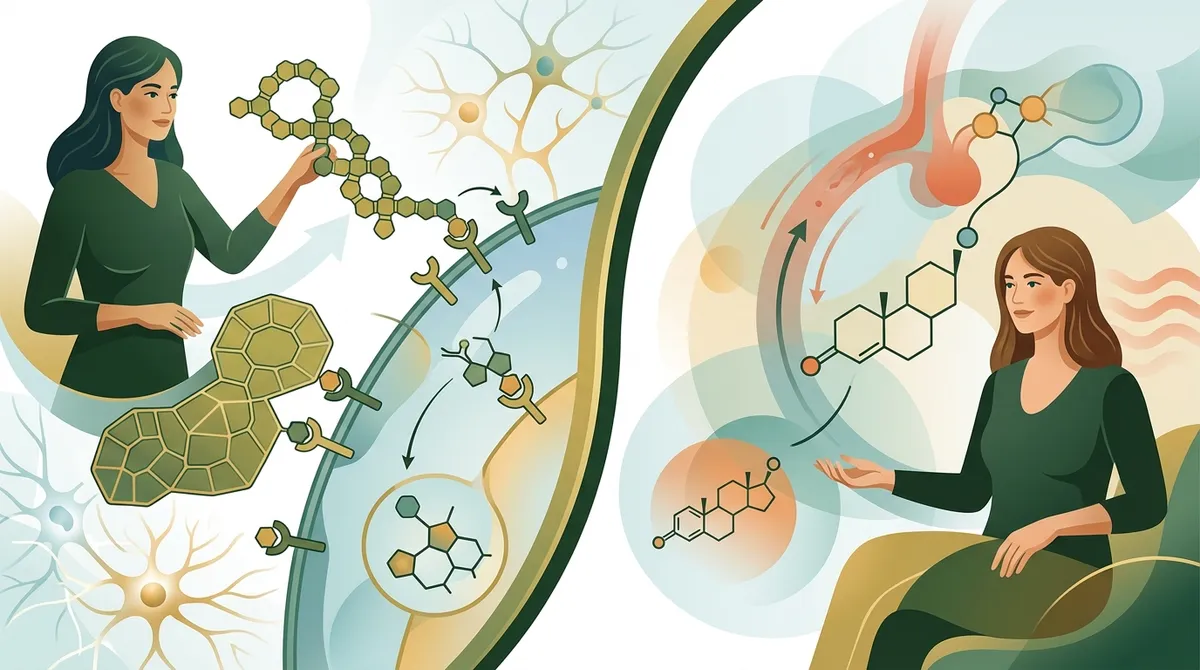
Here’s where a lot of confusion happens, and we want to clear it up right away. Menopausal hormone therapy uses FDA-approved estrogen and progesterone medications. These have been studied for decades in large clinical trials. Peptide therapy is different. It uses small protein-based compounds that can support things like recovery, energy, and cellular repair, but most peptides marketed for menopause symptoms do not have the same level of evidence behind them.
According to a National Library of Medicine review, there is currently no strong randomized clinical trial evidence showing that popular peptides like CJC-1295, ipamorelin, BPC-157, or kisspeptin improve menopause symptoms, sleep, weight, or cognition in women. That does not mean peptides are useless. It means they serve different purposes and should not be marketed as a menopause cure.
| Treatment Type | FDA-Approved? | Common Use | Evidence Level |
|---|---|---|---|
| Estrogen/Progesterone Therapy | Yes | Menopause symptom relief | Strong, decades of research |
| Bremelanotide | Yes (specific use) | Low sexual desire in premenopausal women | Established clinical trials |
| BPC-157 | No | Recovery, gut support (off-label) | Limited, early-stage |
| CJC-1295/Ipamorelin | No | Growth hormone support | Limited in menopausal women |
Where Peptides Genuinely Fit Into Women’s Wellness
Peptide therapy is not a replacement for hormone therapy, but it can play a supportive role in a broader wellness plan. Many women use peptides alongside healthy lifestyle habits to support energy, recovery, and skin health. If you want to understand the basics before diving in, check out this helpful explainer on what peptides actually are.
Some women explore peptides for:
- Muscle recovery after workouts or injury, often paired with structured recovery routines
- Skin support as part of an anti-aging wellness plan
- Metabolic support alongside GLP-1 medications for weight management
- General energy and vitality goals, always guided by lab work
If weight management is part of your goals, it helps to understand the science first. This piece on which weight loss peptides actually work breaks down the evidence in plain language.
The One FDA-Approved Peptide Worth Knowing About
There is one peptide women should know is genuinely FDA-approved: bremelanotide. It is approved specifically for acquired, generalized hypoactive sexual desire disorder in premenopausal women. It is not approved as a general menopause treatment, and it comes with real considerations like nausea, flushing, injection-site reactions, and possible blood pressure changes.
This is a great example of why working with a licensed provider matters so much. A good telehealth program will tell you clearly whether a treatment is FDA-approved for your specific situation or whether it is being used off-label or is compounded. Learn more about sexual wellness options in this guide on peptide facts that redefine sexual wellness.
Why Hormone Therapy Use Has Dropped, and Why That Matters
Here’s a stat that surprises a lot of people. Hormone therapy use among U.S. women over 40 dropped from about 4.6% in 2007 to just 1.8% in 2023, according to The Menopause Society. A separate study found similar numbers, showing a decline from roughly 4.4% to 1.7% over the same period. Women aged 55 to 59 saw an even bigger drop, from 7.1% down to 3.5%.
Why does this matter? Fear from outdated studies scared many women away from hormone therapy, even when it could have helped them. An Australian survey from late 2023 through early 2024 found that fewer than one in four symptomatic postmenopausal women were actually using therapy, even though over 10% of respondents reported some use. That’s a big gap between women who need relief and women who are getting it.
Telehealth is helping close that gap by making conversations with providers easier to start. If you’re curious about safe, modern approaches to symptom relief, this article on how to treat perimenopause symptoms safely is a great next read.
What a Responsible Telehealth Visit Should Look Like
Not all telehealth clinics are created equal. A trustworthy provider follows a clear, safe process every single time. Here’s what you should expect:
- A licensed clinician reviews your full medical history and current symptoms
- Your location is verified to confirm the provider can legally treat you in your state
- Lab work is ordered or reviewed when clinically appropriate, often through a trusted lab like LabCorp
- The provider screens for contraindications like cardiovascular disease, cancer history, or diabetes
- You receive clear informed consent explaining whether a treatment is FDA-approved or compounded
- A plan is created for ongoing monitoring and follow-up adjustments
- Referral to in-person care is offered when your symptoms need a hands-on exam
This last point is important. Telehealth is fantastic for convenience, but some symptoms genuinely need an in-person visit. Abnormal bleeding, pelvic pain, breast changes, suspected pregnancy, or severe psychiatric symptoms should always be evaluated face-to-face. A responsible telehealth program will tell you this without hesitation.
Red Flags to Watch for in Hormone and Peptide Marketing
Not every clinic tells the full story. Watch out for these warning signs before you commit to any program:
- Promises of a complete “hormone reset” or guaranteed anti-aging results
- Claims that a peptide will reverse menopause entirely
- No mention of whether a treatment is FDA-approved or compounded
- No lab work requested before starting treatment
- Vague answers when you ask about licensing or provider credentials
Real medical care is personalized, transparent, and backed by testing. If a clinic skips these steps, it’s worth asking more questions or looking elsewhere. For a deeper look at spotting legitimate programs, see this guide on how to find legal peptide therapy you can trust.
How Allura Longevity Approaches Women’s Hormone and Peptide Care
At Allura Longevity, we believe women deserve clear, honest answers, not hype. Our process starts with a simple $50 virtual consultation, followed by comprehensive blood work through LabCorp. From there, our team, led by board-certified Family Nurse Practitioner Ashley, builds a customized six-month treatment plan based on your actual results and goals.
We are proud to offer telehealth care to women in Florida, Georgia, Texas, Connecticut, Indiana, Maryland, New York, and California. Every plan includes ongoing monitoring, so your treatment can be adjusted as your body responds. We keep it simple: real labs, real licensed providers, and real conversations about what is FDA-approved versus what is still being studied. If you’re ready to see what a personalized plan could look like for you, you can request a consultation to get started.
Questions to Ask Before Starting Any Hormone Telehealth Program
Before you sign up for any program, bring these questions to your first visit:
- Is this treatment FDA-approved for my specific symptoms, or is it compounded?
- What lab tests will you use to guide my treatment plan?
- What are the known side effects and contraindications for this treatment?
- How often will I have follow-up visits to adjust my plan?
- Under what circumstances would you refer me for an in-person exam?
A confident, licensed provider should answer all of these clearly and without pressure. If you want to explore how peptide protocols are built responsibly, this resource on how to build a women’s wellness peptide plan walks through the process step by step.
Bringing It All Together
Women’s hormone health telehealth has genuinely changed how we access care. It’s faster, more convenient, and often more comfortable than sitting in a crowded waiting room. But convenience should never come at the cost of honesty. The strongest evidence still supports FDA-approved hormone therapy for menopause symptoms, while most peptides remain a supportive, evolving piece of the wellness puzzle rather than a proven menopause fix.
The good news? You don’t have to choose between convenience and quality care. With the right telehealth partner, you get both. Real labs. Real licensed providers. Real answers about what’s approved and what’s still being researched. That’s exactly the kind of care we aim to deliver every single day, according to the trusted medical resource what are peptides explains in more general terms.
If you’re ready to stop guessing and start getting real answers about your hormone health, our team is here for you. Spots fill up each month, so don’t wait too long. Request your consultation today and let’s build a plan that actually fits your body and your life. You can also reach us directly at (813) 510-6277 with any questions.
FAQs
Q: What is women’s hormone health telehealth?
A: It’s a way to connect with a licensed medical provider by video or phone to discuss hormone symptoms, get lab testing, and receive a treatment plan without visiting an office in person. It’s convenient, but the best programs still include real labs and licensed oversight, just like an in-person visit would.
Q: Can telehealth prescribe hormone therapy for menopause?
A: Yes, licensed telehealth providers can prescribe FDA-approved hormone therapy after reviewing your history and, when needed, your lab results. Just make sure the provider is licensed in your state and follows a thorough evaluation process before prescribing anything.
Q: Are peptides like BPC-157 or CJC-1295 approved for menopause symptoms?
A: No, these peptides are not FDA-approved for menopause symptoms, and current research hasn’t shown strong evidence that they help with hot flashes, sleep, or weight in menopausal women. They may still play a role in general wellness support, but it’s important to know the difference before starting treatment.
Q: Is bremelanotide the same as hormone therapy for menopause?
A: Not quite. Bremelanotide is FDA-approved specifically for low sexual desire in premenopausal women, not as a general menopause treatment. It’s a helpful example of why it matters to ask your provider exactly what a medication is approved for.
Q: When do I need an in-person visit instead of telehealth?
A: Symptoms like abnormal bleeding, pelvic pain, breast changes, or suspected pregnancy really do need a hands-on exam. A good telehealth provider will recognize these situations and refer you promptly, rather than trying to manage everything remotely.





