

Key Takeaways
-
Legitimate telehealth hormone therapy requires a real medical evaluation with a licensed provider before any prescription, not just an online quiz; skipping this step is a major red flag.
-
Blood work before treatment and periodic monitoring are non-negotiable for safe hormone therapy; labs reveal your actual baseline and allow providers to adjust dosages based on real data.
-
Verify your provider holds an active, state-specific license and confirm the exact pharmacy dispensing your medication; reputable clinics transparently disclose this information.
-
Compounded peptides are not FDA-approved and undergo different safety reviews than approved drugs; providers should clearly explain whether your medication is compounded or FDA-approved.
-
Ongoing follow-up visits and adjustments after treatment begins distinguish legitimate care from clinics seeking only an initial sale; real programs include consistent monitoring over the full treatment timeline.
-
Watch for red flags like guaranteed results, vague pharmacy information, marketing compounded products as FDA-equivalent, or unavailable clinicians post-prescription; these indicate a provider cutting corners.
You’ve probably seen the ads. A quick online quiz, a peptide or hormone shipped to your door, and promises of more energy, better sleep, and a leaner body. It sounds amazing. But you’re also smart enough to pause and ask: is telehealth hormone therapy legit, or is this just a slick marketing trick? That’s a fair question, and honestly, it’s one we get asked all the time.
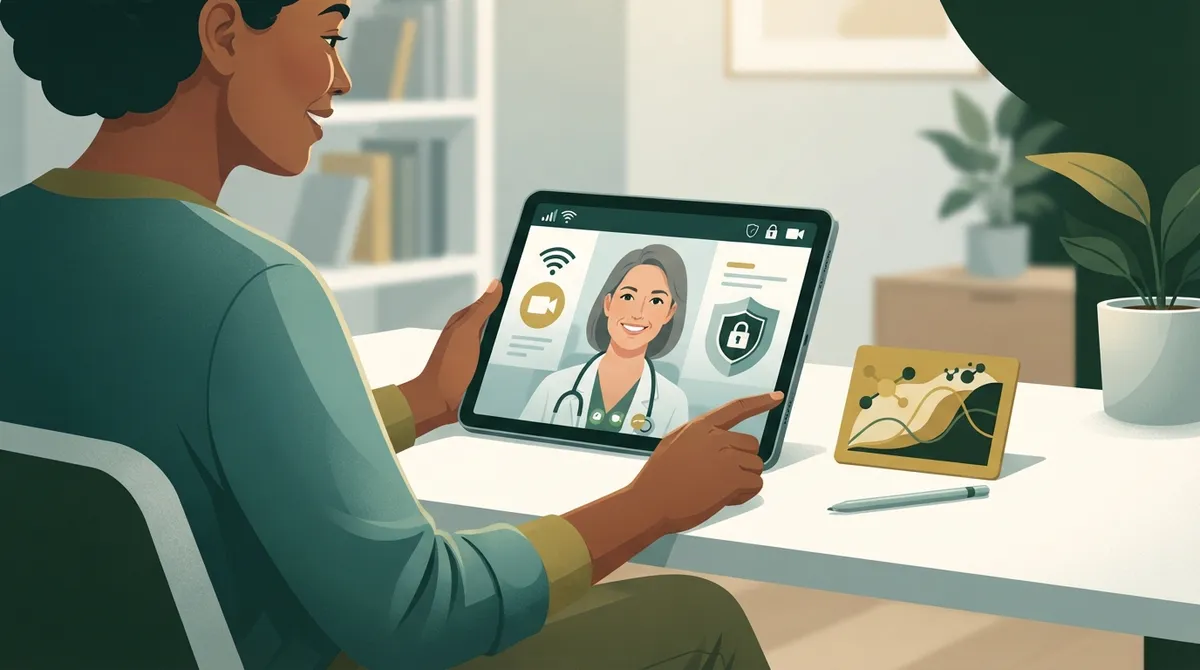
Here’s the good news. Telehealth hormone therapy absolutely can be legitimate, safe, and effective. But the truth is a little more nuanced than a simple yes or no. Legitimacy depends on the clinician behind the screen, the medication being prescribed, the pharmacy filling it, and whether you get real lab work and follow-up care. In this guide, we’ll walk you through exactly what to look for, so you can feel confident and informed before you start any program. Whether you’re a busy professional squeezing in a virtual visit between meetings or a biohacker who wants data to back every decision, this article is for you.
Why This Question Matters More Than Ever
Telehealth exploded over the past few years, and hormone and peptide clinics popped up everywhere. That’s mostly a wonderful thing. It means more people can access care without taking a half day off work or driving across town. But rapid growth also means some companies cut corners.
The Food and Drug Administration has actually stepped in. In 2026, the FDA issued warning letters to telehealth companies over misleading claims about compounded GLP-1 products, including implying they were FDA-approved when they were not. This matters because it shows regulators are paying close attention to how these treatments are marketed online. As a patient, that’s actually reassuring. It means there’s oversight, and it means you can learn to spot the difference between a trustworthy provider and one cutting corners.

1. A Real Medical Evaluation Comes Before Any Prescription
Legitimate telehealth care starts with an actual conversation with a licensed provider, not just a quiz you fill out and forget. A good clinician will ask about your health history, current medications, symptoms, and goals. They should also discuss risks, alternatives, and get your informed consent before anything ships to your door.
If a website lets you check a few boxes and immediately adds a peptide to your cart, that’s a red flag. Real evaluation takes time because your body is unique. If you’re curious about what this process should look like, our guide on how to start peptide therapy safely and see real results breaks it down step by step.
2. Blood Work Isn’t Optional, It’s the Foundation
You can’t personalize a treatment plan without knowing what’s actually going on inside your body. That’s why legitimate hormone and peptide programs require lab testing before you start and periodically afterward. This isn’t a sales tactic. It’s basic medical safety.
Testosterone therapy, for example, often requires checking blood counts, testosterone levels, and prostate-related markers. Menopausal hormone therapy needs a review of symptoms, bleeding history, and cardiovascular risk factors. Peptide treatments have their own product-specific monitoring needs. Skipping labs is one of the biggest warning signs of a program that isn’t taking your health seriously.
| Therapy Type | Typical Monitoring Needed |
|---|---|
| Testosterone Replacement | Blood counts, testosterone levels, prostate markers, cardiovascular review |
| Menopausal Hormone Therapy | Symptom tracking, bleeding history, breast and cardiovascular risk |
| Peptide Therapy (e.g., BPC-157, GLP-1s) | Product-specific safety checks, metabolic panels, ongoing symptom review |
3. The Prescriber Holds an Active, Verifiable License
This one sounds obvious, but it’s worth double-checking. Your provider needs to be licensed to practice in the state where you’re physically located during your visit, not just where the company is headquartered. Telehealth prescribing rules can vary by state, and they can change over time.
You have every right to ask which state licenses a provider holds and to verify that information yourself. Reputable clinics make this easy to find. Allura Longevity, for instance, is openly licensed in Florida, Georgia, Texas, Connecticut, Indiana, Maryland, New York, and California, with care led by a board-certified Family Nurse Practitioner. That kind of transparency is exactly what you want to see.
4. Medication Comes From a Known, Appropriately Licensed Pharmacy
Where does your medication actually come from? This is a question too many people forget to ask. A legitimate telehealth program will tell you exactly which pharmacy fills your prescription, and that pharmacy should be appropriately licensed and, when compounding is involved, following applicable state and federal rules.
Compounded medications deserve special attention here. Compounding is meant for patients whose medical needs can’t be met by an FDA-approved product. It is not the same as buying a generic version of a drug. According to FDA guidance, compounded drugs are not reviewed before marketing for safety, effectiveness, or quality the same way FDA-approved medications are. That doesn’t mean compounding is inherently bad. It means you need more information before trusting it.
5. Claims Match Reality, Not Marketing Hype
If a website promises guaranteed weight loss, permanent muscle gain, or reversed aging with zero effort, take a step back. Real medicine doesn’t guarantee outcomes because every body responds differently. Bold claims without nuance are one of the clearest signs something is off.
The FDA has specifically warned telehealth companies about implying that compounded semaglutide or tirzepatide are equivalent to FDA-approved drugs. A compounded peptide should never be advertised as identical to an approved medication. If you want to understand the real difference, our article on FDA-approved vs. compounded peptides lays it out clearly. And if you’re specifically weighing GLP-1 options, how to understand GLP-1 peptide therapy in 2026 is a great starting point.
Common Red Flags to Watch For
- No real conversation with a licensed clinician, just an online form
- No blood work required before or during treatment
- Vague or hidden information about the dispensing pharmacy
- Products marketed as “research use only” but sold for personal use
- Claims that a compounded peptide is FDA-approved or equivalent to one that is
- Guaranteed results with no mention of individual variation
- No clinician available to answer questions once treatment begins
6. Ongoing Follow-Up Is Built Into the Plan
Legitimate care doesn’t end the moment your package arrives. Your body changes over time, and so should your treatment plan. A trustworthy telehealth provider schedules follow-up visits, reviews new labs, and adjusts your dosage or protocol as needed.
This is especially true for longer programs. A six-month plan, for example, should include check-ins along the way, not just a single prescription and silence. If you want to know what kind of timeline to expect, take a look at 4 timelines that show when peptide therapy works. Consistent monitoring is one of the biggest differences between a clinic that cares about your results and one that just wants a sale.
7. The Peptide or Hormone Itself Is Legally Appropriate for Telehealth
Not every product marketed online is actually legal to obtain this way. Some popular wellness peptides are investigational, unapproved, or restricted from lawful compounding altogether. A telehealth platform cannot make an otherwise unlawful peptide suddenly legal just by putting it on a website.
This is why it matters to ask specific questions about what you’re being prescribed. Is it FDA-approved? Is it compounded, and if so, by whom? Does the clinic explain the difference clearly? According to a review published by the National Library of Medicine, peptide therapeutics have grown rapidly in medicine, but oversight and regulatory clarity still vary widely depending on the specific compound and its intended use.
Popular Peptides and Their Regulatory Status
| Peptide | Common Use | Regulatory Note |
|---|---|---|
| Semaglutide / Tirzepatide | Weight loss, metabolic health | FDA-approved brand versions exist; compounded versions require careful vetting |
| Sermorelin / Ipamorelin | Growth hormone support, recovery | Prescribed through licensed telehealth with clinical oversight |
| BPC-157 | Injury recovery, gut healing | Not FDA-approved; typically obtained through compounding pharmacies |
How to Vet Any Telehealth Provider Before You Sign Up
Feeling a little more confident already? Good, because now let’s turn this into an actual action plan. Here’s a simple checklist you can run through before choosing any telehealth hormone or peptide clinic.
- Confirm the provider’s license and check that it covers your state.
- Ask what lab tests are required before treatment starts.
- Find out exactly which pharmacy dispenses your medication.
- Read the medication label and confirm the concentration and dosing instructions.
- Ask whether the peptide or hormone is FDA-approved or compounded, and what that means for you.
- Check that ongoing monitoring and follow-up visits are part of the plan.
- Trust your gut. If something feels rushed or too good to be true, ask more questions.
This process doesn’t have to feel intimidating. Think of it like checking reviews before booking a hotel. A few extra minutes of research can save you a lot of hassle later. For a deeper dive into vetting specific programs, check out how to find legal peptide therapy you can trust.
What Legitimate Care Actually Looks Like at Allura Longevity
We built our process around transparency because we believe you deserve to know exactly what you’re getting. It starts with a simple $50 virtual consultation. From there, you’ll complete blood work through LabCorp, so your plan is based on real data, not guesswork.
Your customized six-month treatment plan is designed by licensed providers and led by Ashley, a board-certified Family Nurse Practitioner. Peptides are shipped straight to your home, and your care includes ongoing monitoring and adjustments as your body responds. Whether you’re focused on energy, sleep, weight loss, or recovery, you can learn more about our approach for peptides for women or peptides for men. If you’re newer to this whole world, our piece on what are peptides in 2026 is a great primer, as is this general overview from what are peptides.
Comparing Telehealth to Local Clinic Options
Some people wonder whether telehealth can really match the quality of an in-person visit. It’s a reasonable question, and the honest answer is that both models can work well when done right. Telehealth simply removes the commute and waiting room, while keeping the same medical rigor behind the scenes.
- Telehealth offers convenience for busy schedules and nationwide access to specialists.
- Local clinics may appeal to those who prefer face-to-face visits for physical exams.
- Both models should require labs, licensed prescribers, and follow-up care.
- Cost and shipping logistics often favor telehealth for ongoing peptide therapy.
If you want a side-by-side look, our article comparing local clinic vs. telehealth peptide therapy covers the pros and cons in detail.
Bringing It All Together
So, is telehealth hormone therapy legit? Yes, when it’s built on real medical evaluation, honest labeling, licensed prescribing, transparent pharmacy sourcing, and consistent follow-up. Legitimacy isn’t about whether care happens on a screen or in an office. It’s about the substance behind the visit.
You deserve a provider who treats you like a whole person, not a transaction. You deserve clear answers about your labs, your medication, and your plan. And you deserve a team that sticks around after your first shipment arrives. That’s the standard we hold ourselves to every single day, and it’s the standard you should expect from anyone you trust with your health.
Spots for new clients open up each month, and they tend to fill quickly. If you’re ready to get real answers about your hormones, energy, or wellness goals, we’d love to talk it through with you. Request a consultation today, or give us a call at (813) 510-6277 to get started. You’ve got one body, and it deserves a plan built just for you.
FAQs
Q: Is telehealth hormone therapy safe and legal?
A: It absolutely can be, as long as a licensed provider evaluates you properly, confirms your diagnosis, and prescribes medication legally allowed under state and federal rules. Safety comes down to the clinician, the medication, and the follow-up care, not just the fact that it’s delivered online.
Q: How can I tell whether an online hormone therapy clinic is legitimate?
A: Look for real blood work, a licensed and verifiable provider, clear pharmacy information, and honest labeling on your medication. If a company skips labs or promises guaranteed results with zero risks, that’s your cue to look elsewhere.
Q: Are compounded peptides FDA-approved?
A: No, compounded peptides are not FDA-approved, and the FDA doesn’t review them for safety or effectiveness the same way it does approved drugs. That doesn’t automatically make them unsafe, but it does mean you should ask more questions about the pharmacy and quality standards behind them.
Q: What lab tests are needed before and during telehealth hormone therapy?
A: It depends on your treatment, but common tests include hormone panels, blood counts, and metabolic markers. Ongoing labs help your provider adjust your plan safely as your body responds over time.
Q: What are the warning signs of an unsafe online peptide clinic?
A: Watch for no medical screening, treatment based only on a quiz, unclear pharmacy sourcing, and claims that compounded products are the same as FDA-approved drugs. If you can’t reach a real clinician after treatment starts, that’s a serious red flag too.





