
Key Takeaways
-
The 2023 international guideline recommends combined oral contraceptive pills for irregular cycles and hirsutism, and metformin for insulin resistance (BMI ≥25), tailored to your specific symptoms and goals rather than one-size-fits-all treatment.
-
GLP-1 medications like semaglutide are not established as PCOS-specific hormone treatments in major guidelines; they may support weight and metabolic goals under clinician guidance but should complement, not replace, COCPs or metformin.
-
Wellness peptides like BPC-157 lack reliable clinical evidence for treating PCOS or balancing hormones; stick with guideline-backed treatments (letrozole for fertility, anti-androgens for hirsutism) and verify provider oversight before trying unapproved peptides.
-
For fertility with PCOS, letrozole is the guideline-recommended first choice for inducing ovulation in non-ovulating women; if using GLP-1 medications, discuss pregnancy planning and potential treatment adjustments with your provider.
-
PCOS treatment requires personalized blood work and labs reviewed by a licensed provider; telehealth consultations can streamline access to tailored six-month plans with ongoing monitoring and adjustments without extensive clinic visits.
-
Combining COCPs and metformin may not add significant benefit if BMI is 30 or below, but both together are recommended for higher BMI, impaired glucose tolerance, or other metabolic risk factors.
If you have PCOS, you already know it’s confusing. One doctor says try birth control. Another mentions metformin. Your friend swears by a new peptide she found online. So what actually works? Let’s break it down together, in plain language, so you can make a choice that feels right for your body and your goals.
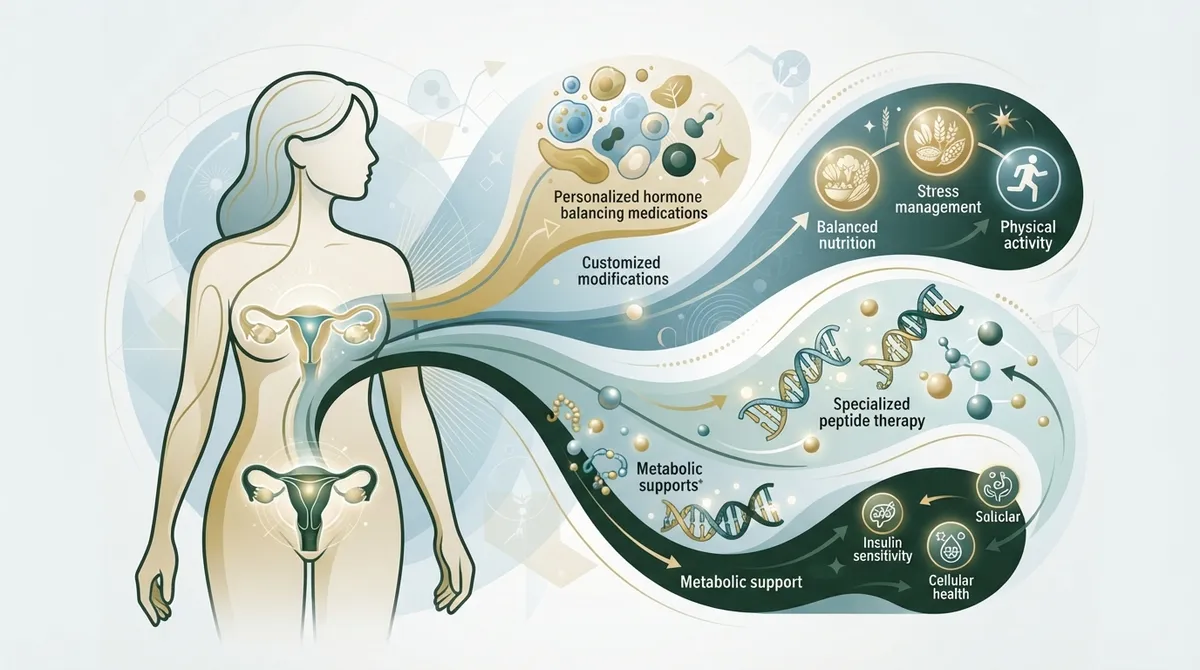
PCOS, or polycystic ovary syndrome, affects millions of women. It’s not just about irregular periods. It touches your hormones, your metabolism, your skin, and sometimes your fertility. That’s why there’s no single “hormone therapy” that fixes everything. Instead, treatment gets matched to your specific symptoms and what you’re hoping to achieve. This guide walks through what the latest medical guidelines actually recommend, where peptide-based options like GLP-1 medications fit in, and what claims you should treat with a healthy dose of skepticism.
Understanding PCOS and Why Treatment Isn’t One-Size-Fits-All
PCOS is a hormonal and metabolic condition. It can cause irregular cycles, excess hair growth, acne, weight changes, and trouble getting pregnant. But not every woman with PCOS has the same symptoms or the same priorities.
Some women want to regulate their cycle. Others are focused on managing insulin resistance. Some are trying to conceive. Because of this, doctors don’t reach for one universal treatment. They build a plan around your labs, your symptoms, and your life stage. This is exactly the kind of personalized approach that peptides for women programs aim to support, alongside standard medical care.
The Main Symptom Categories Doctors Look At
- Irregular or missing periods
- Excess androgen symptoms, like acne or unwanted hair growth
- Insulin resistance and metabolic risk
- Difficulty ovulating or getting pregnant
- Weight gain that feels hard to manage
What the 2023 International Guideline Actually Recommends
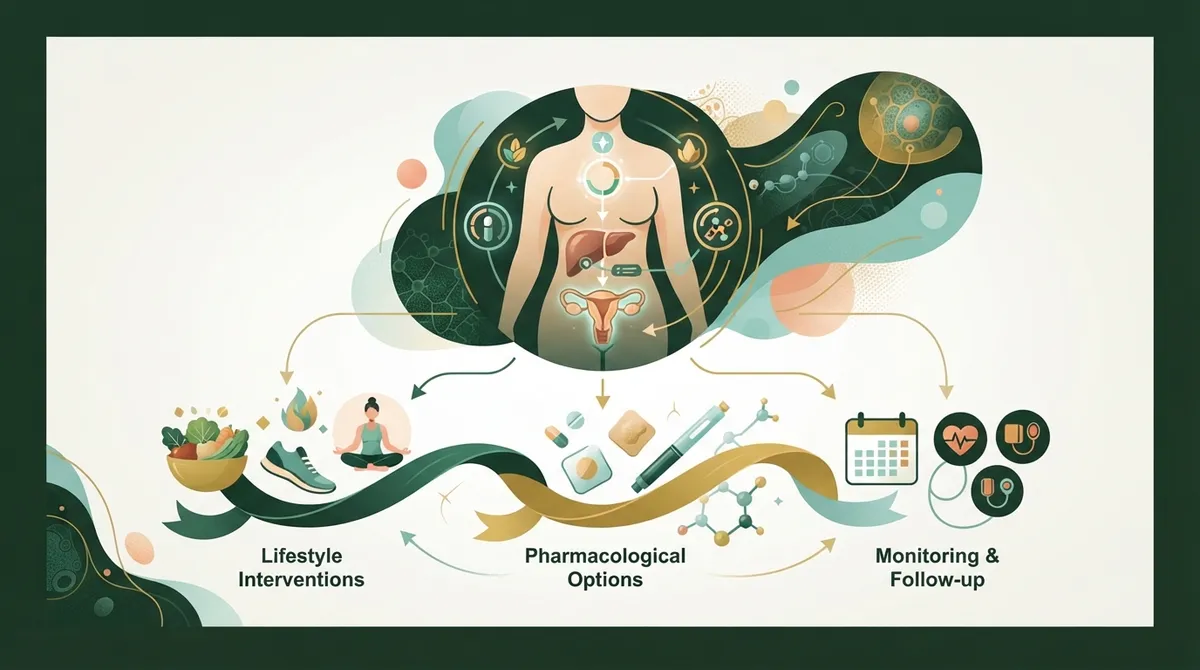
In 2023, a major international guideline updated the evidence-based recommendations for PCOS care. This guideline pulls together research from experts around the world. It’s the gold standard that most licensed providers reference today.
Combined Oral Contraceptive Pills (COCPs)
For women dealing with irregular cycles and hirsutism (excess hair growth), the guideline recommends combined oral contraceptive pills as a solid first option. These pills contain estrogen and progestin. They help regulate your cycle and can reduce androgen-related symptoms over time.
The choice of which pill to use should be personal. Your provider will consider your health history, other conditions, and your own preferences before prescribing one.
Metformin for Metabolic Health
Metformin isn’t a hormone in the traditional sense, but it plays a big role in PCOS care. It’s mainly used to improve insulin resistance, blood sugar, and cholesterol levels. The guideline suggests considering metformin for adults with a BMI of 25 or higher. It may help those with a lower BMI too, though the evidence there is less strong.
Combining COCPs and Metformin
Some women wonder if taking both is better. According to the guideline, combining the two may not add much benefit if your BMI is 30 or below. But if you have a higher BMI, impaired glucose tolerance, or other metabolic risk factors, your provider might recommend both together for a stronger effect.
| Treatment | Best For | What It Does |
|---|---|---|
| Combined Oral Contraceptives | Irregular cycles, hirsutism | Regulates hormones, reduces excess hair growth over time |
| Metformin | Insulin resistance, metabolic risk | Improves blood sugar and lipid measures |
| Letrozole | Fertility, anovulation | Induces ovulation for those trying to conceive |
| Anti-androgens | Hirsutism unresponsive to COCPs | Used only with effective contraception after 6+ months of other treatment |
Where GLP-1 Peptide Medications Fit Into the Picture
This is where things get interesting for anyone exploring peptide therapy. GLP-1 receptor agonists are peptide-based medicines. They’re approved for specific uses, like managing type 2 diabetes or supporting chronic weight management. Many women with PCOS also struggle with weight and insulin resistance, so these medications sometimes come up in conversation.
Here’s the honest truth: GLP-1 medications are not currently established as a PCOS-specific hormone treatment in major guidelines. They’re not a replacement for COCPs, metformin, or fertility treatments like letrozole. But for some women, especially those with weight-related metabolic concerns, a GLP-1 approach may be considered as part of a broader plan, with careful clinician guidance.
If you’re curious about how these medications work more broadly, our article on how to understand GLP-1 peptide therapy in 2026 breaks it down in simple terms. And if weight management is your main concern, you might also enjoy which weight loss peptides actually work in 2026.
Important Considerations Before Starting GLP-1 Therapy
- GLP-1 medications require a full medical evaluation, including blood work.
- They are not approved as hormone replacement therapy for PCOS.
- Pregnancy planning matters. These medications need to be discussed with your provider if you’re trying to conceive.
- Contraception should be part of the conversation if pregnancy isn’t the current goal.
- Side effects, like nausea or digestive changes, are common early on and usually improve. Learn more in what causes GLP-1 side effects and how to manage them.
What About BPC-157 and Other Wellness Peptides?
You may have seen ads or social media posts claiming that peptides like BPC-157 can “balance hormones” or “cure PCOS.” Let’s be clear: there’s no reliable clinical evidence supporting these claims. BPC-157 is often discussed for tissue repair and recovery, not as a hormonal treatment for PCOS.
According to the National Library of Medicine, peptide research continues to expand, but claims about unapproved or compounded peptides treating PCOS specifically are not backed by the guideline evidence available today. If you’re exploring peptides for general wellness, our guide on 9 BPC-157 peptide facts to know before you start is a good place to get grounded, honest information.
Fertility and PCOS: What Actually Helps You Conceive
If you’re dealing with PCOS and trying to get pregnant, the conversation shifts. For women who aren’t ovulating regularly and have no other fertility issues, the 2023 guideline points to letrozole as the first choice for inducing ovulation. This is not a peptide therapy, and it’s important to separate fertility treatment from general hormone or metabolic care.
This is also a time to talk openly with your provider about any GLP-1 medications you might be using. These drugs come with specific guidance around pregnancy planning, and stopping or adjusting treatment before conception is often necessary.
Managing Hirsutism: A Step-by-Step Approach
Excess hair growth is one of the more frustrating PCOS symptoms. Here’s how the guideline suggests approaching it:
- Start with combined oral contraceptives and/or cosmetic treatments like laser hair removal.
- Give this approach at least six months to work.
- If results aren’t strong enough, your provider may consider anti-androgen medications.
- Anti-androgens should only be used alongside effective contraception, since they can affect a developing pregnancy.
Building a Personalized PCOS Care Plan
The best PCOS care doesn’t come from a one-size-fits-all prescription pad. It comes from understanding your labs, your goals, and your body’s specific needs. This is where working with a provider who takes time to review your blood work really matters.
At Allura Longevity, care starts with a simple virtual consultation and full lab work through LabCorp. From there, licensed providers, led by board-certified Family Nurse Practitioner Ashley, build a plan tailored to your hormone levels and health history. While PCOS-specific treatment often includes standard medical options like COCPs or metformin, many women also benefit from broader wellness support, including metabolic health strategies and energy-focused peptide therapy delivered right to their door.
Curious how the process works from start to finish? Check out how to start peptide therapy safely and see real results for a full walkthrough.
Signs You Should Talk to a Provider About Your PCOS Symptoms
- Your periods are irregular or missing for months at a time
- You’re noticing new hair growth on your face or body
- Weight feels stuck no matter what you try
- You’ve been trying to conceive without success
- You’re experiencing fatigue, brain fog, or mood changes
Comparing Treatment Paths at a Glance
| Goal | Guideline-Recommended First Step | Peptide Role |
|---|---|---|
| Regulate cycles | Combined oral contraceptives | Not established as primary treatment |
| Improve metabolic health | Metformin (BMI ≥25) | GLP-1 may be considered for weight, with clinician oversight |
| Reduce hirsutism | COCPs plus cosmetic therapy | Not a recognized peptide indication |
| Support fertility | Letrozole | Not applicable; peptides not used for ovulation induction |
According to information published by the what are peptides resource, peptides are short chains of amino acids that can influence many body processes, but their approved medical uses are specific. That’s an important distinction to keep in mind as you research options online.
Why Working With a Licensed Provider Matters So Much
PCOS treatment isn’t something to guess at. The right plan depends on your labs, your symptoms, and your goals. A licensed provider can help you sort through what’s proven, what’s promising, and what’s simply marketing hype.
Telehealth has made this so much easier. You don’t need to drive across town or sit in a waiting room. You can get personalized guidance, complete your blood work locally, and have your treatment plan delivered right to your home. If you want to see how this compares to traditional in-person care, take a look at local clinic vs. telehealth: best peptide therapy near you.
Your Next Step Toward Feeling Like Yourself Again
Living with PCOS can feel overwhelming, but you don’t have to figure it out alone. Whether your priority is regulating your cycle, supporting your metabolism, or simply feeling more energized day to day, the right combination of guideline-based care and personalized support can make a real difference.
Allura Longevity offers personalized, medically supervised care starting with a simple $50 virtual consultation and complete lab work through LabCorp. Licensed providers, led by Ashley, a board-certified Family Nurse Practitioner, build a custom six-month plan just for you, with ongoing monitoring and adjustments along the way. Spots are limited each month, so if you’re ready to take control of your hormone health, request a consultation today or call (813) 510-6277 to get started.
FAQs
Q: What is the best hormone treatment for PCOS?
A: There isn’t one single best treatment because PCOS shows up differently for everyone. The 2023 international guideline recommends combined oral contraceptive pills for irregular cycles and hirsutism, and metformin for metabolic concerns. Your provider will help you figure out which path fits your specific symptoms and goals.
Q: Are GLP-1 medications or peptide therapy effective for PCOS?
A: GLP-1 medications aren’t established as a PCOS-specific hormone treatment, but they may help with weight and metabolic goals for some women under clinician guidance. They work alongside, not instead of, guideline-based PCOS care like COCPs or metformin. Always chat with a licensed provider before starting one.
Q: Can semaglutide help with PCOS symptoms or weight loss?
A: Semaglutide is approved for weight management and diabetes, and some women with PCOS may benefit from it if weight or insulin resistance is a major concern. It’s not a direct PCOS treatment, though, so it should be part of a bigger, personalized plan. Your provider can help you decide if it makes sense for you.
Q: Are peptides such as BPC-157 approved or proven for PCOS?
A: No, there’s no solid evidence that BPC-157 or similar wellness peptides treat PCOS or restore hormonal balance. These peptides are often discussed for other purposes, like tissue recovery, not hormone regulation. It’s best to stick with guideline-backed treatments and talk to a provider about any peptide you’re considering.
Q: How do birth control pills and metformin differ in PCOS treatment?
A: Birth control pills mainly help regulate your cycle and reduce excess hair growth, while metformin focuses on improving insulin resistance and metabolic health. The guideline actually favors one over the other depending on your main symptom, though sometimes providers recommend both together. It really comes down to what your body needs most.





