

Key Takeaways
-
Bremelanotide (Vyleesi) is the only peptide with strong FDA-approved clinical trial evidence for women’s low sexual desire, showing modest improvements in desire scores and satisfying sexual events compared to placebo.
-
Vyleesi is specifically FDA-approved only for premenopausal women with diagnosed HSDD (hypoactive sexual desire disorder) causing real distress; it is not indicated for postmenopausal women or men, despite online marketing claims.
-
Nausea affects about 40% of users in clinical trials, and temporary blood pressure increases and potential skin darkening are serious side effects requiring medical supervision before use.
-
Compounded or online-sold PT-141 variants lack the same quality control, dosing standards, and safety data as FDA-approved Vyleesi, so they should not be assumed equivalent to the approved medicine.
-
Low desire stems from multiple factors including pain during sex, menopause symptoms, depression, stress, relationship issues, and medication side effects; treating root causes often works better than peptide therapy alone.
-
Before trying any peptide treatment, get blood work to check hormones and thyroid, verify blood pressure is controlled, and work with a licensed provider to rule out medical or psychiatric causes of low desire.
Low desire can feel confusing and a little lonely. You may wonder where your spark went, and whether something simple could bring it back. If you have been reading about peptides online, you have probably seen big promises about libido. So can peptide therapy improve women’s libido? The honest answer is: it can help some women, but not all, and the details really matter.
Here is the short version. One peptide-based medicine, called bremelanotide (brand name Vyleesi), has real clinical trial data for low sexual desire in certain women. Many other “libido peptides” do not have that same level of proof. In this guide, we will walk through what the research says, who may qualify, the risks, and what else could be behind low desire. Think of it as a friendly chat with a well-read friend, minus the hype.

The Short Answer: Maybe, for the Right Woman
Peptide therapy may improve sexual desire for some women who have a diagnosed condition called hypoactive sexual desire disorder (HSDD). HSDD means ongoing low desire that causes real distress. It is not just a busy week or a stressful month.
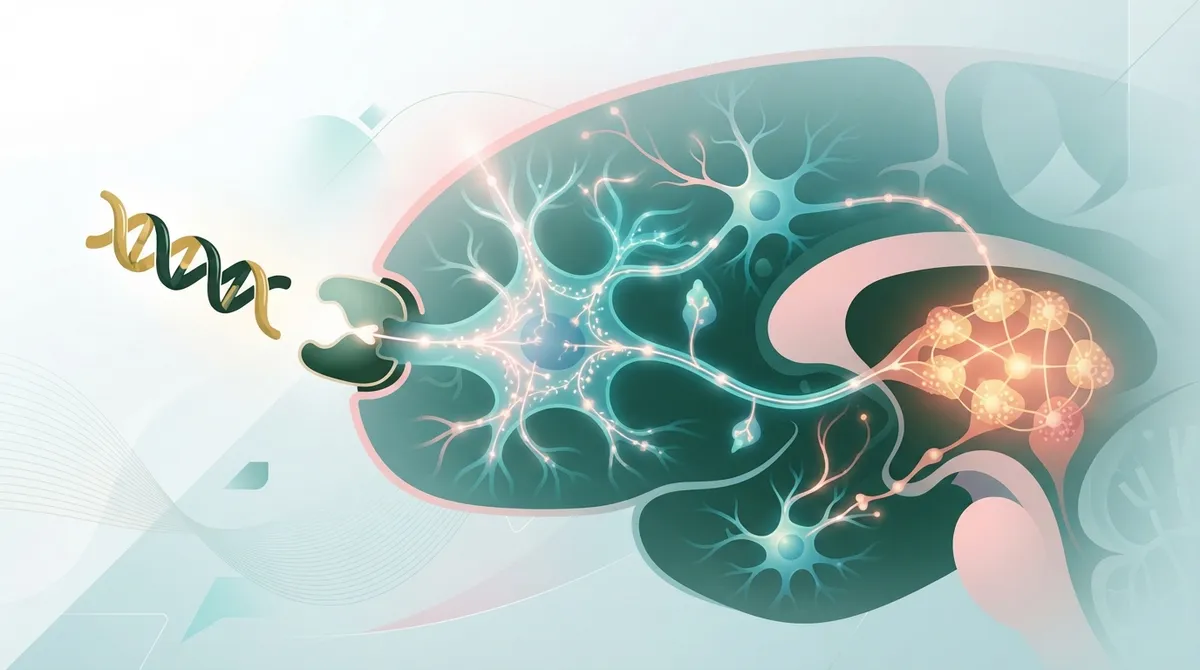
The strongest evidence points to one medicine: bremelanotide. It is a peptide-related drug that works on melanocortin receptors in the brain. These receptors play a role in desire and arousal. It is not a general peptide supplement, and it is not a broad “peptide protocol.”
If you want a refresher on the basics, our guide on peptide therapy science facts is a great place to start. You can also read the what are peptides overview from WebMD for a general primer.
What Is Bremelanotide (Vyleesi) and How Does It Work?
Bremelanotide was approved by the FDA in 2019 and is sold as Vyleesi. It is an injection you use as needed, not a daily pill. Most libido medicines work on hormones or blood flow. This one works on brain pathways tied to desire.
That brain-based action is what makes it different. Instead of changing hormone levels, it acts on melanocortin receptors in the central nervous system. Researchers believe this helps lift the “signal” for sexual interest.
The FDA-Approved Use
The FDA label is specific. Vyleesi is approved for premenopausal women with acquired, generalized HSDD. The low desire must cause marked distress or relationship strain. It also must not be mainly explained by another medical or psychiatric condition, relationship problems, or a medication or substance.
That is a narrow group. Vyleesi is not FDA-indicated for postmenopausal women or for men. This matters, because many online ads skip right over it.
How It Is Used
The approved dose is 1.75 mg injected under the skin of the abdomen or thigh. It is used as needed, at least 45 minutes before anticipated sexual activity. Here are the key rules from the label:
- Use no more than one dose in 24 hours.
- Use no more than eight doses per month.
- Stop after eight weeks if you see no improvement.
Always follow your prescriber’s directions and the official label. You can read the full FDA prescribing information for the complete details.
What Do the Clinical Trials Actually Show?
The best data come from two phase 3 studies called RECONNECT. These were randomized, double-blind, placebo-controlled trials. Women used the treatment as needed for 24 weeks. Both trials showed statistically significant gains over placebo.
Here is a quick look at the numbers from the integrated results:
| Outcome | Result vs. Placebo |
|---|---|
| Sexual desire score (placebo-adjusted change) | 0.35 points (P<.001) |
| Distress from low desire (placebo-adjusted reduction) | 0.33 points (P<.001) |
| Satisfying sexual events | About 25% vs. 9.8% with placebo (P<.001) |
These results are real, but they are modest. Think of them as a gentle lift, not a light switch. The trials also studied women with a specific diagnosis, so the results do not apply to every cause of low desire.
A 52-week open-label extension looked at longer use. Because it had no placebo group, it cannot give a clean long-term comparison. Still, it offered useful safety information. You can explore the published findings in this PubMed review of bremelanotide for HSDD.
Side Effects and Safety: What to Know First
Every treatment has trade-offs, and this one is no different. Nausea is the big one. In the phase 3 trials, about 40% of women on bremelanotide had nausea, compared with 1.3% on placebo. Flushing and headache were also more common.
| Side Effect | Rate in 52-Week Extension |
|---|---|
| Nausea | 40.4% |
| Flushing | 20.6% |
| Headache | 12.0% |
Other Important Risks
- Blood pressure: Temporary rises in blood pressure and drops in heart rate can happen.
- Heart conditions: The label says not to use it with uncontrolled high blood pressure or known cardiovascular disease.
- Skin darkening: Focal hyperpigmentation may occur, and it may not fade after you stop.
Because of these points, a proper medical review is a must. Please do not self-prescribe or guess at a dose.
Not All “Libido Peptides” Are the Same
This is where many women get tripped up. You may see ads for compounded or online-sold PT-141, which is another name for bremelanotide. You may also see other “libido peptides” with bold claims.
Here is the key point: the trial evidence and the FDA dosing apply to the approved product, Vyleesi. Compounded or unapproved versions may differ in quality, dosing, effectiveness, and safety. They should not be treated as equal to the approved medicine.
We cover this topic in more depth in FDA-approved vs. compounded peptides: what wins? and 4 compounded peptides facts you need in 2026. If cost is on your mind, see 7 PT-141 cost mistakes that waste your money in 2026.
Before You Try Anything: Look at the Whole Picture
Low desire is rarely about one thing. Good care starts by asking why. Many women find that treating the root cause does more than any single medicine.
Common contributors include:
- Pain during sex
- Menopause-related symptoms, such as hot flashes and vaginal dryness
- Depression or anxiety
- Chronic stress and poor sleep
- Relationship concerns
- Chronic illness
- Medication effects, including some antidepressants
This is why blood work and a full health history matter. Hormone shifts, thyroid issues, and nutrient gaps can all play a part. Our article 6 real treatments for low libido in women (2026) walks through many options beyond one injection. For hormone-focused readers, see how to rebuild low libido in women safely and 6 facts about menopause hormone imbalance in 2026.
Who Might Be a Good Candidate?
A woman may be a fit for bremelanotide conversations if she meets most of these points. A licensed provider must confirm each one.
- She is premenopausal.
- Her low desire is long-lasting and present in most situations.
- The low desire causes her real distress.
- Other causes, such as pain, mood issues, or medications, have been reviewed.
- She has no uncontrolled high blood pressure or known heart disease.
If you are postmenopausal, you still have options. They just look different. Hormone support and other tools may fit better, and your provider can walk you through them. A helpful starting point is 8 best hormone therapy peptides for women in 2026.
How Peptide Therapy Fits Into a Bigger Wellness Plan
Here is where personalized care shines. Libido is tied to energy, sleep, mood, hormones, and stress. When those areas are off, desire often follows. A thoughtful plan looks at all of them together.
Many of our readers are busy professionals, health optimizers, and midlife women who track their labs and want clear data. If that sounds like you, a blood-work-first approach can show what is really going on. You can learn more in how to find the right peptide for low libido and 8 peptide facts that redefine sexual wellness in 2026.
Allura Longevity offers personalized, medically supervised telehealth care. Your journey starts with a $50 virtual consultation and blood work through LabCorp. A licensed provider then builds a customized six-month plan, and treatments arrive at your door. Ashley, a board-certified Family Nurse Practitioner, leads the care team. We serve clients in Florida, Georgia, Texas, Connecticut, Indiana, Maryland, New York, and California.
Safe Steps to Take Before Starting
If you are curious, here is a simple path that keeps you safe and informed:
- Track your symptoms. Note when desire changes, and what else shifts at the same time.
- Share your full medication list. Some medicines lower desire.
- Get blood work. Hormones, thyroid, and nutrients tell part of the story.
- Check your blood pressure. This matters for safety.
- Talk with a licensed provider. Ask what is approved, what is compounded, and what the evidence supports.
For a broader safety checklist, read how to start peptide therapy safely and see real results and is peptide therapy safe? what you really need to know. The National Library of Medicine also hosts research on peptide-based therapies if you like to read the science yourself.
Set Realistic Expectations
Here is a little pep talk. Wanting more desire is a valid goal. You are not broken, and you are not alone. Many women go through low-desire seasons.
Still, no peptide is a guaranteed libido booster. The approved option helps some women in a modest way, and it comes with side effects. The best results usually come from a plan that treats the whole person: hormones, sleep, stress, relationships, and medical care working together.
Conclusion: Ask Smart Questions and Get Personal Support
So, can peptide therapy improve women’s libido? For certain premenopausal women with diagnosed HSDD, bremelanotide has real, if modest, evidence behind it. For other women, and for other “libido peptides,” the proof is thinner, and careful medical guidance becomes even more important.
The smartest move is to look at the full picture first. If you want a licensed team to review your labs, your goals, and your safety, we would love to help. Request a consultation with Allura Longevity, or call (813) 510-6277. We take a limited number of new clients each month, so reach out while spots are open.
FAQs
Q: Can peptide therapy improve women’s libido?
A: It can for some women. The best evidence is for bremelanotide (Vyleesi), which is FDA-approved for premenopausal women with acquired, generalized HSDD. Results are modest, and other “libido peptides” do not have the same level of proof.
Q: Is Vyleesi FDA-approved for postmenopausal women?
A: No. The FDA approval covers premenopausal women with acquired, generalized HSDD. It is not indicated for postmenopausal women or men, so your provider will talk through other options if that applies to you.
Q: How often can bremelanotide be used?
A: The label dose is 1.75 mg injected under the skin at least 45 minutes before sexual activity. Use no more than one dose in 24 hours and no more than eight doses per month. Stop after eight weeks if you see no improvement.
Q: What are the side effects of Vyleesi or PT-141?
A: Nausea is the most common, affecting about 40% of users in trials. Flushing and headache are also common. Blood pressure can rise for a short time, and skin darkening may occur and may not fade after stopping.
Q: Is compounded PT-141 as safe or effective as Vyleesi?
A: Not necessarily. The trial data and FDA dosing apply to the approved product. Compounded or online-sold versions may vary in quality, dose, and safety, so work with a licensed provider who can explain the differences.





