

Key Takeaways
-
Bioidentical hormones are defined by molecular structure, not manufacturing method—many are lab-made from plant compounds, so 'bioidentical' and 'synthetic' aren't opposites and can describe the same product.
-
Major medical organizations (ACOG, Endocrine Society) lack sufficient rigorous evidence that compounded bioidentical hormones are safer or more effective than FDA-approved alternatives, relying mostly on anecdotes rather than controlled trials.
-
FDA-approved vs. compounded status matters more for safety and consistency than the bioidentical label alone—FDA-approved products undergo regulatory review while compounded formulations have less oversight and quality variability.
-
Peptides are distinct from hormones and work through different mechanisms; they don't automatically replace hormone therapy but can be combined under medical supervision for personalized treatment plans.
-
Before starting any hormone or peptide therapy, request comprehensive blood work, confirm FDA-approval status, ask for evidence supporting your specific goal, and ensure a licensed provider monitors your progress with regular labs.
-
Trustworthy providers require blood work before treatment, clearly explain regulatory status, avoid unsupported 'miracle cure' claims, and adjust plans based on ongoing results rather than marketing buzzwords.
If you’ve spent any time researching hormone or peptide therapy, you’ve probably run into the phrase “bioidentical vs. synthetic.” It sounds simple, right? One must be the “natural” good guy and the other the “lab-made” bad guy. But here’s the friendly truth: this comparison is way more nuanced than most wellness blogs let on. And if you’re exploring peptide therapy alongside hormone support, understanding this distinction actually matters for your health, your wallet, and your peace of mind.
At Allura Longevity, we talk to clients every week who are confused by marketing claims about “bioidentical” products being automatically safer or more effective. We get it. The wellness world loves a good buzzword. But real science asks better questions than “natural or synthetic?” It asks: Is this regulated? Is it proven? Is it right for your body?
In this guide, we’ll break down what bioidentical and synthetic actually mean, how peptide therapy fits into this picture, and what questions you should ask before starting any treatment. Let’s clear up the confusion together, one simple explanation at a time.
What Does “Bioidentical” Actually Mean?
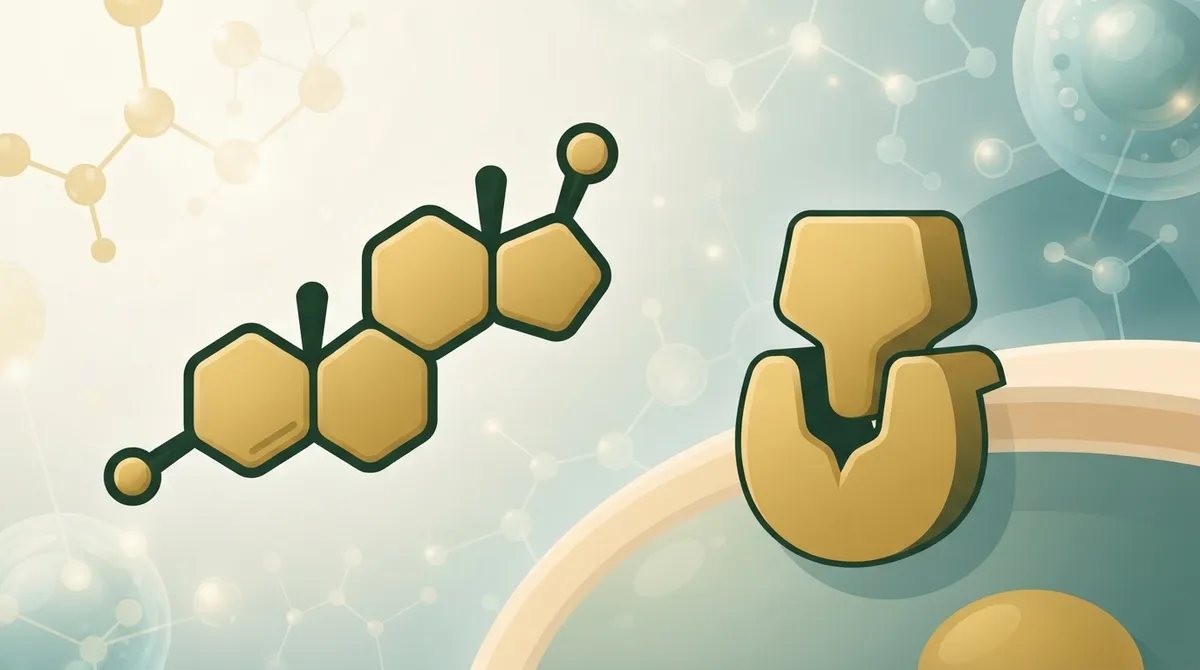
Let’s start with the basics. A bioidentical hormone has the exact same chemical structure as the hormone your body naturally makes. Your body can’t tell the difference between its own hormone and a bioidentical one made in a lab.
That’s it. That’s the whole definition. It’s about molecular structure, not about how “natural” or unprocessed something is. Many bioidentical hormones are actually made in laboratories, often starting from plant compounds that get chemically converted.
Why This Surprises Most People
Here’s the twist: being lab-made doesn’t disqualify something from being bioidentical. In fact, most bioidentical hormones are synthetic in the sense that they’re manufactured, not harvested from a human or animal source. This is exactly why the phrase “bioidentical vs. synthetic” can be misleading.
- Bioidentical describes molecular structure, not manufacturing method
- Synthetic describes how something is made, not whether it matches human biology
- A hormone can be both synthetic AND bioidentical at the same time
- Some synthetic hormones are structurally different from what your body produces
- Marketing terms like “natural” don’t have strict medical definitions

What Does “Synthetic” Really Mean?
Synthetic simply means something was created through a chemical or laboratory process rather than being extracted whole from a natural source. That’s a broad category. It includes hormones that are structurally identical to your own (bioidentical) and hormones that are structurally different.
Traditional hormone medications, like certain older birth control formulations, use synthetic hormones that are not bioidentical. Meanwhile, many FDA-approved bioidentical products, like certain estradiol patches or micronized progesterone capsules, are also synthetic in origin. Confusing? A little. But once you see it laid out, it makes sense.
The Real Comparison That Matters
Instead of asking “bioidentical or synthetic,” the more useful question is: Is this product FDA-approved, or is it compounded? This distinction has far more impact on safety, consistency, and evidence than the bioidentical label alone.
| Category | Regulatory Status | Structure | Example |
|---|---|---|---|
| FDA-Approved Synthetic Hormones | Reviewed and regulated | May differ from human hormones | Certain older HRT formulations |
| FDA-Approved Bioidentical Hormones | Reviewed and regulated | Identical to human hormones | Estradiol patches, micronized progesterone |
| Compounded Bioidentical Hormones (cBHT) | Not FDA pre-approved | Identical to human hormones | Custom pellets, creams, troches |
Are Bioidentical Hormones Actually Safer?
This is the million-dollar question, and the honest answer might surprise you. Major medical groups, including the Endocrine Society and the American College of Obstetricians and Gynecologists (ACOG), have reviewed the evidence carefully. Their conclusion? There isn’t enough high-quality proof that compounded bioidentical hormones are safer or more effective than FDA-approved options.
A 2020 review by the National Academies of Sciences, Engineering, and Medicine, commissioned by the FDA, found that support for compounded bioidentical hormone therapy relied mostly on anecdotes and patient testimonials rather than rigorous controlled studies. That doesn’t mean these treatments never help. It means we simply don’t have strong research proving consistent safety and effectiveness.
What the Research Actually Shows
- No comprehensive clinical trial has confirmed the safety or effectiveness of compounded bioidentical hormone therapy for symptom relief
- Researchers could not find enough studies to determine how compounded formulations affect breast or endometrial cancer risk
- ACOG advises against routinely prescribing compounded bioidentical menopausal hormone therapy when an FDA-approved option already exists
- Compounded hormone pellets have shown inconsistent or unexpectedly high blood levels in some cases
- The Endocrine Society has noted reports of adverse events, including endometrial complications, linked to quality variability in compounded products
This doesn’t mean compounded treatments are automatically dangerous. It means they carry different regulatory oversight, and that gap deserves your attention. If you want a deeper dive into how these categories compare, this guide on FDA-approved vs. compounded peptides breaks it down further.
Where Peptide Therapy Fits Into This Conversation
Here’s where things get interesting for our community at Allura Longevity. Peptide therapy is not the same thing as hormone replacement therapy, even though people often lump them together. Peptides are short chains of amino acids that act like tiny messengers in your body, according to what are peptides resources from trusted medical sources.
Some peptides influence hormone secretion. Others work directly on cell receptors to support healing, metabolism, or growth hormone activity. A peptide is not automatically a hormone, and it’s definitely not automatically “bioidentical” or “natural” just because it comes from an amino acid sequence found in the body.
How Peptides Are Made
Most therapeutic peptides used today, including those offered through personalized plans at Allura Longevity, are manufactured either synthetically or through recombinant biotechnology, a process that uses living cells to produce specific proteins. This manufacturing method doesn’t determine whether a peptide is bioidentical to something naturally found in your body.
- Some peptides mimic sequences your body already produces
- Others are modified versions designed for improved stability or absorption
- Manufacturing method (synthetic vs. recombinant) is separate from structural identity
- What matters clinically is the peptide’s exact sequence, target, and dose
- Regulatory status and manufacturing quality affect safety more than labels do
If you’re curious how peptides work at a foundational level, this resource on 8 Facts That Explain What Are Peptides in 2026 offers a helpful starting point.
Can Peptide Therapy Replace Bioidentical Hormone Therapy?
Short answer: not universally, and not automatically. Peptides and hormones can work together, but they’re not interchangeable tools. Some peptides, like those that stimulate natural growth hormone release, can support the body’s own hormone production. Others target completely different pathways, like tissue repair, gut health, or metabolic function.
This is why a personalized approach matters so much. A licensed provider needs to look at your blood work, your symptoms, and your goals before recommending peptides, hormones, or a combination of both. If you want to understand how these two approaches stack up side by side, check out this comparison of bioidentical hormones vs. peptides.
Common Reasons People Explore Both Options
- Declining energy, sleep quality, or mental clarity with age
- Slower metabolism or difficulty losing weight despite diet and exercise
- Reduced muscle recovery after workouts or injuries
- Low libido or other signs of sexual wellness changes
- General interest in longevity and healthy aging support
Many clients start with hormone-focused goals and discover that certain peptides support similar outcomes with a different mechanism. Others combine both under medical supervision for a more complete plan. This guide on how hormone therapy works with peptides explains the synergy in more detail.
Questions to Ask Before Starting Any Treatment
Whether you’re considering hormone therapy, peptide therapy, or both, a little homework goes a long way. Here’s a simple checklist to bring to your next consultation.
| Question | Why It Matters |
|---|---|
| Is this product FDA-approved or compounded? | Determines regulatory oversight and quality standards |
| What is the exact dose and formulation? | Dosing consistency affects safety and results |
| What evidence supports this for my specific goal? | Helps separate proven treatments from marketing claims |
| What are the risks based on my health history? | Personal risk factors change the safety picture |
| Who is monitoring my progress and labs? | Ongoing supervision catches problems early |
Steps for a Safe, Informed Start
- Get comprehensive blood work done before starting any treatment
- Discuss your full health history with a licensed provider
- Ask whether recommended products are FDA-approved or compounded
- Clarify how progress will be tracked and adjusted over time
- Confirm you understand potential side effects and risks
- Set realistic expectations based on real evidence, not marketing hype
This process is exactly why Allura Longevity starts every client relationship with a $50 virtual consultation and LabCorp blood work. It’s not about upselling you on trendy treatments. It’s about building a plan based on your actual biology. Learn more about the process in this guide on how to start peptide therapy safely and see real results.
Why Individualized Care Beats One-Size-Fits-All Labels
Here’s the heart of this whole conversation: labels like “bioidentical” and “synthetic” don’t tell the whole story. What actually matters is whether a treatment is backed by evidence, manufactured under quality standards, and matched to your unique body chemistry.
According to research published by the National Library of Medicine, hormone and peptide treatment decisions should always factor in dose, formulation, delivery method, and individual patient history rather than relying on broad category labels alone.
What Makes a Trustworthy Provider
- Requires blood work before recommending any treatment
- Explains the regulatory status of products clearly
- Adjusts your plan based on ongoing results, not guesswork
- Uses licensed, board-certified medical professionals
- Avoids making unsupported “miracle cure” claims
This is exactly the standard our team follows. Licensed providers, led by board-certified Family Nurse Practitioner Ashley, review your labs and health goals to build a six-month plan tailored specifically to you, delivered right to your door.
Bringing It All Together
So, bioidentical vs. synthetic? The real answer is that it’s not a fair fight, because they’re not true opposites. What matters far more is whether your treatment, hormone or peptide, is backed by solid evidence, proper regulation, and a provider who actually knows your health story.
Whether you’re exploring peptide therapy for energy, recovery, weight management, or overall vitality, the smartest move is skipping the marketing buzzwords and going straight to personalized, medically guided care. That’s the whole philosophy behind Allura Longevity’s telehealth model, serving clients across Florida, Georgia, Texas, Connecticut, Indiana, Maryland, New York, and California.
Ready to get real answers instead of guesswork? Request a consultation today and let our licensed providers build a plan based on your actual blood work and goals. Spots are limited each month, so don’t wait to start feeling like yourself again. You can also call us directly at (813) 510-6277 with any questions.
FAQs
Q: What is the difference between bioidentical and synthetic hormones?
A: Bioidentical means a hormone has the exact same molecular structure as what your body naturally makes. Synthetic just means it was made in a lab, which can include both bioidentical and non-bioidentical hormones. So these two words aren’t really opposites, even though they’re often used that way!
Q: Are bioidentical hormones actually safer than synthetic hormones?
A: Not necessarily, and this surprises a lot of people. Major medical groups like the Endocrine Society and ACOG say there isn’t strong evidence that compounded bioidentical hormones are safer or more effective than FDA-approved options. Safety really depends on regulation, dose, and your personal health history.
Q: Can peptide therapy replace bioidentical hormone therapy?
A: Not universally, but they can absolutely work together in the right plan. Peptides act as signaling molecules, and some support your body’s natural hormone production, while others target totally different goals like recovery or metabolism. A provider can help you figure out what combination fits your unique needs.
Q: Are all bioidentical hormones compounded or unregulated?
A: Nope, that’s a common myth! Some bioidentical hormones, like certain estradiol and micronized progesterone products, are FDA-approved and manufactured under strict quality standards. Compounded bioidentical hormones are a separate category with less regulatory oversight.
Q: What should I ask a provider before starting hormone or peptide therapy?
A: Great question to bring to any consultation! Ask whether the product is FDA-approved or compounded, what evidence supports it for your specific goal, and how your progress will be monitored. A trustworthy provider will happily walk you through all of this before you start.





