
Key Takeaways
-
Dull skin is a symptom with many causes, like dryness, dead surface cells, sun damage, irritation, and lifestyle factors, so identify your cause before choosing a treatment.
-
"Peptide" covers topical serums, oral collagen supplements, and prescription injections, each with very different evidence; know which one you're considering.
-
Oral collagen peptides showed a statistically significant brightness gain in a meta-analysis of 19 trials, though elasticity showed no meaningful change.
-
Topical peptides have limited evidence for dullness; daily sunscreen, moisturizing, and retinoids have stronger support and should come first in your routine.
-
Injectable peptide therapy is not an established treatment for dull skin, so be wary of anyone promising glowing skin from an injection.
-
Allow 8 to 12 weeks of consistent use before judging a topical peptide product, and take a before photo in the same lighting to track real changes.
If your skin looks tired, flat, or just a little gray lately, you are definitely not alone. Dull skin is one of the most common complaints people bring up as they hit their 30s, 40s, and beyond. And with peptides all over social media, it is natural to wonder if a peptide treatment for dull skin could be the answer.
Here is the honest, friendly truth: the answer is “maybe, in some forms, with modest expectations.” Peptides are a hot topic, but they are not a magic glow switch. The word “peptide” covers a lot of ground, from face serums to collagen powders to prescription injections. Each one works differently and has very different evidence behind it.
In this guide, we will walk through six key facts so you can make smart choices in 2026. We will keep it simple, skip the hype, and help you figure out what is worth your time and money. If you are new to the topic, our guide on 8 Facts That Explain What Are Peptides in 2026 is a great starting point.

Fact 1: Dull Skin Is a Look, Not a Diagnosis
Before we talk peptides, let us talk about what “dull” even means. Dull skin is a general appearance concern. It is not a medical condition on its own. That matters because the fix depends on the cause.
Common reasons skin looks dull include:
- Dryness: A dehydrated skin surface scatters light and looks flat.
- Built-up surface cells: Dead cells can pile up and make skin look rough.
- Sun damage: Years of UV exposure can lead to uneven tone and lost radiance.
- Irritation or inflammation: A stressed skin barrier often looks tired.
- Lifestyle factors: Poor sleep, stress, and smoking can all play a role.
Think of it like a dirty window. You would not buy a fancy new curtain if the glass just needed cleaning. In the same way, figuring out the cause of your dullness helps you pick the right tool. If something seems off or changes suddenly, check in with a healthcare provider.
Fact 2: “Peptide” Means Three Very Different Things
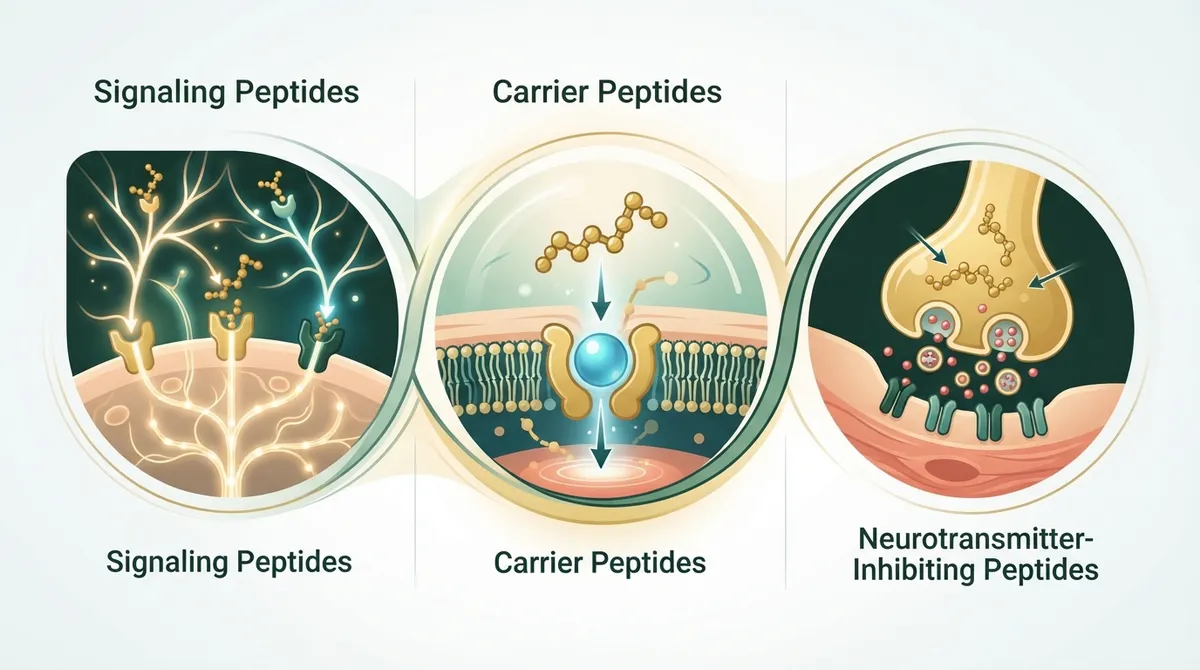
This is where most of the confusion starts. When people say “peptide treatment,” they could mean any of three routes. They are not interchangeable.
| Type | How You Use It | What the Evidence Looks Like | Regulatory Status |
|---|---|---|---|
| Topical peptide serums and creams | Applied to the skin | Limited but growing; some signal and carrier peptides show promise | Cosmetics; not FDA-approved to treat dullness |
| Oral collagen peptides | Powder, capsule, or drink | Some trials show modest hydration and brightness gains | Dietary supplements |
| Injectable peptide therapy | Prescribed injections | Not an established cosmetic treatment for dull skin | Varies by product; some are compounded |
Peptides are simply short chains of amino acids, the building blocks of proteins. You can read more in this plain-language explainer on what are peptides. But “short chains of amino acids” describes everything from a $20 serum to a prescription drug. So the first smart move is knowing which type you are actually talking about.
Fact 3: Topical Peptides May Help, But Evidence Is Limited
Topical peptides are the ones most people picture when they think about a peptide treatment for dull skin. They show up in serums, moisturizers, and eye creams. The idea is that certain peptides can send signals to skin cells, supporting repair and collagen-related processes.
Some dermatology commentary describes signal peptides and carrier peptides, including copper peptides, as topical categories with some clinical support. That sounds encouraging. But here is the important caveat: the overall evidence remains limited, especially when compared with proven basics like daily sunscreen and retinoids.
A few things to keep in mind:
- Results depend on the specific peptide, not just the word “peptide” on the label.
- The formula and delivery matter a lot. A peptide that cannot reach the right skin layer will not do much.
- Topical peptide products are cosmetics, not FDA-approved drugs for treating dull skin.
- In the United States, cosmetics generally are not approved by the FDA before they hit shelves.
So topical peptides can be a nice supporting player. Just do not expect them to replace the heavy hitters in your routine.
Fact 4: Oral Collagen Peptides Show Modest Brightness Gains
Oral collagen peptides are a different animal. You swallow them, and they are not the same as the peptides in your face serum. This is the route with the most human trial data when it comes to skin glow.
A systematic review and meta-analysis pulled together 19 randomized controlled trials with 1,341 participants. The studies ran from 2001 to 2024 and lasted between 4 and 12 weeks. Here is what the numbers showed:
| Finding | What It Means |
|---|---|
| 17 of 19 trials studied oral products | Only 2 looked at topical formulas, so topical conclusions are limited |
| Skin brightness improved (mean difference 2.40; p ≤ 0.01) | A statistically significant gain, but it blends results across peptide types |
| Elasticity change was minimal (mean difference 0.09; p = 0.15) | No meaningful improvement in elasticity was found |
| High heterogeneity (I² around 100%) | Studies differed widely, so results are hard to generalize |
| No severe adverse events; mild stomach upset reported | Generally well tolerated in the studied products |
The takeaway? Oral collagen peptides may offer a small boost in brightness and hydration. But because most trials studied oral products, these results do not prove that topical peptides or injectable peptide therapy treat dullness. The review is published on the National Library of Medicine database if you want to dig into the details yourself.
Fact 5: Injectable Peptides Are Not a Proven Dull Skin Fix
Let us be clear and kind about this one. Injectable or systemic peptide therapy is not an established treatment for dull skin. Many wellness-marketed injectable peptides have limited human evidence, and unapproved products can carry uncertain safety, quality, and effectiveness.
That does not mean peptide therapy has no place in a wellness plan. Peptides can be part of thoughtful, medically supervised care for goals like recovery, metabolism, sleep, and overall vitality. It just means we should not promise that an injection will fix a dull complexion. Anyone who guarantees glowing skin from a shot is overpromising.
If you are curious about where peptide therapy fits, these reads can help you think it through:
- Is Peptide Therapy Safe? What You Really Need to Know
- FDA-Approved vs. Compounded Peptides: What Wins?
- What Peptides Do for Skin: A Real-World Guide for 2026
Honest, evidence-based guidance is what keeps you safe and your wallet happy. That is true whether you are a health optimizer tracking every metric or a busy professional who just wants clear answers.
Fact 6: Basics Beat Buzzwords for Brighter Skin
Here is the part many people skip, and it is the most powerful. The strongest tools for dull-looking skin are not exotic. Sun protection and managing dryness sit at the center of any real glow-up.
Here is a simple, step-by-step routine that works for most people:
- Wear sunscreen every day. Daily broad-spectrum SPF protects against the sun damage that causes lasting dullness.
- Moisturize consistently. Hydrated skin reflects light better and looks smoother.
- Gently exfoliate. Mild exfoliation helps clear built-up surface cells. Do not overdo it.
- Consider a retinoid. Retinoids have stronger evidence than most cosmetic peptides for uneven-looking skin. Ask a clinician if one is right for you.
- Add a peptide product if you like. A well-made topical peptide can complement the steps above.
- Support your body. Sleep, hydration, balanced nutrition, and stress management all show up on your face.
Notice peptides come in at step five, not step one. That is the honest order of operations.
Ingredients With Stronger Evidence vs. Peptides
| Ingredient or Habit | Role for Dull Skin | Evidence Strength |
|---|---|---|
| Daily sunscreen | Prevents further damage and uneven tone | Strong |
| Retinoids | Support cell turnover and smoother texture | Strong |
| Moisturizers | Restore hydration and barrier function | Strong |
| Oral collagen peptides | May modestly improve brightness and hydration | Moderate to limited |
| Topical peptides | May support skin signaling and repair | Limited |
| Injectable peptides | Not established for dullness | Very limited |
How Long Might It Take to See a Change?
Patience is your friend here. The trials we mentioned ran 4 to 12 weeks, so that is a reasonable window to judge oral collagen products. For topical peptide serums, many people give a product around 8 to 12 weeks of consistent use before deciding if it is helping. Skin renews itself slowly, so quick fixes are rare.
Take a clear photo in the same lighting before you start. It is much easier to notice small changes when you can compare side by side.
Staying Safe With Peptide Skincare
A topical product can cause irritation or allergy, and that is often tied to the overall formula rather than the peptide itself. A little caution goes a long way.
- Introduce one new product at a time so you can spot any reaction.
- Follow the label directions.
- Patch test on a small area first, especially if you have sensitive skin.
- Stop and seek medical advice for persistent irritation, sudden skin changes, or a suspected skin condition.
And if you are considering any prescription peptide, work with licensed providers who order labs and monitor your progress. Our guide to How to Get Prescription Peptides Safely in 2026 walks through what that looks like.
Where Personalized Peptide Therapy Fits In
While peptides are not a proven cure for dull skin, a whole-body approach can still support how you look and feel. Better sleep, steadier energy, and good recovery all show up in your skin over time. This is where personalized care can help.
Allura Longevity offers telehealth peptide therapy built around your own blood work and goals. You start with a virtual consultation, complete labs through LabCorp, and a licensed provider designs a plan for you. Treatments are delivered right to your home, with ongoing monitoring and adjustments. It is a convenient fit for busy professionals, biohackers, and anyone who wants data-driven care instead of guesswork. You can learn more about peptides for women or explore peptides for men to see how it works.
Your Next Step Toward a Healthier Glow
Here is the quick recap. Dull skin has many causes, so start by finding yours. Topical peptides may be a helpful extra, oral collagen peptides show modest gains in trials, and injectable peptides are not an established fix for dullness. The real foundation is sun protection, moisture, and smart habits.
If you want guidance from licensed providers who will give you honest, personalized advice, we would love to help. Request a consultation with Allura Longevity today. We offer telehealth care across Florida, Georgia, Texas, Connecticut, Indiana, Maryland, New York, and California, and spots for new clients are limited each month. Call us at (813) 510-6277 to get started.
FAQs
Q: Can peptides help with dull skin?
A: They might, depending on the type. Oral collagen peptides showed modest gains in skin brightness in some trials, and certain topical peptides have limited support. Injectable peptide therapy is not an established treatment for dull skin, so it is best to keep expectations realistic.
Q: Are copper peptides effective for dull skin?
A: Copper peptides are one of the topical categories that dermatology commentary mentions as having some clinical support. Still, the overall evidence is limited, so they work best as a supporting step alongside sunscreen and moisturizer rather than a stand-alone fix.
Q: What is the difference between topical peptides, collagen supplements, and injectable peptide therapy?
A: Topical peptides are cosmetic products you apply to your skin. Collagen supplements are oral products you swallow, and they have the most trial data for brightness. Injectable peptide therapy involves prescribed injections and is not proven for cosmetic skin concerns like dullness.
Q: How long does it take to notice a change from a peptide skincare product?
A: Most studies ran between 4 and 12 weeks, so plan on giving a product at least that long. Skin renews slowly, so consistency matters more than speed. Snapping a before photo in the same lighting makes progress easier to spot.
Q: Are peptide skincare products safe for sensitive skin?
A: Many people tolerate them well, but irritation or allergy can happen, often from other ingredients in the formula. Introduce one new product at a time, patch test first, and check in with a medical provider if irritation sticks around.





