
Key Takeaways
-
PT-141 (bremelanotide, sold as Vyleesi) is FDA-approved only for acquired, generalized low desire with distress in premenopausal women, not as a general libido booster for men or women.
-
Trials showed a modest benefit on desire and distress versus placebo, but did not show a significant increase in satisfying sexual events, so claims of reliably boosting sex are overstated.
-
Testosterone therapy helps mainly when blood work confirms truly low levels alongside matching symptoms; many people with low desire have normal testosterone.
-
Unapproved online 'research' PT-141 products have been flagged by the FDA, and their identity, sterility, and potency may be uncertain.
-
Bremelanotide can cause nausea, flushing, and headache, and briefly raises blood pressure, so it is contraindicated with uncontrolled hypertension or known cardiovascular disease.
-
Sleep problems, stress, depression, thyroid issues, and certain medications are common causes of low desire, and treating the root cause often restores drive without any peptide.
Let’s be honest: low desire is one of those topics many of us whisper about, if we talk about it at all. If your drive has gone quiet, you’re far from alone, and you deserve real answers instead of internet hype.
Here’s where things get tricky. The phrase “libido optimization peptide therapy” gets tossed around a lot online, but it isn’t an official medical treatment category. It’s a marketing phrase. Behind it sits one well-known peptide, PT-141 (bremelanotide), and a very different option many people also consider: testosterone-based hormone therapy.
So which one fits you? That depends on your body, your labs, your health history, and the real cause of your low desire. In this friendly guide, we’ll compare the two, explain what the research actually says, and show you how to approach this safely. Whether you’re a health optimizer, a busy professional, or someone who simply wants to feel like yourself again, you’ll walk away with a clearer plan. For a broader foundation, our guide on 8 Facts That Explain What Are Peptides in 2026 is a great place to start.

What “Libido Optimization Peptide Therapy” Really Means
When people search for libido optimization peptide therapy, they usually want a safe, medical way to bring desire back. That’s a fair goal. But it helps to know what the phrase covers and what it doesn’t.
No standardized protocol exists under that name. Low desire can come from many places, including hormone shifts, stress, poor sleep, medications, mood changes, and relationship strain. A good clinician looks for the cause first instead of reaching for a peptide by default.
The best-studied peptide in this space is bremelanotide, also called PT-141. According to National Library of Medicine resources on peptides, these short chains of amino acids act as signals in the body. PT-141 works on melanocortin receptors in the brain, which are tied to sexual desire. That’s different from how most erectile medications work, which focus on blood flow.
If you want a plain-language primer, this overview of what are peptides explains the basics well.
PT-141 vs. Testosterone: The Quick Comparison
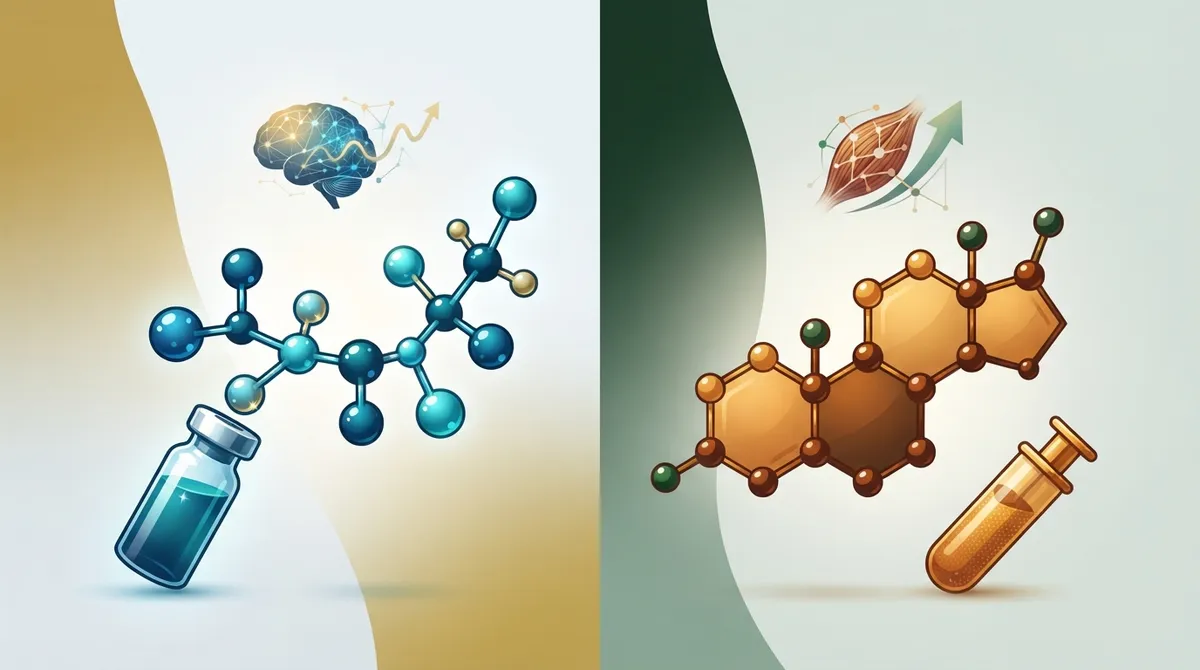
These two options get lumped together, but they work in very different ways. Here’s a side-by-side look.
| Feature | PT-141 (Bremelanotide) | Testosterone Therapy |
|---|---|---|
| How it works | Acts on brain melanocortin receptors tied to desire | Replaces or supports a hormone that influences drive |
| Type of treatment | Peptide, injected as needed | Hormone, given on an ongoing schedule |
| FDA-approved use | Acquired, generalized HSDD in premenopausal women (as Vyleesi) | Confirmed low testosterone in men with symptoms |
| Best fit | Specific desire disorder with distress | Documented low levels plus symptoms |
| Needs labs? | Health screening, including blood pressure | Yes, blood work is essential |
| Common side effects | Nausea, flushing, headache | Varies by form; requires monitoring |
The key takeaway? They’re not interchangeable. One targets a brain pathway. The other addresses a hormone level. The right pick depends on what’s actually driving your symptoms.
Understanding PT-141 (Bremelanotide)
What the FDA Has and Hasn’t Approved
Bremelanotide is sold in the United States as the prescription product Vyleesi. The FDA approved it in 2019, but only for a narrow group: premenopausal women with acquired, generalized hypoactive sexual desire disorder (HSDD). That means low desire that causes distress and isn’t mainly explained by another medical or psychiatric condition, relationship problems, or a medication.
It is not approved as a general libido booster. It is also not approved for postmenopausal women, for men, or for erectile dysfunction. Research in those groups exists, but it’s considered investigational, not established treatment.
What the Research Shows
In the pivotal phase 3 trials, bremelanotide beat placebo on the two main goals: sexual desire and distress about low desire. A 2022 review reported integrated between-group changes of roughly +0.35 for desire and −0.33 for distress, and both were statistically significant.
Here’s the part that often gets left out. Those trials did not show a significant increase in satisfying sexual events compared with placebo. So claims that PT-141 reliably increases sexual activity go further than the evidence. It’s a modest benefit, and it helps some people more than others.
Side Effects and Safety
The most common side effects are nausea, flushing, and headache. Nausea can be strong enough that some people stop. In trials, about 8.1% of participants discontinued because of it, as summarized in a 2026 clinical review.
There’s also a heart-related note worth taking seriously. Each dose can cause a short rise in blood pressure and a drop in heart rate, usually settling within 12 hours. It is contraindicated in people with uncontrolled high blood pressure or known cardiovascular disease. That’s why a clinician should always screen your heart health first.
Curious about the male side of the story? Our article on PT-141 vs. Viagra: Which Wins for Men’s Sexual Health? breaks it down, and 9 Intimate Wellness Facts About PT-141 in 2026 adds more detail.
Understanding Testosterone for Libido
Testosterone plays a role in desire for both men and women, though the doses and goals differ. When levels are truly low, restoring them can help energy, mood, and drive.
The important word is truly. Testosterone therapy isn’t a quick libido fix for everyone. Many people with low desire have normal testosterone, and adding more won’t solve the problem. That’s why blood work comes first.
If you’re a man wondering about low levels, take a look at What Are Low Testosterone Symptoms in Men Really? and Why Won’t TRT Fix Low Libido on Its Own? For a side-by-side with peptides, see Testosterone vs. Peptides for Women: Which Wins? and TRT vs. Peptides: Which Hormone Fix Wins for Men?
Who Might Benefit From Each Option?
Think of this as a starting guide, not a diagnosis. Your clinician makes the final call.
- PT-141 may fit: premenopausal women with acquired, generalized low desire that causes real distress and has no other clear medical, psychiatric, relationship, or medication cause.
- Testosterone may fit: adults with confirmed low testosterone on lab work plus matching symptoms, such as low drive, fatigue, and mood changes.
- Neither may be the answer: people whose low desire stems from sleep problems, stress, depression, thyroid issues, or a medication side effect.
That last group is bigger than most people expect. Treating the root cause often brings desire back without any peptide at all. If you’re a woman exploring options, 6 Real Treatments for Low Libido in Women (2026) covers the wider picture.
What a Clinician Should Check First
Before any treatment, a thoughtful provider works through a short list. Here’s what a solid evaluation looks like.
- Review your health history. This includes cardiovascular risk, blood pressure, and any chronic conditions.
- Check your medications. Antidepressants, blood pressure drugs, and others can quietly lower desire.
- Order blood work. Hormones, thyroid, blood sugar, and key nutrients tell a lot of the story.
- Screen mood and stress. Anxiety, depression, and burnout often show up as low drive.
- Talk through relationship and life factors. Desire doesn’t live in a vacuum.
- Choose a plan and set follow-ups. Good care includes monitoring and adjustments.
For biohackers who love data, this is your moment to shine. Our guide on 5 Blood Work Analysis Steps Before Peptides in 2026 shows what to look at and why.
FDA-Approved vs. “Research” PT-141: A Critical Difference
This is the safety point we’d love every reader to remember. Products sold online as “research PT-141” or unapproved injectable bremelanotide are not the same as FDA-approved Vyleesi.
FDA warning letters have identified marketed PT-141 products as unapproved new drugs. They warn that unapproved injectables can carry serious risks, and that product identity, sterility, potency, and quality may be uncertain. In plain terms: you may not know what’s in the vial.
| Factor | FDA-Approved Product | Online “Research” Product |
|---|---|---|
| Prescription required | Yes | Often no |
| Verified identity and potency | Yes | Uncertain |
| Sterility standards | Regulated manufacturing | Unknown |
| Clinician screening | Built in | Usually none |
| Regulatory status | Approved for a defined use | Flagged as unapproved by the FDA |
Want to understand the difference between approved and compounded options? Read FDA-Approved vs. Compounded Peptides: What Wins? and How to Get Prescription Peptides Safely in 2026.
Telehealth Makes Safe Care Easier for Busy People
Between work, family, and everything else, getting care shouldn’t feel like another full-time job. That’s where telehealth helps. You can complete a virtual visit, get blood work through a local lab, and talk with a licensed provider without rearranging your week.
Allura Longevity offers personalized, medically supervised peptide therapy through telehealth. Clients start with a $50 virtual consultation and complete blood work through LabCorp. Then they receive a customized six-month plan, with ongoing monitoring and adjustments from licensed providers, led by Ashley, a board-certified Family Nurse Practitioner. Allura is licensed in Florida, Georgia, Texas, Connecticut, Indiana, Maryland, New York, and California.
If you’re weighing your options, Local Clinic vs. Telehealth: Best Peptide Therapy Near You? and How to Start Peptide Therapy Safely and See Real Results can help you decide.
Smart Steps to Support Desire Alongside Treatment
Treatment works best when your daily habits cooperate. A few simple moves can help, whichever route you take.
- Protect your sleep. Poor rest is a top desire killer.
- Move your body. Strength training and cardio support hormones and mood.
- Manage stress. Chronic stress keeps your body in survival mode, not romance mode.
- Review medications. Ask your provider if anything you take could be dimming desire.
- Keep talking. Open conversations with a partner often matter as much as any prescription.
You’re doing something brave by asking these questions. Give yourself some credit.
So, Which Fits You?
Here’s the honest summary. PT-141 is a real, FDA-approved option, but only for a narrow group: premenopausal women with acquired, generalized HSDD. Testosterone helps when labs confirm low levels and symptoms match. For many people, neither is the first step. A careful evaluation comes first.
The best path is personal, lab-guided, and supervised by a licensed provider. Limited spots are available for new Allura Longevity clients each month, so if you’re ready for clear answers, request a consultation today or call (813) 510-6277. Our team will help you figure out what’s behind your low desire and build a plan that fits your body and your life. You can also explore our offerings for peptides for women and peptides for men.
FAQs
Q: What is PT-141 (bremelanotide), and how does it affect sexual desire?
A: PT-141, also called bremelanotide, is a peptide that acts on melanocortin receptors in the brain linked to sexual desire. That’s different from medications that mainly boost blood flow. It’s sold as the prescription product Vyleesi, and your clinician decides whether it’s right for you.
Q: Is peptide therapy for libido FDA-approved?
A: Only partly. The FDA approved bremelanotide (Vyleesi) in 2019 for acquired, generalized HSDD in premenopausal women. Use as a general libido booster, in men, or for erectile dysfunction is not an approved indication, and those uses are considered investigational.
Q: What are the side effects and heart risks of bremelanotide?
A: The most common side effects are nausea, flushing, and headache, and nausea leads some people to stop treatment. Each dose can also briefly raise blood pressure and lower heart rate, so it’s not for people with uncontrolled high blood pressure or known cardiovascular disease.
Q: Are online or compounded PT-141 products safe and legal?
A: Not the same as the approved product. FDA warning letters identify marketed “research PT-141” products as unapproved new drugs, and their identity, sterility, and potency may be uncertain. A licensed provider and a regulated pharmacy are the safer route.
Q: What should a clinician check before treating low libido?
A: A good provider reviews your health history, medications, mood, stress, and blood pressure, and orders lab work for hormones and other markers. Low desire often has a fixable root cause, so finding it first helps you avoid treatment you may not need.





