

Key Takeaways
-
Peptide therapy is a broad umbrella term covering various treatments using peptide molecules, not a single standardized treatment; effectiveness depends on the specific peptide, dose, and individual health data rather than the general label.
-
Only some peptide drugs are FDA-approved for specific conditions (like insulin for diabetes or GLP-1 drugs for type 2 diabetes), while many wellness-marketed peptides like BPC-157 and TB-500 lack the same regulatory approval for their promoted uses.
-
Responsible peptide therapy requires personalized treatment plans built on comprehensive blood work and baseline health assessment, not generic internet protocols, to ensure safety and effectiveness.
-
Compounded peptides and unregulated products carry significant risks including uncertain purity, contamination, dosing errors, and unknown long-term effects, making licensed medical providers essential rather than unregulated online sellers.
-
Telehealth has made personalized peptide care more accessible, allowing licensed providers to review labs and deliver customized treatment plans directly to patients’ homes without clinic visits.
-
FDA approval is specific to individual drugs, doses, and labeled uses—a peptide approved for one condition is not automatically approved for other uses, and approval status can change over time.
If you’ve heard the buzz around peptide therapy but still feel a little lost, you’re not alone. So many of our clients at Allura Longevity tell us the same thing: they see the term everywhere, but nobody explains it in plain words. That’s exactly why we put together this friendly, no-fluff guide. By the end, you’ll know exactly what peptide therapy means, what it can (and can’t) do, and how to tell real medical treatment from wellness marketing hype.
Whether you’re a busy professional hunting for better sleep, an aging adult wanting to feel like yourself again, or a biohacker who loves data and lab work, this one’s for you. Let’s break down the peptide therapy definition into 14 clear, digestible facts—no medical degree required.
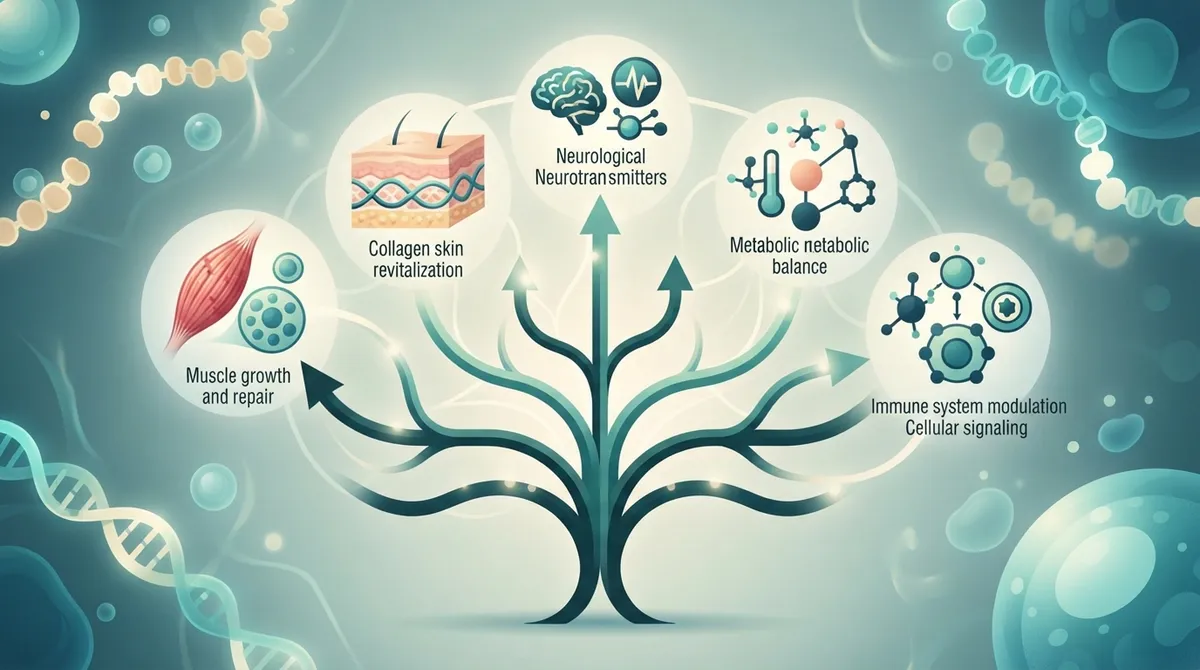
1. Peptide Therapy Is an Umbrella Term, Not One Single Treatment
Here’s the biggest myth to bust right away: peptide therapy isn’t one specific treatment. It’s a broad label for using peptide molecules as medicine or as tools for wellness support. Think of it like the phrase “cardio exercise”—running, swimming, and cycling all count, but they’re very different activities.
Peptides themselves are short chains of amino acids, the building blocks of proteins. Some act like hormones. Others send signals between cells or attach to specific receptors in your body. To really understand how these tiny molecules work, check out this helpful breakdown of what peptides actually are and how they function inside you.
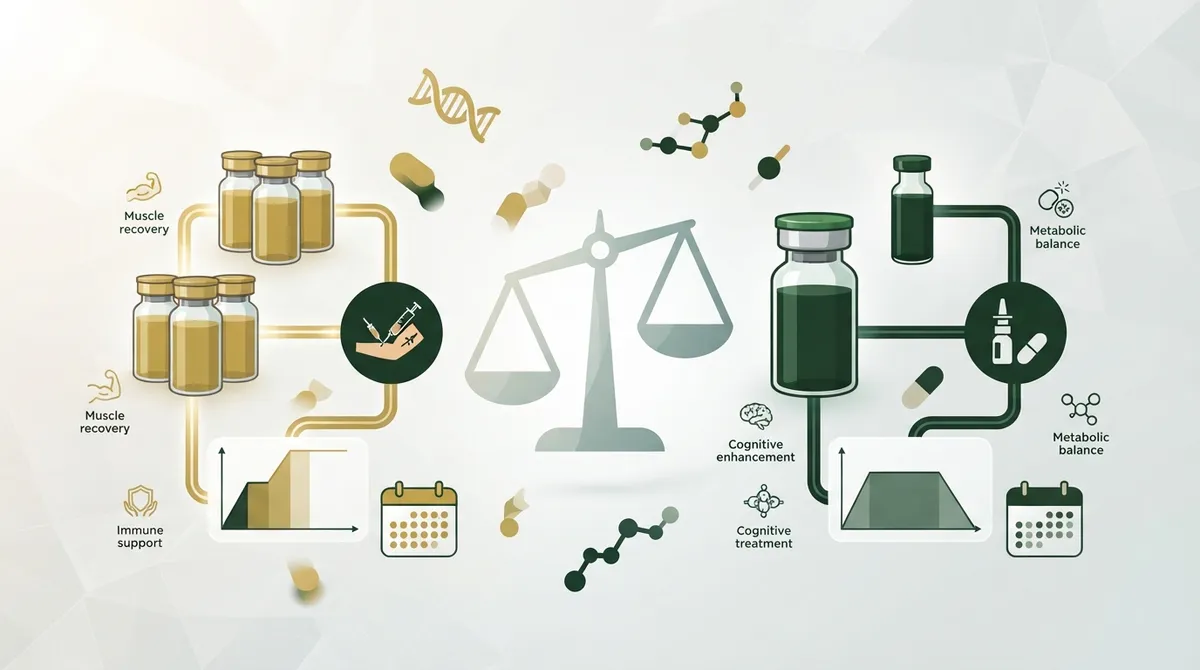
2. There’s No Single “Standard” Peptide Protocol
Because the term covers so much ground, there’s no one-size-fits-all treatment plan. A peptide protocol for muscle recovery looks nothing like one for metabolic support or skin health. That’s part of why working with a licensed provider matters so much—your plan should be built around your labs, symptoms, and goals, not a generic template.
3. Peptide Medicines Can Be Natural or Synthetic
Some peptide-based medicines mimic peptides your body already makes. Others are lab-modified versions designed to hit a specific biological target more precisely or last longer in your system. Either way, what matters most is the specific drug, the dose, and the condition it’s meant to treat—not the general “peptide therapy” label slapped on the bottle.
Quick Comparison: Natural vs. Synthetic Peptides
| Type | Example | Purpose |
|---|---|---|
| Naturally occurring | Insulin | Regulates blood sugar |
| Synthetic/modified | Exenatide (GLP-1 based) | Supports blood sugar and weight management |
| Growth hormone releasing peptides | Sermorelin, CJC-1295 | Supports natural growth hormone release |
4. Some Peptide Drugs Are FDA-Approved for Specific Conditions
This is a key piece of the peptide therapy definition puzzle. Certain peptide medicines have gone through rigorous testing and are approved by the FDA for very specific uses. Insulin for diabetes is the classic example. GLP-1 receptor agonists like exenatide were first approved back in 2005 for type 2 diabetes, according to a widely cited National Library of Medicine review on therapeutic peptides.
FDA approval means a drug went through clinical trials proving it works safely for a labeled use. It doesn’t mean every peptide with a similar-sounding name gets the same stamp of approval.
5. The Numbers Show Real Growth in Approved Peptide Drugs
Peptide medicine isn’t a fringe idea—it’s a growing, evidence-backed field. A 2022 review found 36 peptide drugs approved for clinical use since 2000, working on 26 different biological targets. Another 2020 review counted more than 70 therapeutic peptide products approved as new chemical entities across the US, Europe, and Japan, with over 100 commercial products available worldwide.
- 36 peptide drugs approved since 2000 (2022 review)
- 70+ therapeutic peptide products approved globally (2020 review)
- 100+ commercial peptide products on the market worldwide
These figures use different scopes, so they shouldn’t be compared directly. But together, they paint a picture of a fast-growing, medically legitimate category.
6. Wellness Peptides Are a Different Category Entirely
Here’s where things get murky. Terms like BPC-157, TB-500, CJC-1295, and ipamorelin show up constantly in wellness clinics and online forums. These compounds are often marketed for muscle recovery, injury healing, or anti-aging support. But they are not automatically the same as approved peptide medications.
Many of these compounds lack the same level of FDA approval for the specific uses being promoted. That doesn’t mean they’re useless—it just means the evidence and regulatory status look very different from an approved drug like insulin. If you’re curious about the details, this piece on BPC-157 peptide facts is a solid place to start (note: link title referenced is for informational context).
7. FDA Approval Is Specific to Each Drug Product
One of the most misunderstood parts of the peptide therapy definition is how FDA approval actually works. Approval isn’t a blanket stamp for “peptides” as a category. It applies to one specific drug, at one specific dose, for one specific labeled use.
That means a peptide approved for diabetes management isn’t automatically approved for weight loss, and a peptide studied for wound healing in animals isn’t automatically safe or effective for humans. Regulatory status can also change over time, so always check current information for any specific substance you’re considering.
8. Compounded Peptides Are Not the Same as FDA-Approved Drugs
This distinction trips up a lot of people. Compounded medications are custom-mixed by pharmacies, often to meet specific patient needs. But compounding does not mean the FDA has reviewed and approved that exact formulation for safety and effectiveness.
According to reporting on peptide regulation and compounding practices, this is an evolving area, with regulators paying closer attention to how compounded peptides are marketed and sold. Working with a licensed provider who understands current regulations is essential.
9. Not All Peptides Have Strong Human Research Behind Them
Some peptides have decades of clinical trial data. Others have promising lab studies in animals but limited or no large-scale human trials. This gap matters a lot when it comes to safety and effectiveness claims.
For wellness-marketed peptides, evidence for anti-aging, muscle growth, or injury recovery claims is often limited compared to what’s expected for approved pharmaceutical drugs. That doesn’t mean these compounds don’t have real biological effects—it just means we should talk about them honestly, without overpromising.
10. Risks Increase When Peptides Aren’t Regulated or Verified
Because so many peptides fall outside strict FDA oversight, there are real risks to consider. Here are the most common ones:
- Uncertain purity: Products sourced without proper quality control may not contain what the label claims.
- Contamination risk: Poor manufacturing standards can introduce harmful substances.
- Dosing errors: Reconstitution mistakes are common with self-administered peptides.
- Injection-related issues: Improper technique can cause infection or tissue damage.
- Unknown long-term effects: Many newer compounds simply haven’t been studied over years or decades.
This is exactly why working with a licensed medical provider—not an unregulated online seller—matters so much. Learning how to start peptide therapy safely can help you avoid these pitfalls entirely.
11. Blood Work Is the Foundation of Responsible Peptide Care
A trustworthy peptide therapy definition always includes this: personalized treatment starts with data, not guesswork. At Allura Longevity, every client begins with a virtual consultation and comprehensive blood work through LabCorp. This helps your provider understand your hormone levels, metabolic markers, and overall health picture before recommending anything.
From there, a licensed provider builds a customized six-month treatment plan based on your actual results—not a generic protocol pulled from the internet.
What Responsible Peptide Care Typically Includes
| Step | What Happens |
|---|---|
| 1. Consultation | Virtual visit to discuss goals and health history |
| 2. Lab Work | Bloodwork through LabCorp to assess baseline health |
| 3. Personalized Plan | Custom peptide protocol based on your specific results |
| 4. Home Delivery | Peptides shipped directly to your door |
| 5. Ongoing Monitoring | Regular check-ins and dose adjustments |
12. Peptide Therapy Covers a Wide Range of Wellness Goals
Once you understand the basic definition, it’s easier to see why peptide therapy shows up in so many different wellness conversations. Depending on the specific peptide and your individual goals, treatment plans may support:
- Energy, focus, and mental clarity
- Sleep quality and recovery
- Skin rejuvenation and collagen support
- Muscle recovery and metabolism
- Weight management alongside GLP-1 medications
- Injury recovery support
- Sexual wellness and vitality
If weight loss is your main focus, this guide on which weight loss peptides actually work breaks down the options in detail.
13. Telehealth Has Made Personalized Peptide Care More Accessible
Not long ago, getting a truly personalized peptide plan meant driving to a specialty clinic, sitting in a waiting room, and hoping your schedule lined up. Telehealth changed that completely. Now, licensed providers can review your labs, build your plan, and ship your peptides straight to your home.
This matters enormously for busy professionals and anyone juggling a packed schedule. If you’re weighing your options, this comparison of local clinic versus telehealth peptide therapy lays out the pros and cons clearly.
Allura Longevity offers this exact model: a $50 virtual consultation, LabCorp blood work, and a custom six-month plan—all led by Ashley, our board-certified Family Nurse Practitioner. We’re proud to serve clients in Florida, Georgia, Texas, Connecticut, Indiana, Maryland, New York, and California, with everything delivered right to your door.
14. A Good Provider Will Always Be Honest About Evidence and Limits
The final piece of the peptide therapy definition is maybe the most important one: honesty. A responsible provider will never tell you every peptide is proven, safe, or approved for every use. Instead, they’ll walk you through what’s known, what’s still being studied, and what makes sense for your specific health picture.
Learn more about the basics of what are peptides and how researchers currently understand their role in the body. This kind of foundational knowledge helps you ask smarter questions during your consultation.
Bringing It All Together
So, what is peptide therapy, really? It’s a broad category of treatment using peptide molecules—some approved as medicine, some still being studied, and some marketed with more enthusiasm than evidence. The key is working with a provider who explains the difference clearly and builds your plan around your actual health data.
We know this can feel like a lot to absorb, and that’s okay. You don’t have to become a peptide expert overnight. That’s literally what our team is here for. If you’re ready to get real answers based on your own blood work instead of guesswork from the internet, we’d genuinely love to help. Spots are limited each month, so request a consultation today and let’s figure out what makes sense for your body and your goals. You can also call us directly at (813) 510-6277 with any questions—we’re happy to talk it through.
FAQs
Q: What is peptide therapy, in simple terms?
A: Peptide therapy simply means using peptide molecules—short chains of amino acids—as medicine or wellness support. It’s a broad umbrella term, so the specific peptide, dose, and purpose matter way more than the general label itself.
Q: Are peptide therapy treatments FDA-approved?
A: Some are, and some aren’t! Medicines like insulin and certain GLP-1 drugs have specific FDA approvals, while many wellness-marketed peptides don’t carry that same approval for the uses they’re promoted for. It really depends on the exact compound.
Q: What’s the difference between approved peptide drugs and wellness peptides like BPC-157?
A: Approved peptide drugs have gone through rigorous clinical trials for a specific labeled use, while compounds like BPC-157 or TB-500 often lack that same level of regulatory review. Both can be part of a conversation with your provider, but they shouldn’t be treated as equivalent.
Q: Is peptide therapy safe?
A: Safety really depends on the specific peptide, your health history, and who’s guiding your treatment. Working with a licensed provider who reviews your blood work first is the best way to lower risks and make sure your plan actually fits your body.
Q: What should I ask a provider before starting peptide therapy?
A: Great questions to ask include: Is this peptide FDA-approved for my specific goal? What does the current research show? And how will we track progress together? A good provider will happily walk you through all of it, no judgment attached.





