

Key Takeaways
-
FDA-approved peptide medicines like semaglutide, tesamorelin, and lutetium Lu 177 dotatate have rigorous clinical evidence for specific conditions, while most wellness peptides marketed online lack human safety data and FDA approval for their advertised uses.
-
Legitimate peptide therapy requires blood work testing before starting treatment, licensed medical provider oversight, and ongoing monitoring—skip clinics that promise dramatic results without lab work or follow-up.
-
Unapproved wellness peptides carry significant risks including uncertain purity, inaccurate dosing, unknown drug interactions, and limited safety data, making personalized clinical guidance essential before use.
-
Compounded peptides and FDA-approved peptide drugs operate under different regulatory frameworks; appearing on a compounding list doesn't mean a peptide is proven safe or effective for wellness applications.
If you’ve spent any time researching peptides, you’ve probably noticed the term gets used for a lot of different things. Some peptides are FDA-approved medicines that treat diabetes and rare diseases. Others are unproven products sold online with big promises and little science behind them. That mix can feel confusing, especially when you just want to know what’s real and what’s safe for your body.
This guide breaks down peptide therapy applications in plain language. We’ll cover what’s approved, what’s experimental, and how to tell the difference before you spend your money or put anything in your body. Whether you’re chasing better energy, healthy aging, or faster recovery, understanding these categories helps you make smarter choices. And if you want expert guidance along the way, Allura Longevity’s licensed providers are ready to help you build a plan based on your own blood work and goals.
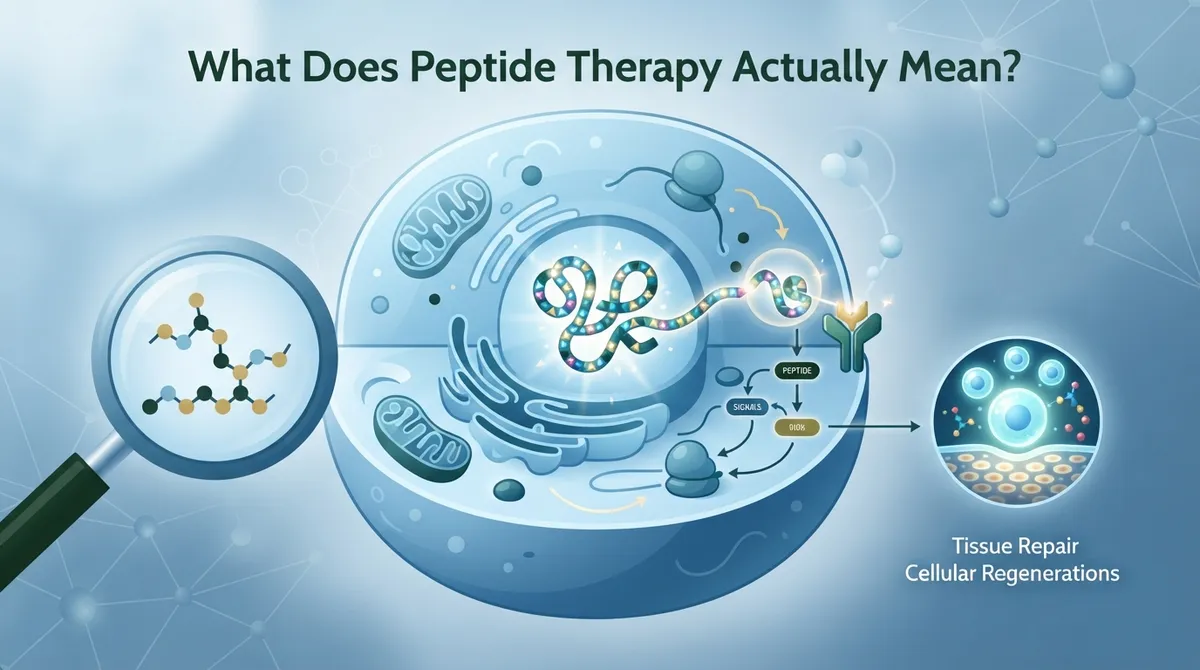
What Does Peptide Therapy Actually Mean
Peptides are short chains of amino acids, the building blocks your body uses to make proteins. According to what are peptides, these molecules act as messengers that tell your cells what to do. Some trigger hormone release, some support tissue repair, and some help regulate your metabolism.
Here’s the tricky part: “peptide therapy” isn’t one single, standardized treatment. It’s a broad label that covers two very different worlds. On one side, you have evidence-based prescription medicines made from or acting like peptides. On the other, you have unapproved products marketed for wellness, anti-aging, or performance with little to no human research behind them. These two categories should never be treated as the same thing, and our 8 Facts That Explain What Are Peptides in 2026 breaks this down further.
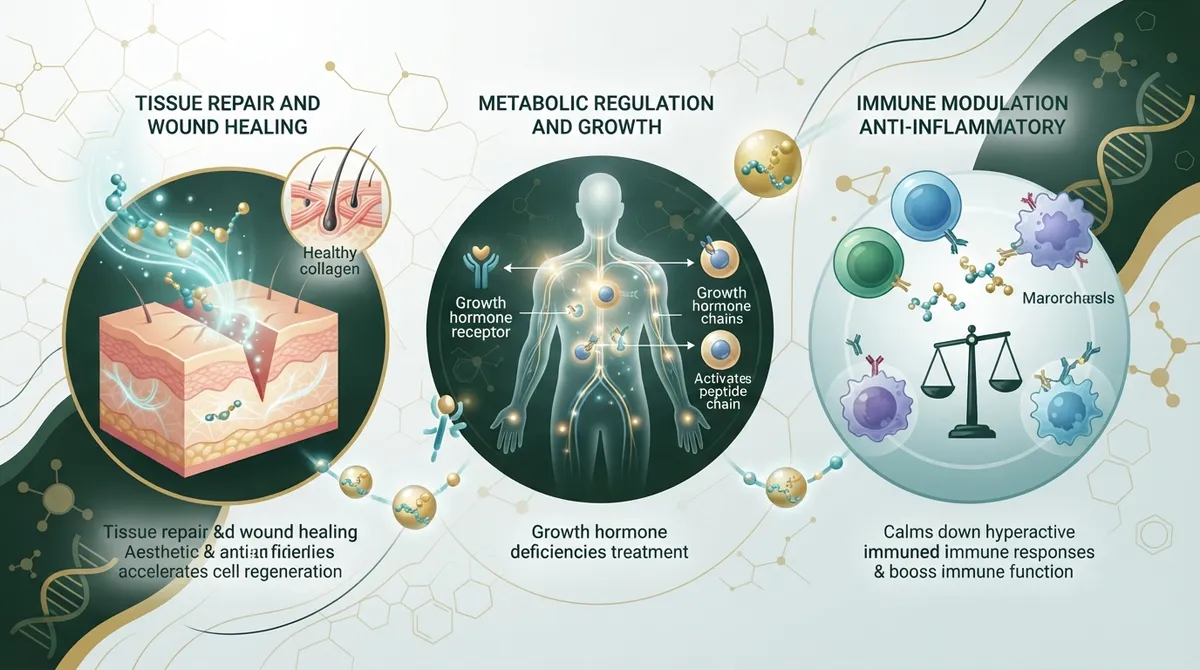
FDA-Approved Peptide Applications You Should Know
Let’s start with what’s actually proven and approved. These peptide medicines have gone through rigorous testing and have specific, approved uses.
Metabolic and Weight Management Support
GLP-1 based peptide medicines like semaglutide and liraglutide are prescribed for diabetes and weight management, depending on the specific product and your individual health needs. These require a clinician’s oversight and aren’t something you should self-prescribe. If you’re curious how these work, our article on How to Understand GLP-1 Peptide Therapy in 2026 walks through the details.
It’s worth noting that GLP-1 medications aren’t interchangeable with unapproved peptide products sold online. They come with specific dosing, monitoring requirements, and known side effect profiles that your provider should discuss with you.
Endocrine and Rare Disease Treatment
Peptide drugs also treat rare and complex conditions. Tesamorelin is approved for HIV-associated lipodystrophy. Palopegteriparatide treats adult hypoparathyroidism. These are highly specific medicines designed for narrow, well-studied uses.
Cancer Care and Diagnostics
Some peptide-based treatments even help fight cancer. Lutetium Lu 177 dotatate, approved back in 2018, treats certain gastroenteropancreatic neuroendocrine tumors. Peptide radiopharmaceuticals like this one can also help doctors diagnose disease, not just treat it.
A 2025 review of 2024 FDA approvals found 50 novel drugs approved that year, including two peptide drugs. The same review estimated roughly 120 peptide drugs are currently on the market, though exact counts depend on how you define a “peptide drug.”
Wellness-Focused Peptide Applications
Beyond prescription medicines, many people turn to peptide therapy for everyday wellness goals. This is where Allura Longevity’s personalized approach really shines, since treatment plans are built around your actual blood work and health history.
- Boosting energy and mental clarity for busy schedules
- Supporting deeper, more restorative sleep
- Aiding muscle recovery after workouts or injury
- Promoting healthy skin and reducing visible signs of aging
- Supporting immune function and overall vitality
- Helping with sexual wellness concerns
If injury recovery is your focus, BPC-157 has become a popular topic. Our guide on 13 Facts About TB-500 Peptide You Need in 2026 and our piece on 6 Peptides for Wound Healing Worth Knowing in 2026 both explore what current research actually shows.
Peptides That Need More Caution
Here’s where we need to slow down and be honest with you. Many peptides promoted by wellness clinics or online sellers don’t have FDA approval for their most common advertised uses.
- BPC-157 is often marketed for injury repair, but human clinical evidence remains limited
- CJC-1295 is promoted for growth hormone support, though it lacks FDA approval for general wellness use
- Ipamorelin is popular in anti-aging circles, but solid human trial data is still thin
- AOD-9604 gets marketed for fat loss, yet the science supporting this claim in people is weak
Animal studies and lab findings don’t automatically mean something works the same way in humans. If a product’s website leans heavily on rat studies or vague testimonials, that’s a signal to ask more questions. Our article on Is Peptide Therapy Safe? What You Really Need to Know digs into this in more depth.
Approved Peptide Drug vs Compounded Peptide: What’s the Difference
| Category | Approval Status | Oversight | Example |
|---|---|---|---|
| FDA-Approved Peptide Drug | Fully approved for specific indication | Rigorous clinical trials, known safety data | Semaglutide, Tesamorelin |
| Compounded Peptide | Not independently FDA-approved | Made by compounding pharmacies under separate rules | Varies by pharmacy |
| Unapproved Wellness Peptide | No FDA approval for marketed use | Limited or no human safety data | BPC-157, AOD-9604 |
It’s important to understand that FDA compounding rules are separate from drug approval. A substance appearing on a compounding list doesn’t mean it’s approved or proven safe and effective. Eligibility depends on current federal requirements, which can change. Our comparison, FDA-Approved vs. Compounded Peptides: What Wins?, explains this distinction in more detail.
How to Tell If a Peptide Treatment Is Legitimate
You deserve real answers, not marketing hype. Here’s a simple checklist to protect yourself.
- Ask if the specific peptide has FDA approval for your intended use, not just general approval as a substance
- Request to see recent blood work requirements before starting any treatment plan
- Confirm you’ll be working with a licensed medical provider, not just a sales representative
- Look for clear information about sourcing, purity testing, and quality control
- Be wary of clinics that promise dramatic results without any monitoring or follow-up
Working with a real clinical team matters here. According to the National Library of Medicine, peptide-based therapies can act as hormones, receptor agonists, or signaling molecules, and their safety profile depends entirely on the specific molecule, dose, and route of administration. This is exactly why personalized oversight matters so much.
Common Risks Across Peptide Categories
Risk levels vary a lot depending on what you’re using and where you get it. Approved peptide drugs come with detailed prescribing information and well-documented side effects. Unapproved products carry extra risks:
- Uncertain purity and contamination concerns
- Inaccurate dosing due to lack of quality control
- Unknown interactions with other medications
- Limited human safety data to predict long-term effects
- Possible immune reactions from poorly manufactured products
This is why Allura Longevity starts every client with a $50 virtual consultation and LabCorp blood work before building any treatment plan. Your six-month plan gets adjusted along the way by licensed providers, led by board-certified Family Nurse Practitioner Ashley. That kind of ongoing monitoring is the difference between guessing and actually knowing what your body needs.
Building a Personalized Peptide Plan
The best peptide therapy applications start with data, not guesswork. Your hormone levels, metabolic markers, and health history all matter. A plan built for someone else’s body won’t necessarily work for yours.
If you’re new to this process, our guide on How to Start Peptide Therapy Safely and See Real Results covers exactly what to expect during your first few months. And if weight loss is your primary goal, check out Which Weight Loss Peptides Actually Work in 2026? for a closer look at the evidence.
Many people also compare telehealth options against traditional in-person clinics before deciding where to start. Our comparison, Local Clinic vs. Telehealth: Best Peptide Therapy Near You?, can help you weigh the pros and cons of each approach.
Why Telehealth Makes Sense for Peptide Therapy
Life is busy. Between work, family, and everything else, finding time for in-person clinic visits isn’t always realistic. That’s exactly why Allura Longevity built a nationwide telehealth model that fits into your schedule instead of the other way around.
Here’s how it works, step by step:
- Book your $50 virtual consultation to discuss your health goals
- Complete blood work through LabCorp, a trusted national lab network
- Receive a customized six-month treatment plan based on your actual results
- Get your peptides delivered directly to your home for convenient administration
- Stay connected with licensed providers for ongoing monitoring and adjustments
Allura Longevity currently serves clients in Florida, Georgia, Texas, Connecticut, Indiana, Maryland, New York, and California. Spots are limited each month, so if you’ve been thinking about getting started, now’s a good time to reach out.
Final Thoughts on Peptide Therapy Applications
Peptide therapy covers a lot of ground, from FDA-approved medicines that treat serious conditions to wellness products with much less evidence behind them. The key is knowing which category you’re dealing with and working with providers who take your safety seriously.
You don’t have to figure this out alone. Allura Longevity combines real lab testing, licensed medical oversight, and personalized six-month plans to help you feel your best, safely and confidently. Ready to get started? Request a consultation today and take the first step toward a plan built just for you.
FAQs
Q: What conditions can peptide therapy treat?
A: It really depends on the specific peptide! FDA-approved options treat things like diabetes, weight management, hypoparathyroidism, and certain neuroendocrine tumors. Wellness-focused peptide plans, like those at Allura Longevity, often support energy, sleep, muscle recovery, and healthy aging based on your personal blood work.
Q: Which peptide therapies are FDA-approved?
A: Great question! GLP-1 medicines like semaglutide, tesamorelin for HIV-related lipodystrophy, palopegteriparatide for hypoparathyroidism, and lutetium Lu 177 dotatate for certain tumors are all FDA-approved. Each one has a specific approved use, so approval doesn’t automatically extend to other purposes.
Q: Are BPC-157, CJC-1295, or ipamorelin FDA-approved?
A: Not currently for the wellness uses they’re commonly marketed for. These peptides show promise in early research, but solid human clinical evidence is still limited, so it’s worth discussing risks and realistic expectations with a licensed provider first.
Q: What’s the difference between an approved peptide drug and a compounded peptide?
A: Approved peptide drugs go through rigorous FDA testing for a specific use, while compounded peptides are prepared by pharmacies under separate rules that don’t require the same approval process. Neither category should be assumed safe just because it’s available for purchase.
Q: How can I tell whether a peptide treatment is legitimate and safe?
A: Look for licensed medical providers, real blood work before treatment starts, and clear information about sourcing and quality control. If a clinic skips lab testing or promises miracle results overnight, that’s a red flag worth taking seriously.





