
Key Takeaways
-
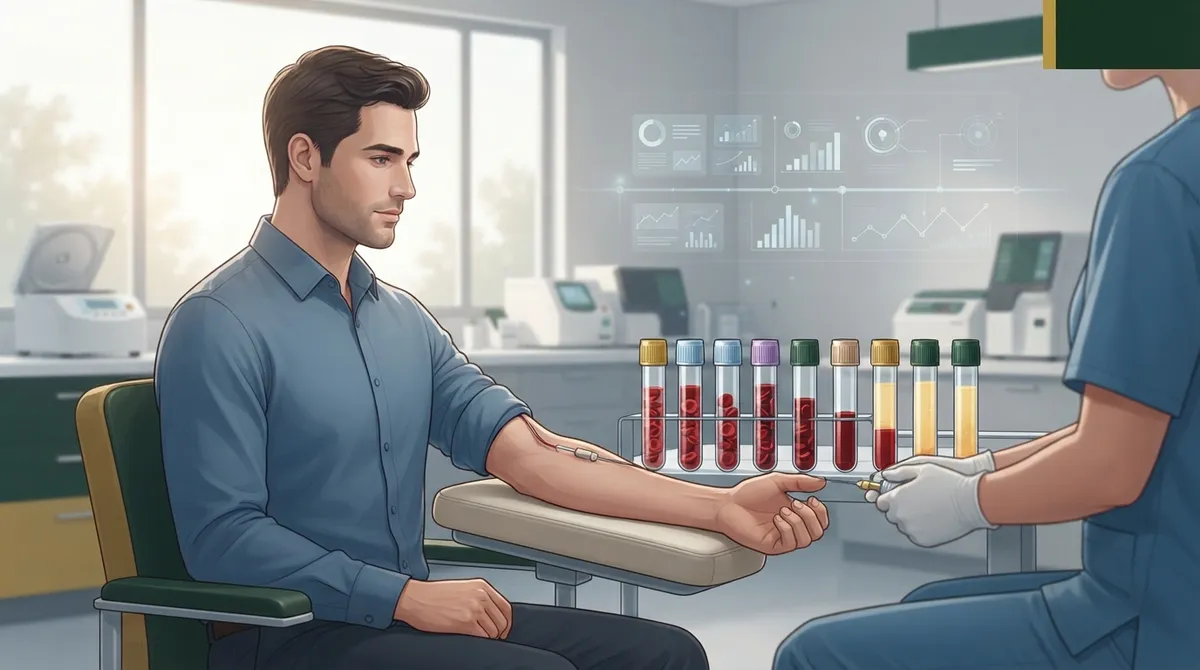
Hormone therapy for men requires confirmed diagnosis through two separate fasting morning blood tests, not a single test, as testosterone naturally fluctuates throughout the day due to stress, sleep, and illness.
-
Testosterone replacement therapy is only appropriate for men with clinically diagnosed hypogonadism and is not a treatment for normal aging, low energy without medical cause, or bodybuilding goals.
-
TRT comes in multiple delivery methods including injections, gels, patches, pellets, and buccal formulations; a good provider selects the best option based on your lifestyle and health goals, not one-size-fits-all approach.
-
Testosterone therapy can suppress sperm production, making it unsuitable for men planning children in the near term; fertility-focused treatments like gonadotropins require specialist supervision.
-
Ongoing monitoring every 3-12 months is essential and should include testosterone levels, hematocrit, PSA, and symptom tracking to catch complications early and ensure therapy effectiveness.
-
The February 2025 FDA update removed broad cardiovascular warnings but added specific blood pressure warnings; work with informed, licensed providers who understand these updated safety data.
If you’ve been feeling tired, foggy, or just not like yourself lately, you’re not alone. Thousands of men search for answers about hormone therapy for men every single day, and honestly, the information out there can be confusing. Some sites make it sound like a magic fix. Others bury you in medical jargon. We wanted to write something different: a friendly, honest guide that tells you what’s actually true.
Hormone therapy for men, in the world of peptide therapy, mostly means testosterone replacement therapy (TRT) for men who have been properly diagnosed with low testosterone. It’s not a casual wellness trend or a shortcut for feeling twenty again. It’s a real medical treatment that works best when it’s guided by lab work, careful monitoring, and a provider who actually knows what they’re doing. Whether you’re a busy professional running on fumes or a biohacker who tracks every metric, this guide will walk you through nine facts that matter most in 2026.

1. Hormone Therapy for Men Is Not a One-Size-Fits-All Fix
Let’s clear up a common myth right away. Hormone therapy for men is not meant for every guy who feels sluggish or stressed. It’s specifically designed for men with clinically diagnosed hypogonadism, meaning their bodies genuinely aren’t producing enough testosterone.
It’s also not a treatment for normal aging, bodybuilding goals, or vague low energy without a clear medical cause. Think of it like glasses. You wouldn’t wear a prescription lens if your eyesight is fine. The same logic applies here. Getting your levels checked first matters more than jumping straight to treatment.

2. Diagnosis Requires More Than One Blood Test
Here’s something a lot of men don’t realize: one low testosterone reading isn’t enough to confirm a diagnosis. The Endocrine Society recommends two separate fasting morning blood tests to confirm consistently low testosterone before starting any treatment (Endocrine Society, 2018).
This matters because testosterone naturally fluctuates throughout the day and can dip due to stress, poor sleep, or illness. A single test might just catch a bad day, not a true hormonal problem. That’s why working with a provider who orders proper labs through a trusted source, like LabCorp, gives you a much clearer picture.
What a Proper Diagnosis Looks Like
- Fasting morning total testosterone test, done early (before 10 a.m.)
- A repeat morning test to confirm the first result
- Free testosterone evaluation if total levels are borderline
- A review of symptoms alongside lab numbers, not just numbers alone
- Investigation into the root cause, whether it’s testicular, pituitary, or medication-related
If you’re curious about what this process looks like from start to finish, our guide on how to know if you need hormone therapy breaks it down step by step.
3. Testosterone Replacement Therapy Comes in Several Forms
Not all TRT looks the same. Depending on your lifestyle, preferences, and how your body responds, your provider might recommend a different delivery method. Here’s a quick breakdown to help you understand your options.
| Delivery Method | How It’s Used | Best For |
|---|---|---|
| Injectable Testosterone | Injected into muscle, typically weekly or biweekly | Men who want steady, controllable dosing |
| Transdermal Gel | Applied daily to skin | Men who prefer avoiding needles |
| Testosterone Patches | Worn on skin, changed daily | Men wanting consistent, low-maintenance dosing |
| Implanted Pellets | Inserted under the skin every few months | Men who want infrequent dosing visits |
| Buccal Formulations | Applied to the gums twice daily | Men who dislike injections or patches |
Every option has pros and cons around convenience, cost, and how steady your hormone levels stay. This is exactly why personalized care matters so much. A good provider looks at your daily routine and health goals before recommending anything. You can learn more about the different delivery methods in our article on how to choose the right testosterone therapy type.
4. Hormone Therapy Has Real, Proven Benefits (But Not Magic Ones)
When testosterone therapy is used correctly, in the right patient, it can genuinely improve quality of life. Here’s what the research actually supports:
- Improved sexual function and libido in men with confirmed low testosterone
- Better bone mineral density over time, especially with 1-2 years of consistent therapy
- Increased muscle mass and strength in appropriately selected men
- Correction of anemia related to androgen deficiency
- Maintenance of secondary sexual characteristics
What it’s not, though, is a general anti-aging treatment or a weight-loss shortcut. If those are your primary goals, other approaches like GLP-1 peptide therapy might be a better fit. Our article on how to understand GLP-1 peptide therapy explains how these treatments differ.
5. Peptide Therapy and TRT Are Not the Same Thing
This is one of the biggest points of confusion we see. Peptide therapy is a broad category covering many different compounds, each with its own purpose. Testosterone replacement is a specific, well-studied medical treatment for diagnosed hypogonadism. Peptides used for fertility, growth hormone support, or metabolic health are entirely different tools.
Some peptides marketed for “testosterone optimization” or muscle building lack strong human evidence or FDA approval for those specific claims. That doesn’t mean all peptides are unsafe or ineffective. It just means it’s important to know exactly what you’re taking and why. Our detailed comparison, TRT vs. Peptides: Which Hormone Fix Wins for Men?, dives deeper into this exact question.
If you’re new to the topic entirely, our foundational piece on what peptides actually are is a great starting point. You can also read more from what are peptides for an outside medical perspective.
6. Fertility Requires Special Consideration
Here’s something every man planning to have children needs to know: testosterone therapy can suppress sperm production. This happens because TRT signals your body to stop making its own testosterone and, as a side effect, reduces sperm production too.
If fertility is a near-term goal, TRT is usually not the right choice. Instead, fertility-focused treatments involving gonadotropins or specialized peptides may be considered, but only under close medical supervision. This isn’t something to figure out on your own. A licensed provider needs to evaluate your specific situation before recommending any path forward.
7. Not Everyone Is a Good Candidate for Hormone Therapy
Safety always comes first. Certain health conditions mean TRT should be avoided, delayed, or carefully managed by a specialist. Knowing these upfront can save you time and protect your health.
- Prostate or breast cancer, whether active or suspected
- Unexplained abnormalities found during a prostate exam
- Elevated hematocrit levels (thick blood)
- Severe, untreated sleep apnea
- Significant lower urinary tract symptoms
- Uncontrolled heart failure
- Recent heart attack or stroke
- Blood clotting disorders
This is exactly why a proper consultation and blood work review matters so much before starting any treatment. It’s not about creating hurdles. It’s about making sure the therapy actually helps you instead of causing harm. For a deeper look at safety considerations, check out our guide on safety facts on hormone therapy for men.
8. Ongoing Monitoring Is Non-Negotiable
Starting hormone therapy isn’t a “set it and forget it” situation. Your provider should be checking in regularly to make sure everything is working as it should and catching any issues early.
| What Gets Monitored | How Often | Why It Matters |
|---|---|---|
| Testosterone Levels | 3-6 months after starting, then periodically | Ensures levels reach the mid-normal range |
| Hematocrit (Blood Thickness) | Baseline, 3-6 months, then annually | Prevents blood-thickening complications |
| PSA (Prostate Marker) | Based on age and risk factors | Screens for prostate changes early |
| Bone Density | After 1-2 years if osteoporosis is a concern | Tracks bone health improvements |
| Symptoms and Side Effects | Every 3-12 months | Confirms therapy is actually helping |
The Endocrine Society specifically recommends urological evaluation if PSA rises more than 1.4 ng/mL within a year of starting therapy, or exceeds 4 ng/mL overall (Endocrine Society, 2018). This kind of careful tracking is exactly what separates responsible medical care from a quick-fix approach. You can read more about this process from the National Library of Medicine.
9. Recent FDA Updates Have Changed the Conversation
Big news dropped in February 2025 that’s worth knowing about. The FDA updated testosterone labeling after reviewing data from the TRAVERSE trial, a large cardiovascular safety study of testosterone therapy in men with hypogonadism (FDA, 2025).
The update removed the broad boxed warning about cardiovascular risk that used to apply to the entire class of testosterone products. At the same time, the FDA added stronger warnings about possible blood pressure increases. It’s a nuanced update, and it doesn’t mean TRT is now appropriate for men without confirmed low testosterone. It simply reflects updated, more precise safety data. This is exactly why working with an informed, licensed provider matters so much in 2026.
Why Personalized, Telehealth-Based Care Makes a Difference
We get it. Juggling work, family, and health appointments is exhausting. That’s part of why telehealth has become such a game-changer for men seeking hormone therapy. You get expert guidance without taking half a day off work for an in-person visit.
At Allura Longevity, the process starts simple: a $50 virtual consultation, followed by comprehensive blood work through LabCorp. From there, licensed providers, led by board-certified Family Nurse Practitioner Ashley, build a customized six-month treatment plan based on your actual lab numbers and health goals. Everything ships right to your door, and ongoing monitoring means your plan adjusts as your body responds. If you want to explore how peptides could complement your hormone journey, our resource on peptides for men is a great next stop.
Whether you’re in Florida, Texas, New York, or one of our other licensed states, nationwide telehealth means quality care is closer than you think. Spots for new clients are limited each month, so if you’ve been considering this step, now’s a good time to explore it. You can always request a consultation to see if hormone therapy is the right fit for your goals.
Final Thoughts on Hormone Therapy for Men
Hormone therapy for men isn’t about chasing youth or following a trend. It’s about restoring balance when your body genuinely needs it, backed by real labs and real medical oversight. The nine facts we covered here should give you a clearer, more confident picture of what this treatment actually involves.
If you’re feeling off and wondering whether low testosterone might be the reason, don’t guess. Get tested, talk to a licensed provider, and make decisions based on your actual numbers. Ready to take that next step? Request a consultation today and let’s figure out what your body actually needs. You deserve to feel like yourself again, and we’re genuinely glad to help you get there.
FAQs
Q: What is hormone therapy for men, and who qualifies for it?
A: Hormone therapy for men usually means testosterone replacement therapy for men with clinically diagnosed low testosterone, confirmed through repeated blood tests and matching symptoms. It’s not meant for men with normal testosterone who just want a boost. If you’re curious whether you qualify, a consultation and proper lab work are the best first steps.
Q: What testosterone level is considered low in men?
A: There’s no single universal cutoff, since labs vary slightly, but low testosterone is generally confirmed when levels fall below the normal reference range on two separate fasting morning tests. Your provider will also look at your symptoms alongside the numbers, since context matters just as much as the lab result itself.
Q: Can peptide therapy increase testosterone naturally or preserve fertility?
A: Some peptides and gonadotropin-based treatments have specific, narrow uses in fertility care, but they shouldn’t be marketed as interchangeable with testosterone replacement therapy. It really comes down to your specific goals and health picture, which is why working with a knowledgeable provider matters so much here.
Q: What are the risks and side effects of testosterone therapy for men?
A: Possible risks include elevated hematocrit, prostate changes, blood pressure increases, and fertility suppression, which is why ongoing monitoring is so important. The good news is that with regular check-ins and lab work, most risks can be caught early and managed effectively.
Q: How long does testosterone replacement therapy take to work?
A: Many men start noticing improvements in energy and mood within a few weeks, though full benefits like muscle gains and bone density improvements can take several months to show up. Your provider will typically check testosterone levels around the three to six month mark to confirm things are on track.





