
Key Takeaways
-
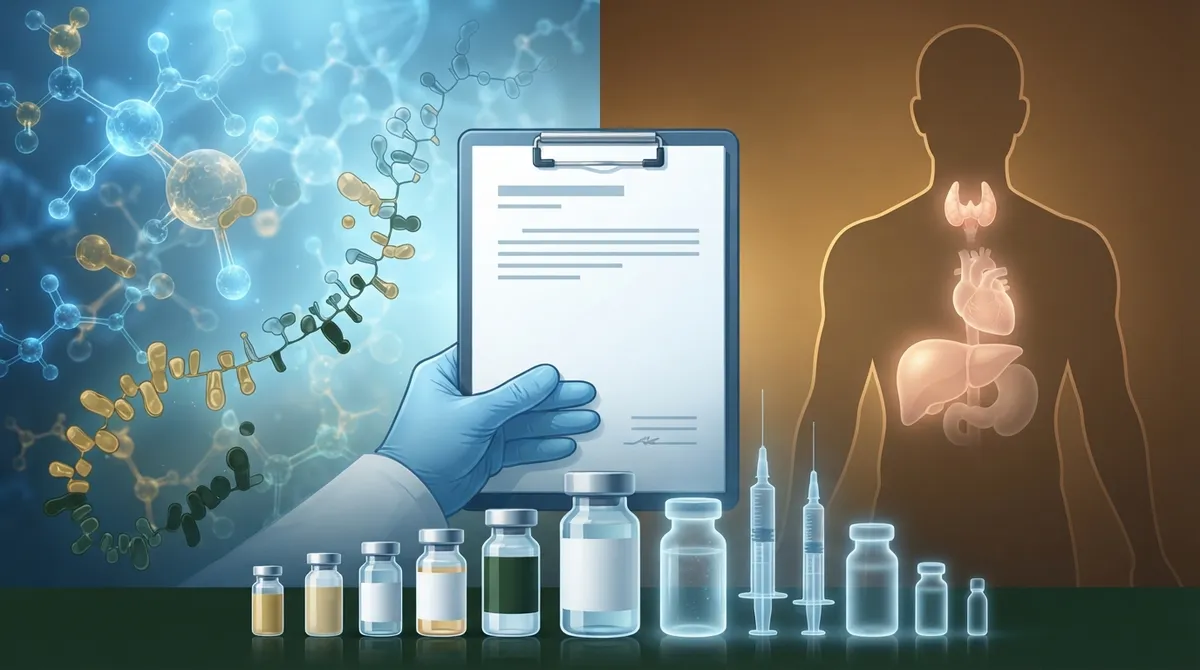
Hormone therapy for longevity isn't one treatment—it includes menopausal hormone therapy, testosterone therapy, growth-hormone therapy, and peptide-based approaches, each with different evidence, risks, and specific uses.
-
Growth-hormone secretagogues like sermorelin, CJC-1295, and ipamorelin stimulate your body's own GH release rather than injecting synthetic hormone, but human studies haven't proven they extend lifespan, only potentially improve body composition and recovery.
-
GLP-1 and dual GIP/GLP-1 peptide medicines have the strongest human clinical evidence among peptides, with tirzepatide producing 15-20% weight loss and significant HbA1c reductions, making them FDA-approved for obesity and diabetes.
-
Investigational peptides like BPC-157, epitalon, and TB-500 show promising animal data but lack robust Western clinical trials proving human lifespan extension, so claims about them remain theoretical.
-
Working with a licensed provider who orders comprehensive blood work, monitors IGF-1 levels, glucose, blood pressure, and cancer risk factors is essential—peptide therapy without medical oversight significantly increases risks of fluid retention, insulin resistance, and other complications.
-
Basic lifestyle habits (exercise, sleep, nutrition, smoking cessation, managing blood pressure and weight) have stronger evidence for healthy aging than any hormone or peptide therapy and should be the foundation of any longevity plan.
If you’ve spent any time scrolling wellness content lately, you’ve probably seen bold claims about hormone therapy for longevity. Some promise you’ll feel 25 again. Others warn you away from anything hormone-related. So which is it? As someone who cares about your health (and your wallet), we’re here to give you the honest, friendly breakdown you actually deserve.
Here’s the truth: “hormone therapy for longevity” isn’t one single thing. It can mean menopausal hormone therapy, testosterone treatment, growth-hormone therapy, or peptide-based approaches that gently nudge your own hormone pathways. Each has different evidence, different risks, and different jobs to do. This article will help you understand the differences, the science, and where peptide therapy fits into the bigger longevity picture. Whether you’re a busy professional squeezing in wellness between meetings, or a biohacker who loves a good lab report, we’ve got you covered.

What Does “Hormone Therapy for Longevity” Actually Mean?
The phrase gets used as a catch-all, but it really covers several distinct categories of treatment. Understanding these differences matters because mixing them up can lead to unrealistic expectations or unsafe choices.
- Menopausal hormone therapy (MHT): Estrogen, often with a progestogen, used mainly for menopause symptoms and bone protection.
- Testosterone therapy: Prescribed for men with confirmed low testosterone and symptoms, not just for “feeling older.”
- Growth-hormone therapy: Direct growth hormone, typically reserved for diagnosed deficiency.
- Peptide-based hormone modulation: Compounds like sermorelin, CJC-1295, and ipamorelin that encourage your body to release more of its own growth hormone.
In the peptide therapy world, that last category is the star of the show. Learning about what are peptides in 2026 is a great place to start if you’re new to this space.
Growth-Hormone Peptides: The Peptide Industry’s Main Hormone Play
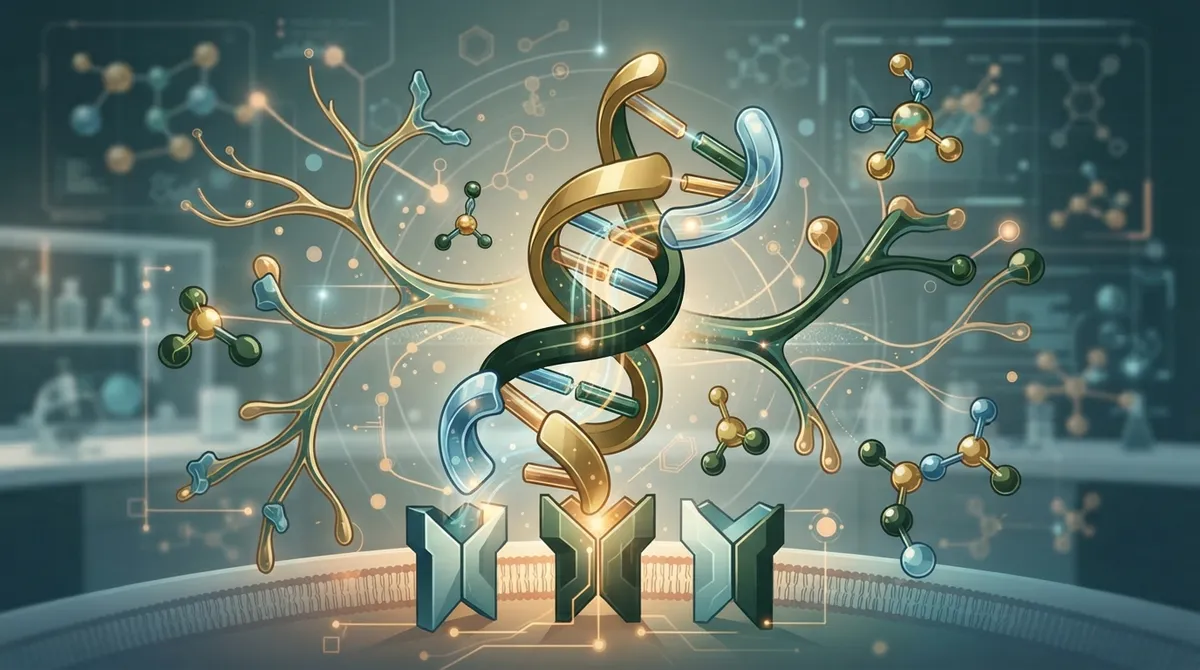
When peptide clinics talk about hormone therapy for longevity, they’re usually referring to growth-hormone secretagogues. These are peptides that stimulate your pituitary gland to release more of your own growth hormone, rather than injecting synthetic growth hormone directly.
The most commonly used peptides in this category include:
- Sermorelin: A growth-hormone releasing hormone analog that supports natural GH pulses, often tied to better sleep and recovery.
- CJC-1295: A longer-acting GH releasing peptide, frequently paired with other peptides for steadier effects. Learn how to use CJC-1295 peptide safely for real results.
- Ipamorelin: Known for a gentler side-effect profile while still supporting GH release. See our guide on ipamorelin peptide therapy benefits, dosing, and safety.
These peptides may support muscle mass, fat distribution, sleep quality, and recovery. But here’s the honest part: increasing growth hormone or IGF-1 has not been shown to extend human lifespan. Most studies are small, short-term, and focused on body composition, not on disease prevention or mortality.
What the Research Actually Shows
One frequently cited study looked at MK-677, a nonpeptide growth-hormone secretagogue, in 65 adults aged 60 to 81 over up to two years. It found increases in growth hormone and IGF-1 activity along with body composition changes. However, it wasn’t designed to prove lifespan extension or long-term disease protection, according to a summary in the National Library of Medicine.
That doesn’t mean these peptides are worthless. It means we should talk about healthspan (how well you feel and function) separately from lifespan (how long you live). If you’re curious how these therapies compare, our piece on growth hormone peptides: what they are and how they work breaks it down further.
Hormone Therapy vs. Peptide Therapy: A Side-by-Side Look
Let’s put these approaches head-to-head so you can see how they stack up.
| Category | Main Purpose | Evidence Strength | FDA Status |
|---|---|---|---|
| Menopausal Hormone Therapy | Symptom relief, bone protection | Strong for symptoms; mixed for mortality | FDA-approved |
| Testosterone Therapy | Treat confirmed low testosterone | Strong for symptomatic deficiency | FDA-approved |
| GH Secretagogue Peptides (Sermorelin, CJC-1295, Ipamorelin) | Support GH release, recovery, sleep | Limited, short-term studies | Not FDA-approved for anti-aging |
| GLP-1/GIP Peptide Medicines | Weight loss, glycemic control | Strong, large randomized trials | FDA-approved for obesity/diabetes |
| Investigational Peptides (BPC-157, Epitalon, MOTS-c) | Recovery, cellular signaling theories | Mostly preclinical or early-phase | Not FDA-approved |
This table makes one thing clear: not all hormone-related peptide options are created equal. Some, like GLP-1 medicines, have robust human data. Others are still being studied.
Menopausal Hormone Therapy: What the Numbers Really Say
Menopausal hormone therapy is not a peptide, but it often comes up alongside peptide longevity programs. A review of 19 randomized controlled trials found that early menopausal hormone therapy was linked to about 30% lower all-cause mortality and 48% lower cardiovascular mortality. That sounds impressive, but context matters a lot here.
Meanwhile, NICE guidance states that, overall, hormone therapy for menopause is unlikely to meaningfully change life expectancy either way. It does reduce hot flashes and night sweats by 70% to 90% and helps preserve bone density. So it’s a powerful tool for symptom relief and bone health, not a guaranteed longevity hack. Women exploring this path may find our article on 10 safest hormone therapy options for women in 2026 helpful.
For women who still have a uterus, estrogen typically needs to be paired with a progestogen to protect the uterine lining. Certain conditions, like a history of blood clots, stroke, or specific cancers, require careful evaluation before starting. This is why blood work and a licensed provider’s guidance are non-negotiable.
Testosterone Therapy: Not a Blanket Anti-Aging Fix
Testosterone therapy is appropriate for men who have both symptoms and consistently low morning testosterone levels, confirmed through lab work. It’s not meant to be used simply because someone is getting older or wants an edge in the gym.
Before starting, providers typically check:
- Prostate health markers
- Hematocrit levels (red blood cell concentration)
- Fertility goals, since testosterone can affect sperm production
- Cardiovascular risk factors
- Sleep apnea symptoms
If you’re weighing your options, check out our comparison of testosterone vs. peptides for women or explore the real benefits of hormone therapy for men.
The Risks Nobody Talks About Enough
Boosting growth hormone or IGF-1 activity sounds appealing, but it isn’t risk-free. Potential side effects include:
- Fluid retention and swelling (edema)
- Joint pain or carpal-tunnel-like symptoms
- Insulin resistance and elevated blood sugar
- Worsening of sleep apnea
- Theoretical concern about stimulating existing tumors through the GH/IGF-1 pathway
This is exactly why ongoing monitoring matters. A responsible peptide therapy plan checks IGF-1 levels, glucose or HbA1c, blood pressure, and relevant cancer risk factors along the way. If you want to understand this process better, our guide on how to start peptide therapy safely and see real results walks through what monitoring should look like.
What About BPC-157, Epitalon, and Other Trendy Peptides?
You’ve likely heard about BPC-157, TB-500, epitalon, MOTS-c, humanin, and FOXO4-DRI. These peptides get a lot of buzz in longevity circles, but the science is still catching up.
Animal studies of epitalon have shown lifespan increases of roughly 12% to 24% in some rodent models. That’s genuinely interesting, but rodent results don’t automatically translate to humans. There’s currently no robust, Western clinical trial evidence proving epitalon extends human lifespan.
Similarly, BPC-157 and TB-500 are popular for recovery and tissue repair support, but they remain investigational for longevity claims. If you’re curious about the specifics, our articles on 9 BPC-157 peptide facts to know before you start and 13 facts about TB-500 peptide give you the full picture, including what’s proven and what’s still theoretical.
The Peptides With the Strongest Human Evidence
Here’s some good news: not every peptide is stuck in “maybe someday” territory. GLP-1 and dual GIP/GLP-1 receptor agonists have some of the strongest human clinical data in the entire peptide space.
Consider these numbers:
- Tirzepatide produced 15.0% to 20.9% mean weight loss at 72 weeks in the SURMOUNT-1 trial, depending on dosage.
- In SURPASS-1, tirzepatide reduced HbA1c by up to 2.07 percentage points versus placebo at 40 weeks.
- Later tirzepatide trials reported HbA1c reductions of roughly 2.3 percentage points in some comparisons.
These are approved medicines for obesity and diabetes, and their benefits for weight and blood sugar control can genuinely support healthspan. That said, they shouldn’t be marketed as proven anti-aging or lifespan-extension treatments. If you want to dig deeper, our resource on how to understand GLP-1 peptide therapy in 2026 explains the mechanisms in plain language. According to what are peptides, GLP-1 medications are among the most well-studied peptide-based treatments available today.
Choosing Between Hormone Therapy and Peptide Therapy
So how do you decide what’s right for you? Here’s a simple framework:
- Identify your actual goal. Is it menopause symptom relief, low testosterone, better recovery, or weight loss?
- Get real lab work done. Blood work through a trusted lab reveals what’s actually going on inside your body, not just how you feel.
- Match the treatment to the evidence. Strong evidence exists for MHT symptom relief, testosterone for diagnosed deficiency, and GLP-1 medicines for metabolic health. Peptide secretagogues and investigational compounds require more caution and monitoring.
- Work with a licensed provider. Self-directed dosing without labs or medical oversight is where most risks come from.
Our guide on how to choose between bioidentical hormones and peptides can help you think through this decision with more clarity.
Why Regulatory Status and Quality Matter So Much
Not all peptides sold online are created equal. FDA-approved peptide medicines go through rigorous manufacturing standards and clinical review. Many compounds marketed by longevity clinics or online vendors are not FDA-approved for anti-aging use, and their purity, sterility, and labeling can vary widely.
This is one reason working with a licensed telehealth provider matters so much. At Allura Longevity, treatment plans are built around your individual blood work through LabCorp, reviewed by licensed medical providers, and shipped directly to your home with ongoing monitoring. It’s not guesswork. It’s personalized care led by professionals, including board-certified Family Nurse Practitioner Ashley, who oversees treatment adjustments throughout your six-month plan.
The Habits That Still Beat Any Peptide or Hormone
Here’s a friendly reality check: the habits with the strongest evidence for healthy aging aren’t peptides at all. They’re the basics.
- Regular exercise, especially resistance training
- Consistent, quality sleep
- Balanced nutrition
- Staying current on vaccinations
- Managing blood pressure and cholesterol
- Quitting smoking
- Treating obesity and diabetes with evidence-based care
Peptide therapy can complement these habits beautifully, but it doesn’t replace them. Think of peptides as support for your foundation, not a substitute for it.
Getting Started the Smart Way
If you’re ready to explore whether hormone-related peptide therapy fits your goals, the process should always start with a conversation and real lab data, not a quick online order. A typical path looks like this:
- Schedule a virtual consultation with a licensed provider
- Complete comprehensive blood work
- Review results together and discuss your health goals
- Receive a personalized treatment plan shipped to your door
- Continue with regular check-ins and lab monitoring
Curious how convenient this can be? Our comparison of local clinic vs. telehealth for the best peptide therapy near you shows why so many busy professionals are choosing at-home care.
Bringing It All Together
Hormone therapy for longevity isn’t one magic pill or injection. It’s a spectrum of options, from well-studied menopausal hormone therapy and testosterone treatment, to promising GLP-1 peptide medicines, to growth-hormone secretagogues and investigational compounds that need more research. The key is matching the right treatment to your actual health picture, guided by real labs and a licensed provider who genuinely listens.
At Allura Longevity, we believe you deserve care that’s personalized, transparent, and grounded in real science, not hype. With plans starting at a $50 virtual consultation, LabCorp blood work, and a customized six-month plan delivered right to your home, getting started has never been easier. Spots for new clients are limited each month, so if you’re ready to feel more like yourself again, now’s the time. Request your consultation today and let’s build a plan that’s actually right for you.
FAQs
Q: Can hormone therapy or peptide therapy actually extend human lifespan?
A: Right now, there’s no solid proof that hormone or peptide therapy extends human lifespan. What we do know is that some treatments, like menopausal hormone therapy and GLP-1 medicines, can meaningfully improve healthspan and quality of life. Think of it as feeling better and functioning better, rather than a guaranteed extra decade.
Q: Are CJC-1295 and ipamorelin FDA approved for anti-aging or longevity?
A: Nope, these peptides aren’t FDA-approved specifically for anti-aging or longevity use. They’re often used off-label in personalized wellness plans to support natural growth hormone release. That’s exactly why working with a licensed provider who monitors your labs is so important.
Q: How is peptide therapy different from conventional hormone replacement therapy?
A: Conventional hormone therapy, like estrogen or testosterone, replaces hormones directly. Peptide therapy, especially growth-hormone secretagogues, encourages your own body to produce more of its natural hormones. They’re related cousins, but they work through different mechanisms and have different evidence levels.
Q: Is menopausal hormone therapy safe for longevity and cardiovascular protection?
A: For many women, especially when started early in menopause, hormone therapy can support cardiovascular health and bone density beautifully. But it’s not a one-size-fits-all longevity fix, and it does come with contraindications like clotting disorders or certain cancers. A personalized evaluation with your provider is the best way to know if it’s right for you.
Q: What blood tests and health screenings are needed before starting peptide or hormone therapy?
A: Typically, you’ll want a comprehensive hormone panel, glucose or HbA1c levels, and markers relevant to your specific goals, like prostate health for men or lipid panels for cardiovascular risk. At Allura Longevity, this happens through LabCorp so your entire plan is built on real data, not guesswork. It’s honestly one of the most reassuring parts of getting started.





