
Key Takeaways
-
GHK-Cu, the most studied peptide for hair, shows promise in lab studies but lacks large-scale human trials—most evidence comes from topical applications in small, controlled studies, not proven clinical results.
-
Peptide therapy for hair loss is not FDA-approved and currently works best as an add-on to established treatments like minoxidil or finasteride, not as a standalone replacement.
-
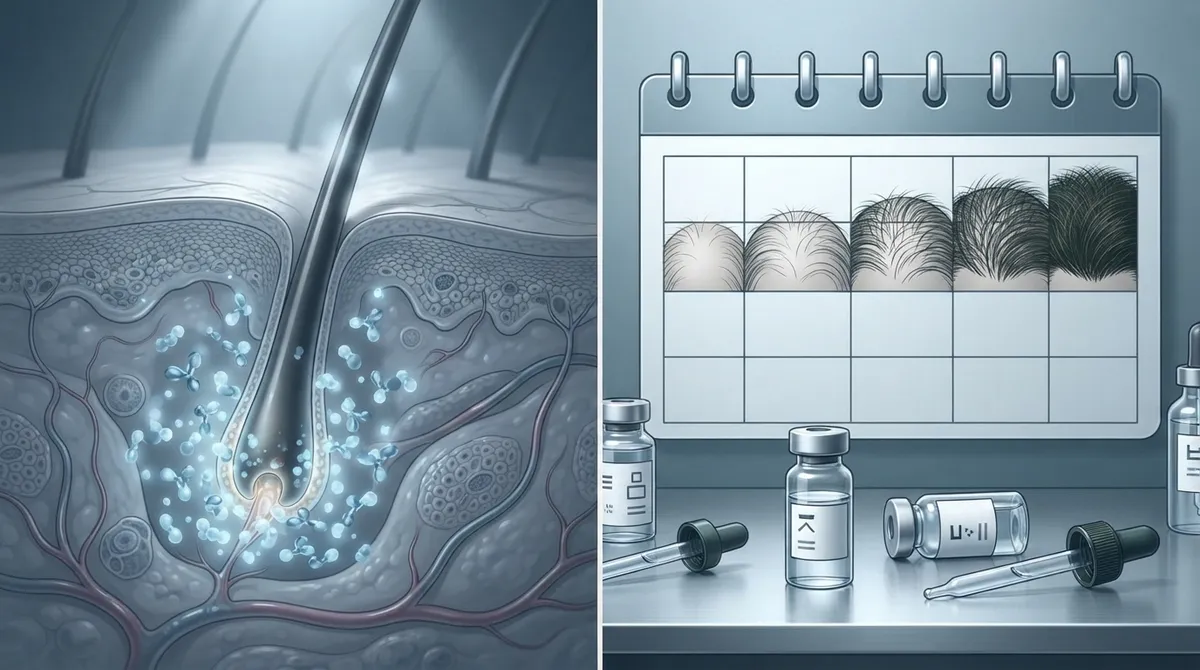
Results typically require 20-24 weeks of consistent use to measure improvements in hair density; early phase 2A data shows PP405 increased density by 31% in some users, but this is still investigational.
-
Injectable peptide protocols lack standardized dosing and long-term safety data, making it critical to work with a licensed provider who can explain real risks rather than just sales pitches.
-
Hair loss has multiple causes (genetic, stress-related, autoimmune, thyroid issues, medications), so getting proper diagnosis through bloodwork and medical evaluation matters more than jumping to trendy treatments.
-
Topical cosmetic peptide serums differ significantly from injectable clinic protocols in how they work, absorb, and are regulated—understanding this distinction helps you make informed treatment choices.
If you’ve noticed more hair in your shower drain lately, you’re probably searching for answers. Maybe you’ve heard whispers about peptide therapy for hair loss and wondered if it’s the real deal or just another wellness trend. Good news: you’re not alone, and there’s some genuinely interesting science here. But there’s also a lot of hype floating around online, and we want to help you sort fact from fiction.
At Allura Longevity, we get questions about hair health often, especially from clients already using peptides for energy, recovery, or weight management. So let’s talk honestly about what peptide therapy for hair loss actually means, what the research shows so far, and how to think about it as part of a bigger wellness picture.
What Does Peptide Therapy for Hair Loss Actually Mean?
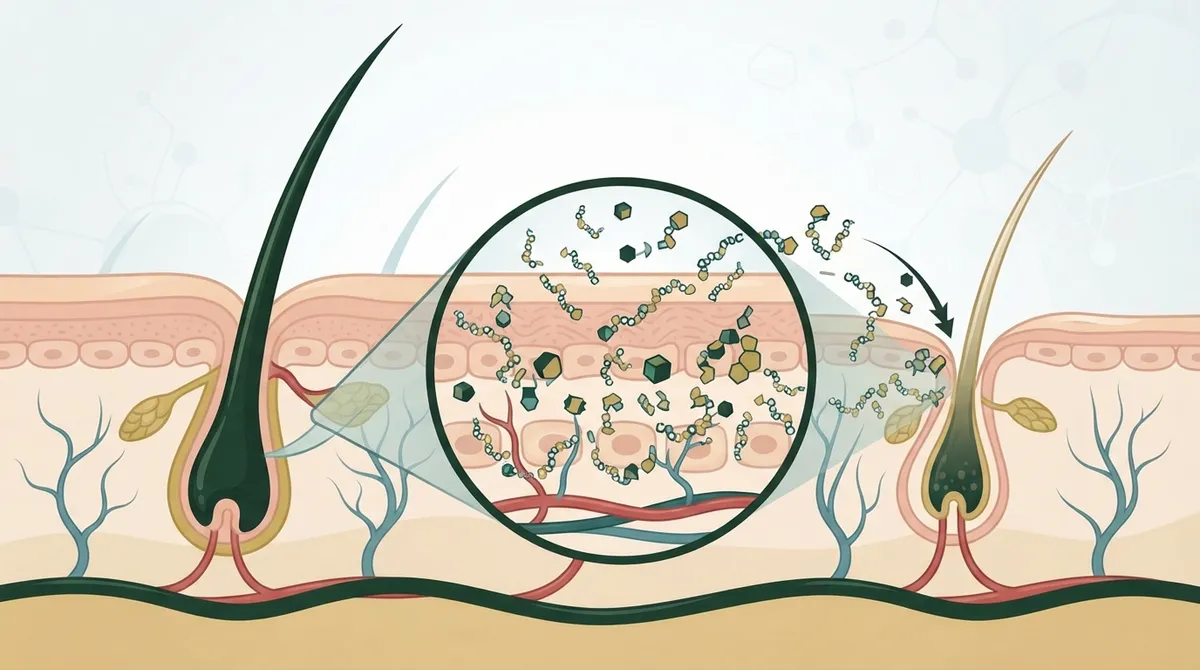
Peptides are tiny chains of amino acids that act like messengers in your body. You can learn more about the basics in this guide to what peptides are. Some peptides may help skin, muscle, or metabolism. For hair, researchers are looking at whether certain peptides can support the tiny structures in your scalp called hair follicles.
Right now, this is still an emerging area. It is not yet an established, stand-alone treatment the way minoxidil or finasteride are. Think of it as a promising research direction rather than a guaranteed fix. Being honest about that helps you make smarter decisions about your own hair health journey.
The Most Talked-About Peptide: GHK-Cu
GHK-Cu, also known as copper tripeptide-1, is the peptide most often mentioned for hair. It shows up in topical serums and some injectable products. Early lab studies suggest it may support cells in the hair follicle, help with tissue remodeling, and encourage small blood vessels to form near the follicle.
That sounds exciting, and it is. But most of this evidence comes from lab dishes and animal studies, not large human trials. According to the Peptide Science Institute, human evidence for GHK-Cu is mostly limited to topical use in small, controlled studies. That’s a big difference from proven, large-scale clinical results.

Other Peptides Being Studied for Hair Health
GHK-Cu isn’t the only name you’ll hear. Researchers are also looking at a handful of other peptides, each at different stages of study:
- AHK-Cu: A cousin to GHK-Cu, studied for similar follicle-support properties
- Acetylated biomimetic peptides: Lab-designed peptides meant to mimic natural signaling molecules
- Thymosin beta-4: Studied broadly for tissue repair, but hair-specific human evidence is thin
- BPC-157: Popular for recovery and healing, though solid hair-growth trial data is still lacking
- PTD-DBM: An early-stage research peptide explored for follicle signaling
- PP405: A newer investigational compound with some encouraging early results
If you’re curious about BPC-157 for other uses, our article on BPC-157 peptide facts covers what it’s actually backed by evidence for today.
What the Numbers Actually Show
Let’s look at some real data points, because numbers help cut through the noise. A phase 2A study of PP405 involved 78 participants. After 8 weeks, 31% saw more than a 20% increase in hair density. That’s interesting, but it’s still early-stage research, not proof the treatment works for everyone.
A 2025 report also looked at GHK-Cu delivered through microneedling. Density improved by 18% at 24 weeks, compared to 7% with microneedling alone. Sounds impressive, right? Just remember, this combined two treatments together. We can’t say for certain the peptide alone caused the improvement.
| Peptide or Compound | Evidence Level | Typical Use |
|---|---|---|
| GHK-Cu (topical) | Small human pilot studies | Serums, combined with microneedling |
| GHK-Cu (injectable) | Very limited human data | Compounded clinic protocols |
| PP405 | Early phase 2A trial | Investigational, not widely available |
| Thymosin beta-4 | Lacks hair-specific trials | Studied more for tissue repair |
| BPC-157 | Lacks hair-specific trials | Studied more for recovery, gut healing |
Topical vs. Injectable: Why the Difference Matters
Here’s something a lot of people miss. Topical copper peptide products you find in cosmetic serums are not the same as injectable or compounded peptide protocols offered at some clinics. They work differently, absorb differently, and carry different levels of oversight.
Injectable GHK-Cu and other research peptides for hair generally lack FDA approval specifically for hair loss. They also often lack standardized dosing and long-term safety data. That doesn’t mean they’re automatically unsafe, but it does mean you deserve a licensed provider who can walk you through the real risks and unknowns, not just a sales pitch.
Why Medical Evaluation Comes First
Before jumping into any hair treatment, it helps to know why you’re losing hair in the first place. Hair shedding can come from several different causes:
- Androgenetic alopecia (the common genetic pattern of thinning)
- Telogen effluvium (temporary shedding after stress, illness, or big life changes)
- Alopecia areata (an autoimmune condition causing patchy hair loss)
- Thyroid imbalances or iron deficiency
- Certain medications, including some GLP-1 treatments
- Inflammatory scalp conditions
Interestingly, a 2025 review of GLP-1 receptor agonists found hair loss reported in 14.2% of 246 patients in one observational dataset. This is about medication-related or weight-loss-related shedding, not evidence that GLP-1 peptides treat hair loss. If you’re on a weight loss peptide plan and noticing changes in your hair, that’s worth discussing with your provider. Learn more in our guide on what causes GLP-1 side effects and how to manage them.
Getting proper bloodwork and a real diagnosis matters more than jumping straight to a trendy treatment. This is exactly why personalized care, built around your own labs, tends to work better than one-size-fits-all protocols.
What Still Works Best for Hair Loss Today
Peptides are exciting, but they aren’t replacements for treatments with a longer track record. For androgenetic alopecia, the most solid, evidence-backed options remain:
- Topical minoxidil, applied consistently over months
- Finasteride or dutasteride, when medically appropriate and prescribed
- Addressing underlying issues like thyroid problems or nutrient deficiencies
Peptides currently sit best as possible add-ons, not replacements. Some clinics combine peptide-containing products with minoxidil, microneedling, or other treatments like 5-aminolevulinic acid. These combination studies show promise, but it’s tough to know exactly how much the peptide itself contributes versus the other treatments layered on top.
How Long Before You’d See Results?
Patience is key with any hair treatment, peptide-based or not. Most studies measuring hair density improvements track results over roughly 20 to 24 weeks. That’s about five to six months of consistent use before you’d expect to notice real changes.
Keep in mind that protocols, formulations, and delivery methods vary a lot between studies. This makes it hard to directly compare results from one peptide product to another. If someone promises overnight results, that’s a red flag worth paying attention to.
How Peptide Therapy Fits Into a Bigger Wellness Picture
Many of our clients at Allura Longevity come to peptide therapy for energy, recovery, or metabolic support first, then get curious about other applications like hair and skin. That curiosity makes sense. Peptides that support tissue repair and cellular signaling may have ripple effects across your body, though hair-specific claims still need more research.
If you’re already exploring peptides for other goals, it’s worth reading about how to start peptide therapy safely and see real results. The same principles apply here: start with bloodwork, work with a licensed provider, and set realistic expectations.
For general information on peptides and their growing role in wellness, the WebMD overview of peptides is a helpful starting point. And if you want to dig into more clinical detail on peptide science, the National Library of Medicine offers deeper research summaries.
Questions to Ask Before Trying Any Hair Peptide Protocol
Before committing time and money to a hair peptide treatment, it helps to ask a few honest questions:
- What type of hair loss do I actually have, based on a real diagnosis?
- Is this peptide topical or injectable, and what does the evidence say for each?
- Is my provider licensed and able to monitor my bloodwork and progress?
- Am I combining this with proven treatments like minoxidil, or using it alone?
- What’s a realistic timeline, and how will we measure if it’s working?
These questions protect you from overspending on treatments that overpromise. They also help you build a plan that’s actually tailored to your body, not a generic template.
Why Working With a Licensed Telehealth Provider Matters
Peptide therapy, whether for hair, energy, or recovery, works best when it’s personalized. That means starting with real lab work through a trusted provider like LabCorp, then building a plan around your specific results and goals. It also means having a licensed provider who can adjust your plan over time based on how your body responds.
At Allura Longevity, care starts with a simple $50 virtual consultation. From there, clients complete bloodwork and receive a custom six-month treatment plan, shipped right to their door. Our team, led by board-certified Family Nurse Practitioner Ashley, provides ongoing monitoring so your plan can shift as your needs change. This same thoughtful approach applies whether you’re interested in hormone therapy for hair loss, recovery support, or general vitality goals.
We’re proud to offer telehealth care nationwide, with licensing in Florida, Georgia, Texas, Connecticut, Indiana, Maryland, New York, and California. Whether you’re a busy professional who can’t make it to in-person appointments, or a biohacker who wants data-driven, lab-based protocols, our model is built to fit real life.
Setting Realistic, Healthy Expectations
We want to be your honest resource, not just another company selling a quick fix. Peptide therapy for hair loss is a genuinely exciting area of research, but it’s still developing. No peptide currently has broad approval specifically for treating hair loss. That means any treatment plan should be viewed as investigational and paired with proven basics like proper diagnosis, good nutrition, and evidence-based medications when appropriate.
If you’re already using peptides for other wellness goals, like the ones covered in our guide to peptides for muscle gain or our breakdown of peptides for fat loss, it makes sense to ask your provider about hair health as part of your overall plan rather than treating it separately.
Ready to Talk to a Licensed Provider About Your Hair Health Goals?
Hair loss can feel personal and frustrating, but you don’t have to figure it out alone or rely on guesswork. A licensed provider can help you understand what’s really behind your shedding and whether peptide-based options make sense alongside proven treatments. Spots are limited each month, so if you’re ready for a personalized plan built around your own labs and goals, request a consultation with our team today. You can also call us directly at (813) 510-6277 to ask questions before you get started. Your hair health journey deserves real answers, not guesswork, and we’re here to help you find them.
FAQs
Q: Do copper peptides like GHK-Cu actually regrow hair?
A: GHK-Cu shows promise in lab studies for supporting follicle health, but human evidence is still limited and mostly involves small, topical studies. It’s a hopeful area of research, not a guaranteed fix, so think of it as one possible piece of a bigger hair health puzzle.
Q: Are peptide injections for hair loss FDA-approved?
A: No peptide currently has broad FDA approval specifically for treating hair loss, including injectable GHK-Cu. That’s why it’s so important to work with a licensed provider who can explain the real evidence and help you make an informed choice.
Q: Can peptide therapy be combined with minoxidil or finasteride?
A: Yes, some research looks at peptides used alongside proven treatments like minoxidil, microneedling, or finasteride. These combination approaches show encouraging results, though it’s hard to know exactly how much the peptide itself contributes versus the other treatments.
Q: How long does peptide therapy take to show hair-growth results?
A: Most studies measure changes over about 20 to 24 weeks, so patience really is part of the process. If any product promises instant results, that’s a good sign to slow down and ask more questions.
Q: Should peptide therapy be used for all types of hair loss?
A: Not necessarily. Hair loss can come from several different causes, including androgenetic alopecia, telogen effluvium, or thyroid issues, and each needs its own approach. A proper medical evaluation helps make sure you’re treating the actual cause, not just guessing.





