
Key Takeaways
-
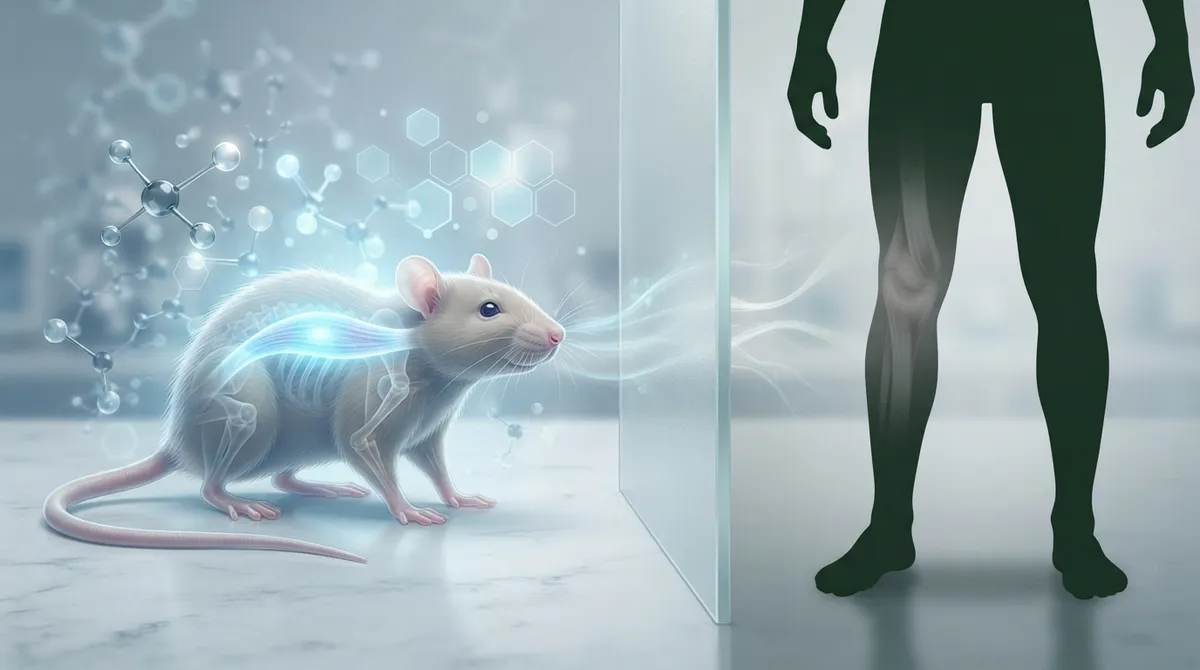
BPC-157 lacks human clinical trial evidence for tendon repair despite promising animal studies; the 2025 research review found only three small human pilot studies, none specifically testing tendon healing.
-
BPC-157 is not FDA-approved and sold as research-use only, with highly variable product quality, sterility, and purity between suppliers unless obtained from licensed medical providers.
-
Animal studies show improved tendon healing in rats through proposed mechanisms like angiogenesis support and collagen organization, but results cannot be reliably scaled to human biology and metabolism.
-
Long-term safety data is unknown; short-term pilot studies showed no major adverse effects, but risks from improper injection technique, drug interactions, and contaminants remain unstudied in humans.
-
BPC-157 should complement, never replace, evidence-based treatments like physical therapy, eccentric loading exercises, and PRP, which have stronger human research supporting tendon healing.
-
Responsible exploration requires working with licensed medical providers who review health history, conduct baseline bloodwork, and provide personalized monitoring rather than self-treating or using unregulated suppliers.
If you’ve ever dealt with a stubborn tendon injury, you know the frustration. Rest doesn’t seem to help fast enough. Physical therapy feels slow. And somewhere along the way, you probably stumbled across BPC-157 for tendon repair on a forum, a podcast, or a friend’s group chat. It’s exciting stuff, but before you get too far down the rabbit hole, let’s talk honestly about what the science actually shows.
This peptide has become a hot topic among athletes, biohackers, and anyone chasing faster recovery. But there’s a big gap between what happens in a lab rat’s Achilles tendon and what happens in your shoulder or knee. We’re going to walk through the real research, the real risks, and the real questions you should ask before considering BPC-157 as part of your recovery plan. Think of this as the friendly, no-nonsense guide we wish someone had handed us before we started googling at midnight.
1. What Exactly Is BPC-157?
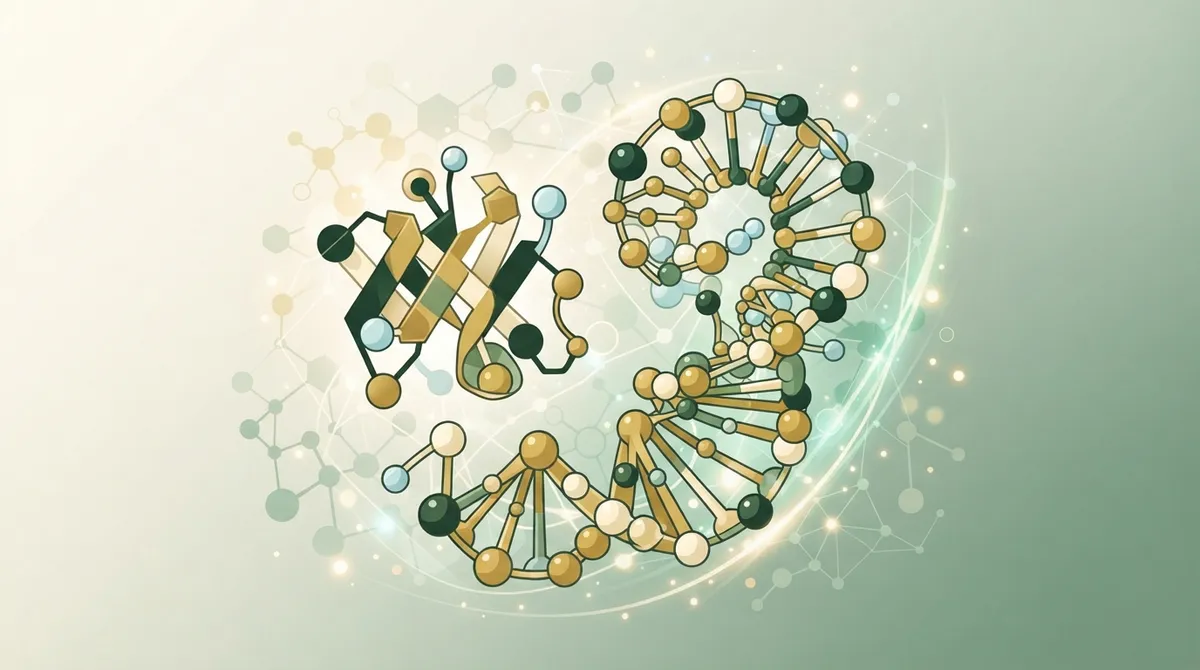
BPC-157 is a synthetic peptide made of 15 amino acids. It was originally derived from a protective compound found in human gastric juice. In the world of peptide therapy, it’s studied mainly for its potential role in tissue repair, including tendons, ligaments, muscles, and wounds.
If you’re new to this world, it helps to understand what are peptides in the first place. Peptides are short chains of amino acids that act like messengers in your body, telling cells what to do. Some support muscle repair, some support metabolism, and some are being studied for their role in healing damaged tissue. Our guide on 8 Facts That Explain What Are Peptides in 2026 is a great starting point if you want the basics before diving deeper into BPC-157 specifically.
2. The Animal Research Behind the Hype
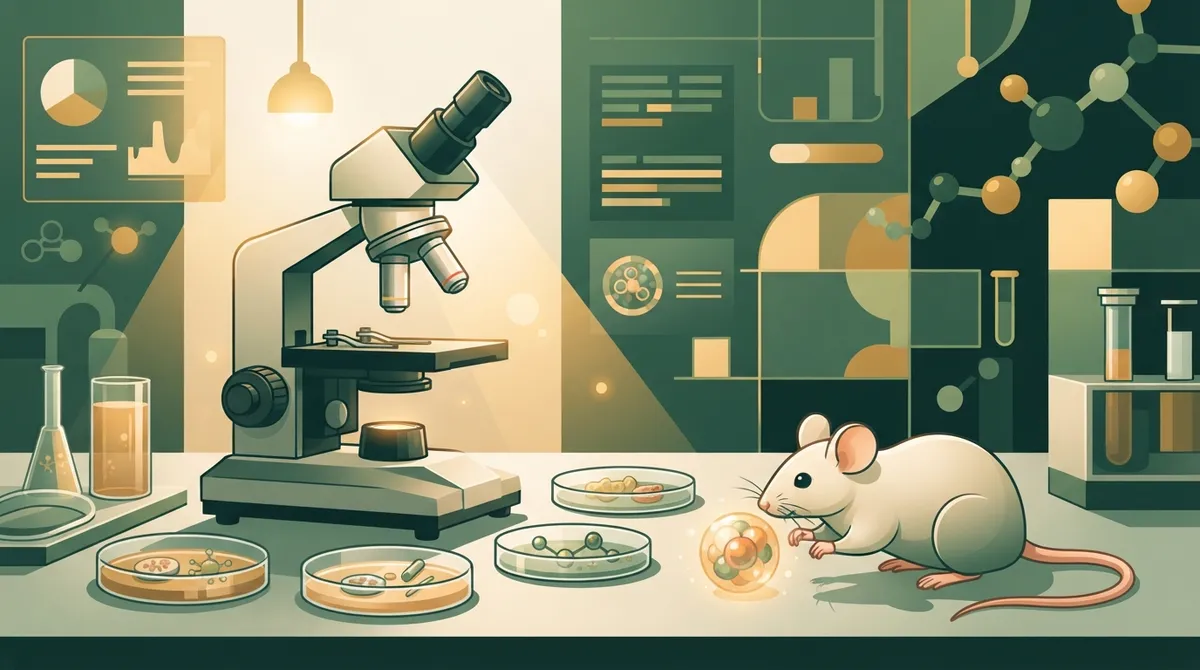
Most of what we know about BPC-157 and tendon healing comes from animal studies, not human trials. This is important to say clearly and often, because a lot of online chatter blurs this line.
A well-known 2003 study looked at rats with surgically cut Achilles tendons. Researchers gave the animals BPC-157 at tiny doses, measured in micrograms, nanograms, and even picograms per kilogram, delivered directly into the abdomen. The results were interesting on paper. Treated rats showed better failure load, improved Young’s modulus (a measure of tissue stiffness), higher Achilles functional index scores, and better microscopic healing compared to untreated rats.
Sounds promising, right? It is, scientifically speaking. But here’s the catch: you cannot simply scale a rat dose up to a human dose. Bodies are different. Metabolism is different. And a healing response in a lab animal doesn’t guarantee the same response in a 45-year-old runner with a partial Achilles tear.
3. How BPC-157 Might Work (In Theory)
Researchers have proposed a few mechanisms for why BPC-157 might support tendon repair in animal models. These ideas are still being studied and haven’t been fully confirmed in humans, but they’re worth understanding:
- Angiogenesis support: BPC-157 may help organize blood vessel growth, which is critical for delivering nutrients to healing tissue.
- Fibroblast activity: It may stimulate the cells responsible for producing collagen, the building block of tendons.
- Collagen organization: Some studies suggest better collagen alignment in treated tissue, which could mean stronger healing.
- Tendon-to-bone healing: Early research hints at potential support for the junction where tendon meets bone, a notoriously slow-healing area.
These mechanisms are exciting from a research standpoint. But “exciting research direction” is very different from “proven human treatment.” We want to be honest with you about that distinction.
4. What the Human Evidence Actually Shows
Here’s where things get real. A 2025 narrative review of BPC-157 research found only three small human pilot studies. None of them focused specifically on tendon repair. They looked at things like knee pain, interstitial cystitis, and basic safety or pharmacokinetics data when given intravenously.
That means there is currently no strong human clinical trial proving BPC-157 heals torn tendons, speeds up tendinopathy recovery, or improves outcomes after tendon surgery. A separate 2025 orthopedic sports-medicine review analyzed 36 total studies published between 1993 and 2024, and the overwhelming majority were preclinical, meaning animal or lab-based, not human trials.
If someone tells you BPC-157 is “clinically proven” for tendon repair in people, that claim outpaces the actual research. We’d rather give you the full picture than an oversimplified sales pitch.
Quick Comparison: Animal Data vs. Human Data
| Research Area | Animal Studies | Human Studies |
|---|---|---|
| Tendon transection healing | Multiple positive findings (rats) | None specific to tendon repair |
| Biomechanical strength (failure load, stiffness) | Improved in treated rats | Not established |
| Collagen organization | Reported improvements | Not established |
| Safety and dosing | Studied in controlled lab settings | Very limited pilot data |
| FDA approval status | Not applicable | Not FDA-approved for tendon repair |
5. Is BPC-157 FDA-Approved or Legal?
No, BPC-157 is not FDA-approved for tendon repair or any other human use. It’s often sold or discussed as a “research use only” compound, which means it hasn’t gone through the rigorous testing required for approved medications.
This matters for a few reasons. Product quality can vary widely between suppliers. Sterility, concentration, and purity aren’t guaranteed unless you’re working with a legitimate, licensed medical provider. Regulations around compounded peptides are also evolving, so what’s allowed today may look different next year. If you’re considering any peptide therapy, it’s worth reading our article on 9 BPC-157 Peptide Facts to Know Before You Start to understand the current landscape.
6. Understanding the Real Risks
Because human safety data is so limited, it’s hard to say with confidence what long-term risks look like. Here’s what we do know and don’t know:
- Short-term studies show no major red flags: The small human pilot studies reported no serious adverse effects, but the sample sizes were tiny.
- Long-term safety is unknown: Nobody has studied what happens after months or years of regular use.
- Product sourcing matters a lot: Unregulated products may contain contaminants, incorrect dosing, or inactive ingredients.
- Injection technique carries its own risks: Improper administration can lead to infection or tissue damage, regardless of what’s in the syringe.
- Drug interactions aren’t well studied: If you’re on other medications, this is uncharted territory.
This is exactly why working with a licensed provider matters so much. A qualified medical team can help you weigh these unknowns against your specific health history, something a random online seller simply cannot do.
7. Can BPC-157 Be Used Alongside Physical Therapy or Surgery?
This is one of the most common questions we hear, and it’s a smart one to ask. Some people wonder if BPC-157 could complement physical therapy or support recovery after a tendon repair surgery.
The honest answer is that there’s no solid human research confirming BPC-157 improves outcomes when combined with these standard treatments. That doesn’t mean it’s impossible, it just means we don’t have the data yet. What we do know is that physical therapy, structured rehab, and surgical repair when needed remain the evidence-based foundation of tendon recovery. BPC-157 should never be seen as a replacement for these approaches.
If you’re exploring how peptides fit into a broader recovery or wellness plan, our article on 6 Peptides for Wound Healing Worth Knowing in 2026 offers helpful context on how different peptides are being studied for tissue support.
8. How Long Does It Take to See Results?
This is tricky to answer honestly. Because human tendon-specific trials don’t exist yet, there’s no verified timeline for how long BPC-157 might take to “work” for tendon injuries in people. Animal studies typically measured healing over several weeks, but again, rats and humans heal at different rates and through different biological pathways.
Anyone who promises you a guaranteed timeline, like “two weeks and you’ll be back to sport,” is making a claim that current science simply doesn’t support. Real recovery timelines depend on the type and severity of your injury, your overall health, your rehab program, and many other individual factors.
9. What Does a Responsible Peptide Therapy Approach Look Like?
If you’re still interested in exploring peptide therapy for recovery support, the smartest path forward involves working with licensed medical professionals rather than self-treating. Here’s what a responsible approach typically includes:
- A thorough health history and blood work review before any treatment plan begins
- Clear conversations about what current research does and doesn’t show
- Realistic expectations instead of guaranteed outcomes
- Ongoing monitoring and adjustments based on how your body responds
- Coordination with physical therapy or other rehab efforts, not replacement of them
This is the model we follow at Allura Longevity. Every plan starts with a virtual consultation and lab work through LabCorp, so treatment decisions are based on your actual biology, not guesswork. Our licensed providers, led by board-certified Family Nurse Practitioner Ashley, build customized six-month plans and stay involved through ongoing monitoring. If you want to learn more about starting safely, check out How to Get Prescription Peptides Safely in 2026.
Steps to Explore Peptide Therapy Responsibly
| Step | What Happens |
|---|---|
| 1. Initial consultation | Discuss your health history, goals, and injury details with a licensed provider |
| 2. Blood work | Complete labs through LabCorp to understand your baseline health |
| 3. Personalized plan | Receive a treatment plan tailored to your bloodwork and goals |
| 4. At-home delivery | Peptides shipped directly to your door for convenient administration |
| 5. Ongoing monitoring | Regular check-ins and adjustments from your care team |
10. Evidence-Based Alternatives Worth Considering
While BPC-157 research continues to develop, there are well-established approaches to tendon healing that already have stronger human evidence behind them. These include:
- Eccentric loading exercises: Widely supported physical therapy technique for tendinopathy
- Platelet-rich plasma (PRP): Has more clinical research in tendon and joint injuries
- Structured rehab programs: Progressive loading protocols designed by physical therapists
- Nutrition support: Adequate protein and collagen-supporting nutrients for tissue repair
- Other peptides under research: Some peptide compounds have different, sometimes more established, safety profiles worth discussing with your provider
According to information reviewed by the National Library of Medicine, tissue repair research is an evolving field, and treatment decisions should always be grounded in the strongest available evidence. This is why a personalized, medically guided approach matters so much when you’re recovering from injury.
If you’re curious about how peptide therapy fits into a broader recovery and wellness strategy, our resource on What Are Regenerative Medicine Peptides, and Do They Work? is a helpful next read.
Bringing It All Together
BPC-157 for tendon repair is a genuinely fascinating area of research, and we understand why it’s captured so much attention. The animal data is encouraging. The theory behind it makes sense. But right now, the human evidence just isn’t there yet to call it a proven tendon treatment.
What we can promise you is honesty, personalized care, and a team that treats your recovery like the priority it is. Whether you’re an athlete chasing peak performance, a busy professional trying to bounce back from an injury, or simply someone who wants science-backed guidance instead of internet guesswork, working with licensed providers makes all the difference.
Ready to talk through your options with someone who actually knows your labs, your history, and your goals? We’d love to help you figure out the smartest, safest path forward. Request a consultation today, spots fill up each month, and our team is here to guide you every step of the way.
FAQs
Q: Does BPC-157 actually repair torn tendons in humans?
A: Right now, there’s no strong human research proving BPC-157 repairs torn tendons. The encouraging results come from animal studies, so we can’t say the same effects happen in people yet.
Q: What does the research say about BPC-157 for Achilles tendon injuries?
A: A well-known 2003 rat study showed improved healing measures after Achilles tendon transection, but this was in animals only. No large human trials have confirmed similar results for Achilles injuries in people.
Q: Is BPC-157 FDA-approved or legal to use for tendon injuries?
A: No, BPC-157 is not FDA-approved for tendon repair or any human use. It’s typically labeled research use only, so working with a licensed provider is essential if you’re considering it.
Q: What are the risks and side effects of BPC-157 peptide therapy?
A: Small human pilot studies reported no major adverse effects, but long-term safety data simply doesn’t exist yet. Product quality, dosing, and injection technique all carry their own risks too.
Q: What are safer, evidence-based alternatives to BPC-157 for tendon healing?
A: Eccentric loading exercises, platelet-rich plasma, structured physical therapy, and good nutrition all have stronger human evidence for tendon healing. These remain the gold standard while BPC-157 research continues to develop.





