

Key Takeaways
-
Constant fatigue that doesn't improve with sleep, loss of muscle mass despite training, and increased belly fat are the most critical signs of low testosterone that warrant immediate blood work screening.
-
Low testosterone affects cellular energy production, muscle protein synthesis, and metabolism; it's not just about libido but impacts mood, bone strength, and heart health across your entire body.
-
Blood work is essential before starting any treatment because testosterone drops due to multiple factors (aging, stress, poor sleep, excess body fat, medications) that require a personalized approach to address.
-
Peptide therapy stimulates your body's natural hormone production rather than replacing hormones directly, making it a gentler option that many people combine with lifestyle changes for better results.
-
Sexual performance changes and low libido are often the most responsive symptoms to treatment, with many clients reporting significant improvements within just a few weeks of starting a personalized plan.
-
Telehealth consultations eliminate waiting room visits, allow blood work at local labs, and deliver treatment discreetly to your home while providing ongoing provider monitoring and plan adjustments.
Feeling tired all the time? Struggling to build muscle no matter how hard you train? You might be dealing with low testosterone, and you’re definitely not alone. Millions of men (and even some women) quietly deal with this hormone imbalance every year without knowing what’s causing it.
The good news is that once you spot the signs of low testosterone, you have real options. Peptide therapy has become a popular, science-backed way to support your body’s natural hormone production and get you feeling like yourself again. In this article, we’ll walk through five key signs to watch for, explain why they happen, and show you how personalized treatment plans can help you bounce back. Whether you’re a busy professional running on fumes or an active adult chasing better recovery, this guide is for you.

Why Testosterone Matters More Than You Think
Testosterone isn’t just about muscle and libido. This hormone plays a huge role in energy, mood, bone strength, and even heart health. When levels drop, it can affect nearly every part of your daily life.
Testosterone naturally declines with age, usually starting around your 30s. But stress, poor sleep, extra body fat, and certain health conditions can speed things up. That’s why more people are turning to peptides for men to help support healthy hormone levels safely and naturally.
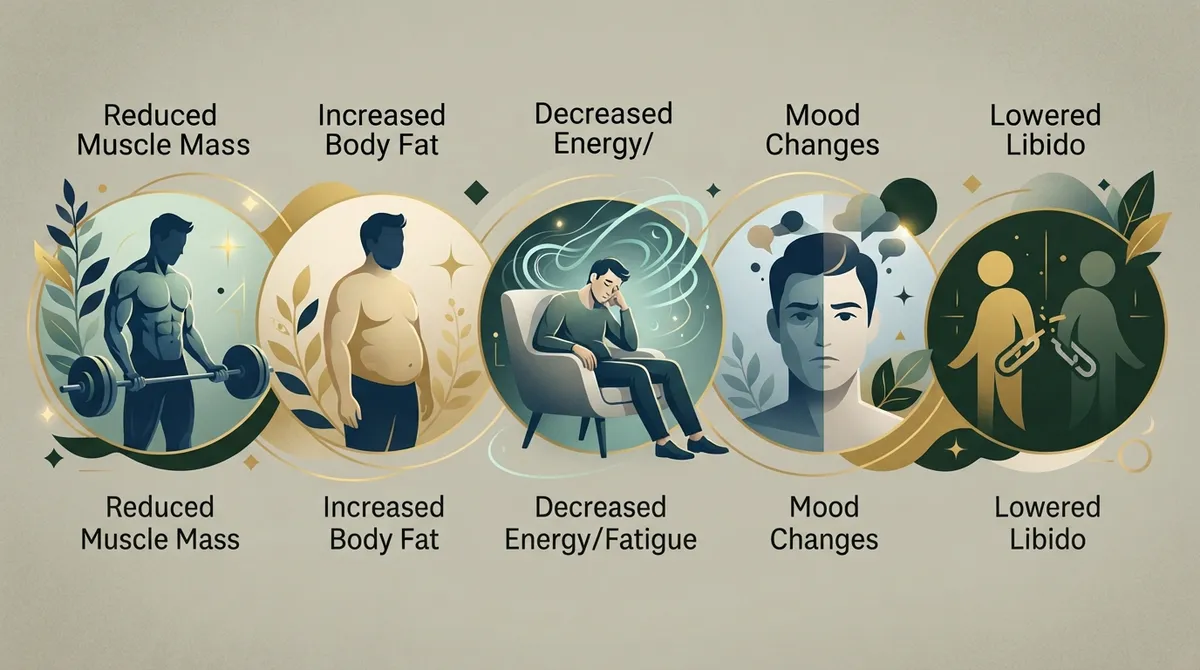
5 Signs of Low Testosterone You Shouldn’t Ignore
Here are the most common signs of low testosterone. If a few of these sound familiar, it might be time to get your levels checked.
1. Constant Fatigue That Sleep Doesn’t Fix
Feeling wiped out even after a full night’s rest is one of the earliest signs of low testosterone. This isn’t your average tiredness. It’s a deep, persistent exhaustion that makes everyday tasks feel harder than they should.
Low testosterone affects your energy at the cellular level. Your body needs this hormone to produce energy efficiently. Without enough of it, you might feel sluggish no matter how much coffee you drink or how early you go to bed.
2. Loss of Muscle Mass and Strength
Have you noticed it’s harder to build or keep muscle, even with regular workouts? This is a classic sign that testosterone levels have dropped. Testosterone plays a direct role in muscle protein synthesis, which is how your body repairs and grows muscle tissue.
If your gains have stalled or your strength has quietly slipped, don’t just blame your training routine. Your hormones might be working against you. Many people explore peptides for muscle gain to help support recovery and lean muscle development alongside proper hormone balance.
3. Low Sex Drive and Performance Changes
Testosterone is closely tied to libido and sexual function. A noticeable drop in interest, or changes in performance, is often one of the first things people notice. It can feel awkward to bring up, but it’s incredibly common and nothing to be embarrassed about.
The good news? This is often one of the most responsive symptoms to treatment. Many clients report improvements within just a few weeks of starting a personalized plan.
4. Mood Swings, Irritability, or Brain Fog
Low testosterone doesn’t just affect your body. It affects your mind, too. You might notice you’re more irritable, anxious, or just not as sharp as you used to be. Some people describe it as feeling like they’re moving through a fog all day.
These mental and emotional symptoms are easy to dismiss as stress or lack of sleep. But if they’re paired with physical symptoms, hormone imbalance could be the real culprit. It’s worth learning more about why brain fog lifts with peptide therapy if this sounds familiar.
5. Increased Body Fat, Especially Around the Midsection
When testosterone drops, your body’s ability to regulate fat storage changes too. Many people notice weight gain around the belly, even without changes to their diet or exercise habits. This happens because low testosterone can slow metabolism and increase fat storage.
This symptom often overlaps with other metabolic issues, which is why some clients look into which weight loss peptides actually work as part of a broader wellness plan.
Quick Reference: Signs of Low Testosterone at a Glance
| Sign | What It Feels Like | Why It Happens |
|---|---|---|
| Fatigue | Tired even after sleeping well | Reduced cellular energy production |
| Muscle Loss | Harder to build or keep muscle | Less muscle protein synthesis |
| Low Libido | Reduced interest or performance | Direct hormonal link to sex drive |
| Mood Changes | Irritability, anxiety, brain fog | Hormones affect brain chemistry |
| Weight Gain | Extra fat around the belly | Slower metabolism, fat storage shifts |
What Causes Low Testosterone Anyway?
There isn’t just one reason testosterone drops. It’s usually a mix of factors working together. Understanding the root cause helps your provider design the right treatment plan for you.
- Natural aging, which usually begins in your 30s and continues gradually
- Chronic stress and elevated cortisol levels
- Poor sleep quality or sleep disorders
- Excess body fat, especially visceral fat around organs
- Certain medications or underlying health conditions
- Lack of physical activity or resistance training
Because so many factors are involved, guessing at a solution rarely works well. That’s why blood work is such an important first step before starting any treatment.
How Peptide Therapy Supports Healthy Testosterone Levels
Peptides are short chains of amino acids that act as messengers in your body. Some peptides can help stimulate your body’s own hormone production, rather than replacing hormones directly. This makes them an appealing option for people who want a more natural approach to hormone balance.
If you’re new to this world, it helps to first understand what peptides are and how they work with your body’s existing systems. According to what are peptides, these molecules play a role in nearly every biological process, including hormone regulation.
Steps to Getting Started With Peptide Therapy
- Schedule a virtual consultation with a licensed provider to discuss your symptoms and goals.
- Complete blood work through a trusted lab to get a full picture of your hormone levels.
- Receive a personalized six-month treatment plan based on your specific results.
- Get your peptides shipped directly to your home for easy, private administration.
- Check in regularly with your provider so your plan can be adjusted as needed.
This process removes the guesswork. Instead of trying random supplements, you get a plan built around your actual biology. If you want to learn more about this process, check out this guide on how to start peptide therapy safely and see real results.
Comparing Treatment Approaches
| Approach | How It Works | Best For |
|---|---|---|
| Peptide Therapy | Stimulates natural hormone production | Those seeking a gentler, personalized option |
| Testosterone Replacement | Directly replaces testosterone levels | Those with significantly low levels |
| Lifestyle Changes Alone | Diet, exercise, and sleep improvements | Mild symptoms or early prevention |
Many clients actually combine approaches for better results. If you’re curious how these options stack up, this comparison of testosterone vs. peptides breaks it down further. Research published by the National Library of Medicine also supports the growing interest in peptide-based hormone support strategies.
Why Telehealth Makes This Easier Than Ever
Gone are the days of taking time off work for in-person clinic visits. Telehealth has made hormone therapy more accessible and convenient than ever before.
Here’s why busy professionals and health optimizers love this approach:
- Consultations happen from your phone or computer, no waiting rooms required
- Blood work can often be done at a local lab near your home or office
- Treatment plans are shipped directly to your door in discreet packaging
- Ongoing support means you’re never left guessing about your progress
- You get expert care no matter where you live within licensed states
If you’re comparing your options, this breakdown of local clinic vs. telehealth peptide therapy can help you decide what fits your lifestyle best.
Who Should Consider Getting Checked?
You don’t need to wait until symptoms become severe. If you’re noticing even mild versions of the signs we covered, it’s worth having a conversation with a licensed provider.
This is especially true if you fall into any of these categories:
- You’re over 30 and starting to notice unexplained changes in energy or mood
- You train regularly but aren’t seeing expected results in muscle or recovery
- You’re already health-conscious and want to optimize based on real data
- You’ve tried lifestyle changes without much improvement in symptoms
Getting your levels tested is simple, and it gives you real answers instead of guesswork. Allura Longevity makes this process easy with a straightforward starting consultation and comprehensive lab work through LabCorp.
What to Expect From Your First Consultation
Starting your journey doesn’t have to feel intimidating. Most people are surprised at how simple and welcoming the process actually is.
During your first visit, you’ll talk with a licensed provider about your symptoms, health history, and goals. From there, you’ll complete blood work to get a clear picture of your hormone levels. Once results are in, your provider builds a custom plan designed specifically for your body, not a one-size-fits-all template.
Care doesn’t stop after your first shipment arrives. Ongoing monitoring means your plan can be adjusted as your body responds, ensuring you get the best possible results over time.
Ready to Feel Like Yourself Again?
Living with low testosterone symptoms can feel frustrating and confusing, especially when you’re doing everything right but still not feeling your best. The good news is that you don’t have to figure this out alone. Allura Longevity offers personalized, physician-guided peptide therapy designed around your unique blood work and health goals, with everything delivered right to your door.
Spots for new clients are limited each month, so if you’re ready to take control of your energy, strength, and overall vitality, now is a great time to act. You can request a consultation today and take the first step toward feeling like the best version of yourself. Our licensed providers, led by board-certified Family Nurse Practitioner Ashley, are here to support you every step of the way.
FAQs
Q: What are the most common signs of low testosterone?
A: The most common signs include constant fatigue, loss of muscle mass, low sex drive, mood swings, and increased belly fat. If you’re noticing a few of these together, it’s a good idea to get your hormone levels checked with a licensed provider.
Q: Can peptide therapy really help with low testosterone symptoms?
A: Yes! Many peptides work by supporting your body’s natural hormone production rather than replacing it directly. This can be a gentler, more personalized approach compared to traditional hormone replacement.
Q: How do I know if I need testing for low testosterone?
A: If you’re experiencing ongoing fatigue, muscle loss, low libido, or unexplained weight gain, it’s worth getting blood work done. A simple lab test can give you clear answers instead of guessing about the cause.
Q: Is telehealth peptide therapy safe and effective?
A: Absolutely. Telehealth peptide therapy involves the same licensed medical oversight as in-person care, just with added convenience. You’ll complete blood work, get a personalized plan, and receive ongoing monitoring from your provider.
Q: How long does it take to see results from treatment?
A: Many people start noticing improvements in energy and mood within a few weeks, though full results typically build over several months. Your provider will monitor your progress and adjust your plan along the way to help you get there faster.





