
Key Takeaways
-
TRT only improves libido when low testosterone is confirmed through repeat early-morning fasting blood tests showing levels below 300 ng/dL paired with multiple symptoms—low libido alone is insufficient for diagnosis.
-
Libido improvements from TRT are modest and take several months to appear, not dramatic overnight transformations; energy changes occur within weeks but sexual improvements require time as testosterone stabilizes.
-
Low libido caused by stress, depression, anxiety, medications, thyroid problems, obesity, or poor sleep won't significantly improve with TRT alone—a thorough evaluation identifying the true root cause is essential before treatment.
-
Regular monitoring during TRT is critical, including testosterone levels every 6-12 months, hematocrit checks (flagged above 54%), and prostate assessment, as TRT isn't appropriate for men with certain conditions like untreated sleep apnea or heart problems.
-
Peptide therapy products marketed for testosterone or libido lack solid clinical evidence and may carry safety risks if compounded or non-FDA-approved, making licensed provider oversight essential versus relying on unproven alternatives.
-
If normalized testosterone doesn't restore libido, reassess for other causes like chronic stress, depression, medication side effects, or sleep apnea rather than simply increasing your dose with proper provider guidance.
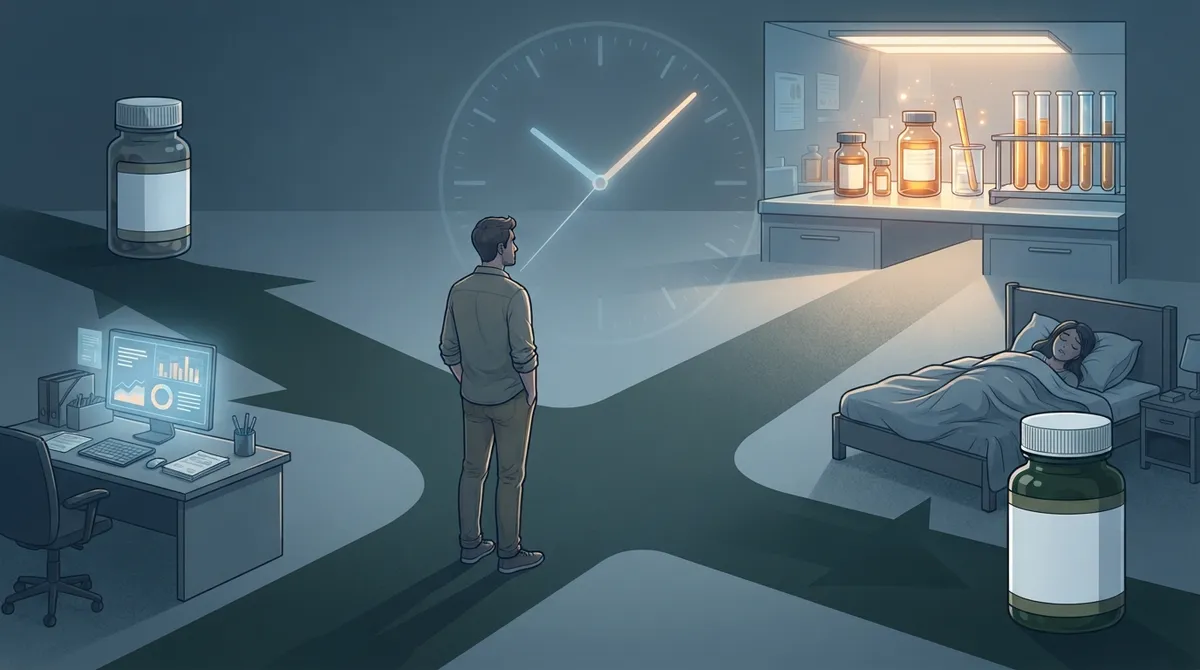
You’ve noticed your sex drive isn’t what it used to be, and you’re wondering if testosterone replacement therapy (TRT) is the answer. It’s one of the most common questions we hear at Allura Longevity, and honestly, it’s a fair one to ask. Low libido is frustrating, and it can quietly chip away at your confidence and your relationships. But here’s the thing: TRT for low libido only works when low testosterone is actually the reason behind it. If you jump straight to treatment without proper testing, you might miss the real cause entirely. In this guide, we’ll walk through what the research actually says, how doctors diagnose low testosterone, what TRT can (and can’t) do for your libido, and where peptide therapy fits into the bigger picture of feeling like yourself again.

What Low Libido Really Means (And Why Testing Matters)
Feeling less interested in sex once in a while is normal. Life gets stressful, sleep gets short, and desire naturally dips. But when low libido sticks around for months, it’s worth digging deeper. The tricky part is that low libido alone doesn’t prove you have low testosterone.
Major medical guidelines are clear on this point. Doctors should only diagnose hypogonadism (a fancy term for low testosterone) when several symptoms show up together with consistently low lab results. Those symptoms include reduced sexual desire, erectile trouble, fatigue, fertility issues, or loss of muscle mass. One symptom by itself, especially low libido, is not enough to confirm the diagnosis.
This is why a good provider won’t just take your word for it and hand you a prescription. They’ll want real numbers from real blood work. If you’re curious about what markers matter most, our guide on blood work analysis steps before starting treatment breaks it down simply.
The Testing Process, Step by Step
Getting an accurate diagnosis isn’t a one-and-done blood draw. Here’s what the process usually looks like:
- First morning test: Testosterone naturally peaks in the early morning, so labs are drawn fasting and early to get an accurate reading.
- Second confirming test: One low result isn’t enough. Guidelines call for a second early-morning, fasting test to confirm the finding.
- Cutoff comparison: The American Urological Association uses a total testosterone level below 300 ng/dL as a reasonable cutoff when symptoms are also present.
- Deeper hormone panel: If levels are confirmed low, doctors often check luteinizing hormone (LH), follicle-stimulating hormone (FSH), and prolactin to figure out where the problem is coming from.
- Lifestyle and health review: Your provider should also ask about medications, sleep apnea, obesity, and other health conditions that can lower testosterone or libido on their own.

Can TRT Actually Improve Sex Drive?
Here’s the honest answer: yes, but usually only a modest amount, and only in men who truly have confirmed low testosterone. A meta-analysis referenced in the Endocrine Society’s guideline found small improvements in libido, erectile function, sexual activity, and sexual satisfaction after treatment. These are real benefits, but they’re not dramatic overnight transformations.
TRT won’t fix low libido caused by other things like relationship stress, depression, anxiety, certain medications, thyroid problems, obesity, or poor sleep. If those issues are the real root cause, testosterone therapy alone likely won’t move the needle much. That’s why a thorough evaluation matters so much before starting any treatment plan.
How Long Before You Notice a Difference?
Patience is key here. Most men on properly monitored TRT start noticing changes in energy and mood within a few weeks, but improvements in libido can take longer, sometimes a few months, as testosterone levels stabilize in your target range. Regular monitoring helps your provider know if the dose needs adjusting.
TRT Delivery Methods: Which One Fits Your Life?
Testosterone replacement comes in several forms, and the right one depends on your goals, lifestyle, and how your body responds. Here’s a quick comparison:
| Delivery Method | How Often | Considerations |
|---|---|---|
| Injectable | Weekly or biweekly | Cost-effective, requires self-injection or clinic visits |
| Topical gel/cream | Daily | Easy to apply, risk of transfer to others through skin contact |
| Patch | Daily | Steady dosing, can cause skin irritation |
| Buccal (gum) | Twice daily | Absorbed through the gum line, requires consistency |
| Implantable pellets | Every 3-6 months | Long-lasting, requires minor procedure to insert |
If you want a deeper breakdown of how these options stack up, check out our article on how to choose the right testosterone therapy type.
Safety, Monitoring, and What to Watch For
TRT is generally safe when it’s supervised by a licensed provider who checks in regularly. But it’s not something to take lightly, and it isn’t right for everyone. Here are a few important safety points:
- The AUA recommends checking testosterone levels every 6 to 12 months during treatment to make sure they stay in the target range.
- Hematocrit (a measure of red blood cells) should be watched closely. A level above 54% is considered a red flag that may require dose changes or a pause in treatment.
- Prostate health should be assessed before starting and again 3 to 12 months later when appropriate, since testosterone can affect PSA levels.
- TRT is generally not recommended for men actively trying to conceive in the near future, since it can suppress sperm production.
- The Endocrine Society advises against TRT for men with prostate or breast cancer, severe untreated sleep apnea, recent heart events, or uncontrolled heart failure.
This is exactly why working with a licensed provider matters so much. At Allura Longevity, treatment plans start with a $50 virtual consultation and full LabCorp blood work, so nothing is guessed at. Every plan is built around your actual numbers, not just how you feel on a rough day.
Where Peptide Therapy Fits Into the Picture
You may have seen peptides marketed as a shortcut to boost testosterone or fix libido without the commitment of full TRT. It’s important to separate hype from evidence here. Many peptides sold for sexual wellness or hormone optimization, like certain growth-hormone secretagogues, don’t have solid evidence showing they reliably raise testosterone or resolve low libido on their own.
That doesn’t mean peptide therapy has no role. In fact, certain peptides are backed by real clinical interest for very specific goals, like PT-141 for sexual arousal pathways that work differently than testosterone. If you want to understand this distinction better, our piece on intimate wellness facts about PT-141 explains how it works differently from hormone replacement.
The key is not letting peptide products replace a proper hormone workup. According to the what are peptides overview from WebMD, peptides are short chains of amino acids that can influence many body processes, but that doesn’t mean every peptide product on the market is proven or regulated the same way as prescription testosterone. Compounded or non-FDA-approved products can carry uncertain purity and safety risks, so working with a licensed clinic matters.
TRT vs. Peptide Therapy: A Side-by-Side Look
| Factor | TRT | Peptide Therapy |
|---|---|---|
| Best for | Confirmed low testosterone with symptoms | Supporting energy, recovery, sleep, sexual wellness pathways |
| Evidence base | Strong, guideline-supported for hypogonadism | Varies widely by peptide; some limited, some emerging |
| Regulatory status | FDA-approved formulations available | Mixed; some compounded, requiring careful sourcing |
| Fertility impact | Can suppress sperm production | Generally different mechanism, varies by peptide |
| Monitoring needed | Bloodwork, hematocrit, PSA | Depends on specific peptide and goals |
For a broader comparison of these two approaches, our guide on comparing peptide therapy vs testosterone replacement is a helpful next read.
What If Libido Doesn’t Improve After TRT?
This happens more often than people expect, and it’s not a failure on your part. If your testosterone levels normalize but your libido still isn’t where you want it, it’s time to look at other possible causes. Common culprits include:
- Chronic stress or unresolved relationship tension
- Depression or anxiety, which can lower desire independent of hormones
- Side effects from other medications, including some antidepressants
- Poor sleep quality or undiagnosed sleep apnea
- Thyroid imbalances or other hormonal issues beyond testosterone
A good provider will circle back and reassess rather than just increasing your testosterone dose. This is where a truly personalized approach makes a difference, one that looks at your whole health picture rather than a single number.
Why Personalized, Supervised Care Matters Most
We get it: it’s tempting to want a quick fix. But your hormones and your libido are connected to so many parts of your health, sleep, stress, weight, mental health, that a one-size-fits-all approach rarely works long term. Research published through the National Library of Medicine reinforces that international guidelines consistently call for careful diagnosis and monitoring before and during testosterone therapy, not a symptom-only approach.
This is exactly the philosophy behind Allura Longevity’s approach to care. Every treatment plan is built from real blood work, reviewed by licensed medical providers led by Ashley, a board-certified Family Nurse Practitioner. Your six-month plan is customized to your specific labs and goals, with peptides and hormone therapies delivered right to your door. If you’re also curious about broader wellness support alongside hormone therapy, our article on what peptides are and how they work in 2026 is a great starting point.
What to Expect From a Consultation
- Start with a low-cost virtual consultation to discuss your symptoms and goals.
- Complete comprehensive blood work through LabCorp, checking testosterone, hematocrit, and related markers.
- Receive a personalized treatment plan built around your actual results, not guesswork.
- Get your medications and peptides delivered directly to your home for easy at-home use.
- Stay on track with ongoing monitoring and dose adjustments from licensed providers.
If you’re a man dealing with low energy alongside low libido, our resource on what low testosterone symptoms in men really look like can help you figure out if it’s time to get tested.
Bringing It All Together
Low libido is real, valid, and worth taking seriously, but the fix isn’t always testosterone. TRT can genuinely help when low testosterone is properly diagnosed through repeat lab testing, and the modest but meaningful improvements in libido and sexual satisfaction are well documented. At the same time, peptide therapy and hormone support work best as part of a bigger, personalized picture, not as a shortcut around proper testing.
You deserve care that looks at the whole you, not just one hormone level. If you’re ready to get real answers instead of guesswork, our team at Allura Longevity is here to help you build a plan based on your actual blood work and health goals. Request a consultation today and let’s figure out what’s really going on together. You can also reach us directly at (813) 510-6277, spots fill up each month, so don’t wait too long to get started.
FAQs
Q: Can TRT improve low libido if testosterone levels are normal?
A: Honestly, probably not much. If your testosterone is already in a healthy range, adding more testosterone usually won’t boost your libido further, and it can even bring unwanted side effects. Low libido with normal levels usually points to other causes like stress, sleep, or medication side effects worth exploring instead.
Q: What testosterone level qualifies for TRT when low libido is the main symptom?
A: The American Urological Association uses a total testosterone below 300 ng/dL as a reasonable supporting cutoff, but only when it’s confirmed with a second early-morning test and paired with real symptoms. One low number alone isn’t enough to start treatment, your provider needs the full picture.
Q: How quickly does TRT improve sex drive?
A: It varies from person to person, but most guys notice changes in energy first, with libido improvements often taking a few months as levels stabilize. Studies show the improvement is usually modest, so try to keep expectations realistic while your provider monitors your progress.
Q: What’s the difference between TRT and peptide therapy for low libido?
A: TRT directly replaces testosterone and is backed by strong clinical guidelines for confirmed hypogonadism. Peptide therapy works through different pathways and some options show promise for sexual wellness, but evidence varies a lot by peptide, so it’s important to talk through the science with a licensed provider first.
Q: What should I do if my libido doesn’t improve after testosterone levels normalize?
A: Don’t lose hope, this happens more than you’d think. It usually means something else is contributing, like stress, sleep issues, or another medication. A good provider will reassess your whole health picture rather than just increasing your dose.





