

Key Takeaways
-
Peptide therapy like semaglutide and tirzepatide work by mimicking natural hormones that control appetite and fullness, addressing weight struggles as a biological issue rather than a willpower problem.
-
Clinical trials show tirzepatide produces approximately 20.2% average weight loss versus 13.7% with semaglutide over 72 weeks, with 91% of participants on highest tirzepatide doses achieving at least 5% weight loss.
-
Weight management programs must include comprehensive care beyond medication: nutrition counseling, physical activity planning, behavioral support, regular monitoring, and body composition tracking for lasting results.
-
Weight regain is common after stopping treatment because obesity is a chronic biological condition; long-term maintenance planning and ongoing support should be discussed before starting therapy.
-
Only FDA-approved medications from licensed providers and state-licensed pharmacies should be used; compounded peptides aren't automatically equivalent and eligibility requires individualized screening beyond BMI.
-
Common side effects like nausea and constipation typically appear during dose increases and improve as your body adjusts; certain health conditions including thyroid cancer history, pancreatitis, or gallbladder disease require extra medical caution.
Let’s be honest: you’ve probably tried a dozen things to manage your weight. Diets, gym memberships, maybe even a few supplements that promised the world. If you’re tired of guessing and ready for something backed by real science, you’re in good company. Peptide-based weight management has changed the game for thousands of people, and it’s not just hype—it’s built on solid clinical research.
In this friendly guide, we’ll walk through 15 facts every health optimizer, busy professional, and wellness seeker should know about weight management through peptide therapy. We’ll cover how these treatments work, what the numbers really show, and what to expect if you decide to give it a try. Think of this as coffee with a friend who happens to know a lot about GLP-1 medications and metabolic health. Grab a cup, get comfortable, and let’s dig in together.

Understanding the Basics of Peptide Weight Management
Before jumping into the list, it helps to understand what we mean by peptide-based weight management. These treatments use what are peptides and how they mimic natural hormones in your body that control hunger and fullness. Instead of forcing willpower alone, these therapies work with your biology, not against it.
1. Peptide Therapy Targets Hormones, Not Just Willpower
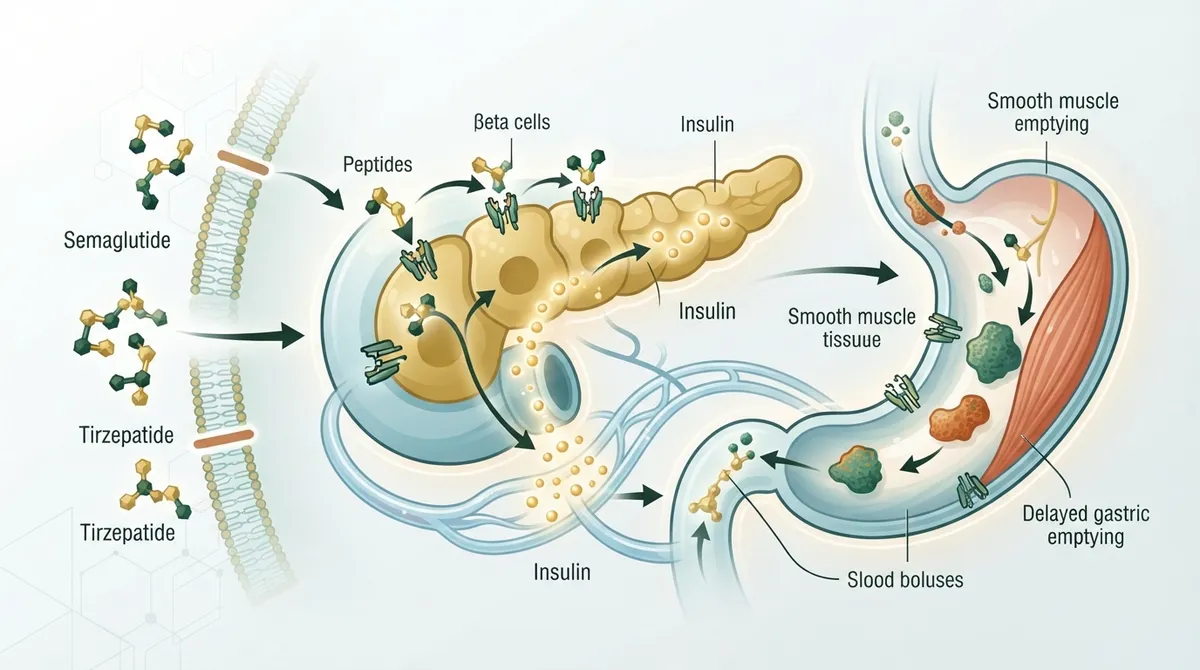
Medical weight management with peptides mainly uses incretin-based medicines. These mimic hormones involved in appetite, fullness, insulin regulation, and digestion. The two big players here are GLP-1 receptor agonists like semaglutide and dual GIP/GLP-1 agonists like tirzepatide.
This matters because it shifts the conversation. Weight struggles aren’t a character flaw. They’re often tied to how your hormones communicate with your brain. If you want a deeper dive into how these treatments work, check out How to Understand GLP-1 Peptide Therapy in 2026.
2. Two FDA-Approved Options Lead the Pack
In the United States, injectable semaglutide 2.4 mg (known as Wegovy) and tirzepatide (known as Zepbound) are approved for chronic weight management. They’re meant to be used alongside a reduced-calorie diet and more physical activity, not as a magic solution on their own.
Approval generally covers adults with a BMI of 30 or higher, or 27 or higher if they also have a weight-related health issue like high blood pressure or type 2 diabetes.
3. Weekly Injections Make Life Easier
These medications are given as a shot under the skin, usually once a week. For busy professionals juggling packed schedules, that’s a huge win compared to daily pills or multiple appointments.
Doses start low and increase slowly over time. This gradual approach helps your body adjust and reduces uncomfortable side effects.
How Semaglutide and Tirzepatide Actually Work
Now let’s talk science, but in plain English. These two medications work a bit differently, and knowing the difference can help you have a smarter conversation with your provider.
4. Semaglutide Reduces Appetite and Boosts Fullness
Semaglutide works by activating GLP-1 receptors. This reduces your appetite, cuts down food intake, and helps you feel full faster. Many clients describe it as finally hearing their body say “I’m satisfied” instead of constantly battling cravings.
5. Tirzepatide Hits Two Targets Instead of One
Tirzepatide activates both GIP and GLP-1 receptors. This dual action affects appetite, fullness, blood sugar, and body weight all at once. Some biohackers appreciate this multi-pathway approach because it may offer more robust metabolic support.
If you’re curious how these compare directly, our article Which Weight Loss Peptides Actually Work in 2026? breaks it down further.
6. The Numbers Are Genuinely Impressive
Let’s talk results. In the STEP 1 trial from 2021, adults without diabetes who took semaglutide 2.4 mg plus lifestyle changes lost an average of 14.9% of their body weight over 68 weeks. Compare that to just 2.4% for those on placebo.
Across the major STEP trials, semaglutide produced roughly 9.6% to 16.0% average weight loss over 68 to 104 weeks, depending on the study group. That’s not a small number. That’s life-changing for a lot of people.
| Trial | Medication | Duration | Average Weight Loss |
|---|---|---|---|
| STEP 1 (2021) | Semaglutide 2.4 mg | 68 weeks | 14.9% |
| SURMOUNT-1 (2022) | Tirzepatide 15 mg | 72 weeks | 20.9% |
| SURMOUNT-2 (2023) | Tirzepatide | 72 weeks | 13-15% |
| SURMOUNT-5 (2025) | Tirzepatide vs. Semaglutide | 72 weeks | 20.2% vs. 13.7% |
7. Tirzepatide May Edge Out Semaglutide in Head-to-Head Trials
The SURMOUNT-1 trial from 2022 showed tirzepatide produced average weight loss of about 15.0%, 19.5%, and 20.9% at 5 mg, 10 mg, and 15 mg doses over 72 weeks. Compare that to just 3.1% with placebo.
Even more telling, the SURMOUNT-5 trial published in 2025 directly compared the two medications. Tirzepatide produced about 20.2% average weight loss versus 13.7% with semaglutide over the same 72-week period. That’s roughly 22.8 kg versus 15.0 kg on average.
8. Almost Everyone Sees Some Benefit at Higher Doses
In SURMOUNT-1, about 91% of participants on the highest tirzepatide dose achieved at least 5% weight loss. Only about 35% on placebo hit that same mark. These numbers show just how effective incretin-based therapy can be when properly managed.
What a Real Weight Management Program Should Include
Here’s something we want to be crystal clear about: medication alone isn’t the whole story. A responsible program treats the whole person, not just the number on the scale.
9. Comprehensive Care Goes Beyond the Prescription
A good program should include several key pieces working together:
- Nutrition counseling tailored to your lifestyle and preferences
- Physical activity planning that fits your schedule and fitness level
- Behavioral support to help build lasting habits
- Assessment of existing medical conditions and current medications
- Regular monitoring of weight, waist circumference, and metabolic markers
- Tracking body composition changes over time, not just pounds lost
This is exactly the kind of thoughtful, whole-person approach that Allura Longevity builds into every custom plan. Their licensed providers design treatment around your actual blood work and goals, not a one-size-fits-all template.
10. Side Effects Are Common But Usually Manageable
Nobody wants surprises, so let’s talk honestly about side effects. Common ones include nausea, diarrhea, vomiting, constipation, stomach discomfort, and reduced appetite.
These symptoms tend to show up most during dose increases and often improve as your body adjusts. If you want tips on managing these, read What Causes GLP-1 Side Effects and How to Manage Them?.
11. Certain Health Conditions Require Extra Caution
Peptide therapy isn’t right for everyone. Important safety considerations include:
- A personal or family history of medullary thyroid carcinoma or MEN 2
- Possible gallbladder disease
- History of pancreatitis
- Risk of dehydration-related kidney problems
- Risk of low blood sugar when combined with certain diabetes medicines
- Delayed gastric emptying issues
This is why working with a licensed medical provider matters so much. According to the National Library of Medicine, proper patient screening and monitoring are essential parts of safe, effective treatment.
Planning for the Long Haul
Weight management isn’t a sprint. It’s more like training for a marathon you’ll run for the rest of your life. Here’s what aging adults and wellness seekers need to know about staying the course.
12. Weight Regain After Stopping Is a Real Concern
The STEP 4 withdrawal study from 2021 showed something important. Participants who stopped semaglutide after an initial treatment period regained a substantial amount of weight. This happens because obesity is a chronic, biologically regulated condition, not just a short-term lifestyle issue.
This is exactly why treatment duration and maintenance planning should be discussed upfront, before you even start. Our guide on How to Lose Weight With Peptide Therapy in 2026 covers this in more detail.
13. Not All Compounded Peptides Are Created Equal
Compounded or non-FDA-approved peptide products shouldn’t automatically be treated as equal to approved medicines. Always use a prescription from a qualified clinician and a state-licensed pharmacy.
Compounded products are generally meant for situations where an approved medication can’t meet your specific medical need. Learn more in FDA-Approved vs. Compounded Peptides: What Wins?.
14. Eligibility Depends on More Than Just BMI
Peptide therapy isn’t appropriate for everyone chasing cosmetic weight loss. A qualified provider should evaluate:
- Your overall eligibility and expected benefit
- Any risks based on your personal health history
- Potential medication interactions
- Pregnancy status, if applicable
- History of eating disorders
- Presence of diabetes or gastrointestinal disease
This individualized screening process is a big reason telehealth providers request blood work before designing your plan. To learn more about starting safely, check out How to Start Peptide Therapy Safely and See Real Results.
15. Telehealth Makes Personalized Care Convenient
For busy professionals and people juggling packed calendars, telehealth has been a game-changer. You can complete a virtual consultation, get lab work done locally, and receive your medication shipped right to your door.
This convenience doesn’t mean lower quality care. In fact, it often means more consistent monitoring since check-ins are easier to schedule. If you’re weighing your options, our article Local Clinic vs. Telehealth: Best Peptide Therapy Near You? can help you decide what fits your life best.
Comparing Semaglutide and Tirzepatide at a Glance
Since these two medications come up so often, here’s a simple side-by-side comparison to keep handy.
| Feature | Semaglutide | Tirzepatide |
|---|---|---|
| Mechanism | GLP-1 receptor agonist | Dual GIP/GLP-1 agonist |
| Brand Name (Weight Management) | Wegovy | Zepbound |
| Average Weight Loss (72 weeks) | ~13.7% | ~20.2% |
| Administration | Once weekly injection | Once weekly injection |
| Max Approved Dose | 2.4 mg | 15 mg |
Steps to Get Started the Right Way
If you’re ready to explore peptide-based weight management, here’s a simple roadmap to follow.
- Schedule a consultation with a licensed medical provider to discuss your goals and history
- Complete comprehensive blood work to establish your baseline health markers
- Review your personalized treatment plan, including dosing and monitoring schedule
- Begin therapy with gradual dose escalation to minimize side effects
- Pair treatment with nutrition and activity changes for the best results
- Attend regular check-ins so your provider can adjust your plan as needed
This is precisely the model Allura Longevity follows. Clients start with an affordable virtual consultation, complete blood work through LabCorp, and receive a customized six-month plan delivered right to their home. Care is led by Ashley, a board-certified Family Nurse Practitioner, with ongoing monitoring built in every step of the way.
Final Thoughts on Your Weight Management Journey
Managing your weight isn’t about punishing yourself or white-knuckling through hunger every day. It’s about giving your body the right support so it can do what it’s designed to do. Peptide therapy, when guided by a licensed provider and backed by real science, offers a path that respects your biology instead of fighting it.
Whether you’re a busy professional looking for convenient care, a biohacker who wants data-driven results, or simply someone ready to feel like yourself again, you deserve a plan built around you. Allura Longevity offers exactly that, with personalized peptide therapy delivered through telehealth to your home, wherever you are in Florida, Georgia, Texas, Connecticut, Indiana, Maryland, New York, or California.
Spots fill up fast each month, so if you’re ready to take the next step, request a consultation today and start your personalized journey toward lasting weight management.
FAQs
Q: How do peptide injections help with weight management?
A: Peptide injections like semaglutide and tirzepatide mimic natural hormones that control your appetite and fullness. They help you feel satisfied sooner, reduce cravings, and support your body’s natural metabolic processes, making weight loss feel less like a constant battle.
Q: What is the difference between semaglutide and tirzepatide for weight loss?
A: Semaglutide targets one hormone pathway called GLP-1, while tirzepatide targets two pathways, GLP-1 and GIP. Clinical trials suggest tirzepatide may produce slightly greater average weight loss, but both are effective, FDA-approved options worth discussing with your provider.
Q: How much weight can someone lose with semaglutide or tirzepatide?
A: Clinical trials show semaglutide users lost around 13.7% to 14.9% of body weight over about 68 to 72 weeks, while tirzepatide users lost closer to 15% to 20.9%, depending on dose. Results vary by person, so your experience may differ.
Q: Will weight return after stopping semaglutide or tirzepatide?
A: Research shows many people regain weight after stopping treatment because obesity is a chronic condition, not a short-term issue. That’s why long-term maintenance planning and ongoing support are so important for lasting results.
Q: Are compounded semaglutide and tirzepatide safe and legal?
A: Compounded versions can be appropriate in certain situations, but they aren’t automatically equivalent to FDA-approved medications. Always work with a licensed provider and a state-licensed pharmacy to make sure your treatment is safe and legitimate.





