

Key Takeaways
-
Most peptide therapies for inflammation lack FDA approval and rely heavily on animal studies; only four clinical trials in humans exist for IBD-focused peptides as of 2025, making evidence-based claims premature.
-
Effective inflammation treatment requires specific diagnosis through lab work and proper testing (CBC, CRP, inflammatory markers) before starting any protocol, as inflammation manifests differently across conditions like IBD, psoriasis, and joint arthritis.
-
Peptide therapy is not automatically safer than traditional options like NSAIDs or corticosteroids; risks include contamination from unreliable compounders, immune reactions, injection site infections, and limited long-term safety data.
-
Work exclusively with licensed healthcare providers who review your complete health history and labs rather than following generic online protocols, as peptides can interact with medications and mask serious conditions like infection or cancer.
-
Compare peptide therapy against proven alternatives: corticosteroids and NSAIDs have decades of clinical evidence, while icotrokinra is the first investigational peptide specifically developed for inflammatory diseases like psoriasis and ulcerative colitis.
-
Before starting peptides, ask your provider about the research status and human clinical evidence for any specific peptide being recommended, distinguishing between promising early research and actual proven treatments.
If you’ve been dealing with achy joints, gut trouble, or nagging pain that just won’t quit, you’ve probably searched for a better inflammation treatment more than once. Maybe you’ve stumbled across peptides like BPC-157 or thymosin alpha-1 while scrolling wellness forums late at night. You’re not alone, and you’re definitely not imagining the buzz. Peptide therapy is one of the fastest-growing conversations in health optimization circles right now, and for good reason. But here’s the honest truth: not everything you read online is backed by solid science, and knowing the difference could save you time, money, and even your health.
This article breaks down what peptide-based inflammation treatment really looks like today, how it compares to conventional options like NSAIDs and steroids, and what the research actually shows. We’ll keep things simple, straightforward, and grounded in facts. Whether you’re a busy professional looking for convenient care or a biohacker who wants the full data picture, you’ll walk away knowing exactly where things stand in 2026.

What Does “Inflammation Treatment” Actually Mean?
Inflammation isn’t one single problem. It’s your body’s natural defense response, and it shows up differently depending on what’s going on inside you. Someone with psoriasis experiences inflammation very differently than someone with a flared-up gut condition or a stiff, swollen joint.
That means a real inflammation treatment plan has to target the actual condition, not just a vague feeling of being “inflamed.” This is a key point that’s often lost in wellness marketing. Effective care starts with figuring out what’s really happening in your body, which is why lab work and a proper diagnosis matter so much.
- Inflammatory bowel disease (Crohn’s and ulcerative colitis)
- Psoriasis and other skin conditions
- Arthritis and joint inflammation
- Pulmonary or lung-related inflammation
- Ocular (eye) inflammation
- Soft tissue injuries involving tendons and ligaments
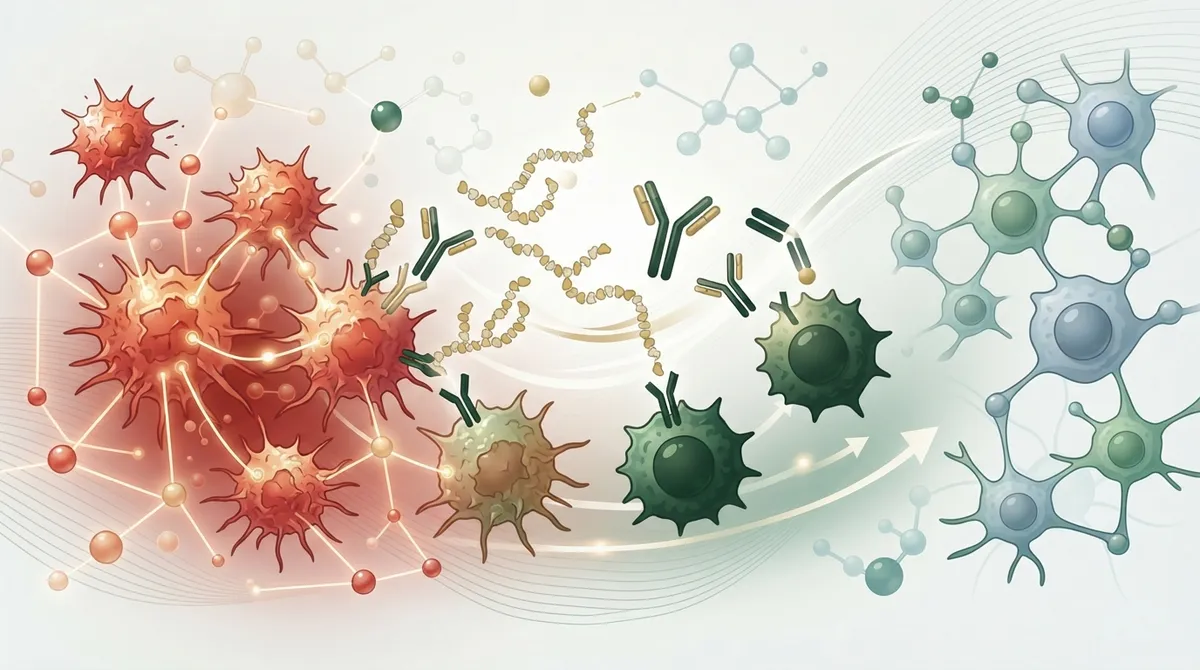
How Peptides May Influence Inflammation
Peptides are short chains of amino acids, essentially tiny messengers that tell your cells what to do. As explained in this overview of what are peptides, they occur naturally in your body and play a role in almost every biological process, including immune activity.
Researchers are studying several ways peptides might help calm inflammation. Here’s a simple breakdown:
- Blocking cytokine signals that trigger swelling and pain
- Calming overactive macrophages, the immune cells that cause tissue damage
- Reducing oxidative stress that fuels chronic inflammation
- Supporting the gut or skin barrier so irritants can’t get in
- Helping the immune system tell the difference between friend and foe
- Encouraging tissue repair after injury or damage
This is exciting research, but it’s important to stay grounded. Much of it is still early-stage. If you want a deeper dive into how these molecules work in general, our guide on 8 Facts That Explain What Are Peptides in 2026 is a great starting point.
Popular Peptides: What’s Proven vs. What’s Still Being Studied
This is where things get a little murky, and honestly, where a lot of misinformation lives online. Let’s clear it up with a simple table.
| Peptide | What It’s Studied For | FDA Approval Status | Human Evidence Level |
|---|---|---|---|
| BPC-157 | Gut healing, tendon/ligament repair | Not approved for inflammation | Mostly animal studies; limited human data |
| TB-500 | Tissue repair, recovery | Not approved | Preclinical, minimal human trials |
| GHK-Cu | Skin repair, wound healing | Not approved for inflammation | Limited human research |
| Thymosin Alpha-1 | Immune modulation | Approved elsewhere for hepatitis; not FDA-approved in the U.S. for general inflammation | Some clinical use abroad |
| Icotrokinra (JNJ-77242113) | Psoriasis, psoriatic arthritis, ulcerative colitis (investigational) | Not yet approved | Active clinical trials underway |
If you’re curious about one of the most talked-about names on this list, check out 9 BPC-157 Peptide Facts to Know Before You Start. And if immune health is your focus, this piece on Why Is Thymosin Alpha 1 Peptide Trending for Immunity? is worth a read too.
Peptide Therapy vs. Traditional Inflammation Treatment: A Side-by-Side Look
So how does peptide-based care actually stack up against tried-and-true options like NSAIDs, corticosteroids, or biologic drugs? Let’s compare.
| Approach | How It Works | Best For | Considerations |
|---|---|---|---|
| NSAIDs (ibuprofen, naproxen) | Blocks inflammatory enzymes | Mild, short-term pain and swelling | Long-term use may harm gut, kidneys, or heart |
| Corticosteroids | Broadly suppresses immune response | Moderate to severe flare-ups | Long-term use linked to bone loss, weight gain, mood changes |
| Biologic drugs | Targets specific immune pathways (like IL-23) | Autoimmune conditions like Crohn’s or psoriasis | Expensive, requires monitoring, immune suppression risk |
| Investigational peptides | Varies (barrier repair, cytokine modulation, tissue healing) | Specific conditions under research, or supportive recovery protocols | Limited approval status; requires clinician oversight |
Notice that peptides aren’t automatically the “gentler” option. According to a 2025 systematic review covering inflammatory bowel disease, researchers found only 17 eligible studies, and 12 of those were animal studies. Just four were clinical trials in humans. That tells you the evidence is still developing, even though the science is promising.
The Research Landscape in 2026
It helps to know where the science actually stands right now, rather than relying on hype. Here’s what recent data shows:
- A 2025 narrative review found no targeted oral peptide therapies currently available specifically for immune-mediated inflammatory diseases, though icotrokinra is the first in development.
- Nearly 100 peptide drugs are approved worldwide across all health conditions, but very few are specifically approved for inflammation.
- The FDA approved 46 novel drugs in 2025. The peptide highlighted that year, elamipretide, was approved for Barth syndrome, not inflammation.
- Research into IBD-focused peptides includes molecules that block NF-κB, TLR, RAGE, or IL-23 signaling pathways.
This doesn’t mean peptide therapy has no place in your wellness plan. It means the conversation needs nuance. For a broader look at how peptides fit into gut-specific care, take a look at Which Peptides for Gut Health Actually Have Evidence?
Safety Comes First: What to Know Before Starting
Peptide therapy isn’t automatically safer just because it sounds more “natural” or cutting-edge. In fact, there are real risks worth understanding before you commit to anything.
- Compounded products may carry contamination or dosing errors if sourced from unreliable pharmacies.
- Some peptides can trigger immune reactions or unexpected side effects.
- Injection sites can develop irritation, redness, or infection if not handled properly.
- Long-term safety data is still limited for many popular peptides.
- Peptides can interact with other medications you’re already taking.
- Undiagnosed inflammation could be a sign of something more serious, like infection, autoimmune disease, or even cancer.
This is exactly why working with a licensed provider matters so much. According to the National Library of Medicine, proper clinical oversight is essential when using peptide-based therapies, especially for immune-related conditions. Before starting anything, learn How to Start Peptide Therapy Safely and See Real Results.
Tests You Should Consider Before Starting Peptide Therapy
Good care always starts with good data. Before jumping into any peptide protocol, it helps to know your baseline numbers.
- Complete blood count (CBC) to check overall immune health
- Inflammatory markers like CRP or ESR
- Comprehensive metabolic panel for organ function
- Hormone panel, especially if fatigue or recovery issues are present
- Condition-specific testing (like fecal calprotectin for gut inflammation)
This is precisely the kind of thorough approach that separates responsible peptide care from guesswork. At Allura Longevity, every client starts with a $50 virtual consultation and complete blood work through LabCorp, so your six-month plan is built around your actual biology, not a one-size-fits-all template.
Where Allura Longevity Fits Into the Picture
Allura Longevity was built for people who want real answers, not internet guesswork. Led by Ashley, a board-certified Family Nurse Practitioner, the clinic offers personalized peptide therapy through telehealth, with treatment plans built around your labs and health goals.
Clients receive their peptides shipped directly to their homes, with ongoing monitoring and adjustments along the way. This model works especially well for busy professionals and health optimizers who want expert guidance without the hassle of in-person visits. If you’re comparing your options, this comparison of Local Clinic vs. Telehealth: Best Peptide Therapy Near You? lays out the pros and cons clearly.
Allura Longevity is licensed in Florida, Georgia, Texas, Connecticut, Indiana, Maryland, New York, and California, with spots limited each month for new clients.
Steps to Approach Inflammation Treatment the Smart Way
Ready to take action? Here’s a simple roadmap to follow before starting any peptide-based protocol.
- Get a proper diagnosis for the specific type of inflammation you’re dealing with.
- Complete comprehensive lab work to understand your baseline health.
- Talk with a licensed provider about evidence-based options, not just trendy peptides.
- Ask about the research status of any peptide being recommended to you.
- Start with a personalized plan rather than a generic protocol.
- Schedule regular follow-ups to monitor progress and adjust treatment.
This process protects you from wasted money and unnecessary risk. It also puts you in the driver’s seat of your own health journey, which feels a lot better than guessing.
Bringing It All Together
Inflammation treatment through peptide therapy is a genuinely exciting area of medicine, but it’s still evolving. Some peptides show real promise in early research, while others need a lot more human data before we can call them proven solutions. The smartest move you can make is pairing curiosity with caution, and always working with a qualified provider who understands your unique health picture.
If you’re ready to explore whether personalized peptide therapy could support your inflammation, recovery, or overall wellness goals, our team is here to help you sort fact from fiction. You can request a consultation today and take the first step toward a plan built specifically for you. With limited spots available each month, now’s a great time to start the conversation.
FAQs
Q: What peptide therapies are being studied for inflammation?
A: Researchers are looking at peptides like BPC-157, thymosin alpha-1, and newer options like icotrokinra for conditions such as IBD, psoriasis, and joint inflammation. Most are still in early research stages, so it’s worth staying curious but cautious as the science develops.
Q: Is BPC-157 FDA-approved for inflammation or pain?
A: No, BPC-157 is not FDA-approved for inflammation or pain relief. There’s promising animal research, but human clinical evidence is still quite limited, so it shouldn’t be treated as a proven medical solution just yet.
Q: Can peptide therapy treat autoimmune diseases?
A: Some peptides are being researched for immune-related conditions, but none are currently approved as standalone autoimmune disease treatments in the U.S. Immune modulation is complex, so working with a licensed provider is essential if you’re exploring this path.
Q: Are peptide injections safe for chronic inflammation?
A: Safety really depends on the specific peptide, product quality, and clinical supervision involved. Working with a licensed provider who reviews your labs and health history helps minimize risks like contamination, incorrect dosing, or unwanted interactions.
Q: How do peptide therapies compare with corticosteroids or NSAIDs?
A: Corticosteroids and NSAIDs have decades of clinical evidence and FDA approval for specific inflammatory conditions, while most peptides are still investigational. That said, peptides may offer more targeted mechanisms once further research confirms their safety and effectiveness.





