

Key Takeaways
-
Semaglutide produces average weight loss of 14.9-17.4% over 68 weeks in clinical trials, with 86.4% of participants losing at least 5% of body weight, making it significantly more effective than placebo.
-
Semaglutide is a synthetic GLP-1 hormone that works by boosting insulin release, slowing stomach emptying, and reducing hunger signals, requiring only weekly injections due to its extended system retention.
-
Long-term medical supervision is critical because weight regain is common after stopping treatment; the STEP 5 trial showed 15.2% average weight loss with continued use versus 2.6% with placebo at 104 weeks.
-
Compounded semaglutide carries serious safety risks including FDA-reported dosing errors requiring hospitalization, so only FDA-approved medications from licensed providers and reputable pharmacies should be used.
-
Common side effects are gastrointestinal (nausea, constipation, diarrhea) and typically strongest during dose increases, which begin low and increase gradually over weeks to allow body adjustment.
-
People with personal or family history of medullary thyroid carcinoma, multiple endocrine neoplasia syndrome type 2, pancreatitis, or severe gastrointestinal disease should avoid semaglutide and require proper bloodwork evaluation.
If you’ve been curious about semaglutide peptide therapy, you’re definitely not alone. This GLP-1 medication has become one of the most talked-about tools for weight management and metabolic health, and for good reason. But with so much buzz comes a lot of confusion, half-truths, and downright risky shortcuts floating around online. We want to clear the fog so you can make a confident, informed decision about your health. Whether you’re a busy professional squeezing wellness into a packed schedule, a biohacker who loves data, or someone simply looking to feel like yourself again, this guide breaks down what semaglutide really is, how it works, and what safe treatment actually looks like. Think of this as your friendly, no-nonsense roadmap. We’ll walk through the science, the numbers, the risks, and the smart way to get started. Grab a coffee and let’s dig in together.

1. Semaglutide Is a Lab-Made Copy of a Natural Hormone
Semaglutide is a synthetic version of a hormone your body already makes called GLP-1, or glucagon-like peptide-1. This hormone naturally helps control blood sugar and appetite after you eat. Semaglutide mimics that hormone but sticks around in your system much longer, which is why it only needs to be taken once a week. If you want a deeper dive into how these molecules work, our article on what peptides actually are is a great starting point. Understanding this foundation makes everything else about semaglutide much easier to grasp.
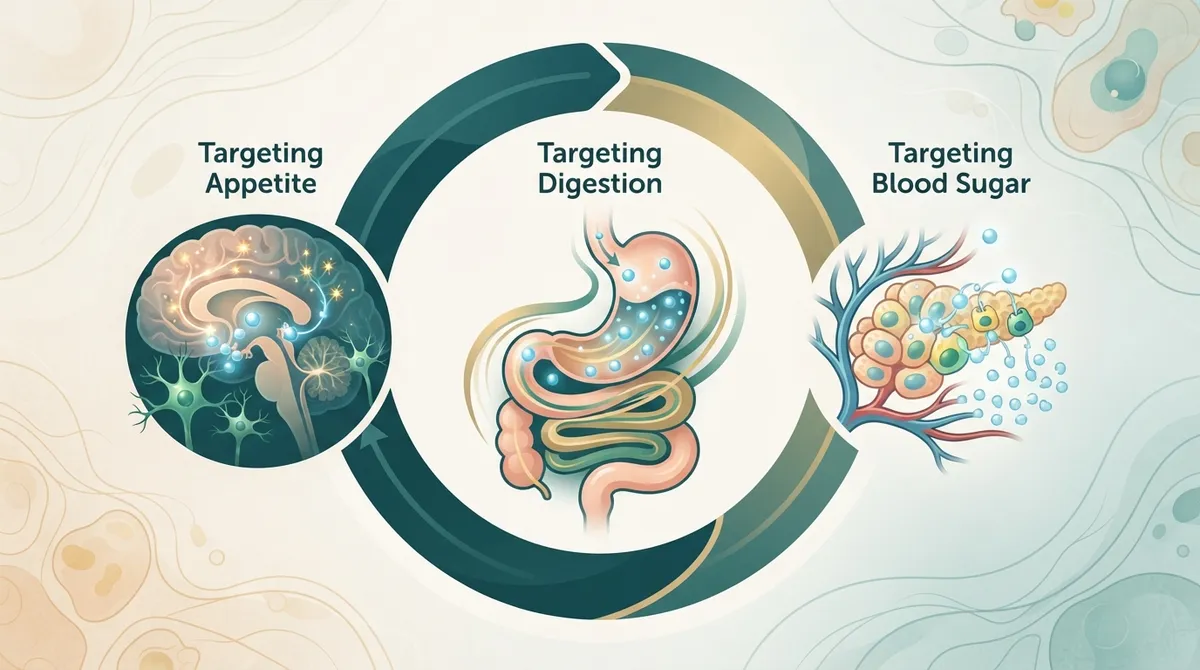
2. It Works by Targeting Appetite, Digestion, and Blood Sugar
Semaglutide activates GLP-1 receptors throughout your body, which triggers a few helpful changes. It boosts insulin release when your blood sugar is high, reduces the release of glucagon, and slows down how fast your stomach empties. All of this adds up to feeling fuller for longer and having steadier blood sugar levels. According to the National Library of Medicine, this combination is what makes semaglutide so effective for both diabetes management and weight loss.
Why Appetite Control Matters So Much
Most people who struggle with weight aren’t lacking willpower. Their hunger signals are simply working against them. Semaglutide helps quiet that constant hunger noise, giving your brain and body a chance to work together instead of fighting each other.
3. Three Brand Names, Three Different Jobs
Here’s where things get a little confusing for a lot of people. Semaglutide is sold under different brand names depending on the condition being treated. Here’s a simple breakdown:
| Brand Name | Form | Primary Use |
|---|---|---|
| Ozempic | Injection | Type 2 diabetes, cardiovascular risk reduction |
| Rybelsus | Oral tablet | Type 2 diabetes |
| Wegovy | Injection | Chronic weight management, cardiovascular risk reduction |
It’s worth noting that approved uses can shift over time as new research comes out, so always check current prescribing information with your provider.
4. The Weight Loss Numbers Are Genuinely Impressive
Let’s talk results, because the data here is pretty remarkable. The STEP 1 clinical trial, published in the New England Journal of Medicine, followed adults with overweight or obesity who did not have diabetes. Here’s what they found after 68 weeks of treatment with semaglutide 2.4 mg weekly:
- Average weight loss of 14.9% of starting body weight, compared to just 2.4% with a placebo
- 86.4% of participants lost at least 5% of their body weight
- 69.1% lost at least 10% of their body weight
- 50.5% lost at least 15% of their body weight
A broader review combining several STEP trials in 2023 found average weight loss ranging from 14.9% to 17.4% at around 68 weeks. Those are life-changing numbers for many people struggling with stubborn weight.
5. Results Look Different for People With Diabetes
If you have type 2 diabetes, your results may look a bit different, and that’s completely normal. The STEP 2 trial found that participants with overweight or obesity and type 2 diabetes lost an average of 9.6% of body weight with semaglutide, compared to 3.4% with placebo. Blood sugar and diabetes medications can influence how your body responds, which is exactly why personalized treatment plans matter so much.
6. Long-Term Use Matters More Than a Quick Fix
Here’s something we want to be really honest about: semaglutide isn’t a one-and-done cosmetic shot. The STEP 5 trial followed people for 104 weeks and found that continued treatment led to 15.2% average weight loss, compared to just 2.6% with placebo. This tells us something important. Staying consistent with treatment, nutrition, and movement over time is what actually produces lasting change.
What Happens If You Stop
Clinical evidence shows that weight regain is common after stopping semaglutide. This isn’t a failure on your part. It simply means your body’s hunger signals return once the medication leaves your system. That’s why ongoing monitoring and a long-term plan, like the ones offered through structured peptide therapy for weight loss, tend to produce better staying power.
7. There’s a Heart Health Bonus Too
Weight loss isn’t the only win here. The SELECT cardiovascular trial studied over 17,000 adults with existing heart disease, overweight or obesity, and no diabetes. Semaglutide reduced major cardiovascular events, like heart attack and stroke, by 20% compared to placebo. A follow-up analysis in 2024 showed that at 208 weeks, average body weight dropped about 10.2% with semaglutide versus only 1.5% with placebo. This is one reason semaglutide is getting so much attention beyond just weight management.
8. Dosing Starts Low and Builds Slowly
Nobody starts at the full dose right away, and that’s by design. Treatment typically begins at a low weekly dose and increases gradually over several weeks or months. This step-by-step approach, called titration, helps your body adjust and reduces uncomfortable side effects. The commonly referenced maintenance dose for weight management is 2.4 mg once weekly, though some patients do well on 1.7 mg depending on how their body responds.
A Simple Look at the Titration Process
- Start with a very low introductory dose for the first few weeks
- Gradually increase the dose under provider supervision
- Monitor for side effects and adjust the pace as needed
- Reach the target maintenance dose that works for your body
- Continue regular check-ins to fine-tune the plan over time
9. Side Effects Are Real, But Usually Manageable
Let’s be real friends here, no medication is side-effect free. The most common issues with semaglutide are gastrointestinal, including nausea, constipation, diarrhea, and occasional vomiting. These tend to be strongest during dose increases and often settle down over time. For a deeper look at why these symptoms happen and how to manage them, check out our guide on managing GLP-1 side effects.
- Nausea and mild stomach upset, especially early on
- Constipation or diarrhea
- Fatigue during dose adjustments
- Rare but serious risks like pancreatitis or gallbladder issues
- Potential for low blood sugar when combined with insulin
10. Some People Should Not Use Semaglutide
Safety screening matters a lot here. Semaglutide isn’t right for everyone, and a responsible provider will always check your health history first. People with a personal or family history of medullary thyroid carcinoma or multiple endocrine neoplasia syndrome type 2 should avoid this medication. Other precautions include a history of pancreatitis, severe gastrointestinal disease, diabetic retinopathy complications, and kidney concerns related to dehydration. This is exactly why bloodwork and a real medical evaluation, not a quick online quiz, should come before any prescription.
11. Compounded Semaglutide Comes With Real Risks
This one is important, so let’s slow down here. Compounded semaglutide is not FDA-approved, and the FDA has reported serious dosing errors, including cases requiring hospitalization. The agency has also warned that semaglutide sodium and semaglutide acetate are entirely different active ingredients from the semaglutide base used in approved medications. That difference matters for both safety and effectiveness. Learn more about this distinction in our article comparing FDA-approved versus compounded peptides. Always work with a licensed provider and a reputable pharmacy to protect yourself.
12. Combining Semaglutide With Other Peptides Requires Expertise
Many wellness seekers wonder if semaglutide can be paired with other peptides for even better results. The honest answer is that it depends entirely on your individual health picture. Some providers combine GLP-1 therapy with peptides that support muscle preservation, gut health, or recovery, but this should always be guided by lab work and professional oversight. Our comparison of GLP-1 versus dual-agonist peptides breaks down how these options stack up for metabolic health. This is not a do-it-yourself project, and that’s okay. That’s what licensed providers are for.
13. Personalized, Medically Supervised Care Makes All the Difference
At the end of the day, semaglutide peptide therapy works best as part of a bigger, personalized plan. This means real bloodwork, ongoing monitoring, dose adjustments based on how you actually respond, and support for nutrition and movement along the way. At Allura Longevity, treatment starts with a simple $50 virtual consultation followed by comprehensive labs through LabCorp. From there, our licensed providers, led by board-certified Family Nurse Practitioner Ashley, build a customized six-month plan delivered right to your door. If you want to compare your options first, our guide on local clinics versus telehealth peptide therapy can help you decide what fits your lifestyle best.
Quick Comparison: What Semaglutide Peptide Therapy Involves
| Step | What Happens |
|---|---|
| Consultation | Virtual visit to review health history and goals |
| Bloodwork | Lab testing through LabCorp to check baseline health markers |
| Custom Plan | Personalized dosing schedule based on your results |
| At-Home Delivery | Medication shipped directly to your door |
| Ongoing Monitoring | Regular check-ins and dose adjustments over six months |
Simple Steps to Get Started Safely
- Schedule a consultation with a licensed telehealth provider
- Complete baseline bloodwork to check your health markers
- Review your personalized treatment plan with your provider
- Start your first low dose and monitor how you feel
- Attend follow-up visits to adjust your dose as needed
- Stay consistent with nutrition and activity alongside treatment
Understanding the basics is a great first step, but pairing that knowledge with expert guidance is what really gets you results. If you’re ready to learn more about building a safe, effective plan, check out our guide on understanding GLP-1 peptide therapy, or explore how safe peptide therapy actually gets real results. Peptides like the ones discussed on what are peptides are becoming a bigger part of modern wellness, and semaglutide is just one piece of that larger picture.
Why Working With a Licensed Provider Matters So Much
We know it can be tempting to look for shortcuts, especially with so many options online promising fast results. But your health deserves better than guesswork. Licensed providers check for contraindications, order proper labs, and adjust your plan based on real data instead of one-size-fits-all dosing. This is especially true for aging adults managing multiple health conditions, or biohackers who want precise, trackable results. A thoughtful, medically supervised approach protects you now and sets you up for lasting success later.
Ready to Take the Next Step?
Semaglutide peptide therapy can be a genuinely powerful tool when it’s done the right way, with real oversight, real labs, and a plan built just for you. You deserve a program that treats you like a whole person, not a number. Allura Longevity offers exactly that, with personalized six-month plans, licensed medical providers, and convenient at-home delivery, all through telehealth available across Florida, Georgia, Texas, Connecticut, Indiana, Maryland, New York, and California. Spots fill up each month, so if you’re ready to explore whether semaglutide is right for you, request a consultation today and let’s build your personalized plan together. You can also call us directly at (813) 510-6277 to speak with our team.
FAQs
Q: What is semaglutide peptide therapy and how does it work?
A: Semaglutide peptide therapy uses a lab-made version of the GLP-1 hormone to help control appetite, slow digestion, and support steady blood sugar levels. It’s given as a weekly injection or, in some cases, an oral tablet, and works gradually as your dose increases over time. Think of it as giving your body’s natural fullness signals a helpful boost.
Q: How much weight can someone realistically lose with semaglutide?
A: Clinical trials show average weight loss between 14.9% and 17.4% of starting body weight after about 68 weeks for people without diabetes. For those with type 2 diabetes, average results tend to be a bit lower, around 9.6%. Everyone’s body responds differently, so your personal results depend on your health profile and consistency with treatment.
Q: Is compounded semaglutide safe to use?
A: Compounded semaglutide is not FDA-approved, and there have been reported dosing errors and hospitalizations linked to these products. The safest route is working with a licensed provider who prescribes properly regulated medication through a trusted pharmacy. Your safety is always worth the extra step of verification.
Q: Does weight come back after stopping semaglutide?
A: Yes, weight regain is common once treatment stops, since your body’s hunger signals return to their previous state. This is why long-term, medically supervised treatment paired with lifestyle support tends to produce more lasting results. It’s not about willpower, it’s about keeping your body’s chemistry supported over time.
Q: Who should avoid semaglutide peptide therapy?
A: People with a personal or family history of certain thyroid cancers, multiple endocrine neoplasia syndrome type 2, or a history of pancreatitis should generally avoid semaglutide. It’s also important to discuss kidney health, gallbladder issues, and any diabetes medications you’re currently taking. A thorough bloodwork review with a licensed provider helps determine if this therapy is truly right for you.





