
Key Takeaways
-
Most regeneration peptides like BPC-157 and TB-500 lack large human clinical trials; evidence is primarily from animal studies and small pilot programs of 12-58 patients, not FDA-approved treatments.
-
Cellular regeneration through peptides involves specific biological processes like cell migration, blood vessel formation, and collagen production—not growing new organs or reversing aging overnight.
-
Combining peptides like BPC-157 with TB-500 for synergistic effects has no published controlled human trials proving safety or superiority over single peptides.
-
FDA-warned risks from unverified peptide sources include serious infections, immune reactions, tumor formation, and neurological events—making licensed medical providers and regulated pharmacies essential.
-
Thymosin beta-4 and TB-500 are not clinically interchangeable; TB-500 is a synthetic fragment whose research findings cannot automatically apply to the full-length natural peptide.
-
Foundational recovery practices like quality sleep, adequate protein intake, inflammation management, and consistent movement support natural tissue repair equally to investigational peptide protocols.
If you have spent any time researching recovery or anti-aging peptides, you have probably seen the term “cellular regeneration” everywhere. It sounds exciting, almost magical. But what does it actually mean, and can peptides really help your body repair itself faster? Let’s break it down together, in plain language, so you can make smart, informed choices about your health.
Whether you are a busy professional looking for quicker recovery after workouts, an aging adult hoping to feel more like yourself, or a biohacker who loves digging into the science, this guide is for you. We will cover what cellular regeneration means in peptide therapy, which peptides get the most attention, what the research actually shows, and why working with licensed medical providers matters so much. Grab a cup of coffee and let’s get into it.
What Cellular Regeneration Actually Means in Peptide Therapy
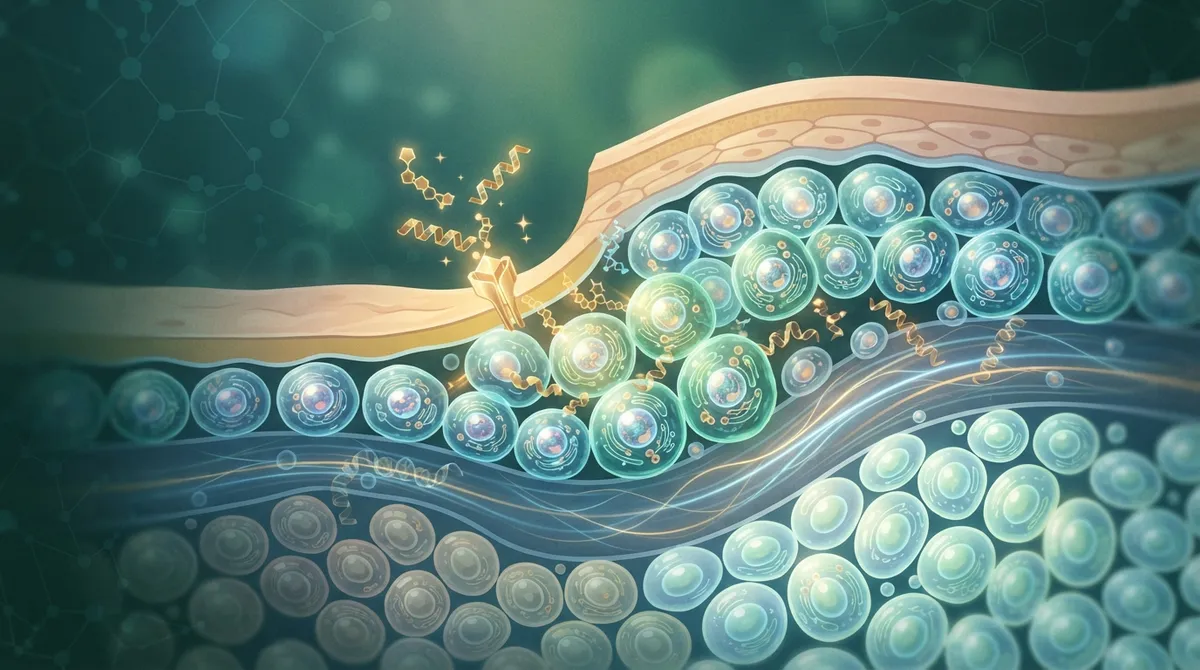
Let’s clear up a common misunderstanding first. Cellular regeneration does not mean growing a brand new organ or magically reversing every sign of aging overnight. That is not how biology works, and anyone promising that is overselling things.
In the world of what are peptides and how they interact with your body, cellular regeneration refers to a set of specific biological processes. These include:
- Cell migration, where cells move to injured areas to begin repair
- Angiogenesis, or the formation of new blood vessels to supply healing tissue
- Collagen production, which supports skin, tendons, and connective tissue
- Extracellular matrix remodeling, the scaffolding that holds tissue together
- Inflammation control, helping your body calm down after injury
- Protection of already-damaged cells from further harm
These are the building blocks of healing. Peptides are being studied because some of them appear to influence these exact pathways. But studied is the key word here. We are talking about promising science, not guaranteed miracles.
The Peptides Everyone Talks About
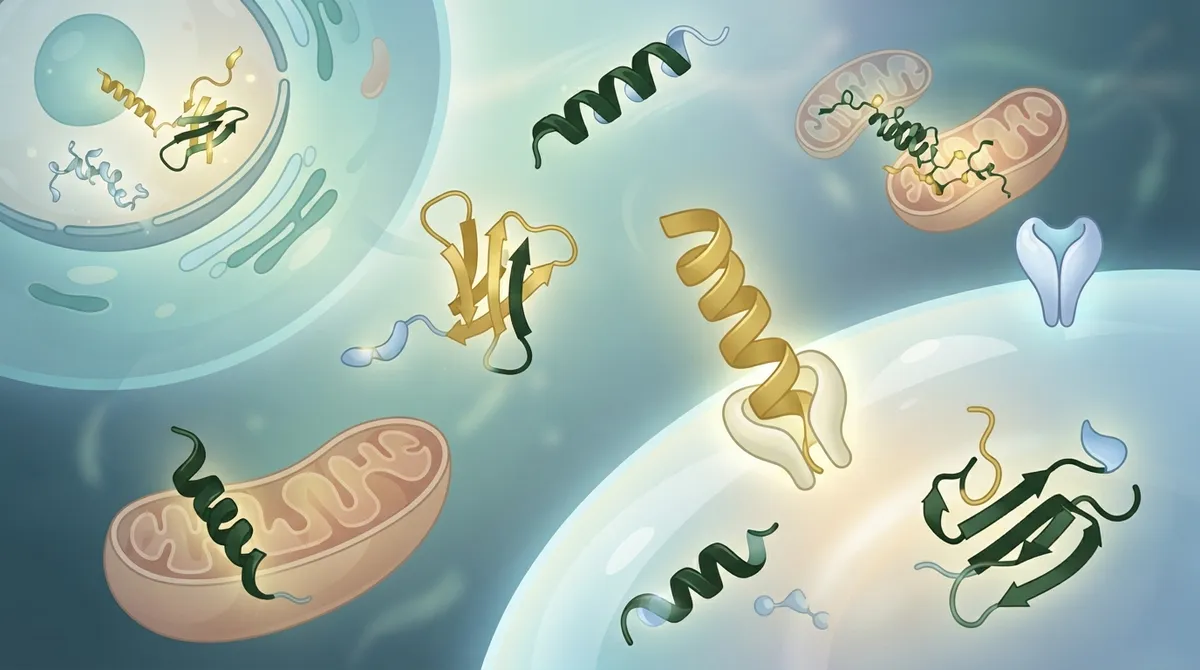
A few peptides dominate the conversation around tissue repair and regeneration. Let’s look at each one honestly, including what we know and what we still do not know.
BPC-157
BPC-157 is a synthetic peptide made of 15 amino acids. It has been studied mostly in labs and animal models, not large human trials. Researchers have looked at its potential role in wound healing, blood vessel repair, gut lining protection, and recovery of tendons, ligaments, and even nerves.
The proposed mechanism involves something called focal adhesion kinase and a signaling pathway known as PI3K-Akt. That sounds complicated, but basically it means BPC-157 may help cells communicate better during repair. The catch? Most of this evidence comes from animal studies, not humans. If you want to understand this peptide in more depth, our article on 9 BPC-157 Peptide Facts to Know Before You Start covers the details well.
Thymosin Beta-4 and TB-500
This is where a lot of confusion happens, so let’s clear it up. Thymosin beta-4 is a naturally occurring peptide made of 43 amino acids. It plays a real role in your body, helping regulate a protein called actin, supporting cell migration, and promoting blood vessel formation.
TB-500 is often marketed as a synthetic fragment related to thymosin beta-4. Here is the important part: TB-500 should not automatically be treated as the same thing as full-length thymosin beta-4. They are related, but not identical, and the research on one does not automatically apply to the other. If you are curious about this distinction, check out our breakdown in 13 Facts About TB-500 Peptide You Need in 2026.
GHK-Cu and Other Emerging Peptides
GHK-Cu is a copper-binding peptide often discussed for skin and collagen support. There are also newer peptides derived from mesenchymal stromal cells being studied for their role in immune modulation and tissue repair. These are exciting areas of research, but they remain largely experimental.
What the Research Actually Shows
Here is where we need to be honest with you. The science behind these regeneration peptides is still developing. A 2026 review of therapeutic peptides in gerontology identified BPC-157 and TB-500 as tissue-repair peptides of interest, but described the evidence as promising in preclinical settings while noting a lack of long-term human safety data.
Let’s look at the numbers, because they tell an important story.
| Peptide | Type of Evidence Available | Human Study Size | Approval Status |
|---|---|---|---|
| BPC-157 | Mostly animal and lab studies | Small pilot studies, roughly 12 to 58 patients | Not FDA approved |
| Thymosin Beta-4 | Preclinical, some early human research | Limited controlled trials | Not FDA approved for regeneration use |
| TB-500 | Preclinical and animal focused | Very limited human data | Not FDA approved |
| GHK-Cu | Lab and dermatology studies | Small cosmetic trials | Used in some topical cosmetic formulas |
A scoping review of thymosin beta-4 and TB-500 research screened 124 reports and ultimately included 80 studies related to tissue regeneration and musculoskeletal repair. The takeaway? The evidence base remains mostly preclinical, and controlled clinical trials with real endpoints are still lacking. This mirrors what the National Library of Medicine has published on peptide-based regenerative approaches as well.
A 2026 orthopaedic review echoed this pattern, concluding that peptide research in this space is dominated by animal models, small prospective cohorts, and case series. Randomized controlled trials, the gold standard of medical evidence, remain very limited.
Does Combining Peptides Boost Regeneration?
You may have heard of stacking BPC-157 with TB-500 for supposedly synergistic healing effects. This combination gets a lot of buzz online. But here is the honest answer: there is no published, controlled human trial demonstrating that this combination is safe or more effective than either peptide alone.
That does not mean it is impossible that combinations could help someday. It just means we are not there yet, scientifically speaking. If you want to dig deeper into how combining peptides is evaluated, our article on Single Peptides vs. Peptide Stacks: Which Wins? walks through the pros and cons.
Why FDA Warnings Matter Here
This is an important section, so please read it carefully. The FDA has issued warnings about unapproved regenerative products, including some peptides marketed for tissue repair. Reported risks associated with poorly sourced or unapproved products include:
- Serious infections from contaminated products
- Unwanted immune or inflammatory reactions
- Tumor formation in rare cases
- Neurological events
- Simple treatment failure, meaning you spend money without any benefit
These risks are especially relevant when peptides are injectable, come from unverified suppliers, or are marketed without solid clinical evidence behind them. This is exactly why working with a licensed medical provider matters so much. Self-sourcing peptides online from unregulated vendors is a genuine gamble with your health.
How to Approach Peptide Therapy the Smart Way
So how should you think about all this if you are interested in supporting your body’s natural repair processes? Here is a simple, step-by-step approach we recommend.
- Start with a real medical consultation, including blood work, so a licensed provider understands your baseline health.
- Be honest about your goals, whether that is faster injury recovery, better energy, or general vitality support.
- Ask your provider which peptides have the strongest evidence for your specific situation, not just the most hype.
- Understand that peptide therapy is investigational for many regeneration uses, not a guaranteed fix.
- Follow a monitored plan with regular check-ins, so dosing can be adjusted based on how your body responds.
- Source your peptides from a legitimate, licensed pharmacy network, never from unregulated online sellers.
This is precisely the model that peptides for women and peptides for men programs at Allura Longevity are built around. Every plan starts with LabCorp blood work and a real consultation with a licensed provider, not a guessing game.
Separating Hype from Honest Expectations
We get it, the wellness world is full of big promises. But part of being a trustworthy resource means telling you the truth, even when it is less exciting than viral social media claims. Here is a quick comparison to help set realistic expectations.
| Claim You Might Hear | What the Evidence Actually Supports |
|---|---|
| “BPC-157 regenerates tendons completely” | Animal studies show promising signals, but human tendon regeneration data is limited |
| “TB-500 is the same as thymosin beta-4” | They are related but not clinically interchangeable |
| “Stacking peptides doubles your results” | No controlled human trials confirm this synergy |
| “These peptides are FDA approved for regeneration” | Most are not FDA approved for these specific uses |
Understanding this distinction protects you from wasting money and, more importantly, protects your health. For a broader look at how these therapies fit into recovery protocols, take a look at 6 Peptides for Wound Healing Worth Knowing in 2026.
Safer, Evidence-Informed Ways to Support Recovery
While regeneration peptides remain investigational, there are things you can do right now to support your body’s natural repair systems. Consider these approaches alongside any medically supervised peptide plan:
- Prioritize quality sleep, since most tissue repair happens overnight
- Support your protein intake to give your body raw materials for collagen and muscle repair
- Manage chronic inflammation through diet and stress reduction
- Stay consistent with movement and gentle rehabilitation exercises
- Get regular blood work to track how your body is actually responding over time
These fundamentals matter just as much as any peptide protocol, and they are the foundation every good treatment plan should build on.
Why Medical Oversight Changes Everything
Here is the bottom line. Peptide therapy for cellular regeneration is a genuinely exciting area of research, but it is not a do-it-yourself project. Dosing errors, unverified products, and lack of monitoring are where most risks come from, not necessarily the peptides themselves.
At Allura Longevity, every client begins with a simple $50 virtual consultation, followed by comprehensive LabCorp blood work. From there, Ashley, our board-certified Family Nurse Practitioner, and our team of licensed providers build a personalized six-month plan based on your actual health data, not guesswork. Everything ships directly to your home, and we monitor your progress with ongoing check-ins and adjustments. If you want to learn more about starting off on the right foot, our guide on How to Start Peptide Therapy Safely and See Real Results is a great next read.
Ready to Take the Next Step?
Understanding cellular regeneration in peptide therapy means separating exciting science from overblown marketing claims. BPC-157, thymosin beta-4, and TB-500 all show promising signals in labs and animal studies, but human evidence remains limited, and medical oversight is essential for safety.
We are licensed to serve clients in Florida, Georgia, Texas, Connecticut, Indiana, Maryland, New York, and California, and we would love to help you build a personalized, medically supervised plan based on your real health goals. Spots for new clients are limited each month, so if you are ready to explore what evidence-based peptide therapy could look like for you, request a consultation today or give our team a call at (813) 510-6277. Your body’s healing potential deserves real science and real support, not guesswork.
FAQs
Q: What does cellular regeneration mean in peptide therapy?
A: It refers to biological processes like cell migration, new blood vessel formation, collagen production, and inflammation control that support tissue repair. It does not mean creating new organs or guaranteeing reversed aging, so think of it as supporting your body’s natural repair systems, not a magic fix.
Q: Can BPC-157 regenerate tendons, ligaments, or nerves?
A: Animal and lab studies have shown promising signals for tendon, ligament, and nerve repair with BPC-157, but robust human clinical evidence is still lacking. We love the potential here, but we always encourage realistic expectations until larger human trials are done.
Q: What is the difference between TB-500 and thymosin beta-4?
A: Thymosin beta-4 is a naturally occurring 43-amino-acid peptide, while TB-500 is a synthetic fragment often marketed as related to it. They are not clinically identical, so research on one should not be assumed to apply directly to the other.
Q: Are BPC-157 and TB-500 FDA approved?
A: No, neither is currently FDA approved for tissue regeneration or healing purposes. They remain investigational, which is exactly why working with a licensed provider who can guide you safely matters so much.
Q: Are safer alternatives available for tissue repair and recovery?
A: Yes! Prioritizing sleep, protein intake, consistent movement, and inflammation management all support natural healing. Combining these habits with a medically supervised peptide plan, guided by real blood work, gives you the safest and most personalized path forward.





