

Key Takeaways
-
Always work with a licensed medical provider and complete blood work before starting peptide therapy; personalized plans based on lab data are crucial for safety and results.
-
Only source peptides from verified licensed pharmacies connected to legitimate medical providers; FDA-flagged compounded peptides from unverified sources carry risks of incorrect strength, contamination, and sterility issues.
-
Rotate injection sites between abdomen, outer thigh, and upper arm, keeping at least one week between reuses to prevent irritation, lumps, and scar tissue buildup.
-
Use the correct needle length and technique for subcutaneous injections; shorter, thinner needles ensure medication reaches the fatty layer rather than muscle tissue.
-
Store peptides properly in refrigeration away from direct light and follow your specific dosing schedule exactly; peptides are sensitive to heat and light, and timing consistency directly impacts results.
-
Know the serious warning signs requiring immediate medical attention: trouble breathing, severe abdominal pain, repeated vomiting, fainting, or signs of infection at injection site.
So you’re thinking about starting subcutaneous peptide injections, or maybe you already have a vial in your fridge and a few questions swirling in your head. You’re not alone. Thousands of people are turning to peptide therapy for weight loss, better sleep, faster recovery, and healthier aging. But here’s the thing: even a simple injection can go sideways if you skip a step or grab bad information along the way. The good news? Most mistakes are completely avoidable once you know what to look for. In this guide, we’ll walk through the most common slip-ups people make with subcutaneous peptide injections, from technique errors to sourcing red flags. Whether you’re a longtime biohacker or brand new to peptide therapy, this friendly rundown will help you feel confident, safe, and supported every step of the way.
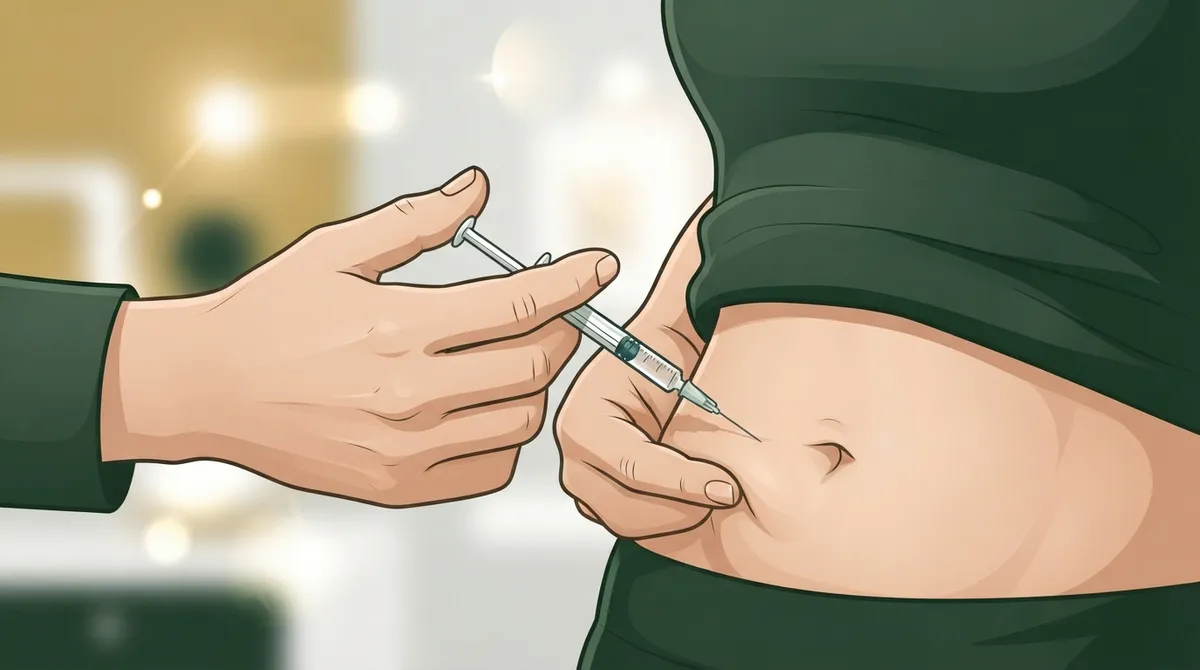
What Are Subcutaneous Peptide Injections, Exactly?
Subcutaneous peptide injections deliver medicine into the fatty layer just under your skin, usually in the belly, thigh, or upper arm. This is different from intramuscular shots, which go deeper into muscle tissue. Many peptide therapies are designed for this slower, gentler absorption path, which is part of why they work so well for steady, sustained results. If you want a deeper dive into the science, check out this helpful breakdown of 8 Facts That Explain What Are Peptides in 2026.
Peptides are chains of amino acids, essentially tiny messengers that tell your cells what to do. According to what are peptides, these molecules play a role in everything from hormone regulation to tissue repair. That’s why they’ve become such a popular tool for people chasing better energy, recovery, and longevity.

Mistake 1: Assuming All Peptides Are Created Equal
Not every peptide on the market has the same safety profile or evidence behind it. Some, like tirzepatide-based medications, are FDA-approved and backed by rigorous clinical trials. Others, like BPC-157 or certain growth hormone peptides, fall into a different regulatory category. This doesn’t mean they’re bad, but it does mean you need clear information before you start.
The FDA has specifically flagged compounded peptides for risks tied to strength, sterility, and contamination. That’s a big reason why working with a licensed provider matters so much. If you’re curious about the differences, this guide on FDA-Approved vs. Compounded Peptides: What Wins? breaks it down clearly.
Mistake 2: Skipping Medical Guidance and Blood Work
It’s tempting to order peptides online and just wing it. Please don’t. Your body is unique, and a personalized plan based on real lab data makes a huge difference in both safety and results. At Allura Longevity, every client starts with an affordable virtual consultation and comprehensive blood work through LabCorp before any treatment plan is built.
This step helps licensed providers catch potential contraindications early. It also means your dosing is tailored to you, not a generic protocol you found on a forum. Learn more about doing this the right way in How to Start Peptide Therapy Safely and See Real Results.
Mistake 3: Injecting in the Same Spot Every Time
Repeatedly using the same injection site can cause irritation, small lumps, or scar tissue buildup over time. Rotating your sites keeps your skin healthy and helps the medication absorb consistently.
- Rotate between your abdomen, outer thigh, and upper arm
- Avoid injecting into bruised, scarred, or tender skin
- Keep injections at least one inch away from your belly button
- Track your sites with a simple calendar or app
- Give each spot a break of at least a week before reusing it
Mistake 4: Using the Wrong Needle or Technique
Subcutaneous injections require a shorter, thinner needle than intramuscular shots. Using the wrong needle length can push medication into muscle instead of fat, which changes how it’s absorbed.
Here’s a simple step-by-step to keep in mind:
- Wash your hands thoroughly before handling any supplies
- Check the vial or pen for the correct concentration and expiration date
- Pinch a fold of skin at your chosen injection site
- Insert the needle at the angle recommended for your specific product
- Inject slowly and steadily, then withdraw and apply gentle pressure
- Dispose of the needle immediately in a sharps container
If you want more detail on prepping properly, take a look at How to Prepare for Safe, Effective Peptide Injections.
Mistake 5: Ignoring Storage and Handling Instructions
Peptides are delicate. Heat, light, and improper storage can break them down before they ever reach your bloodstream. Most peptide medications need refrigeration, and some require protection from light exposure.
| Storage Factor | Why It Matters |
|---|---|
| Refrigeration | Prevents peptide breakdown and maintains potency |
| Avoiding direct light | Protects sensitive molecular structure |
| Proper transport | Keeps medication stable during travel or shipping |
| Checking expiration dates | Ensures you’re using effective, safe medication |
Mistake 6: Overlooking Common Side Effects
Local reactions like redness, mild swelling, or a small bump at the injection site are common and usually fade quickly. Rotating sites and following instructions can reduce repeated irritation.
Systemic side effects vary depending on the peptide. GLP-1-based therapies, for example, commonly cause nausea, mild stomach upset, or changes in appetite as your body adjusts. For more on managing these, see What Causes GLP-1 Side Effects and How to Manage Them?.
Mistake 7: Not Knowing the Warning Signs of a Serious Reaction
Most side effects are mild and manageable, but it’s important to know when something needs urgent attention. Serious risks can include hypersensitivity reactions, pancreatitis, or gallbladder issues depending on the specific peptide.
- Trouble breathing or swelling of the face or tongue
- Severe or persistent abdominal pain
- Repeated vomiting or signs of dehydration
- Fainting or a severe skin rash
- Signs of infection at the injection site, like warmth, pus, or spreading redness
If any of these happen, seek medical care right away. This is exactly why ongoing provider support matters so much throughout your treatment journey.
Mistake 8: Buying From Unverified or Sketchy Sources
This one deserves its own spotlight. The FDA has warned that compounded peptides bought from unreliable sources may have incorrect strength, contamination, or sterility problems. A peptide that isn’t properly made can trigger immune reactions or simply fail to work at all.
Research from the National Library of Medicine highlights that manufacturing quality directly affects how safe and effective a peptide product is. Always confirm your peptides come from a licensed pharmacy connected to a legitimate medical provider. Curious how to vet this properly? Read How to Find Legal Peptide Therapy You Can Trust.
Mistake 9: Guessing on Dosage Instead of Following Labeling
Dosing schedules matter more than people realize. For example, FDA prescribing information for tirzepatide-based products like Mounjaro and Zepbound specifies a starting dose of 2.5 mg subcutaneously once weekly, with gradual increases over time based on your response and tolerance.
| Peptide Product | Starting Dose | Frequency |
|---|---|---|
| Mounjaro (tirzepatide) | 2.5 mg | Once weekly |
| Zepbound (tirzepatide) | 2.5 mg for 4 weeks | Once weekly, then titrated up to 15 mg max |
Following this kind of physician-guided dosing schedule reduces side effects and improves your results. Never adjust your dose on your own without checking with your provider first.
Mistake 10: Combining Peptides Without Professional Oversight
Peptide stacking can be powerful, but it’s not something to figure out through trial and error. Mixing therapies without guidance increases your risk of unwanted interactions or amplified side effects.
A licensed provider can help you understand whether combining peptides for weight loss, recovery, or energy actually makes sense for your body. Check out Single Peptides vs. Peptide Stacks: Which Wins? for a closer look at this topic.
Mistake 11: Forgetting That Frequency Varies by Peptide
Not every peptide follows a weekly schedule. Some require daily injections, while others are spaced further apart. Following subcutaneous administration, certain peptides like tirzepatide reach peak blood levels in about 24 hours, with a range of 8 to 72 hours, and have a bioavailability of roughly 80 percent.
This means timing consistency really matters. Skipping doses or bunching them together can throw off your results. If you’re managing a weight loss protocol, this article on How to Understand GLP-1 Peptide Therapy in 2026 explains scheduling in more detail.
Mistake 12: Trying to Navigate Peptide Therapy Completely Alone
This is probably the biggest mistake of all. Peptide therapy works best as a partnership between you and a licensed medical provider who understands your labs, your goals, and your medical history.
Allura Longevity makes this easy with a straightforward process. You start with an affordable virtual consultation, complete blood work through LabCorp, and receive a personalized six-month treatment plan led by Ashley, a board-certified Family Nurse Practitioner. Peptides ship directly to your door, and your plan gets adjusted along the way based on how your body responds. Whether you’re interested in peptides for women or peptides for men, having a real medical team behind you changes everything.
Quick Recap: Your Subcutaneous Injection Safety Checklist
- Confirm your peptide source is legitimate and properly regulated
- Get blood work done before starting any protocol
- Rotate your injection sites consistently
- Follow your specific dosing schedule exactly as prescribed
- Store your medication properly at all times
- Know the warning signs of a serious reaction
- Stay in regular contact with your licensed provider
Following this checklist can help you avoid nearly every common mistake people make with peptide therapy. For more on getting your prescriptions the right way, take a look at How to Get Prescription Peptides Safely in 2026.
Why Working With Licensed Providers Makes All the Difference
We get it, peptide therapy can feel overwhelming with so much information out there. But you don’t have to figure this out solo. Working with a telehealth clinic that’s licensed in your state, uses real lab data, and offers ongoing monitoring is the safest and smartest path forward.
Allura Longevity is currently licensed in Florida, Georgia, Texas, Connecticut, Indiana, Maryland, New York, and California, with telehealth care available nationwide. Spots for new clients are limited each month, so if you’ve been thinking about starting, now’s a great time to take that first step.
Ready to Start Your Peptide Therapy Journey the Right Way?
You deserve a plan built around your body, your goals, and your lifestyle, not a one-size-fits-all approach pulled from the internet. Allura Longevity’s licensed providers are ready to guide you through every step, from your first blood draw to your ongoing check-ins. If you’re ready for personalized, medically supervised care delivered right to your door, request a consultation today and take the next step toward feeling your best.
FAQs
Q: What are subcutaneous peptide injections and how do they work?
A: Subcutaneous peptide injections deliver medicine into the fatty layer just beneath your skin, usually in your belly, thigh, or upper arm. This slower absorption path helps peptides work gradually and steadily, which is exactly why so many therapies are designed this way. It’s a gentle, effective method that’s easy to learn with the right guidance.
Q: Where is the safest place to inject a peptide medication subcutaneously?
A: The abdomen, outer thigh, and upper arm are the most common and safest spots for subcutaneous injections. Just remember to rotate between these areas and avoid injecting into bruised or scarred skin. Your provider will walk you through exactly which sites work best for your specific treatment plan.
Q: Are compounded peptide injections legal, safe, and equivalent to FDA-approved products?
A: Compounded peptides can be legal when prepared by a licensed pharmacy, but they aren’t automatically equivalent to FDA-approved products. The FDA has raised concerns about strength, sterility, and contamination in some compounded peptides. That’s why it’s so important to work with a trusted provider who sources medications responsibly.
Q: What side effects and complications can occur after a subcutaneous peptide injection?
A: Mild reactions like redness, swelling, or a small bump at the injection site are pretty common and usually fade on their own. Some peptides, especially GLP-1 based ones, can cause temporary nausea or digestive changes as your body adjusts. If you ever notice severe symptoms like trouble breathing or intense abdominal pain, reach out to a medical provider right away.
Q: How often are peptide injections given, and does frequency vary by peptide?
A: Yes, frequency really does depend on the specific peptide you’re using. Some are given weekly, like many tirzepatide-based products, while others require daily dosing. Your licensed provider will set a personalized schedule based on your treatment goals and how your body responds.





