
Key Takeaways
-
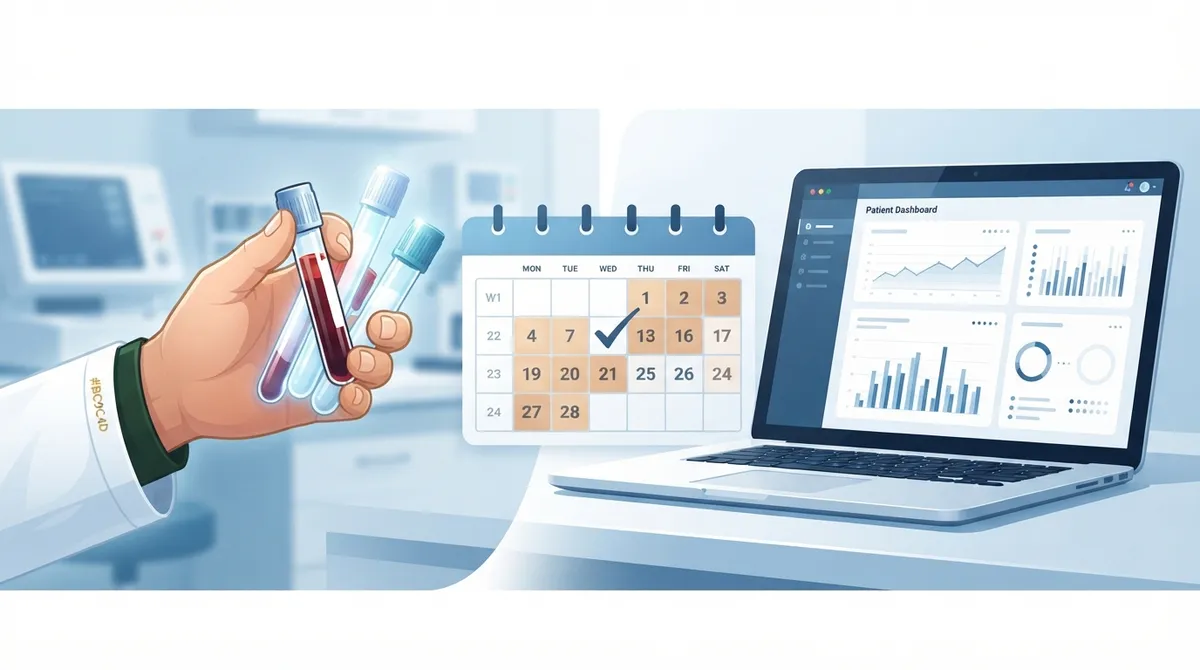
Always require bloodwork before starting: legitimate telemedicine hormone therapy must include a full blood panel (testosterone, thyroid, metabolic panel) before any prescription, as skipping labs leads to incorrect dosages and wasted time.
-
Verify licensed medical oversight in your state: 30-40% of virtual men's health platforms operate in regulatory gray areas; ensure your provider is licensed in your specific state and a real medical professional reviews your labs personally.
-
Plan for ongoing monitoring every 3-6 months: hormone therapy requires regular follow-up labs and adjustments, not one-time treatment; skipping follow-ups risks missing side effects and suboptimal dosing.
-
Compare total costs transparently: pricing ranges from $49-$300+ monthly depending on what's included (labs, visits, medication); ask what's covered upfront rather than relying on advertised entry prices that hide ongoing fees.
Looking for the best telemedicine hormone therapy men can actually trust? You’re not alone. Thousands of guys search for this exact phrase every month, hoping to fix low energy, poor sleep, and stubborn weight gain without sitting in a waiting room. But here’s the thing: the online hormone therapy space is crowded, and not every clinic plays by the rules.
Some platforms skip proper lab work. Others rush you into a prescription without ever talking to a real provider. That’s why we want to walk you through the six biggest mistakes men make when choosing telemedicine hormone therapy. Avoid these, and you’ll land on a program that actually delivers results, safely and legally.
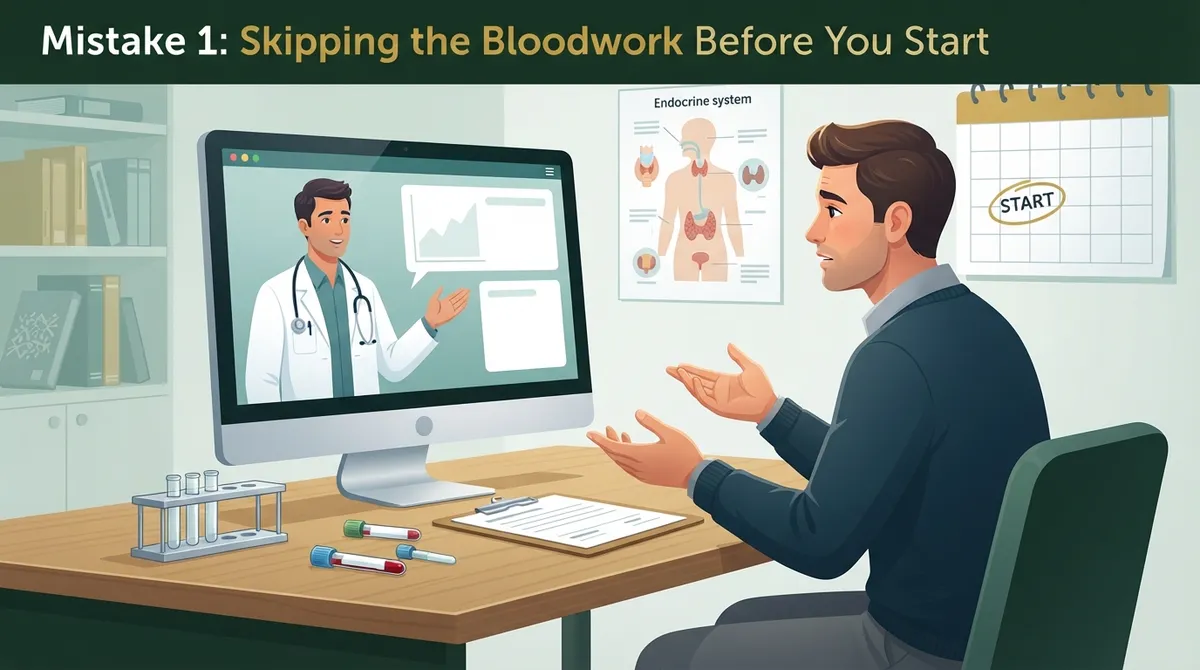
Mistake 1: Skipping the Bloodwork Before You Start
The single biggest red flag in this industry? A clinic that lets you start hormone therapy without lab testing. Real hormone optimization begins with a full blood panel that checks testosterone, thyroid function, and other key markers.
Without this data, no provider can build a plan that fits your body. Guessing at dosages is how men end up with side effects instead of results. A trustworthy telemedicine platform will always require labs, often through a trusted partner like LabCorp, before writing any prescription.
- Testosterone (total and free)
- Estradiol levels
- Thyroid panel (TSH, T3, T4)
- Complete metabolic panel
- Lipid panel and blood count
If a company skips this step, walk away. This single mistake can cost you months of wasted time and money.

Mistake 2: Choosing a Clinic With No Licensed Medical Oversight
According to a 2024 Federation of State Medical Boards reference cited in 2026 reporting, roughly 30% to 40% of virtual men’s health platforms may operate in regulatory gray areas. That’s a big chunk of the market you want to avoid.
Legitimate telemedicine hormone therapy always includes a licensed provider who reviews your labs, talks with you directly, and takes responsibility for your care plan. This isn’t a small detail. It’s the difference between real medicine and a risky shortcut.
What Proper Oversight Looks Like
A good provider relationship includes a real conversation about your health history, ongoing check-ins, and a clear plan for adjusting your treatment over time. At Allura Longevity, care is led by Ashley, a board-certified Family Nurse Practitioner, who reviews every case personally before building a custom plan.
Mistake 3: Ignoring Follow-Up Care and Monitoring
Starting therapy is just step one. Your hormone levels change as your body adjusts, and a smart plan is never a one-and-done deal. Standard online TRT pathways typically call for follow-up blood work every three to six months.
If a clinic doesn’t mention ongoing monitoring, that’s a mistake waiting to happen. Skipping follow-ups can mean missing side effects early or staying on a dose that’s no longer right for you.
- Book your virtual consultation and discuss your goals
- Complete blood work through a certified lab
- Receive your personalized treatment plan
- Start therapy with peptides or hormone support delivered to your door
- Schedule follow-up labs at the recommended interval
- Adjust your protocol based on new results
This cycle keeps you safe and keeps your results moving in the right direction. Learn more about how to start peptide therapy safely and see real results before you commit to any program.
Mistake 4: Thinking It’s Only About Testosterone
Many men assume telemedicine hormone therapy means testosterone injections and nothing else. That’s an outdated view. The best programs now combine hormone support with peptide therapy for a more complete approach to energy, recovery, and longevity.
Peptides like sermorelin support natural growth hormone production, while others help with sleep, immune health, and metabolism. This broader mix means you’re not just chasing one number on a lab report. You’re supporting your whole system.
Common Peptide-Adjacent Additions
- Sermorelin for growth hormone support
- NAD+ for cellular energy and recovery
- Glutathione for antioxidant support
- BPC-157 for injury and tissue recovery
- GLP-1 medications for weight management
Curious how these fit together? Check out 9 men’s wellness peptides worth knowing in 2026 for a deeper look at what’s available.
Mistake 5: Not Comparing Pricing and What’s Actually Included
Pricing in this space varies a lot, and that confuses people. Some clinics advertise treatment starting around $49, with ongoing costs near $129 per month. Others use a flat $99 monthly model that bundles hormone therapy with peptides and other extras.
Meanwhile, many all-inclusive remote TRT management programs run between $150 and $300 per month, not counting medication. Monthly medication costs themselves often land between $100 and $300, depending on what’s prescribed and where it’s filled.
| Pricing Model | Typical Monthly Range | What’s Usually Included |
|---|---|---|
| Budget entry programs | $49–$129 | Basic consultation, limited monitoring |
| Flat-rate bundles | $99–$150 | Hormone therapy plus peptides or ED support |
| Full-service management | $150–$300 | Labs, provider visits, medication coordination |
The lesson here? Don’t just look at the sticker price. Ask what’s actually covered, including lab work, provider access, and follow-up visits. A confusing price sheet is often a sign the company is hiding costs. For a deeper breakdown, see 11 real testosterone therapy cost facts for 2026.
Mistake 6: Forgetting to Check State Licensing and Shipping Rules
Telemedicine hormone therapy isn’t available everywhere, and it shouldn’t be treated like a one-size-fits-all national service. Providers need to be licensed in your specific state to legally prescribe and ship medication to you.
Allura Longevity, for example, is currently licensed in Florida, Georgia, Texas, Connecticut, Indiana, Maryland, New York, and California. If a company claims it can serve any state without restriction, that’s worth questioning closely.
Why Licensing Matters So Much
State licensing protects you. It means a provider has met specific legal and medical standards to practice in your area. According to the National Library of Medicine, proper patient-provider relationships and regulatory compliance are core pillars of safe telehealth hormone care.
How the Best Programs Actually Work
Now that you know what to avoid, let’s talk about what a strong program looks like in practice. The process should feel simple, transparent, and personal from the very first call.
- Start with an affordable virtual consultation, often around $50
- Complete comprehensive labs through a trusted partner like LabCorp
- Get a personalized six-month treatment plan based on your results
- Receive your peptides or hormone medications delivered to your home
- Stay connected with your provider for adjustments and support
This is exactly the model Allura Longevity uses. Everything starts with real data from your blood work, not guesswork. If you want to understand the science behind these treatments, this guide on what are peptides is a helpful starting point.
Signs You’ve Found a Trustworthy Clinic
- Requires bloodwork before prescribing anything
- Has a licensed provider reviewing your case
- Offers clear pricing with no hidden fees
- Schedules regular follow-up labs and check-ins
- Is properly licensed in your state
- Combines hormone support with broader wellness options like peptides
If a clinic checks every one of these boxes, you’re likely in good hands. If it’s missing more than one, it’s worth looking elsewhere.
Comparing Common Telemedicine Hormone Therapy Approaches
| Approach | Best For | Key Consideration |
|---|---|---|
| Standard TRT injections | Men with confirmed low testosterone | Requires regular labs and monitoring |
| Injection-free hormone support | Men who prefer non-injectable options | May take longer to see full effects |
| Peptide-inclusive programs | Men wanting broader wellness support | Combines hormone care with recovery and energy peptides |
Every man’s body responds differently, which is why personalized plans matter so much. A generic protocol rarely works as well as one built around your own labs and goals. This is also why how to know if you need hormone therapy in 2026 is worth a read before you commit to any single approach.
Bringing It All Together
Finding the best telemedicine hormone therapy men can rely on isn’t about picking the flashiest ad or the cheapest price tag. It’s about avoiding these six common mistakes: skipping labs, ignoring licensing, missing follow-up care, thinking it’s testosterone-only, overlooking pricing details, and forgetting state regulations.
When you sidestep these pitfalls, you set yourself up for real, lasting results. Whether your goal is more energy, better sleep, improved muscle recovery, or healthy weight loss, a well-run program can help you get there safely. You can also explore related options like TRT vs. peptides: which hormone fix wins for men to see how these treatments compare.
Allura Longevity makes this process simple. It starts with a $50 virtual consultation, moves into full lab work through LabCorp, and ends with a personalized six-month plan delivered right to your door. Every plan is guided by Ashley, a board-certified Family Nurse Practitioner, so you always have a real expert behind your care.
Spots fill up fast each month, so if you’re ready to take the next step toward better energy and vitality, now’s the time. Request a consultation today and see what a personalized, medically supervised plan can do for you. You can also call (813) 510-6277 to speak with the team directly and learn more about peptides for men available through Allura Longevity.
FAQs
Q: What is the best telemedicine hormone therapy for men?
A: The best programs combine real lab testing, licensed provider oversight, and personalized plans that may include hormone support alongside peptides. Look for clinics that check your bloodwork first and build a plan around your actual results, not a one-size-fits-all protocol.
Q: Is online TRT safe and legitimate?
A: Yes, as long as the clinic requires labs, has licensed providers, and follows up regularly. Legitimate online hormone doctors typically charge between $150 and $300 per month for full remote management, which includes real medical oversight.
Q: How does telemedicine hormone therapy work for men?
A: It usually starts with a virtual consultation, followed by bloodwork through a certified lab like LabCorp. From there, a licensed provider builds a custom treatment plan and ships your medication or peptides right to your home.
Q: Can peptide therapy be included with men’s hormone therapy?
A: Absolutely, and many of the best programs do exactly this. Peptides like sermorelin, BPC-157, and NAD+ often get paired with hormone support to boost energy, recovery, and overall wellness.
Q: How much does online hormone therapy for men cost?
A: Pricing varies quite a bit, with some clinics starting around $49 and others using flat $99 to $150 monthly bundles. Full-service programs with labs and ongoing monitoring typically run $150 to $300 per month, not including medication.





