
Key Takeaways
-
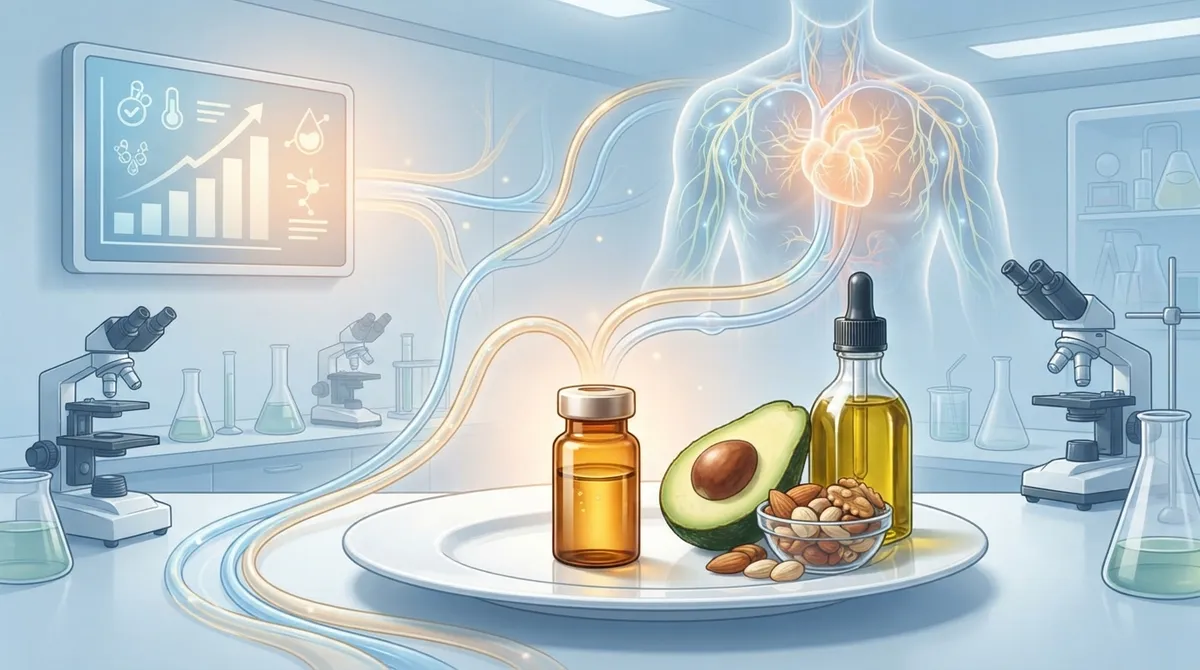
Modern oral testosterone undecanoate is absorbed through the lymphatic system instead of the liver, eliminating the liver damage risk associated with older oral testosterone pills.
-
Oral testosterone undecanoate must be taken with fatty meals for proper absorption; without adequate fat intake, the medication won't work effectively and testosterone levels may remain too low.
-
Low testosterone diagnosis requires both clinical symptoms (fatigue, low libido, muscle loss, brain fog) and consistent blood test results below 12 nmol/L; low energy alone doesn't warrant hormone therapy.
-
Peptide therapy like gonadorelin and kisspeptin stimulates your body's natural testosterone production instead of replacing it directly, offering a gentler option for borderline cases or men wanting to preserve fertility.
-
Regular blood work monitoring is essential regardless of treatment type; providers must recheck testosterone levels within weeks of starting, monitor red blood cell counts, and reassess every few months for optimal safety.
-
Oral testosterone typically requires twice-daily dosing (225-396 mg daily depending on product) with close lab monitoring and dose adjustments, making it a treatment requiring ongoing provider engagement rather than a set-and-forget solution.
If you’ve been feeling tired, foggy, or just not like yourself, you’ve probably started looking into ways to fix low testosterone. Somewhere in your research, you likely bumped into the term “oral hormone therapy for men.” Maybe a friend mentioned pills instead of shots. Maybe you saw an ad promising easy fixes. Either way, you deserve real answers, not confusing medical jargon.
Here’s the good news. Oral hormone therapy has changed a lot in the last few years. Older oral testosterone pills used to worry doctors because of liver issues. Newer options work differently and are much safer. But oral testosterone is only one piece of the puzzle. Many men today are also exploring peptides for men as a way to support their body’s natural hormone production, alongside or instead of direct hormone replacement.
In this guide, we’ll break down six key facts every man should know about oral hormone therapy. We’ll also explain how it compares to peptide-based approaches, so you can make a confident, informed choice with your provider.
1. Oral Testosterone Has Come a Long Way
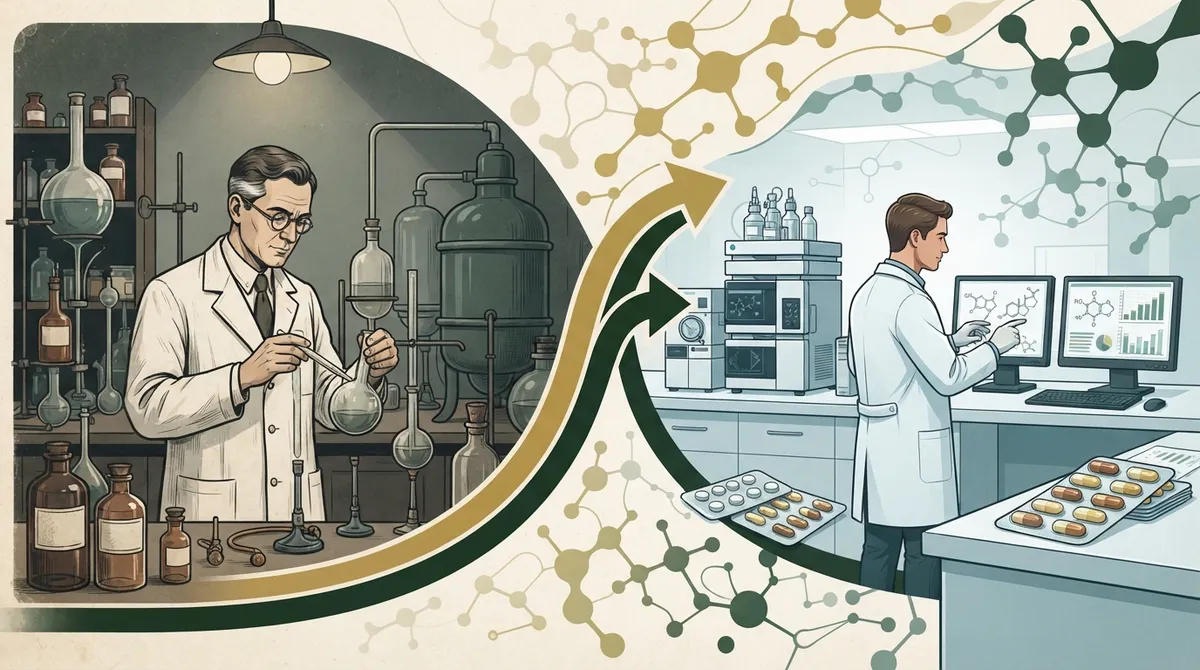
Years ago, oral testosterone pills had a bad reputation. Older versions used something called alkylated testosterone. These pills passed through the liver first, and that caused liver stress over time. Doctors mostly stopped recommending them.
Today, the main oral option is testosterone undecanoate. This newer formula gets absorbed through your lymphatic system instead of going straight through the liver. That means it skips the harsh “first-pass” liver processing that made older pills risky. According to the Mayo Clinic, this design helps raise testosterone levels while lowering the risk of liver damage seen with older oral androgens.
This shift matters. It means oral hormone therapy for men is finally a real option, not just a risky shortcut. Still, like any hormone treatment, it needs a doctor’s guidance and regular blood testing.
2. Dosing Depends on Food, Timing, and Your Body
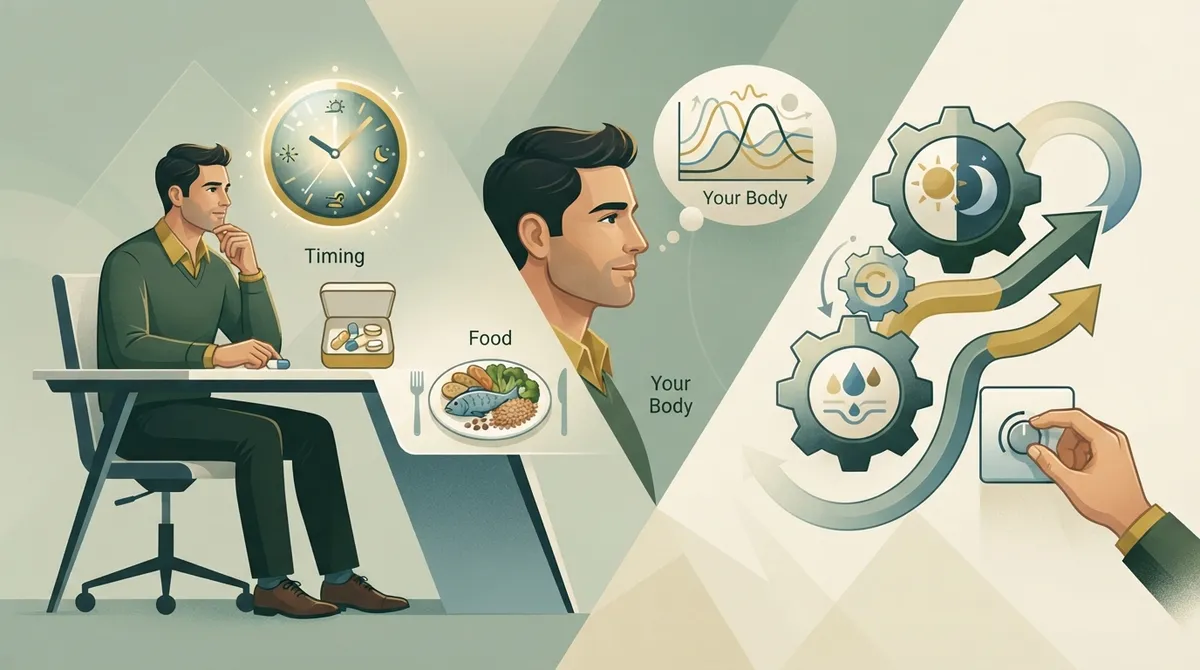
Here’s something that surprises a lot of guys. Oral testosterone undecanoate needs to be taken with food, and not just any food. It needs to be taken with a meal that has fat in it. Fat helps your gut absorb the medication properly through the lymphatic system.
Skip the fat, and the drug just won’t work as well. Your levels could stay too low, and you might not feel any better at all.
Typical starting doses look something like this:
- One branded product starts around 225 mg taken twice daily
- Another common product starts near 237 mg twice daily
- Maximum daily dose for that second product tops out at 396 mg per day
- Doses get adjusted based on blood testosterone levels over time
- Follow-up labs are needed to fine-tune your dose
This is not a “set it and forget it” treatment. It takes monitoring, patience, and a provider who actually pays attention to your results. That’s exactly why working with a telehealth team that reviews your labs closely, like the one at Allura Longevity, makes such a big difference.
3. Not Every Man With Low Energy Needs Hormone Replacement
This one is important. Feeling tired or unmotivated doesn’t automatically mean you need testosterone therapy. Clinical guidelines from the American Urological Association stress that treatment should only start after a proper diagnosis. That means real symptoms plus blood tests showing consistently low testosterone.
European guidelines have pointed to total testosterone below 12 nmol/L as one threshold doctors consider when evaluating symptomatic hypogonadism. But numbers alone don’t tell the whole story. Your provider should look at your full picture, including symptoms like:
- Low sex drive or performance issues
- Constant fatigue that sleep doesn’t fix
- Trouble building or keeping muscle
- Mood changes, irritability, or brain fog
- Reduced motivation or drive at work
If your labs and symptoms both point to true low testosterone, oral hormone therapy might be worth discussing. If not, other options like peptide support might be a smarter first step. You can learn more about how these treatments differ in our guide on TRT vs. Peptides: Which Hormone Fix Wins for Men.
4. Oral Pills Are Just One of Several Delivery Options
Oral testosterone is convenient, sure. No needles, no patches, no messy gels. But it’s not the only way to raise low testosterone. Understanding your choices helps you pick what actually fits your life.
| Delivery Method | Frequency | Key Consideration |
|---|---|---|
| Oral undecanoate | Twice daily with fatty food | Needs strict meal timing for absorption |
| Injections | Weekly or biweekly | Steady levels, but needs needles |
| Topical gel | Daily application | Risk of transfer to others through skin contact |
| Patches | Daily | Can cause skin irritation |
| Pellets | Every 3-6 months | Minor procedure to insert under skin |
Every option has trade-offs. Some men love the idea of a daily pill. Others prefer fewer doses even if it means a quick in-office visit every few months. For a deeper comparison, check out our article on How to Choose the Right Testosterone Therapy Type.
5. Peptides Offer a Different Path to Hormone Support
Here’s where things get interesting for men who want options beyond direct hormone replacement. Peptide therapy doesn’t replace testosterone directly. Instead, certain peptides send signals to your body, encouraging it to produce more of its own hormones naturally.
Two peptides often discussed in this context are gonadorelin and kisspeptin. Both may help stimulate your body’s natural testosterone production pathways. This approach appeals to men who want to:
- Support natural hormone production without full replacement therapy
- Maintain fertility, since some testosterone therapies can reduce sperm production
- Try a gentler starting point before considering direct hormone replacement
- Combine hormone support with other wellness goals like better sleep or recovery
- Work with a provider to build a personalized plan based on their own labs
To be clear, peptides are not a magic swap for men with true clinical hypogonadism. But for many guys in the “borderline” zone, they can be a smart, less invasive starting point. If you want to understand the basics first, our article on 8 Facts That Explain What Are Peptides in 2026 is a great place to start. You might also enjoy learning about 9 Men’s Wellness Peptides Worth Knowing in 2026.
6. Monitoring and Safety Matter More Than the Method
No matter which option you choose, oral pills, injections, or peptide support, monitoring is the real key to success. The Endocrine Society Clinical Practice Guideline emphasizes careful diagnosis, dose adjustments, and ongoing blood work throughout treatment. This isn’t optional. It’s how you stay safe and actually see results.
Here’s a simple safety checklist to keep in mind:
- Get full blood work before starting any hormone treatment
- Recheck testosterone levels a few weeks after starting therapy
- Watch for side effects like acne, mood swings, or blood pressure changes
- Monitor red blood cell counts, since testosterone can thicken the blood
- Reassess your plan every few months with your provider
This is exactly the kind of ongoing care that makes telehealth-based peptide and hormone therapy so valuable. When you work with a team that actually reviews your labs and adjusts your plan, you’re far more likely to feel real, lasting results. To understand what a full plan looks like, take a look at our post on How to Start Peptide Therapy Safely and See Real Results.
Oral Testosterone vs. Peptide Support: A Quick Comparison
Trying to decide between the two? Here’s a simple side-by-side to help clarify things.
| Feature | Oral Testosterone | Peptide Hormone Support |
|---|---|---|
| How it works | Directly replaces testosterone | Encourages your body to produce more naturally |
| Best for | Diagnosed hypogonadism | Borderline levels or general wellness goals |
| Fertility impact | Can reduce sperm production | May help preserve fertility |
| Monitoring needed | Regular blood work required | Regular blood work recommended |
| Delivery | Oral pill, twice daily | Often injectable, varies by peptide |
Neither option is automatically “better.” It really depends on your labs, your symptoms, and your personal goals. This is exactly why a personalized plan matters so much more than a one-size-fits-all approach.
How Allura Longevity Approaches Hormone Support
At Allura Longevity, we believe men deserve real answers, not guesswork. Our process starts with a simple $50 virtual consultation. From there, you’ll complete blood work through LabCorp so we can see exactly what’s going on inside your body.
Based on your results, our licensed providers, led by board-certified Family Nurse Practitioner Ashley, build a custom six-month treatment plan just for you. Whether that means exploring testosterone support, peptide therapy, or a combination of both, everything is tailored to your labs and your goals. Your treatment arrives right at your door, and our team stays with you through regular check-ins and dose adjustments.
We’re proud to offer this personalized, telehealth-based care to men across Florida, Georgia, Texas, Connecticut, Indiana, Maryland, New York, and California. Spots fill up fast each month, so if you’re ready to feel like yourself again, now’s a great time to reach out.
Final Thoughts on Oral Hormone Therapy for Men
Oral hormone therapy for men has come a long way from the risky pills of the past. Modern oral testosterone undecanoate offers a real, effective option for men with diagnosed low testosterone, as long as it’s paired with proper dosing, food timing, and ongoing monitoring. For men who aren’t quite there yet, peptide-based hormone support offers a gentler, more natural starting point worth exploring with a qualified provider.
Whatever path fits you best, the most important step is getting real answers from your own blood work, not guessing based on symptoms alone. If you’re ready to find out what’s really going on and build a plan made just for you, request a consultation with our team today. You can also call us directly at (813) 510-6277 to get started.
FAQs
Q: What is oral hormone therapy for men?
A: It’s a treatment using oral testosterone undecanoate to raise low testosterone levels in men. Unlike older oral pills, this modern version is absorbed through the lymphatic system, which helps avoid the liver stress that made past options risky.
Q: Is oral testosterone safe for men?
A: When prescribed and monitored properly, modern oral testosterone undecanoate is considered a safe option for men with diagnosed low testosterone. The key is regular blood work and working with a provider who adjusts your dose based on your actual results, not guesswork.
Q: Can peptide therapy replace testosterone therapy for men?
A: Peptides like gonadorelin work differently than direct testosterone replacement. They encourage your body to produce more of its own hormones naturally, which can be a great option for men who aren’t quite candidates for full hormone replacement yet.
Q: What are the side effects of oral testosterone undecanoate?
A: Possible side effects include acne, mood changes, and shifts in blood pressure or red blood cell counts. That’s exactly why ongoing monitoring matters so much, so your provider can catch and adjust for any issues early.
Q: Who is a candidate for oral hormone therapy for low testosterone?
A: Good candidates typically have both symptoms, like fatigue or low sex drive, and blood work confirming consistently low testosterone levels. If you’re not sure where you stand, starting with a consultation and lab work is the best first step.





