

Key Takeaways
-
Progesterone is a steroid hormone, not a peptide—they work differently in the body and serve distinct purposes, so one cannot replace the other in treating menopause symptoms.
-
Progesterone therapy is evidence-backed for menopause symptom relief and uterine lining protection, typically dosed at 100 mg daily or 200 mg cyclically, and works best when paired with estrogen in hormone replacement therapy.
-
Peptide therapy is a supportive add-on for wellness goals like sleep and energy, not a substitute for hormone therapy; clinical evidence for peptides in menopause is still limited compared to established HRT protocols.
-
A personalized approach starting with comprehensive blood work and working with a licensed provider is essential, with monitoring every 6-8 weeks to adjust your plan as your body responds.
If you’ve been researching hormone health, you’ve probably seen “progesterone therapy for women” mentioned right alongside peptide therapy. It’s easy to see why the two get mixed up. Both promise better sleep, steadier moods, and a body that feels more like itself again. But here’s the honest truth: progesterone and peptides are not the same thing, and knowing the difference can save you time, money, and confusion.
We know navigating hormone health can feel overwhelming. That’s exactly why we put together this friendly, no-nonsense guide. Whether you’re a busy professional squeezing in research between meetings, a biohacker who loves a good lab report, or simply someone who wants to feel vibrant again, this article breaks down what progesterone therapy really is, how it fits with hormone replacement therapy, and where peptide therapy can play a supportive role. Let’s get into it, one clear fact at a time.

1. Progesterone Is a Hormone, Not a Peptide
Let’s clear up the biggest mix-up first. Progesterone is a steroid hormone made naturally by the ovaries. Peptides, on the other hand, are short chains of amino acids that act more like messengers in the body. If you want a deeper dive into what peptides actually are, this guide on what peptides are breaks it down simply.
Because progesterone and peptides work differently, they’re usually not interchangeable treatments. Progesterone therapy is a hormone replacement approach. Peptide therapy is often layered on top for broader wellness support, not as a swap for hormone treatment.
2. What Progesterone Therapy Actually Does for Women
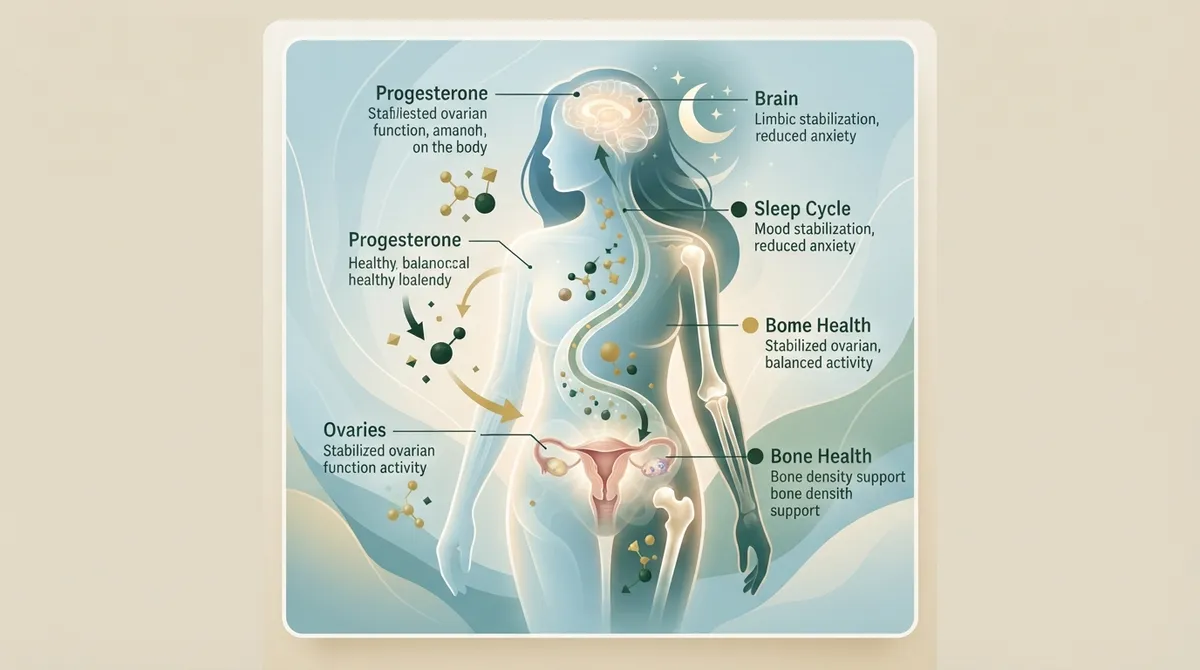
Progesterone therapy is most often used during perimenopause and menopause. It helps balance the effects of estrogen, supports better sleep, and protects the uterine lining when estrogen is also being used.
Common reasons women start progesterone therapy include:
- Irregular or heavy periods during perimenopause
- Trouble falling or staying asleep
- Mood swings tied to hormone shifts
- Needing endometrial protection while on estrogen therapy
- Support during the transition into menopause
According to a peer-reviewed review referenced by the National Library of Medicine, progesterone can be used safely and effectively for menopausal symptoms. Typical dosing includes continuous use of 100 mg per day, or a cyclical dose of 200 mg per day for 12 to 14 days each month.
3. How Progesterone Fits Into Hormone Replacement Therapy
Progesterone rarely stands alone. It’s usually paired with estrogen in a hormone replacement therapy (HRT) plan. This combination helps manage menopause symptoms while keeping the uterine lining safe from overgrowth.
One commonly cited regimen in mainstream menopause care uses micronized progesterone at 200 mg at bedtime, paired with transdermal estradiol. This pairing is considered a preferred approach in many clinical settings because it balances symptom relief with safety.
If you’re curious about the bigger picture of hormone therapy, our article on what hormone replacement therapy actually involves is a great next read.
4. Where Peptide Therapy Comes In (and Where It Doesn’t)
This is the part people often get wrong. Peptide therapy is not a replacement for progesterone or estrogen. It’s more of a supporting player.
Some peptides, like chorionic gonadotropin, Cetrorelix, and Nafarelin, can influence reproductive hormone signaling. But they don’t directly replace progesterone the way standard hormone therapy does. Instead, peptides are often used to support:
- Hormone receptor sensitivity
- Sleep quality and recovery
- Luteal phase function
- Energy and metabolic health
- Overall hormonal balance alongside HRT
According to what are peptides, these molecules act as chemical messengers rather than hormone substitutes. This distinction matters a lot when you’re deciding what treatment path makes sense for you.
5. The Evidence Gap: What Research Actually Shows
We always want to give you the full picture, not just the exciting parts. Right now, peptide therapy is not recognized as a standard treatment for menopause symptoms. Major clinical guidelines don’t endorse it for this specific use.
The clinical evidence for peptides in menopausal women is still thin. Much of what we know is extrapolated from other areas of research, not from large studies focused specifically on menopause. This doesn’t mean peptides aren’t valuable. It just means they should be viewed as an add-on, not a stand-in for hormone therapy.
Why This Distinction Matters
Understanding this gap helps you set realistic expectations. If your main goal is treating hot flashes, night sweats, or protecting your uterine lining, hormone therapy with progesterone is the evidence-backed choice. Peptides can be added later for broader wellness goals like recovery, sleep, or energy.
6. Comparing Progesterone Therapy and Peptide Therapy
Here’s a simple breakdown to help you see the differences side by side.
| Feature | Progesterone Therapy | Peptide Therapy |
|---|---|---|
| Type of Molecule | Steroid hormone | Short amino acid chain |
| Main Use | Menopause symptom relief, endometrial protection | Wellness support, recovery, energy, sleep |
| Clinical Evidence | Strong, well-studied | Growing but still limited for menopause |
| Typical Regimen | 100 mg/day continuous or 200 mg/day cyclical | Varies by peptide and goal |
| Guideline Status | Recognized standard treatment | Not yet endorsed for menopause specifically |
7. Peptides That May Support Luteal Function and Hormonal Balance
Some women explore peptide-supported strategies for luteal phase function and hormonal balance, especially those focused on fertility or cycle regularity. While this is a growing area of interest, it’s still considered supportive rather than a primary treatment.
Here’s a quick list of what peptide support might look like when paired with hormone therapy:
- Start with baseline blood work to understand your current hormone levels
- Discuss whether progesterone or full hormone therapy fits your symptoms
- Layer in peptides for sleep, recovery, or energy support if appropriate
- Monitor bloodwork every 6 to 8 weeks to track progress
- Adjust the plan based on how your body responds
If you’re wondering how peptides and hormone therapy can work together for mood support specifically, this piece on easing mood swings with HRT and peptides is worth a look.
8. What to Expect Cost-Wise
Cost is often the first question we hear, and it’s a fair one. Pricing varies depending on whether you’re doing hormone therapy alone or combining it with peptide support.
| Approach | Typical Monthly Cost Range | Monitoring Frequency |
|---|---|---|
| Progesterone/HRT Alone | Varies by provider and dosage | Every few months |
| Combined HRT + Peptide Protocol | $300–$800/month | Bloodwork every 6–8 weeks |
| Peptide Therapy Alone | Varies by goal and peptide type | Every 6–8 weeks typically |
For a deeper look at avoiding common budget pitfalls, check out 6 hormone therapy cost mistakes that drain your wallet.
9. How to Build a Personalized Plan That Actually Fits You
No two women have the same hormone story. That’s why a personalized approach matters so much more than a one-size-fits-all protocol.
Here’s how a thoughtful plan usually comes together:
- Complete a virtual consultation to discuss your symptoms and goals
- Get comprehensive blood work through a trusted lab
- Review results with a licensed provider who explains what they mean
- Receive a customized plan, whether that’s progesterone, full HRT, peptide support, or a combination
- Get your treatment delivered to your door for easy at-home use
- Follow up regularly so your plan evolves as your body does
This is exactly the kind of process we walk clients through. Allura Longevity offers a $50 virtual consultation, LabCorp blood work, and a custom six-month plan built around your actual results, not guesswork. Our team, led by board-certified Family Nurse Practitioner Ashley, monitors your progress and adjusts your plan as needed. We’re proud to serve clients in Florida, Georgia, Texas, Connecticut, Indiana, Maryland, New York, and California through convenient telehealth care.
If you want to learn more about building a wellness plan designed specifically for women, our guide on building a women’s wellness peptide plan is a helpful next step. And if you’re comparing testosterone and peptide options for women’s health, this comparison on testosterone vs. peptides for women offers useful context too.
A Few Reminders Before You Start
Before jumping into any hormone or peptide plan, keep these points in mind:
- Always start with real blood work, not assumptions
- Work with a licensed provider who reviews your full health history
- Understand that progesterone therapy and peptide therapy serve different purposes
- Ask questions about monitoring and follow-up care
- Give your body time. Hormone balance is a process, not an overnight fix
We know this is a lot of information, but you don’t have to figure it out alone. Spots for new clients open up each month, and our team is here to guide you every step of the way. If you’re ready to see what a personalized plan could look like for you, you can request a consultation and get started with confidence.
FAQs
Q: What is the difference between progesterone therapy and peptide therapy for women?
A: Progesterone therapy uses a steroid hormone to treat menopause symptoms and protect the uterine lining, while peptide therapy uses short amino acid chains to support broader wellness goals like sleep, recovery, and energy. They work differently in the body, so one doesn’t replace the other. Many women use them together as part of a well-rounded plan.
Q: Is progesterone considered a peptide?
A: Nope, and this is a really common mix-up. Progesterone is a steroid hormone, not a peptide, even though both get grouped together in hormone health conversations. Knowing this difference helps you choose the right treatment for your specific goals.
Q: Can peptides increase progesterone levels naturally?
A: Some peptides may influence reproductive hormone signaling, but they don’t directly raise progesterone levels the way hormone therapy does. Research in this area is still limited, so peptides are best viewed as supportive tools rather than a direct progesterone booster.
Q: Is progesterone therapy used with estrogen in hormone replacement therapy?
A: Yes, this is actually the most common approach. Progesterone is often paired with estrogen to manage menopause symptoms while protecting the uterine lining from overgrowth. A popular regimen uses micronized progesterone alongside transdermal estradiol.
Q: Are peptide therapies a substitute for bioidentical progesterone or HRT?
A: Not currently, and it’s important to be clear about that. Peptide therapy is generally considered an adjunct, not a substitute, for hormone replacement therapy. If you need progesterone for menopause symptoms, evidence-based hormone therapy remains the recommended path, with peptides added for extra support.





