

Key Takeaways
-
Bremelanotide (PT-141/Vyleesi) is the only FDA-approved peptide for sexual wellness, specifically for premenopausal women with HSDD, backed by Phase 3 clinical trial data and working through brain desire pathways rather than just blood flow.
-
Most other sexual wellness peptides lack FDA approval and clinical evidence; for example, BPC-157 has no clinical support for erectile dysfunction despite widespread wellness marketing claims about it.
-
Sexual wellness peptide therapy requires medical oversight with licensed providers who can identify underlying hormonal causes through blood work, rather than self-prescribing unproven compounds found online.
-
Sexual wellness connects to broader health factors like sleep, stress, hormones, and energy levels, so personalized treatment plans based on individual blood work are more effective than one-size-fits-all approaches.
-
Kisspeptin shows promise for hormone regulation through the hypothalamic-pituitary-gonadal axis but currently lacks FDA approval for sexual wellness and remains in early research stages.
-
Common reasons to seek sexual wellness support include menopause-related changes, post-childbirth hormonal shifts, stress affecting intimacy, and age-related hormone decline—all warrant professional evaluation.
Let’s talk about something a lot of us think about but rarely say out loud: low libido, disconnect in the bedroom, and that frustrating feeling of just not feeling like yourself anymore. You’re not alone, and you’re definitely not broken. Sexual wellness is a real, valid part of your overall health, and science is finally catching up with treatments that actually make sense for your body. Peptide therapy has become one of the most talked-about options in this space, and we’re here to break it down for you in plain language, no awkwardness required.
Whether you’re a busy professional trying to reconnect with your partner after a long week, someone navigating hormone shifts from menopause, or just a curious biohacker who wants to understand what’s backed by real evidence, this guide is for you. We’ll walk through the peptides making headlines, what the research actually shows, and how to separate solid science from wellness-industry hype. Grab a cup of tea and let’s get into it together.

1. Understanding What Sexual Wellness Peptides Actually Are
Peptides are small chains of amino acids that act like messengers in your body. Think of them as tiny notes passed between cells, telling them what to do. Some peptides tell your brain to release growth hormone. Others, as we’ll see, tell your brain to boost desire and arousal. If you’re new to this whole world, our guide on what are peptides is a great place to start before diving deeper here.
When it comes to sexual wellness specifically, most peptides being studied work on your brain and nervous system, not just blood flow like older treatments. This is a pretty big shift in how doctors think about desire and satisfaction. According to what are peptides, these compounds can influence hormone pathways, nerve signaling, and even mood, all of which play a role in intimacy.
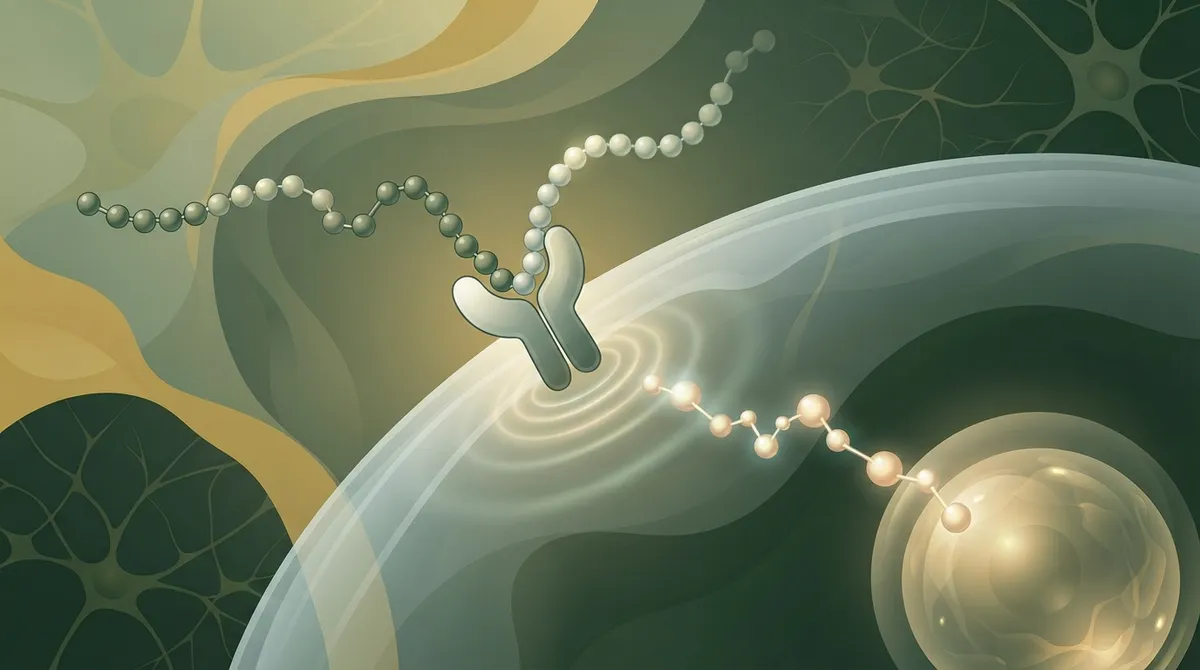
2. Bremelanotide (PT-141): The Only FDA-Approved Option
If there’s one name you should remember from this whole article, it’s bremelanotide, also known as PT-141 or by its brand name, Vyleesi. This is the real deal. It received FDA approval back in 2019 specifically for premenopausal women dealing with hypoactive sexual desire disorder, or HSDD for short.
Here’s what makes PT-141 different from most other sexual wellness peptides out there. It doesn’t work by increasing blood flow like some older medications. Instead, it acts on your central nervous system, essentially turning up the dial on your brain’s natural desire pathways. The approval was backed by Phase 3 RECONNECT trial data, and some industry sources reference more than 1,200 participants across these studies, though we always recommend verifying specific numbers against the original trial publications.
- Works through brain and nervous system pathways, not just blood flow
- FDA-approved specifically for premenopausal women with HSDD
- Administered as a self-injection before anticipated intimacy
- Backed by Phase 3 clinical trial data
- Requires a prescription and medical oversight
3. Why Most Other Sexual Wellness Peptides Lack FDA Approval
Here’s the honest truth, and we always believe in honesty over hype. Aside from bremelanotide, most peptides marketed for sexual wellness haven’t gone through the same rigorous FDA approval process. That doesn’t automatically mean they’re useless, but it does mean you should approach the marketing claims with a healthy dose of skepticism.
A 2025 narrative review published in the Journal of Sexual Medicine described therapeutic peptides in this field as promising but still emerging. Translation: scientists are excited about the potential, but we’re not quite at the finish line yet for most compounds beyond PT-141. This is exactly why working with licensed providers who understand the evidence matters so much.
4. The BPC-157 Myth You Should Know About
You’ve probably seen BPC-157 mentioned everywhere in wellness circles, often praised for recovery and healing. It’s a legitimately interesting peptide for certain uses, and we cover that in detail in our article on BPC-157 peptide facts. But here’s where we need to set the record straight.
According to a PMC review on the National Library of Medicine, there is currently no clinical evidence supporting BPC-157 for erectile dysfunction, despite how often it shows up in wellness marketing for exactly that purpose. This is a perfect example of why doing your homework matters before trying anything you read about online.
5. Kisspeptin and the Hypothalamic-Pituitary-Gonadal Connection
Kisspeptin is another peptide that gets a lot of buzz in longevity and wellness spaces. It plays a role in your hypothalamic-pituitary-gonadal axis, which is basically the communication highway between your brain and your reproductive hormones. This pathway influences everything from testosterone production to menstrual cycles.
While kisspeptin research is genuinely fascinating for reproductive health and hormone regulation, it doesn’t currently carry FDA approval for sexual wellness indications. If you’re curious about how hormone pathways connect to overall vitality, our piece on testosterone vs. peptides for women dives deeper into this topic.
6. How Sexual Wellness Peptides Compare
| Peptide | FDA Approval Status | Primary Mechanism | Evidence Level |
|---|---|---|---|
| Bremelanotide (PT-141) | FDA-approved for premenopausal HSDD | Central nervous system, brain desire pathways | Strong, Phase 3 trial data |
| Kisspeptin | Not approved for sexual wellness | Hypothalamic-pituitary-gonadal axis | Early, investigational |
| BPC-157 | Not approved for sexual health | Marketed for tissue repair | No evidence for ED per PMC review |
| Oxytocin-related peptides | Not approved for sexual wellness | Bonding, neuroendocrine signaling | Limited, emerging research |
7. Steps to Approach Sexual Wellness Peptide Therapy Safely
If you’re considering peptide therapy for sexual wellness, please don’t just order something online and hope for the best. Your body deserves a thoughtful, medically supervised approach. Here’s how we recommend approaching it, step by step.
- Start with a conversation with a licensed provider who understands both hormones and peptides
- Get comprehensive blood work done to identify underlying hormonal or health factors
- Discuss your specific symptoms, whether it’s low desire, menopause-related changes, or post-childbirth recovery
- Review which treatments have actual clinical evidence versus marketing claims
- Start with a personalized plan tailored to your blood work and goals
- Schedule regular follow-ups so your provider can adjust your plan as needed
- Track your progress honestly and communicate openly with your care team
This process mirrors what we recommend for any peptide journey. Our guide on how to start peptide therapy safely walks through these same principles in more detail.
8. Why Clinical Oversight Matters More Than Ever
Because most sexual wellness peptides outside of bremelanotide lack FDA approval, careful patient selection and clinical oversight become incredibly important. This isn’t us trying to scare you away from peptide therapy. It’s quite the opposite. We want you to feel confident and safe while exploring options that could genuinely improve your quality of life.
A licensed provider can help you understand whether your low libido stems from hormonal imbalances, stress, menopause, or something else entirely. They can also help you avoid wasting money on unproven compounds. If you want to understand how personalized plans work from the ground up, check out our article on building a women’s wellness peptide plan.
Common Reasons People Seek Sexual Wellness Support
- Menopause-related changes in desire and comfort
- Post-childbirth hormonal shifts and recovery
- Stress and busy schedules affecting intimacy
- Age-related decline in testosterone or estrogen
- General fatigue and low energy impacting connection
- Wanting to feel like yourself again after health changes
Signs You Might Benefit From a Professional Evaluation
- Persistent low desire that lasts several months
- Noticeable changes after menopause or childbirth
- Distress or frustration related to sexual wellness
- Difficulty achieving arousal despite feeling emotionally connected
- Curiosity about whether hormones or peptides could help
How This Fits Into Your Bigger Wellness Picture
Sexual wellness rarely exists in a vacuum. It’s often connected to sleep, energy, stress levels, and hormone balance. That’s why a personalized approach matters so much, because your body’s story is unique to you. If you’re also dealing with low energy alongside intimacy concerns, our resource on picking peptides for energy that actually work might be worth a read too.
At Allura Longevity, we understand that sexual wellness is deeply personal and deserves a thoughtful, judgment-free approach. Our licensed providers, led by board-certified Family Nurse Practitioner Ashley, design treatment plans based on your actual blood work, not guesswork. Everything starts with a simple $50 virtual consultation, followed by comprehensive lab work through LabCorp, so your six-month plan is built specifically around you.
What to Expect When You Start With Allura Longevity
- Book your $50 virtual consultation from the comfort of home
- Complete blood work through LabCorp at a convenient location near you
- Receive a customized six-month treatment plan from a licensed provider
- Get your peptides delivered directly to your door
- Enjoy ongoing monitoring and adjustments as your body responds
We proudly serve clients across Florida, Georgia, Texas, Connecticut, Indiana, Maryland, New York, and California, all through convenient telehealth visits. If you’re balancing a demanding career or family life, our approach to telehealth versus local clinic peptide therapy shows why so many busy professionals choose us for their care.
Final Thoughts on Sexual Wellness Peptides
Sexual wellness deserves the same care, curiosity, and compassion as any other part of your health. While bremelanotide stands out as the only FDA-approved peptide specifically for sexual desire concerns, the broader field of peptide science continues to grow every year. What matters most is working with people who understand the difference between promising research and proven treatment, and who genuinely care about your results.
You deserve a care team that listens, explains things clearly, and builds a plan around your actual needs rather than a one-size-fits-all approach. Spots fill up quickly each month, so if you’re ready to explore what personalized peptide therapy could look like for you, now’s a great time to reach out. Request your consultation with Allura Longevity today and take that first warm, confident step toward feeling like yourself again.
FAQs
Q: What is PT-141 and how does it work for sexual wellness?
A: PT-141, also known as bremelanotide, is a peptide that works on your brain’s desire pathways rather than just blood flow. It’s the only peptide currently FDA-approved for treating hypoactive sexual desire disorder in premenopausal women, so it comes with real clinical backing behind it.
Q: Is bremelanotide the same as Vyleesi?
A: Yes, they’re one and the same! Bremelanotide is the generic name for the medication, while Vyleesi is the brand name you’ll see on the FDA-approved prescription. Both refer to the same treatment for HSDD in premenopausal women.
Q: Are peptides effective for low libido in men and women?
A: It really depends on the specific peptide and your individual situation. Bremelanotide has solid evidence for women with HSDD, but many other peptides marketed for libido lack the same clinical proof, which is why working with a licensed provider matters so much.
Q: Is BPC-157 used for erectile dysfunction or sexual health?
A: You’ll see BPC-157 mentioned in wellness marketing for this purpose, but honestly, the evidence just isn’t there yet. A review on the National Library of Medicine confirms there’s currently no clinical evidence supporting BPC-157 for erectile dysfunction specifically.
Q: What is the difference between peptide therapy and hormone therapy for sexual wellness?
A: Peptide therapy often targets brain and nervous system pathways to influence desire, while hormone therapy typically addresses imbalances in testosterone, estrogen, or progesterone directly. Many people benefit from a combined, personalized approach based on their unique blood work and goals.





