

Key Takeaways
-
Semaglutide and tirzepatide produce 12-24% weight loss over 12 months, significantly outperforming traditional methods (3-5%) and older medications, with 78.54% of GLP-1 users losing weight versus 26.53% on placebo.
-
GLP-1 works through multiple pathways simultaneously: slowing digestion, reducing hunger signals, increasing fullness, improving insulin response, and stabilizing blood sugar—which explains why it outperforms single-mechanism weight loss approaches.
-
FDA-approved oral GLP-1 options became available in 2025, offering an alternative to weekly injections and making treatment more accessible for people who travel frequently or prefer daily pills.
-
GLP-1 is a long-term therapy requiring medical supervision; stopping treatment often causes weight regain, so sustainable results depend on ongoing provider monitoring, gradual dosing, and combining medication with healthy habits.
If you’ve been hearing about GLP-1 weight loss everywhere lately, you’re not imagining things. This peptide-based treatment has become one of the most talked-about tools in modern wellness, and for good reason. Whether you’re a busy professional short on time, someone who tracks every lab result, or simply tired of diets that don’t stick, GLP-1 therapy might be the missing piece you’ve been searching for.
Here’s the thing: not all peptide therapy is the same. GLP-1 medications like semaglutide and tirzepatide sit in a special category. They’re FDA-approved, backed by strong clinical research, and work differently than wellness peptides such as BPC-157 or CJC-1295/Ipamorelin. Understanding these differences helps you make smart, informed choices about your health. Let’s walk through everything you need to know, one friendly fact at a time.
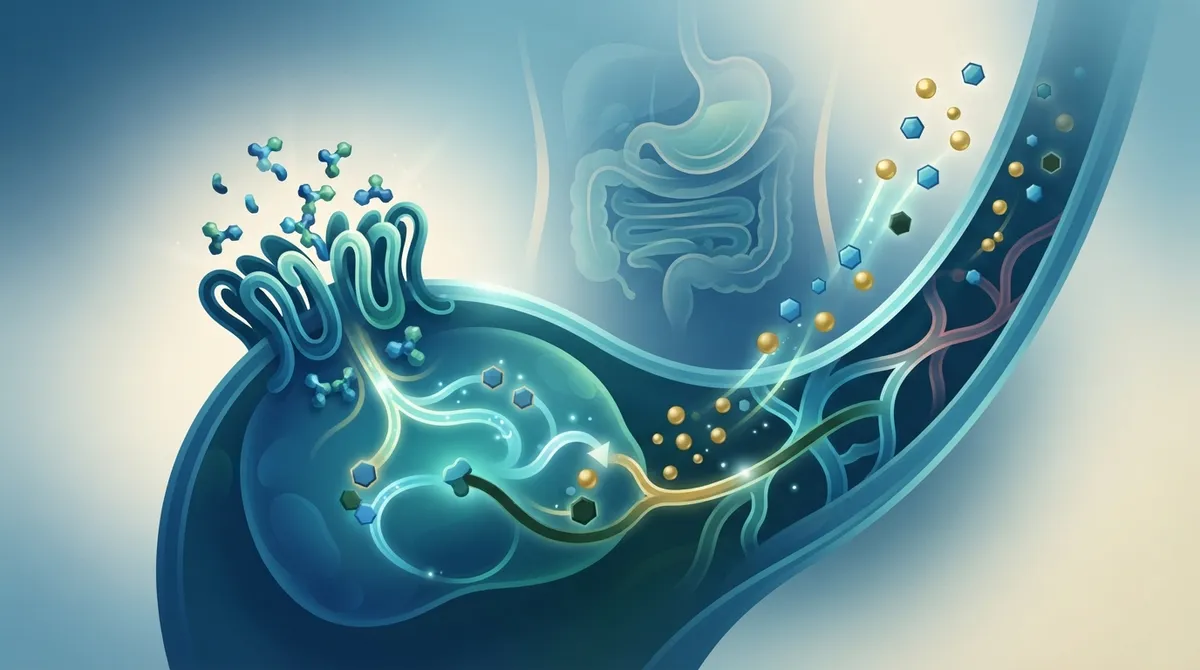
1. GLP-1 Weight Loss Mimics a Hormone Your Body Already Makes
GLP-1 stands for glucagon-like peptide-1, a natural hormone your gut releases after you eat. This hormone tells your brain you’re full, slows down digestion, and helps your body manage blood sugar. GLP-1 medications simply copy this hormone’s job, but with a longer-lasting and stronger effect.
This is why GLP-1 weight loss feels different from willpower-based dieting. Your body isn’t fighting itself anymore. Instead, it’s getting extra support from a hormone system that was designed to keep you satisfied and steady. For a deeper look at how these peptides function, check out what are peptides and how they interact with your body’s natural signals.
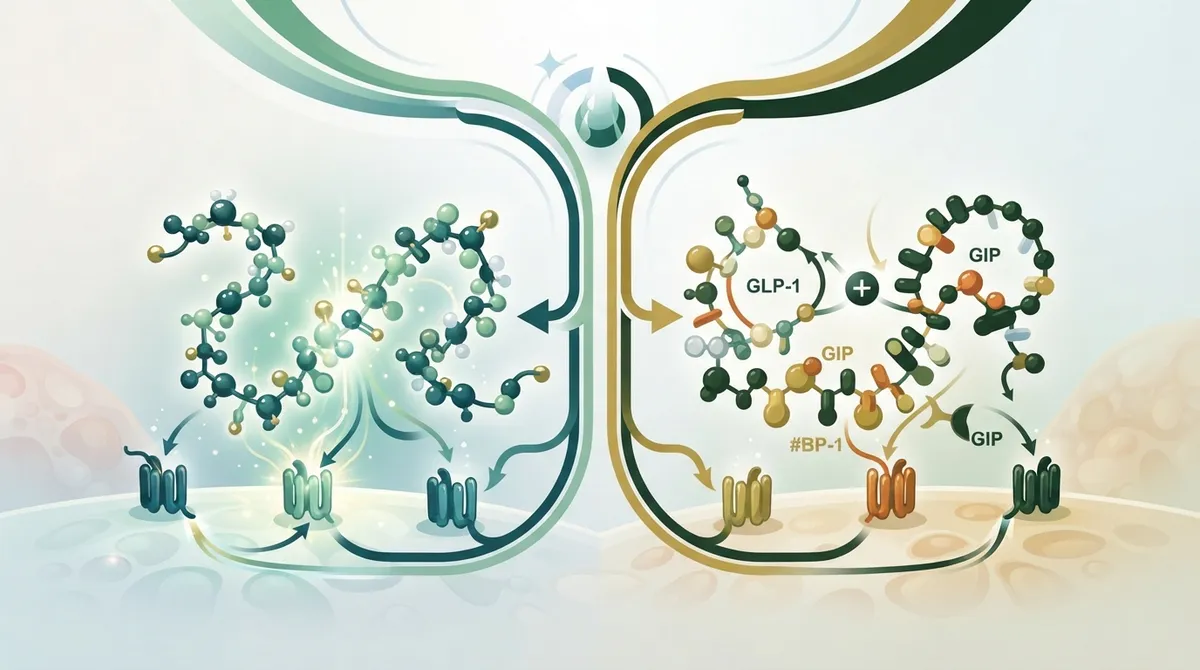
2. Semaglutide and Tirzepatide Are the Front-Runners
Not every GLP-1 medication delivers the same results. Research shows real differences between the options available today. Here’s a quick breakdown of average weight loss by medication type, based on recent clinical reviews.
| Medication | Average Weight Loss | Notes |
|---|---|---|
| Liraglutide 3.0 mg | 6% to 8% | Older GLP-1 agent, daily injection |
| Semaglutide 2.4 mg | 12% to 18% | Weekly injection, strong evidence base |
| Tirzepatide 10-15 mg | 20% to 24% | Dual-action GLP-1/GIP agonist |
These numbers come from people without diabetes who used the medications specifically for weight management. A 2025 systematic review found that 78.54% of participants using GLP-1-based agents lost weight, compared to just 26.53% on placebo, across 16 separate trials. That’s a striking difference, and it explains why these medications get so much attention.
3. GLP-1 Drugs Work in Several Ways at Once
GLP-1 weight loss isn’t just about appetite suppression. These medications work through multiple pathways in your body, which is part of why they’re so effective. Understanding this can help you set realistic expectations for your own journey.
- They slow gastric emptying, so food stays in your stomach longer
- They reduce hunger signals sent to your brain
- They increase feelings of fullness after smaller meals
- They improve how your body responds to insulin
- They help stabilize blood sugar swings that often trigger cravings
This multi-pronged approach is one reason GLP-1 therapy tends to outperform older weight loss medications. If you want to explore how these mechanisms compare to other fat-loss peptides, take a look at 13 Peptides for Fat Loss That Really Work in 2026.
4. The World Health Organization Backs Long-Term Use
This isn’t just hype from wellness influencers. Current guidance from the World Health Organization supports long-term GLP-1 use in adults with obesity when it’s clinically appropriate. According to the WHO, most people taking these therapies lose at least 5% of their body weight, which is considered clinically meaningful for improving health outcomes.
That said, GLP-1 treatment isn’t meant to be a quick fix. It’s designed as an ongoing therapy, similar to how you might manage blood pressure or cholesterol long-term. Stopping treatment often leads to weight regain, which is why medical supervision matters so much throughout the process.
5. GLP-1 Is Different From Other Peptide Therapies
People often lump all peptide therapy together, but that’s a mistake. GLP-1 medications have a much stronger evidence base for weight loss compared to wellness peptides. Here’s how they stack up.
| Category | Primary Goal | Evidence Level for Weight Loss |
|---|---|---|
| GLP-1 (Semaglutide, Tirzepatide) | Appetite control, blood sugar, weight loss | Strong, FDA-approved |
| BPC-157 | Tissue repair, gut healing | Limited, mostly preclinical |
| CJC-1295/Ipamorelin | Growth hormone support, recovery | Moderate, indirect fat loss effects |
Both categories can play a role in a personalized wellness plan, but they serve different purposes. If you’re curious about how these therapies compare in more detail, this article on GLP-1 vs. peptide therapy offers a helpful outside perspective. You can also read Which Weight Loss Peptides Actually Work in 2026? for a broader comparison.
6. Oral GLP-1 Options Are Changing the Game
Good news for anyone who isn’t thrilled about injections. In 2025, the FDA approved an oral form of semaglutide specifically for obesity treatment. That same month, another daily oral GLP-1 pill also received approval for weight management.
This is a big shift for the category. For years, GLP-1 weight loss meant weekly injections. Now, oral options are giving people more flexibility in how they fit treatment into their daily routine. If you’re someone who travels often or simply prefers pills over injections, this development is worth discussing with your provider.
7. Real Results Take Time, Patience, and Monitoring
It’s tempting to expect overnight results, but GLP-1 weight loss works best as a gradual, steady process. Most clinical trials measure results over 6 to 12 months, not weeks. Here’s a simple step-by-step look at what a typical GLP-1 journey often looks like.
- Complete an initial consultation and blood work to check baseline health markers
- Start on a low dose to allow your body to adjust gradually
- Increase the dose slowly under medical guidance over several weeks
- Track appetite changes, energy levels, and any side effects
- Continue regular check-ins with your provider to adjust your plan
- Maintain the therapy long-term to support lasting results
This is exactly why medical supervision matters so much. Providers can adjust your dose, address side effects early, and make sure your plan matches your body’s response. Learn more about getting started safely in How to Start Peptide Therapy Safely and See Real Results.
8. Personalized Telehealth Care Makes GLP-1 Therapy More Accessible
One of the biggest shifts in GLP-1 weight loss has nothing to do with the medication itself. It’s about how care is delivered. Telehealth has made it possible for people to access licensed providers, get lab work done locally, and receive medications at home, all without sitting in a waiting room.
This matters for busy professionals who can’t take time off work, and it matters for people in smaller towns without easy access to specialized clinics. At Allura Longevity, clients start with an affordable $50 virtual consultation, complete blood work through LabCorp, and receive a customized six-month treatment plan shipped right to their door. Ongoing monitoring from licensed providers, led by board-certified Family Nurse Practitioner Ashley, means your plan evolves as your body responds.
Here are a few reasons people choose this kind of personalized, telehealth-based approach:
- No long drives or waiting rooms required
- Treatment plans based on your actual blood work, not guesswork
- Medications delivered directly to your home
- Ongoing support from licensed medical providers
- Flexibility that fits demanding schedules
Since research from the National Library of Medicine continues to support the effectiveness of GLP-1 therapies, working with a provider who stays current on this evolving field is essential. If you’re also managing hormone-related goals alongside weight loss, you might find Testosterone vs. Peptides for Women: Which Wins? helpful as well.
Comparing GLP-1 Weight Loss to Traditional Approaches
It helps to see how GLP-1 therapy stacks up against more traditional weight loss methods. Here’s a quick side-by-side comparison many clients find useful.
| Approach | Typical Weight Loss | Time Commitment |
|---|---|---|
| Diet and exercise alone | 3% to 5% over 6-12 months | High daily effort required |
| Older weight loss medications | 3% to 5% over 6-12 months | Moderate, with frequent side effects |
| GLP-1 therapy (semaglutide/tirzepatide) | 15% to 25% over 12 months | Low daily effort, medical monitoring needed |
This doesn’t mean GLP-1 therapy replaces healthy habits. Combining it with good nutrition and movement often produces the best, most sustainable outcomes. For a broader strategy on losing weight with peptides, see How to Lose Weight With Peptide Therapy in 2026.
What to Expect With Side Effects
Like any medication, GLP-1 therapy can come with side effects, especially during the early dosing phase. Most people experience mild symptoms that improve over time. Common ones include:
- Nausea, especially when starting or increasing dose
- Mild digestive changes like bloating or constipation
- Temporary decrease in appetite that feels stronger than expected
- Occasional fatigue during the adjustment period
Working with an experienced provider makes a real difference here. They can adjust your dosing schedule to minimize discomfort. If you want a deeper dive into managing these effects, read What Causes GLP-1 Side Effects and How to Manage Them?.
Your Next Step Toward Lasting Results
GLP-1 weight loss has changed the conversation around sustainable, science-backed fat loss. With strong clinical evidence, growing treatment options, and the convenience of telehealth, it’s never been easier to get started the right way. The key is working with providers who personalize your plan based on real data, not guesswork.
If you’re ready to explore whether GLP-1 therapy fits your goals, our team at Allura Longevity is here to help every step of the way. With licensed providers, home delivery, and ongoing support, we make this journey feel manageable and even enjoyable. Spots fill up each month, so don’t wait too long to reach out. Request a consultation today and take that first friendly step toward feeling like yourself again.
FAQs
Q: What are GLP-1 medications for weight loss?
A: GLP-1 medications like semaglutide and tirzepatide mimic a natural hormone that controls appetite and blood sugar. They help you feel full faster, eat less, and manage cravings, which leads to steady, meaningful weight loss over time.
Q: How much weight can you lose on semaglutide or tirzepatide?
A: Clinical research shows semaglutide often produces 12% to 18% weight loss, while tirzepatide can lead to 20% to 24% over about a year. Everyone responds differently, so your results depend on your body, dose, and consistency.
Q: Are GLP-1 drugs considered peptide therapy?
A: Yes, GLP-1 medications are peptide-based treatments, but they’re in a special category with strong FDA approval and clinical evidence. They differ from wellness peptides like BPC-157, which serve different purposes and have less research behind them for weight loss.
Q: Do you regain weight after stopping GLP-1 treatment?
A: Many people do experience some weight regain after stopping GLP-1 therapy, which is why it’s typically viewed as a long-term treatment. Working with a provider to plan your journey, including any future tapering, helps protect your progress.
Q: Are oral GLP-1 weight loss pills available?
A: Yes! In 2025, the FDA approved an oral form of semaglutide for obesity, along with another daily oral GLP-1 pill. This gives people more flexibility beyond weekly injections, which is exciting news for anyone who prefers pills.





