

Key Takeaways
-
GHRP peptides stimulate your pituitary gland to release your own growth hormone naturally rather than supplying it directly, working through specific receptor pathways distinct from HGH injections.
-
GHRP-6 has a longer half-life (2-3 hours) than GHRP-2 (25-55 minutes) and offers more flexible delivery methods including oral and intranasal routes, making them suitable for different treatment approaches.
-
Research shows combining GHRP-6, GHRP-2, and sermorelin can increase serum IGF-1 levels to the upper end of normal range, indicating measurable influence on the growth hormone axis.
-
Start GHRP therapy with comprehensive blood work to establish baseline hormone levels, then work with a licensed provider for personalized dosing and ongoing monitoring to ensure safety and effectiveness.
-
Common wellness goals for GHRP peptides include improving sleep quality, boosting energy, enhancing muscle recovery, and supporting healthy body composition alongside diet and exercise.
-
GHRP peptides are not FDA-approved for general wellness use and may cause side effects like increased hunger, water retention, or injection site reactions, requiring medical supervision rather than self-experimentation.
Ever wonder why your energy dips, your recovery slows, and your sleep just isn’t what it used to be? A lot of that comes down to declining growth hormone levels as we age. That’s where GHRP peptides come into the conversation. If you’ve been researching peptide therapy, you’ve probably seen these three letters pop up alongside names like sermorelin and ibutamoren. So what exactly are they, and do they deserve a spot in your wellness plan? Let’s break it down together, in plain language, no medical degree required.
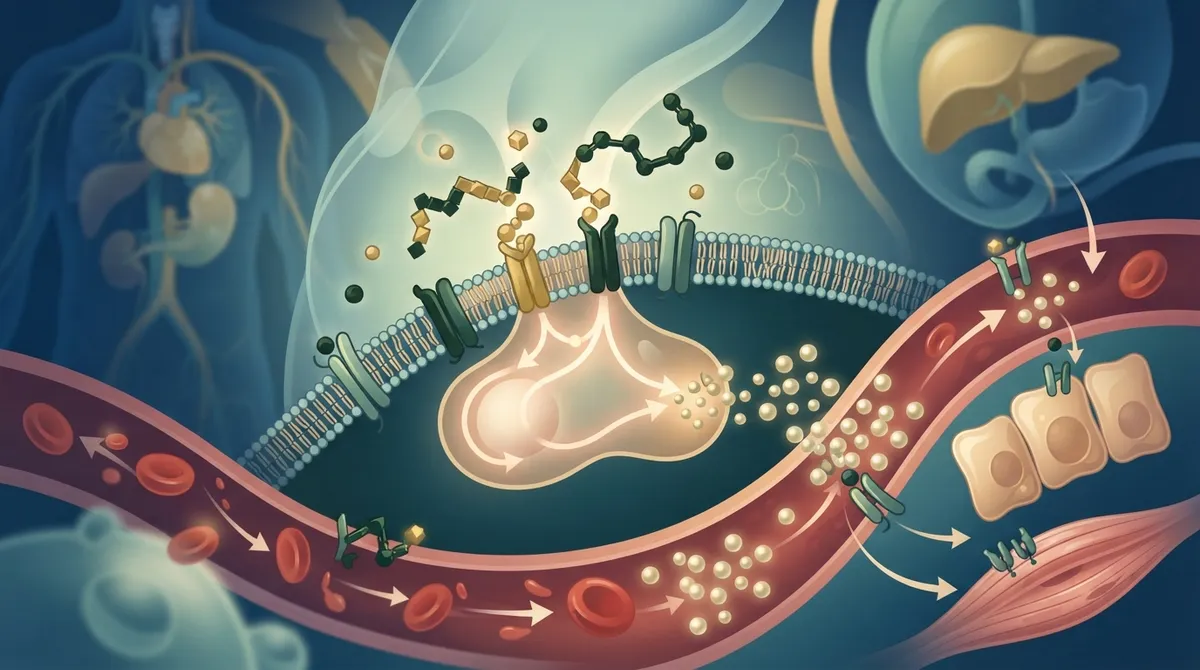
GHRP stands for growth hormone-releasing peptide. These are lab-made peptides designed to nudge your pituitary gland into releasing more of your own growth hormone. That’s a big difference from taking growth hormone directly. Instead of adding something foreign, GHRPs work with your body’s natural systems. Think of them as a gentle tap on the shoulder, reminding your pituitary gland to do what it already knows how to do.
What Are GHRP Peptides, Exactly?
GHRP peptides are synthetic compounds that act as growth hormone secretagogues. That’s a fancy way of saying they trigger your body to release growth hormone naturally, rather than supplying it from an outside source. They were first developed back in the early 1980s by researchers looking for a safer, more controllable way to support the body’s growth hormone axis.
Here’s something interesting: GHRPs don’t look anything like growth hormone-releasing hormone, or GHRH, at the molecular level. Instead, they work through their own specific receptors, found in both the pituitary gland and the hypothalamus. This dual action is part of why researchers have been curious about them for decades. If you want a deeper dive into how peptides function in general, this overview of what are peptides is a great starting point.
The Most Studied GHRP Compounds
When people talk about GHRP peptides, they’re usually referring to a handful of well-known compounds. Each one has slightly different properties, timing, and research behind it.
- GHRP-2, one of the more researched options with a shorter half-life
- GHRP-6, known for its longer duration in the body and flexible delivery methods
- Hexarelin, a potent option studied for both growth hormone release and other biological effects
- Combinations of GHRPs with GHRH-based peptides like sermorelin for a layered approach
Each of these has been studied for its ability to stimulate growth hormone secretion, but they aren’t interchangeable. The right choice, if any, really depends on your goals, your labs, and guidance from a licensed provider.
GHRP-2 vs GHRP-6: What’s the Difference?
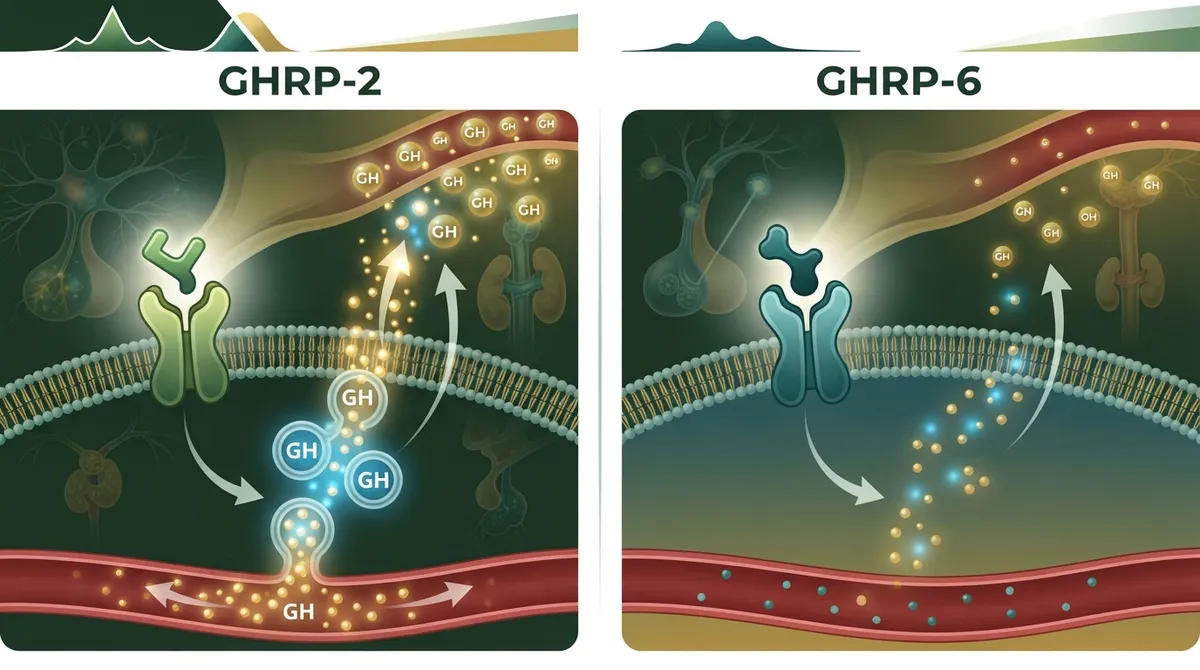
This is one of the most common questions we hear, and it’s a fair one. Both are GHRP peptides, but they behave differently once they’re in your system. Here’s a simple side-by-side comparison based on published research.
| Feature | GHRP-2 | GHRP-6 |
|---|---|---|
| Approximate Half-Life | 25 to 55 minutes | 2 to 3 hours |
| Administration Routes Studied | Injectable, some nasal research | IV, subcutaneous, intranasal, and oral |
| Research Focus | GH stimulation in deficient and healthy adults | GH release plus broader metabolic interest |
| Notable Trait | Well tolerated in studies involving GH-deficient children | Flexible delivery options studied extensively |
Because GHRP-6 has a longer half-life, it tends to stay active in the body a bit longer than GHRP-2. That said, longevity in the bloodstream isn’t automatically better or worse. It just means the two peptides may be used differently depending on what a provider is trying to achieve.
How Do GHRP Peptides Compare to HGH Injections?
This mix-up happens a lot, so let’s clear it up. GHRP peptides are not the same thing as injectable recombinant growth hormone, often just called HGH. Growth hormone injections supply the hormone directly. GHRPs, on the other hand, stimulate your pituitary gland to produce and release your own growth hormone.
Some people find this distinction reassuring because it feels more aligned with how the body naturally functions. Others simply want the most direct, well-established option. Either way, it’s worth understanding the difference before making any decisions. According to the National Library of Medicine, growth hormone secretagogues like GHRPs work through distinct receptor pathways compared to direct hormone replacement.
Do GHRP Peptides Actually Raise IGF-1?
Growth hormone triggers your liver to produce IGF-1, a hormone linked to tissue repair, muscle maintenance, and metabolism. Research has shown that combining GHRP-6, GHRP-2, and sermorelin can increase serum IGF-1 levels, with some studies showing levels approaching the upper end of the normal reference range. That’s a meaningful signal that these peptides can influence the growth hormone axis in a measurable way.
Still, results vary from person to person. Your baseline hormone levels, age, and overall health all play a role in how your body responds. This is exactly why personalized blood work matters so much before starting any peptide protocol.
What Are GHRP Peptides Used For in Wellness Protocols?
People exploring GHRP peptides are usually chasing a handful of specific goals. Here’s what tends to come up most often in conversations with clients and providers alike.
- Supporting better sleep quality, since growth hormone release is tied to deep sleep cycles
- Improving energy and reducing that persistent midday fatigue
- Aiding muscle recovery after workouts or physical strain
- Supporting healthy body composition alongside diet and exercise
- Exploring potential skin and tissue support benefits tied to growth hormone activity
It’s worth noting that research also points to broader biological effects beyond just growth hormone release. Some studies have looked at cardioprotective and cytoprotective properties of GHRPs, meaning potential benefits for heart tissue and cell protection. This research is still developing, but it’s an exciting area to watch.
How GHRPs Fit Into a Bigger Peptide Therapy Picture
GHRP peptides rarely work alone in a well-designed plan. Providers often look at your full hormone panel and consider how GHRPs might pair with other peptides or lifestyle changes. If you’re curious about foundational peptide knowledge before going further, check out this guide on 8 facts that explain what are peptides in 2026.
Many clients also want to understand how GHRPs relate to fat loss and muscle goals specifically. If that’s you, these resources dig deeper into related peptide categories:
- 13 peptides for fat loss that really work in 2026
- 14 peptides for muscle gain worth knowing (2026)
- how to pick peptides for energy that actually work
Are GHRP Peptides Safe? What About Side Effects?
Safety is always the first question we should all be asking, and it’s a good instinct. Clinical research has shown GHRP-2 to be generally well tolerated, including in studies involving growth hormone-deficient children. That said, no peptide is completely without potential side effects.
Here are some things to keep in mind and discuss with a licensed provider before starting any GHRP protocol.
- Possible increased hunger, since some GHRPs interact with appetite-related pathways
- Water retention or mild swelling in some individuals
- Injection site reactions if administered incorrectly
- Potential interactions with existing medications or health conditions
- The importance of proper dosing, since too much or too little can affect results
This is exactly why self-experimenting without medical guidance can backfire. Working with a licensed provider who reviews your labs and adjusts your plan is the safest path forward. For more on getting started the right way, take a look at how to start peptide therapy safely and see real results.
Are GHRP Peptides FDA Approved?
Here’s an honest answer: GHRP peptides are not broadly FDA-approved for general wellness use. Much of the strongest evidence comes from endocrinology research and clinical studies rather than widespread approved therapeutic protocols. This doesn’t mean they lack scientific backing, but it does mean they occupy a different regulatory space than something like standard hormone replacement therapy.
Because of this, working with licensed medical providers who understand the current research and regulatory landscape is essential. This protects you and ensures you’re getting accurate, up-to-date guidance rather than internet guesswork.
GHRP Peptides vs Sermorelin: Which Is Right for You?
Sermorelin often comes up in the same conversations as GHRP peptides, and for good reason. Both aim to stimulate growth hormone, but they do it through different mechanisms. Here’s a quick comparison to help clarify things.
| Category | GHRP Peptides | Sermorelin |
|---|---|---|
| Mechanism | Acts on GHRP-specific receptors in pituitary and hypothalamus | Mimics natural GHRH to stimulate GH release |
| Structural Similarity to GHRH | None | Direct structural analog |
| Common Use in Combination | Often paired with GHRH-based peptides | Frequently combined with GHRPs for layered effect |
| Research Interest | GH release plus possible cytoprotective effects | Well-established GH stimulation profile |
Many providers actually combine these approaches rather than choosing one over the other. That layered strategy is part of why personalized treatment planning matters so much in peptide therapy.
How to Get Started With GHRP Peptide Therapy the Right Way
If you’re feeling curious and a little cautious, that’s completely normal. Here’s a simple step-by-step approach to exploring GHRP peptides responsibly.
- Start with a virtual consultation to discuss your goals, symptoms, and health history
- Complete comprehensive blood work through a trusted lab to establish your baseline hormone levels
- Review your results with a licensed provider who can explain what they mean for you
- Receive a personalized treatment plan tailored to your specific labs and goals
- Begin therapy with peptides delivered directly to your home for easy at-home use
- Continue ongoing monitoring and adjustments as your body responds over time
This is precisely the model that Allura Longevity follows. Clients begin with an affordable $50 virtual consultation, complete blood work through LabCorp, and receive a customized six-month plan built around their unique biology. Every step is guided by licensed providers, led by Ashley, a board-certified Family Nurse Practitioner who oversees ongoing care and adjustments.
Whether you’re a busy professional trying to squeeze wellness into a packed schedule, or a dedicated biohacker who loves tracking every data point, this kind of personalized, telehealth-based care fits real life. No waiting rooms, no guesswork, just a plan built around your actual labs and goals. Explore peptide therapy options tailored for women or peptide plans designed for men to see what might fit your situation.
Questions to Ask Before Starting Any GHRP Protocol
Before committing to any peptide therapy, it helps to come prepared with the right questions for your provider.
- What does my current growth hormone and IGF-1 level look like?
- Which GHRP compound, if any, fits my specific goals?
- How will we monitor progress and adjust my plan over time?
- What side effects should I watch for, and when should I reach out?
- How does this fit with other peptides I might already be considering?
Bringing these questions to your consultation shows you’re engaged and invested in your own care, which honestly makes the whole process smoother for everyone involved.
The Bottom Line on GHRP Peptides
GHRP peptides represent a genuinely interesting corner of peptide therapy. They work with your body’s own systems to encourage natural growth hormone release, rather than replacing it outright. The research is promising, especially around GH and IGF-1 stimulation, but it’s also still evolving, which means personalized guidance really matters here.
If you’ve been curious about whether GHRP peptides or a related protocol might fit your wellness goals, now’s a great time to find out. Ready to see what a personalized plan could look like for you? Request a consultation with Allura Longevity today and take that first confident step toward feeling like yourself again, only better. Spots are limited each month, so don’t wait too long to reach out and start the conversation.
FAQs
Q: What are GHRP peptides used for in peptide therapy?
A: GHRP peptides are used to encourage your body to release more of its own growth hormone naturally. People often explore them to support energy, sleep quality, muscle recovery, and healthy body composition as part of a personalized wellness plan.
Q: How do GHRP-2 and GHRP-6 differ?
A: GHRP-2 has a shorter half-life, around 25 to 55 minutes, while GHRP-6 sticks around longer, roughly 2 to 3 hours. GHRP-6 has also been studied with more flexible delivery methods, including oral and intranasal routes.
Q: Are GHRP peptides the same as HGH or growth hormone injections?
A: Nope, they’re actually quite different! HGH injections supply growth hormone directly, while GHRP peptides gently prompt your pituitary gland to produce and release your own growth hormone naturally.
Q: What are the side effects of GHRP peptides?
A: Some people notice increased hunger or mild water retention, and injection site reactions can happen if not administered properly. That’s exactly why working with a licensed provider who monitors your progress is so important for staying safe.
Q: How are GHRP peptides administered?
A: Depending on the specific compound, GHRP peptides can be given through injection, and some like GHRP-6 have even been studied using subcutaneous, intranasal, and oral routes. Your provider will recommend the method that best fits your treatment plan.





