

Key Takeaways
-
Work with licensed medical providers and complete blood work before starting peptide therapy; avoid unregulated sources that lack quality control and proper dosing guidance.
-
BPC-157 and TB-500 are specifically effective for injury recovery and tissue repair, while Sermorelin and CJC-1295 support growth hormone release for better sleep and recovery with minimal side effects.
-
Results from peptide therapy typically appear gradually over several weeks to months; realistic expectations and ongoing provider monitoring are essential for safe and effective use.
-
Telehealth consultations make peptide therapy more accessible, allowing you to complete consultations, blood work, and follow-ups from home with personalized six-month treatment plans.
If you’ve been scrolling through fitness forums or chatting with your gym buddies, chances are you’ve heard whispers about performance enhancing peptides. Maybe you’re curious if these tiny protein chains can really help you recover faster, build muscle, or feel younger. You’re not alone. More health optimizers, busy professionals, and biohackers are asking the same questions every single day.
Here’s the good news: performance enhancing peptides aren’t some sketchy underground secret anymore. They’re a growing part of modern wellness, and when used correctly under medical supervision, they can genuinely support your energy, recovery, and body composition goals. But not all peptides are created equal, and safety matters a lot here.
In this guide, we’ll walk through eight performance enhancing peptides that are actually worth your attention in 2026. We’ll cover what they do, what the research says, and how to approach them safely. Think of this as your friendly, no-nonsense roadmap to understanding this exciting corner of peptide therapy.
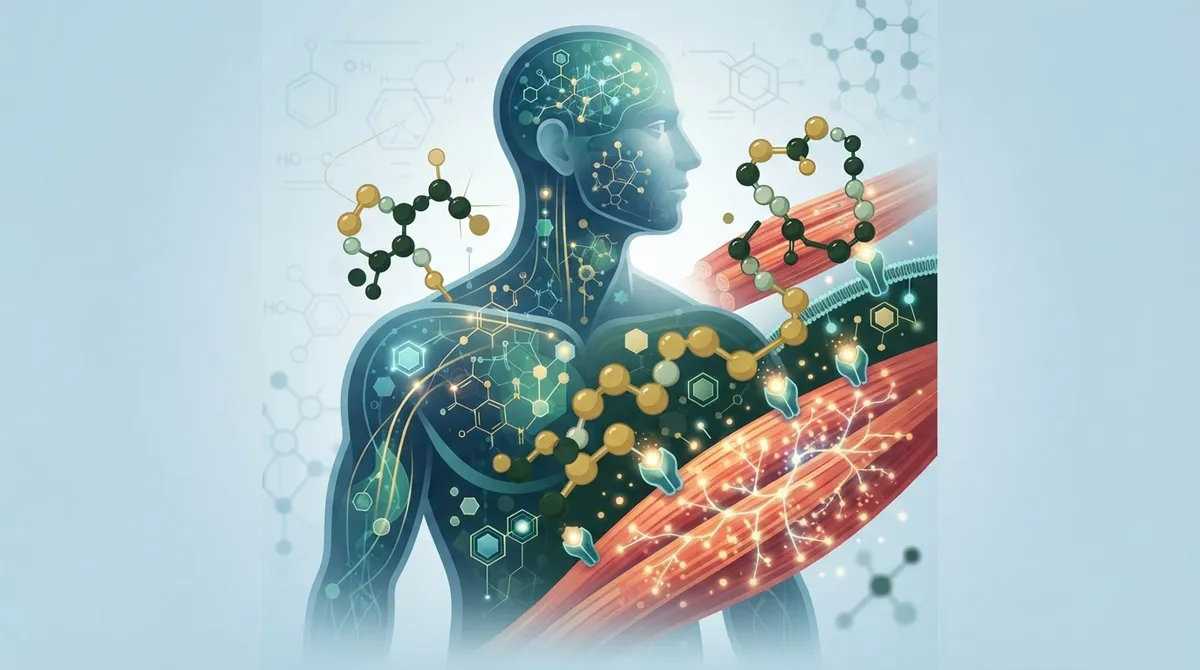
What Are Performance Enhancing Peptides, Really?
Performance enhancing peptides are short chains of amino acids that interact with your body’s natural systems. Many work by influencing the growth hormone and IGF-1 pathway, which plays a big role in muscle repair, recovery, and metabolism. Others focus on tissue healing or energy production.
According to what are peptides, these molecules act like messengers, telling your cells what to do. That’s a big reason they’ve become so popular in longevity and performance circles.
It’s important to know that research on many of these peptides is still developing. Some have stronger clinical backing than others. That’s exactly why working with licensed providers matters so much, especially when it comes to dosing and quality control.
Why Interest Is Growing So Fast
- People want faster recovery from workouts and injuries
- Aging adults want to maintain muscle mass and vitality
- Biohackers love data-driven, customizable protocols
- Busy professionals want efficient results without hours at the gym
- Wellness seekers are ready to go beyond basic supplements
1. Sermorelin
Sermorelin is often the starting point for people curious about growth hormone support. It encourages your pituitary gland to release more of your own growth hormone, rather than introducing synthetic HGH directly.
Many users report better sleep, improved recovery, and a gradual improvement in body composition. It’s considered one of the gentler options for those new to this type of peptide therapy.
2. Ipamorelin
Ipamorelin is a growth hormone secretagogue that’s known for being more targeted than some older options. It tends to have a cleaner side effect profile compared to other growth hormone releasing peptides.
It’s frequently paired with other peptides in a personalized stack. If you’re wondering whether combining peptides makes sense for your goals, this article on single peptides vs. peptide stacks breaks down the pros and cons nicely.
3. CJC-1295
CJC-1295 is another growth hormone releasing hormone analog. It has a longer half-life than some peptides, meaning it stays active in your system longer between doses.
This can make dosing schedules more convenient for busy professionals who don’t want to think about injections multiple times a day. As always, proper medical guidance is key to using it safely.
4. BPC-157
BPC-157 has become a favorite among athletes and active adults dealing with nagging injuries. It’s studied for its potential to support tissue repair, gut health, and inflammation reduction.
If you’ve dealt with a stubborn tendon issue or slow-healing injury, this one might be worth a conversation with your provider. We’ve covered it in detail in 13 Facts About TB-500 Peptide You Need in 2026, which pairs well with BPC-157 for recovery-focused protocols.
5. TB-500
TB-500 is often mentioned alongside BPC-157 because they work well together for recovery support. It’s a synthetic peptide derived from a naturally occurring protein involved in wound healing.
Athletes and active adults often turn to this combo after injuries or intense training cycles. For a deeper dive into wound healing peptides overall, check out 6 Peptides for Wound Healing Worth Knowing in 2026.
6. Tesamorelin
Tesamorelin is another growth hormone releasing peptide, and it’s actually FDA-approved for a specific medical condition related to fat accumulation. This gives it a bit more clinical backing than some newer peptides on the market.
Many people explore it as part of a broader plan focused on metabolism and body composition. It’s often discussed alongside other peptides for fat loss that really work.
7. Follistatin-Based Peptides
Follistatin peptides work differently than growth hormone secretagogues. They’re studied for their potential role in muscle growth by influencing myostatin, a protein that limits muscle development.
Research here is still emerging, so this category tends to appeal more to biohackers who like staying on the cutting edge. If muscle building is your main goal, our guide on 14 Peptides for Muscle Gain Worth Knowing covers several complementary options too.
8. GHK-Cu (Copper Peptide)
GHK-Cu is a bit different from the rest of this list. It’s studied more for skin repair, collagen support, and tissue remodeling than pure athletic performance.
That said, many aging adults and wellness seekers include it in their protocols because recovery and rejuvenation go hand in hand. It’s a nice reminder that performance enhancement isn’t just about muscles. It’s about your whole body working better together.
Quick Comparison of Popular Performance Peptides
| Peptide | Primary Focus | Best For |
|---|---|---|
| Sermorelin | Growth hormone support | Sleep, recovery, gradual body composition changes |
| Ipamorelin | Growth hormone release | Clean-profile GH support, often stacked |
| CJC-1295 | Extended GH release | Convenient dosing schedules |
| BPC-157 | Tissue repair | Injury recovery, gut health |
| TB-500 | Wound healing | Post-injury recovery, often paired with BPC-157 |
| Tesamorelin | GH release, fat metabolism | Body composition, metabolic support |
| Follistatin | Muscle growth pathway | Advanced biohacking protocols |
| GHK-Cu | Tissue and skin repair | Rejuvenation and recovery |
The Science Behind the Buzz
A recent review published in the National Library of Medicine highlights that therapeutic peptides continue to expand across many areas of medicine, including recovery and metabolic health. However, researchers also note that self-administration without medical oversight raises real safety concerns, especially for compounds that affect the growth hormone-IGF-1 axis.
This is exactly why the gap between clinical evidence and everyday use matters so much. Some peptides have solid backing. Others are still catching up in terms of long-term data. That doesn’t mean they’re not promising, but it does mean you deserve expert guidance before diving in.
Common Concerns Worth Knowing
- Quality control varies wildly between unregulated sources
- Dosing errors can lead to unwanted side effects
- Some peptides are banned in competitive sports
- Long-term safety data is still limited for newer compounds
- Interactions with other medications need professional review
How to Start Safely: A Step-by-Step Approach
- Get comprehensive blood work done through a trusted lab like LabCorp
- Schedule a consultation with a licensed medical provider
- Discuss your specific goals, whether that’s recovery, energy, or body composition
- Receive a personalized treatment plan based on your actual health data
- Start your protocol with proper dosing instructions
- Keep up with follow-up appointments to monitor progress
- Adjust your plan as your body responds and your goals evolve
This process might sound like a lot, but it really isn’t once you get going. Our article on how to start peptide therapy safely and see real results walks through this in even more detail.
Telehealth Makes This Easier Than Ever
One of the biggest shifts in this space is how accessible peptide therapy has become. You no longer need to drive across town for appointments or juggle a packed clinic schedule. Telehealth options let you complete consultations, blood work, and follow-ups from home.
If you’re torn between visiting a local clinic or going the telehealth route, this comparison on local clinic vs. telehealth peptide therapy can help you decide what fits your lifestyle best.
At Allura Longevity, the process starts with a simple $50 virtual consultation. From there, clients complete blood work through LabCorp, and licensed providers build a custom six-month plan just for them. Everything gets shipped straight to your door, and Ashley, a board-certified Family Nurse Practitioner, along with her team, keeps an eye on your progress the whole way through.
Who Benefits Most From Performance Enhancing Peptides?
Not everyone needs the same approach here. Let’s break down who tends to benefit most from different types of peptide support.
| Audience | Common Goals | Peptides to Explore |
|---|---|---|
| Aging Adults | Vitality, muscle maintenance, skin health | Sermorelin, GHK-Cu, Tesamorelin |
| Biohackers | Optimized recovery, cutting-edge protocols | Follistatin, Ipamorelin, BPC-157 |
| Busy Professionals | Convenient dosing, better sleep and energy | CJC-1295, Sermorelin |
| Wellness Seekers | Whole-body rejuvenation | GHK-Cu, BPC-157, TB-500 |
Bringing It All Together
Performance enhancing peptides offer some genuinely exciting possibilities for recovery, vitality, and body composition. But the real magic happens when they’re part of a personalized, medically supervised plan rather than a guessing game.
Your body is unique, and your peptide protocol should be too. That means real blood work, honest conversations about your goals, and ongoing check-ins with someone who actually knows what they’re doing.
Final Thoughts Before You Get Started
- Always work with licensed providers, not unregulated online sellers
- Start with blood work to understand your baseline
- Set realistic expectations based on current evidence
- Be patient, since most peptides show gradual results
- Keep communication open with your provider as you progress
Whether you’re chasing better recovery, more energy, or simply want to feel like yourself again, personalized peptide therapy might be exactly what you’ve been looking for. If you’re ready to explore your options with a team that genuinely cares about your results, you can request a consultation today and take that first step toward feeling stronger, sharper, and more like the best version of you.
FAQs
Q: What are performance enhancing peptides used for?
A: They’re mainly used to support recovery, muscle repair, energy, and body composition by working with your body’s natural growth hormone and healing pathways. Many folks also use them to bounce back faster from workouts or injuries. The key is using them safely under a provider’s guidance.
Q: Are performance enhancing peptides safe?
A: When prescribed and monitored by a licensed medical provider, many peptides have a solid safety profile for their intended use. The risk really comes from unregulated sources or self-dosing without guidance. That’s why working with a trusted telehealth provider makes such a big difference.
Q: How long does it take to see results from peptide therapy?
A: Most people notice gradual improvements over several weeks to a few months, depending on the peptide and their personal goals. Patience really pays off here since these are meant to work with your body, not against it. Your provider can help set realistic timelines based on your blood work and goals.
Q: Do I need a prescription for performance enhancing peptides?
A: Yes, legitimate and safe use requires a prescription from a licensed provider after reviewing your health history and blood work. This ensures you’re getting quality-controlled peptides at the right dose for your body. It’s a much safer route than buying from unregulated online sources.
Q: Can performance enhancing peptides help with muscle recovery after injury?
A: Absolutely, peptides like BPC-157 and TB-500 are popular choices for supporting tissue repair and reducing recovery time after injuries. Many active adults and athletes include them in their recovery protocols alongside proper rest and nutrition. As always, a personalized plan works best.





