

Key Takeaways
-
GLP-1 receptor agonists work through multiple mechanisms simultaneously: boosting insulin release, slowing gastric emptying to prolong fullness, reducing hunger signals in the brain, and lowering glucagon production, making them more effective than single-action diabetes or weight loss treatments.
-
The global GLP-1 market is projected to grow from $52.82 billion (2025) to $133.92-$157 billion by 2030-2034, with 11 FDA-approved drugs and 40+ in pipeline, indicating rapid expansion of treatment options and pharmaceutical investment.
-
GLP-1 therapy requires personalized, provider-led care starting with blood work and virtual consultation to create a custom treatment plan, as dosing and side effects vary significantly between individuals and require ongoing monitoring and adjustment.
-
Common GLP-1 medications like semaglutide and tirzepatide are administered weekly via injection and have been extensively studied for cardiovascular and metabolic benefits beyond weight loss, offering convenience for busy schedules.
-
Mild side effects including nausea, digestive changes, and fatigue typically improve within weeks as your body adjusts, and a licensed provider can modify dosage and timing to minimize discomfort during the adjustment period.
-
GLP-1 receptor agonist medications differ from wellness peptides used for recovery or anti-aging; they are FDA-approved for blood sugar control and weight management, while other peptide therapies address different health goals like tissue repair and longevity.
If you’ve scrolled social media lately, chances are you’ve seen someone talking about GLP-1. Maybe a friend mentioned it at dinner, or you spotted a headline about a new weight loss breakthrough. You’re curious, but you also want real answers, not hype. That’s exactly what we’re here for today.
GLP-1 is one of the most talked-about topics in peptide therapy right now, and for good reason. It’s changing how doctors treat blood sugar problems and weight struggles. Whether you’re a busy professional trying to feel your best, or someone who tracks every lab result like a hobby, this guide will break down GLP-1 in simple, friendly terms. Let’s get into it together.
What Is GLP-1, Really?
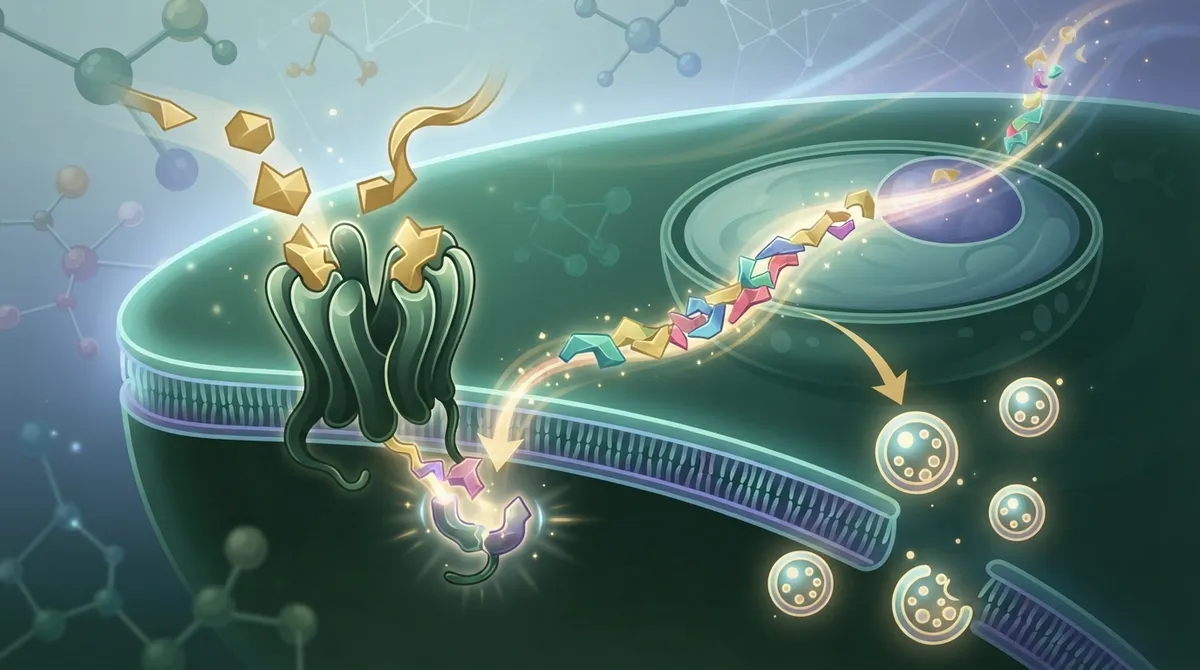
GLP-1 stands for glucagon-like peptide-1. It’s a hormone your body already makes on its own. Your gut releases it after you eat, and it helps manage blood sugar and appetite.
Think of GLP-1 as your body’s natural traffic controller. It tells your pancreas to release insulin. It slows down how fast food leaves your stomach. And it sends a signal to your brain that says, “you’re satisfied, you can stop eating now.”
In the world of peptide therapy, GLP-1 usually refers to something a bit different: GLP-1 receptor agonists. These are peptide-based medications built to copy that natural hormone. They activate the same pathways, just in a stronger and longer-lasting way. If you want to understand the bigger picture of peptides first, our article on How to Understand Peptide Therapy: A 2026 Overview is a great place to start.
Where GLP-1 Comes From in Your Body
GLP-1 is made in special cells lining your intestines, called L-cells. Every time you eat a meal, these cells release GLP-1 into your bloodstream. This process is part of what scientists call the incretin system, and it plays a huge role in keeping your metabolism balanced, according to research published by the National Library of Medicine.

How GLP-1 Receptor Agonists Work
GLP-1 medications don’t just mimic one action. They work on several fronts at once, which is why they’ve become so popular for both diabetes care and weight management.
- They boost insulin release when your blood sugar rises, helping your body process sugar more efficiently.
- They lower the amount of glucagon your liver produces, which keeps blood sugar from spiking too high.
- They slow gastric emptying, meaning food stays in your stomach longer and you feel full for longer.
- They act on hunger centers in your brain, reducing appetite and cravings.
- They support steady, gradual weight loss when combined with healthy lifestyle habits.
This multi-step approach is what makes GLP-1 therapy stand out from older treatments. It’s not just one trick. It’s a full system working together.
Common GLP-1 Medications You May Have Heard Of
Two names come up again and again in GLP-1 conversations: semaglutide and tirzepatide. These are peptide-based medications that were first designed for type 2 diabetes and are now widely used for weight management too.
- Semaglutide activates GLP-1 receptors to reduce appetite and improve blood sugar control.
- Tirzepatide works on GLP-1 receptors and another hormone pathway called GIP, offering a dual-action approach.
- Both are typically given through weekly injections, making them convenient for busy schedules.
- Both have been studied extensively for cardiovascular and metabolic benefits.
Why GLP-1 Has Become Such a Big Deal
It’s not just internet buzz. The numbers behind GLP-1 therapy are honestly kind of wild. This isn’t a small trend, it’s a massive shift in how we approach weight and metabolic health.
| Market Data Point | Value |
|---|---|
| Global GLP-1 market value (2025) | USD 52.82 billion |
| Projected market value by 2034 | USD 133.92 billion |
| Projected market value by 2030 (alternate estimate) | USD 157 billion |
| GLP-1 drugs on the market as of Feb 2025 | 11 approved, 40+ in pipeline |
| Quarterly sales growth for top 3 GLP-1 drugs (2024) | More than $4 billion |
These numbers show just how fast this category is growing. Pharmaceutical companies are racing to keep up with demand, and peptide manufacturers are scaling production to match it. This growth is reshaping supply chains across the entire peptide therapeutics industry.
GLP-1 vs. Traditional Peptide Therapy: What’s the Difference?
Here’s where things can get a little confusing, so let’s clear it up. GLP-1 drugs are technically peptides, but they’re not the same thing as many of the wellness-focused peptides people use for recovery, skin health, or anti-aging support.
| Feature | GLP-1 Receptor Agonists | Wellness Peptide Therapy |
|---|---|---|
| Primary Use | Diabetes and weight management | Recovery, energy, skin, hormone support |
| Regulatory Status | FDA-approved medications | Often compounded, provider-guided |
| Common Examples | Semaglutide, tirzepatide | BPC-157, CJC-1295, Sermorelin |
| Delivery Method | Weekly injections | Varies, often subcutaneous |
| Typical Goal | Blood sugar control, appetite reduction | Longevity, tissue repair, vitality |
Both categories fall under the peptide therapeutics umbrella, but they serve different purposes. If you’re curious about fat loss specifically, check out our breakdown of 13 Peptides for Fat Loss That Really Work in 2026.
Who Might Consider GLP-1 Therapy?
GLP-1 therapy isn’t one-size-fits-all, and that’s actually a good thing. A personalized approach means your treatment plan fits your body, not someone else’s.
- Adults working to manage blood sugar levels and reduce diabetes risk factors
- People who have struggled with weight loss despite diet and exercise efforts
- Busy professionals who want an at-home treatment that fits a demanding schedule
- Aging adults looking to support metabolic health as part of a longevity plan
- Wellness seekers who already invest in preventive care and want to go further
If any of these sound like you, it might be worth exploring whether GLP-1 therapy fits your goals. Our guide on Which Weight Loss Peptides Actually Work in 2026? dives deeper into how these options compare.
What to Expect Before Starting Treatment
Starting any peptide therapy should always begin with real information about your body. Guesswork has no place here.
- Schedule a virtual consultation with a licensed provider to discuss your health history and goals.
- Complete blood work through a trusted lab to get a full picture of your metabolic health.
- Review your results with your provider to identify what your body actually needs.
- Receive a personalized treatment plan designed around your labs and lifestyle.
- Get your medication delivered directly to your home for easy, private administration.
- Check in regularly with your provider so your plan can be adjusted as you progress.
This kind of structured process is exactly why telehealth peptide therapy has become so popular. It takes the guesswork out and puts real data in the driver’s seat. For a deeper walkthrough, see How to Start Peptide Therapy Safely and See Real Results.
Potential Side Effects to Know About
Like any medication, GLP-1 therapies can come with side effects. Most are mild and tend to improve over time as your body adjusts.
- Nausea, especially when first starting treatment
- Mild digestive changes like bloating or constipation
- Temporary decrease in appetite
- Fatigue in the first few weeks
- Injection site reactions in rare cases
This is exactly why ongoing monitoring matters so much. A licensed provider can adjust your dose and timeline based on how your body responds, rather than leaving you to figure it out alone.
Why Personalized, Provider-Led Care Matters
GLP-1 therapy works best when it’s tailored to you, not pulled from a generic template. Your labs, your goals, and your lifestyle all matter.
At Allura Longevity, care starts with a simple $50 virtual consultation, followed by blood work through LabCorp. From there, our licensed providers, led by board-certified Family Nurse Practitioner Ashley, build a custom six-month plan just for you. Everything ships straight to your door, and your plan gets adjusted along the way based on how you’re doing.
Comparing Telehealth vs. In-Person Peptide Care
One question we hear a lot is whether telehealth can really deliver the same quality of care as an in-person clinic. The short answer is yes, when it’s done right.
| Factor | Telehealth Peptide Therapy | In-Person Clinic |
|---|---|---|
| Convenience | High, care from home | Requires travel and appointments |
| Personalization | Based on lab work and goals | Varies by provider |
| Ongoing Monitoring | Regular virtual check-ins | In-office visits required |
| Privacy | High, discreet home delivery | Lower, public waiting rooms |
For a full comparison, take a look at Local Clinic vs. Telehealth: Best Peptide Therapy Near You?. It’s a helpful read if you’re weighing your options.
The Bigger Picture: GLP-1 in the Peptide Industry
GLP-1 hasn’t just changed treatment options. It’s reshaping the entire peptide manufacturing landscape. Demand has grown so fast that supply chains and production facilities are racing to keep pace.
This growth also means more research, more innovation, and more options for patients like you. It’s an exciting time to be paying attention to peptide therapeutics, whether your focus is metabolic health, muscle recovery, or overall longevity. If muscle support is on your radar too, our article on 14 Peptides for Muscle Gain Worth Knowing (2026) is worth a look.
Is GLP-1 Right for Your Goals?
Only you and a licensed provider can answer that question with confidence. But here’s a simple way to think about it.
- If blood sugar management is a concern, GLP-1 therapy may offer real support.
- If you’ve tried diet and exercise without lasting weight loss results, it could be worth exploring.
- If you value personalized, data-driven care over generic solutions, a telehealth model fits well.
- If convenience matters because of a packed schedule, at-home delivery removes a major barrier.
No matter where you land, the most important step is getting real answers from a licensed professional, not internet guesswork.
Let’s Wrap This Up Together
GLP-1 is more than a trending topic. It’s a real, science-backed hormone pathway that’s changing how we think about metabolic health, weight management, and longevity. Whether you’re just curious or ready to take the next step, understanding the basics puts you in a much stronger position.
You deserve a treatment plan built around your body, your labs, and your goals, not a one-size-fits-all approach. If you’re ready to explore whether GLP-1 peptide therapy makes sense for you, our licensed providers at Allura Longevity are here to help every step of the way. Request a consultation today and take the first step toward feeling like the best version of yourself. Spots are limited each month, so don’t wait too long to reach out.
FAQs
Q: What is GLP-1 in peptide therapy?
A: GLP-1 is a natural hormone your gut makes after eating, and in peptide therapy it usually refers to medications that mimic this hormone. These GLP-1 receptor agonists help manage blood sugar and support weight loss by boosting insulin, slowing digestion, and reducing appetite.
Q: Is GLP-1 a peptide or a medication?
A: It’s actually both, and that’s what makes it so interesting! GLP-1 is a peptide hormone your body produces naturally, and GLP-1 receptor agonist medications are peptide-based drugs designed to copy its effects.
Q: How do GLP-1 receptor agonists work for weight loss?
A: They work by slowing down how fast your stomach empties, which helps you feel full longer. They also act on your brain’s hunger signals, reducing cravings and making it easier to eat less without feeling deprived.
Q: What is the difference between GLP-1 drugs and general peptide therapy?
A: GLP-1 drugs are FDA-approved medications focused mainly on diabetes and weight management. General wellness peptide therapy often includes compounded peptides used for recovery, energy, or anti-aging support, which serve a different purpose.
Q: Are GLP-1 therapies FDA-approved?
A: Yes, several GLP-1 medications are FDA-approved for type 2 diabetes and chronic weight management. As of early 2025, there were 11 approved GLP-1 drugs on the market, with more than 40 others in development.





