

Key Takeaways
-
Growth hormone secretagogue peptides like CJC-1295 and Ipamorelin nudge your body's own GH and IGF-1 pathways to support muscle recovery and lean mass gradually, not dramatically—expect 2-5 pounds of lean mass over 3-6 months with consistent training.
-
No peptide has completed a Phase III randomized controlled trial with muscle mass as its primary endpoint; evidence remains limited, so realistic expectations and professional medical oversight are essential, not optional.
-
CJC-1295 offers longer-lasting GH elevation while Ipamorelin provides more selective GH release with fewer cortisol and prolactin side effects; many providers combine both for synergistic results based on individual hormone levels and lifestyle.
-
BPC-157 and TB-500 primarily support tissue repair and injury recovery rather than direct muscle building; they work best as recovery support tools to help you return to training faster, indirectly aiding long-term muscle goals.
-
Work exclusively with licensed medical providers, not unregulated online sellers; get comprehensive bloodwork before starting, choose peptides with documented human research, and monitor responses closely to avoid contamination risks and dosing inaccuracies.
-
Telehealth peptide therapy eliminates barriers like clinic commutes and waitlists while enabling local blood work through LabCorp, remote provider oversight, and home peptide delivery—ideal for busy professionals juggling packed schedules.
Chasing lean muscle can feel like a full-time job. Between gym sessions, meal prep, and never-ending research, you deserve real answers, not hype. That’s where peptides for muscle gain come into the conversation. These small protein chains are getting a lot of buzz in longevity and fitness circles, but separating fact from marketing fluff matters.
Whether you’re a busy professional squeezing in workouts before sunrise, a biohacker who tracks every data point, or someone simply trying to feel strong again as you age, this guide is for you. We’ll walk through what peptides for muscle gain actually do, which ones have real research behind them, and how personalized peptide therapy might fit into your goals. No exaggerated promises here, just honest, friendly, science-informed guidance.

What Are Peptides for Muscle Gain, Really?
Peptides are short chains of amino acids, the same building blocks that make up proteins in your body. According to what are peptides resources, they act like little messengers, telling your cells what to do. Some of these messengers tell your pituitary gland to release more growth hormone.
That’s the big idea behind most muscle-focused peptides. They aren’t steroids. They don’t force muscle tissue to grow overnight. Instead, they nudge your body’s own systems, mainly growth hormone and IGF-1 pathways, to support recovery and lean mass over time.
It’s important to set realistic expectations here. Most current research shows modest, gradual changes rather than dramatic transformations. Think of these peptides as supportive tools, not magic shortcuts.
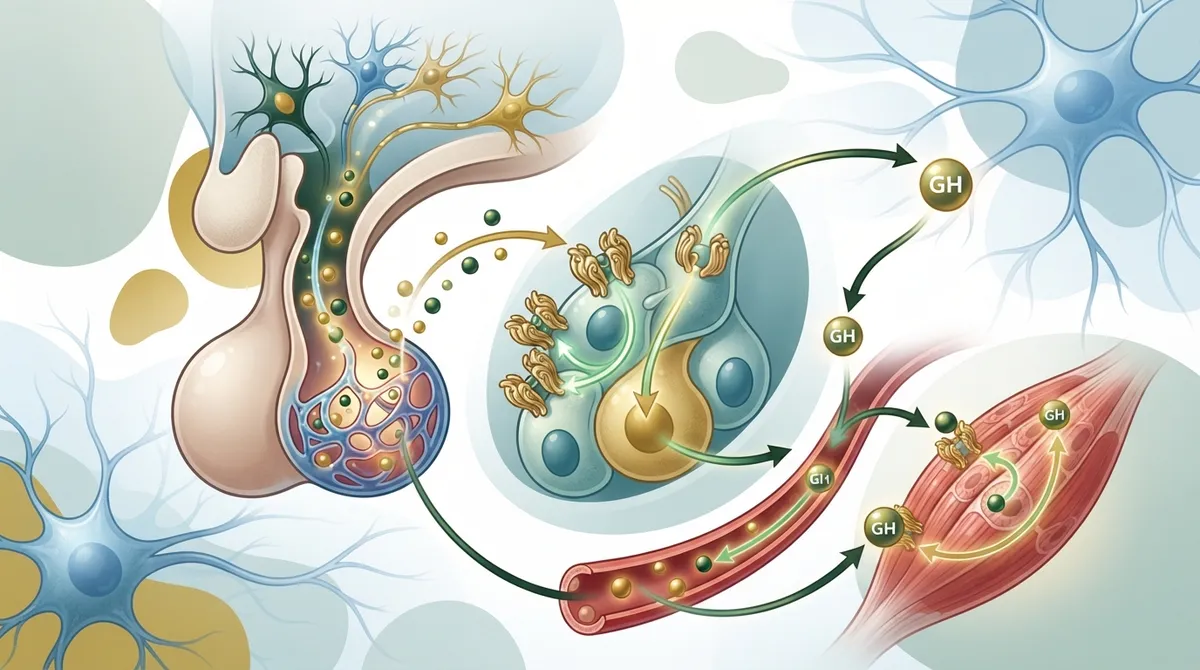
How Growth Hormone Secretagogues Work
Many popular muscle-focused peptides fall into a category called growth hormone secretagogues. This is a fancy term for compounds that stimulate your body to release more of its own growth hormone.
More growth hormone can lead to higher IGF-1 levels, which plays a role in muscle repair and tissue growth. This is different from injecting synthetic hormones directly. Your body still does the work, these peptides just encourage it to work a bit harder.
- They may support better sleep quality, which is huge for recovery
- They can help the body repair muscle tissue after training
- They may contribute to lean mass gains over several months
- They typically work best paired with resistance training and good nutrition
14 Peptides for Muscle Gain to Know About
Here’s a friendly rundown of the peptides most often discussed in muscle-building and recovery contexts. Some have more research support than others, so we’ll be upfront about that.
- CJC-1295 – A growth hormone secretagogue with one of the better-documented human trials behind it.
- Ipamorelin – Often paired with CJC-1295, known for a gentler side effect profile.
- Sermorelin – One of the earlier GH-releasing peptides, often used for general vitality support.
- Tesamorelin – Studied mainly for body composition changes in specific populations.
- IGF-1 LR3 – A modified IGF-1 variant with strong theoretical appeal but limited human safety data.
- BPC-157 – Primarily known for tissue repair, not direct muscle building.
- TB-500 – Often mentioned alongside BPC-157 for recovery support rather than hypertrophy.
- Hexarelin – A potent GH secretagogue, though less commonly used due to receptor desensitization concerns.
- GHRP-2 – Another growth hormone releasing peptide, sometimes stacked with CJC-1295.
- GHRP-6 – Known for appetite stimulation alongside GH release, which some find helpful for bulking phases.
- MK-677 – Technically not a peptide but a GH secretagogue often grouped with this category.
- Follistatin-based peptides – Explored for their theoretical role in muscle growth signaling, though evidence is very early stage.
- Collagen peptides – An oral option with better-supported evidence for body composition support when combined with training.
- PEG-MGF – A modified growth factor peptide discussed in bodybuilding circles, with minimal formal human research.
Remember, not all of these are appropriate or legal for general use, and some are labeled research-use-only. This is exactly why working with a licensed provider matters so much.
The Evidence: What Science Actually Says
Let’s talk numbers, because we know biohackers and health optimizers appreciate the details. A dose-escalation trial on CJC-1295 by Teichman and colleagues in 2006 included 65 participants and showed dose-dependent increases in GH pulse amplitude, along with sustained IGF-1 elevation.
One estimate suggests users might gain 2 to 5 pounds of lean mass over 3 to 6 months when combining GH peptides with consistent training and proper nutrition. That’s a modest but meaningful number, not a dramatic transformation.
A 2021 review on bioactive peptides in sports nutrition, published and indexed through the National Library of Medicine, found possible benefits for body composition and recovery. However, the review stopped short of confirming a strong clinical effect for injectable muscle-growth peptides specifically.
Some consumer-health sources note that people using peptides alongside resistance training for 8 to 12 weeks reported increased strength and muscle mass. Still, they consistently caution that results are mixed and the overall evidence base remains limited.
A Key Fact Everyone Should Know
No peptide has completed a Phase III randomized controlled trial with muscle mass as its primary endpoint. This doesn’t mean these compounds don’t work at all. It means the highest level of clinical proof simply isn’t there yet.
Comparing Popular Muscle-Focused Peptides
| Peptide | Primary Use | Evidence Level | Common Pairing |
|---|---|---|---|
| CJC-1295 | GH release, lean mass support | Moderate (human trial data exists) | Ipamorelin |
| Ipamorelin | GH release, milder side effects | Limited but growing | CJC-1295 |
| Sermorelin | General vitality, GH support | Moderate, longer history of use | Often used alone |
| BPC-157 | Tissue and injury recovery | Preclinical, limited human data | TB-500 |
| IGF-1 LR3 | Muscle signaling, growth support | Very limited human safety data | Rarely combined |
| Collagen Peptides | Body composition, joint support | Stronger evidence with training | Resistance training programs |
CJC-1295 vs Ipamorelin: What’s the Real Difference?
This is one of the most common questions we hear. Both are growth hormone secretagogues, but they work slightly differently.
CJC-1295 tends to have a longer half-life, meaning it stays active in the body longer. Ipamorelin is more selective, targeting GH release without significantly raising cortisol or prolactin, which some people find preferable for reducing unwanted side effects.
- CJC-1295 offers longer, sustained GH elevation
- Ipamorelin provides a cleaner, more selective GH pulse
- Many providers combine both for a synergistic effect
- Individual response varies based on age, hormone levels, and lifestyle
BPC-157: Recovery Support, Not a Muscle Builder
BPC-157 gets mentioned constantly in muscle-gain conversations, but it’s important to clarify its actual role. This peptide is primarily studied for supporting tissue repair, gut health, and injury recovery.
It’s not designed to directly build muscle tissue. Instead, think of it as a support player, helping you recover faster from strain or injury so you can get back to training sooner. That faster recovery can indirectly support your long-term muscle-building goals.
Are Peptides Safer Than Anabolic Steroids?
This question comes up a lot, especially among wellness seekers who are cautious about aggressive hormone use. Generally speaking, growth hormone secretagogues work more gradually and don’t produce the same dramatic hormonal disruption as anabolic steroids.
However, “safer” doesn’t mean “risk-free.” Some peptides sold online are labeled research-use-only and lack FDA approval for human use. Purity, contamination, and dosing accuracy become real concerns when peptides aren’t sourced and monitored properly.
Steps to Reduce Risk When Considering Peptide Therapy
- Get comprehensive blood work done before starting anything
- Work only with licensed medical providers, not unregulated online sellers
- Choose peptides with documented human research when possible
- Start with conservative dosing and monitor your response closely
- Schedule regular follow-ups to adjust your plan based on results
- Report any side effects immediately to your provider
Potential Side Effects to Watch For
Even peptides with a good safety reputation can cause side effects. Being informed helps you make confident decisions.
- Injection site redness or irritation
- Water retention or mild swelling
- Headaches, especially when starting a new peptide
- Increased hunger, particularly with GHRP-family peptides
- Fatigue if dosing isn’t properly calibrated to your body
This is exactly why self-experimenting with unregulated products carries real risk. A licensed provider can help you avoid these pitfalls entirely.
Why Personalized, Medically Supervised Care Matters
Here’s the honest truth: results vary a lot from person to person. Your hormone levels, age, training history, and overall health all affect how you respond to peptide therapy.
This is where Allura Longevity stands out as a trusted telehealth option. Clients start with an affordable $50 virtual consultation, then complete blood work through LabCorp to get a clear picture of their current hormone and health status. From there, licensed providers, led by board-certified Family Nurse Practitioner Ashley, build a customized six-month plan just for you.
Everything ships directly to your door, making it realistic for busy professionals and anyone juggling a packed schedule. If you’re curious about how this process works from start to finish, this guide on how to start peptide therapy safely and see real results breaks it down step by step.
Muscle Gain Peptides vs Fat Loss Peptides
It’s worth noting that not every peptide protocol is designed for muscle gain. Some are built specifically for fat loss and metabolic support instead.
| Goal | Common Peptide Focus | Typical Timeline |
|---|---|---|
| Muscle gain & recovery | CJC-1295, Ipamorelin, Sermorelin | 3-6 months |
| Fat loss & metabolism | GLP-1 medications, specific fat-targeting peptides | Varies by plan |
| Injury recovery | BPC-157, TB-500 | 4-8 weeks typically |
If fat loss is more your focus right now, it’s worth exploring 13 peptides for fat loss that really work in 2026 or checking out which weight loss peptides actually work in 2026 for more tailored insight.
Telehealth vs In-Person Clinics for Muscle-Focused Peptides
Convenience matters, especially if you’re managing a demanding career or family life. Telehealth peptide therapy has grown rapidly because it removes so many traditional barriers.
- No waiting rooms or long commutes to a clinic
- Blood work done locally through LabCorp, results reviewed remotely
- Peptides shipped straight to your home for easy administration
- Ongoing provider check-ins without needing to take time off work
If you’re weighing your options, this comparison of local clinic vs telehealth for the best peptide therapy near you offers a helpful side-by-side look.
Who Should Consider Peptides for Muscle Gain?
Peptide therapy for muscle support tends to appeal most to a few specific groups. Recognizing yourself in this list is a good sign it might be worth exploring.
- Adults over 35 noticing slower recovery after workouts
- Aging adults wanting to preserve lean mass and strength
- Biohackers who track data and want measurable, personalized protocols
- Busy professionals who need efficient, at-home treatment options
- Wellness seekers already investing in supplements who want more targeted support
Whether you identify with one of these groups or several, personalized guidance from peptides for women or peptides for men programs can help clarify the right path for your body specifically.
Final Thoughts on Peptides for Muscle Gain
Peptides for muscle gain aren’t a miracle shortcut, but they can be a genuinely helpful piece of a bigger puzzle. When paired with good training, solid nutrition, and proper medical guidance, growth hormone secretagogues may support meaningful, gradual improvements in recovery and lean mass.
The key is realistic expectations and professional oversight. Skip the unregulated online sellers and research-grade products with no quality control. Instead, lean on licensed providers who can test your blood work, understand your unique goals, and adjust your plan as you progress.
Allura Longevity makes this process simple, personalized, and genuinely supportive from day one. With licensed providers, home delivery, and ongoing monitoring, you’re never guessing what comes next. Spots for new clients are limited each month, so if you’re ready to explore a plan built just for you, request a consultation today and take that next confident step toward your goals.
FAQs
Q: What are the best peptides for muscle gain in peptide therapy?
A: CJC-1295 and Ipamorelin are often mentioned together as go-to options, mainly because they support growth hormone release with fairly manageable side effects. That said, the best choice really depends on your bloodwork and goals, which is why a personalized plan matters so much more than a generic list.
Q: Do peptides actually build muscle, or do they only improve recovery?
A: Honestly, it’s a bit of both, but recovery support tends to be the stronger, better-documented benefit. Improved sleep and faster tissue repair can indirectly help you build muscle over time, even though these peptides aren’t direct muscle-builders like anabolic steroids.
Q: Is BPC-157 used for muscle gain or only for injury recovery?
A: BPC-157 is mostly known for supporting tissue repair and recovery, not direct muscle growth. Many people use it to bounce back faster from strains or injuries, which can then support their training consistency and long-term muscle goals.
Q: Are peptides safer than anabolic steroids for bodybuilding?
A: Generally, growth hormone secretagogues work more gradually and don’t cause the same dramatic hormonal swings as anabolic steroids. That said, safety really comes down to sourcing and medical supervision, so working with a licensed provider is essential rather than optional.
Q: Are peptide injections FDA-approved for muscle building?
A: Not typically for muscle building specifically. Many peptides marketed for bodybuilding are labeled research-use-only and haven’t gone through the FDA approval process for that purpose, which is exactly why professional guidance is so important before starting any protocol.





