

Key Takeaways
-
Only a few peptides like bremelanotide (Vyleesi) are FDA-approved for specific women's conditions; most wellness peptide claims lack strong human research and are not proven safe or effective.
-
FDA approval for one specific use does not mean a peptide is safe or effective for other purposes; bremelanotide is only approved for premenopausal women with HSDD, not as a general libido booster or menopause treatment.
-
Avoid buying 'research use only' peptides online or from unverified sellers, as these products are not made for human use and may contain impurities, immunogenic reactions, or unknown dosing risks.
-
Before starting any peptide therapy, get baseline blood work and work with a licensed provider who can review your medical history, explain the evidence honestly, and monitor your progress with follow-up visits.
-
Popular peptides like BPC-157 and CJC-1295 have very limited human evidence (BPC-157 had only 3 small studies as of 2025); demand controlled human trials, not just animal research, before believing wellness claims.
-
Pause all peptide use if you are pregnant, breastfeeding, trying to conceive, or have hormone-sensitive conditions, as safety data for unapproved peptides in these groups is missing or insufficient.
If you’ve scrolled through wellness social media lately, you’ve probably seen peptides pitched as a cure-all for women. Better libido, easier menopause, glowing skin, more energy, even slower aging. It sounds amazing. But here’s the honest truth: peptides for women’s wellness is a marketing phrase, not a single medical treatment.
Some peptide medicines are FDA-approved for specific conditions. Many others are sold with big promises and very little human research behind them. Mixing those two up is the first and most common mistake.
The good news? You can avoid the biggest traps with a little knowledge. This guide walks you through nine common mistakes, shares what the evidence actually says in 2026, and shows you how to approach peptide therapy safely. Whether you’re a busy professional, a midlife woman curious about vitality, or a data-loving biohacker, you deserve clear facts. Let’s get into it together.

First, What Do We Mean by Peptides for Women’s Wellness?
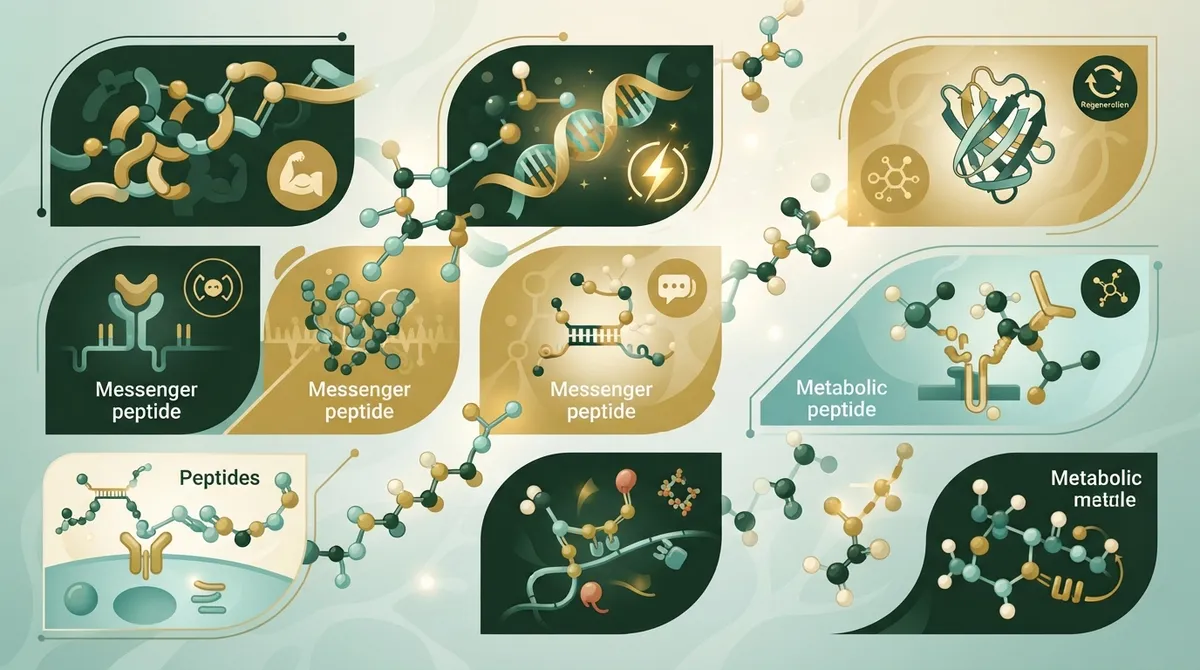
Peptides are short chains of amino acids. Your body makes thousands of them, and they act like tiny messengers. If you want a plain-language primer, what are peptides is a helpful starting point, and our guide 8 Facts That Explain What Are Peptides in 2026 goes deeper.
When people say “peptides for women’s wellness,” they usually mean a mix of very different things:
- FDA-approved peptide medicines for specific conditions
- GLP-1 medicines such as semaglutide and tirzepatide, which are peptide-based drugs with approved metabolic uses
- Unapproved or compounded peptides marketed for recovery, skin, energy, or anti-aging
Each group has a different level of evidence and a different level of risk. Keeping them separate is the secret to making smart choices.
Quick Look: Where Common Peptides Stand
| Peptide | Regulatory Status | What the Evidence Supports |
|---|---|---|
| Bremelanotide (Vyleesi) | FDA-approved (2019) | Acquired, generalized HSDD in premenopausal women only |
| Semaglutide / Tirzepatide | FDA-approved for specific metabolic conditions | Approved uses depend on the product; not a menopause treatment |
| BPC-157 | Not FDA-approved for these uses | Very limited human data; mostly small, early studies |
| CJC-1295 / Ipamorelin | Not FDA-approved for wellness uses | Limited human evidence for women’s wellness claims |
Notice how narrow the approved list is. That’s why the mistakes below matter so much.
Mistake 1: Treating “Peptides” as One Single Treatment
This is the big one. A peptide for sexual desire is not the same as a peptide for weight, and neither is the same as a peptide sold for skin or recovery. Each has its own purpose, dose, risks, and research record.
Before you try anything, ask: Which peptide, for which goal, with what proof? If a provider can’t answer that clearly, keep looking.
Mistake 2: Assuming FDA Approval Covers Every Use
FDA approval applies to one specific indication. It does not automatically prove a peptide is safe or effective for other goals.
The clearest women-specific example is bremelanotide (Vyleesi). The FDA approved it in 2019 for acquired, generalized hypoactive sexual desire disorder (HSDD) in premenopausal women. It is not approved as a general libido booster, and it is not approved for postmenopausal women. Its label also notes precautions, including short-term blood pressure increases and nausea.
Curious about this topic? Our post on 8 Peptide Facts That Redefine Sexual Wellness in 2026 breaks it down further.
Mistake 3: Believing Peptides Are a Menopause Fix
Menopause and perimenopause symptoms like hot flashes, sleep changes, and mood swings are real and frustrating. But there is little strong clinical-trial evidence that unapproved peptide protocols improve them.
If you’re dealing with these symptoms, a qualified clinician can talk you through options, including approved hormone therapy where appropriate. Our guides MHT vs. Peptides: Which Helps Menopause More? and 10 Safest Hormone Therapy Options for Women (2026) can help you compare.
Mistake 4: Trusting Hype Over Human Studies
Early lab and animal research can be exciting. But animal results don’t always carry over to people. Always ask whether a claim comes from a controlled human study.
Take BPC-157, a popular name in wellness circles. A 2025 review reported only three published human studies of it at that time. They were small, had methodology limits, and none was a randomized controlled trial. That doesn’t mean it’s useless. It means the proof isn’t there yet, and no one should promise results.
Here’s a simple way to size up any claim:
- Is the peptide FDA-approved for this exact use?
- Are there controlled human trials, not just animal studies?
- Were the studies done in women like you?
- Are the risks clearly explained?
If you can’t say yes to most of these, treat the claim as unproven.
Mistake 5: Buying “Research Use Only” Peptides Online
This one can truly hurt you. A product labeled “research use only” is not made, tested, or approved for human use. A label or a checkout page does not make something safe.
The FDA has flagged safety concerns for certain bulk substances used in compounding, including concerns like immunogenicity (your immune system reacting), impurities, and not enough safety data. Compounded products are not FDA-approved, and rules around compounding can change.
For a deeper look, read FDA-Approved vs. Compounded Peptides: What Wins? and How to Get Prescription Peptides Safely in 2026.
Mistake 6: Skipping Blood Work and a Real Medical History
Your body is not average. Your hormones, thyroid, blood sugar, and health history all shape what is safe and useful for you.
A responsible plan starts with a conversation and lab work, not a one-size-fits-all stack. This is especially true if you are in perimenopause or have a history that touches hormones. Learn why in 5 Blood Work Analysis Steps Before Peptides in 2026.
Mistake 7: Ignoring Pregnancy, Breastfeeding, and Hormone-Sensitive Conditions
If you are pregnant, breastfeeding, trying to conceive, or have a hormone-sensitive condition, pause before starting any peptide. For many unapproved products, safety data in these groups is missing or too thin to rely on.
Always tell your provider about your full health picture. It’s not a hassle. It’s the way you protect yourself.
Mistake 8: Mixing Up GLP-1 Medicines With General Wellness
GLP-1 medicines such as semaglutide and tirzepatide are peptide-based drugs. They have FDA-approved uses for certain metabolic conditions. They are not menopause treatments, and they are not general “women’s wellness” tools.
Eligibility, the exact product, and clinician oversight all matter. If you’re curious, start with How to Understand GLP-1 Peptide Therapy in 2026, and watch for side effects by reading What Causes GLP-1 Side Effects and How to Manage Them?
Mistake 9: Expecting Fast, Dramatic Results
Social media loves a before-and-after photo. Real life is slower and more personal. Results vary a lot from person to person, and some goals may not respond at all.
Good care sets honest expectations, checks in often, and adjusts the plan. If someone guarantees a timeline or outcome, that’s a red flag.
How to Approach Peptide Therapy Safely: A Simple Plan
You don’t need to avoid peptides altogether. You just need to approach them with clear eyes. The National Library of Medicine offers research on peptide science through National Library of Medicine resources if you like to dig into the studies yourself.
Here’s a smart, step-by-step path:
- Define your goal. Be specific, such as better sleep, more energy, or help with weight.
- Talk to a licensed provider. Share your history, medications, and plans for pregnancy.
- Get lab work first. Let your numbers guide the plan.
- Ask about approval status. Find out whether each product is FDA-approved, compounded, or off-label.
- Start with monitoring. Plan follow-up checks and be ready to adjust.
For a full walkthrough, see How to Start Peptide Therapy Safely and See Real Results and How to Build a Women’s Wellness Peptide Plan.
Safe Habits vs. Risky Habits
| Safer Approach | Risky Approach |
|---|---|
| Licensed provider reviews your history and labs | Self-prescribing from social media advice |
| Clear info on FDA status and sourcing | “Research use only” products from unknown sellers |
| Honest talk about limits of the evidence | Promises of guaranteed results |
| Follow-up visits and dose adjustments | Stacking many peptides at once |
Why Telehealth Can Be a Smart Fit
For busy professionals and anyone short on time, telehealth removes a lot of friction. You can meet a provider from home, complete lab work, and get ongoing support without sitting in a waiting room. If you’re weighing options, check out Local Clinic vs. Telehealth: Best Peptide Therapy Near You?
At Allura Longevity, care starts with a $50 virtual consultation and blood work through LabCorp. Licensed providers, led by Ashley, a board-certified Family Nurse Practitioner, then build a personalized six-month plan based on your labs and goals. Treatments are delivered to your home, with ongoing monitoring and adjustments along the way. Telehealth is available nationwide, and Allura Longevity is licensed in Florida, Georgia, Texas, Connecticut, Indiana, Maryland, New York, and California. You can also explore peptides for women to see how the program works.
What to Ask Before You Start
Bring a short list of questions to your first visit. These help you spot a thoughtful provider fast:
- Is this specific peptide FDA-approved, compounded, or off-label for my goal?
- What human research supports it, and in which patients?
- What are the possible side effects and risks for me?
- How will you monitor my progress and safety?
- What happens if I want to pause or stop?
For more ideas, read 15 Peptide Consultation Questions to Ask in 2026.
The Bottom Line
Peptides can play a real role in modern wellness, but they work best when you stay curious and careful. The big takeaways are simple. Peptides for women’s wellness is a broad label, not one proven treatment. Approved uses are narrow. Many popular claims rest on early or limited evidence. And your own labs, history, and goals should lead every decision.
You deserve care that respects your questions and your safety. If you’d like a personalized, medically supervised plan, request a consultation with Allura Longevity today, or call (813) 510-6277. New client spots are limited each month, so reach out while there’s room.
FAQs
Q: Which peptides are FDA-approved for women, and for what conditions?
A: The clearest women-specific example is bremelanotide (Vyleesi), approved in 2019 for acquired, generalized hypoactive sexual desire disorder in premenopausal women. Some peptide-based GLP-1 medicines are also approved for certain metabolic conditions. Most other peptides marketed for women’s wellness are not FDA-approved for those uses.
Q: Do peptides help with menopause symptoms or perimenopause?
A: There’s little strong clinical-trial evidence that unapproved peptide protocols ease menopause or perimenopause symptoms. It’s best to talk with a qualified clinician about options that have solid research behind them, and we’re happy to help you sort through it.
Q: Are BPC-157, CJC-1295, or ipamorelin FDA-approved or proven safe?
A: No, these aren’t FDA-approved for wellness uses, and human evidence is limited. A 2025 review found only three small human BPC-157 studies, none randomized. That’s why working with a licensed provider who explains the limits honestly really matters.
Q: Can peptide therapy affect fertility, pregnancy, or breastfeeding?
A: Safety data for many unapproved peptides in these groups is missing or too limited. If you’re pregnant, breastfeeding, or trying to conceive, check in with your clinician before starting anything. Your safety always comes first.
Q: What are the risks of compounded peptide injections or online research peptides?
A: Compounded products aren’t FDA-approved, and “research use only” items aren’t made for human use at all. Risks can include impurities, immune reactions, and unclear dosing. Working with a licensed provider and a trusted pharmacy helps lower those risks.





