

Key Takeaways
-
Hormone therapy for men includes multiple categories—testosterone replacement, fertility-friendly options, and peptide therapies—and choosing the wrong one wastes time and money, so proper diagnosis determines the right approach for your specific goals.
-
Low testosterone diagnosis requires two separate morning blood tests (not one) because testosterone naturally peaks in early morning and dips throughout the day, and a single afternoon test can show falsely low results.
-
LH and FSH blood work reveals whether low testosterone originates in the testicles (primary hypogonadism) or the brain's pituitary/hypothalamus (secondary hypogonadism), which fundamentally changes your entire treatment plan.
-
Testosterone replacement therapy suppresses natural sperm production and is not recommended for men wanting to father children soon; fertility-friendly alternatives that stimulate your body's own hormone production should be explored first.
-
Peptides are not testosterone substitutes—they're different compounds targeting specific pathways—and marketing claims about peptides 'replacing' testosterone are red flags indicating you should question the provider's credibility.
-
Ongoing monitoring after starting hormone therapy is essential; testosterone and hematocrit levels must be checked regularly, with PSA monitoring for prostate health, and dose adjustments made based on actual lab results rather than guesswork.
If you’ve been feeling tired, foggy, or just not like yourself, you’ve probably typed “hormone therapy men explained” into a search bar late at night. You’re not alone. So many men reach a point where they know something feels off, but the information out there feels confusing and contradictory. Some sites push testosterone as a cure-all. Others promote peptides as a magic fix. The truth sits somewhere in the middle, and it’s actually pretty simple once someone walks you through it.
Here’s the good news: hormone therapy for men isn’t one single treatment. It’s a whole category that includes testosterone replacement, fertility-friendly options, and peptide therapies that support your body’s own hormone production. Each path serves a different purpose, and the right one depends on your labs, symptoms, and goals. Let’s break down the 9 facts every man should know before starting any kind of hormone or peptide plan, so you can make a confident, informed choice.

1. “Hormone Therapy” Covers More Than Just Testosterone
When most people hear “hormone therapy for men,” they picture a testosterone shot. But that’s just one option under a much bigger umbrella. Hormone therapy can also mean treatments that stimulate your own testicles to produce more testosterone naturally, or peptide therapies that work on specific hormone pathways in gentler, more targeted ways.
This matters because picking the wrong category can waste time and money, or even work against your goals. For example, a man hoping to preserve fertility needs a very different approach than a man who’s done having kids. Understanding peptides for men as a distinct category from traditional testosterone replacement therapy (TRT) is the first step toward getting this right.
2. Low Testosterone Has Real, Recognizable Symptoms
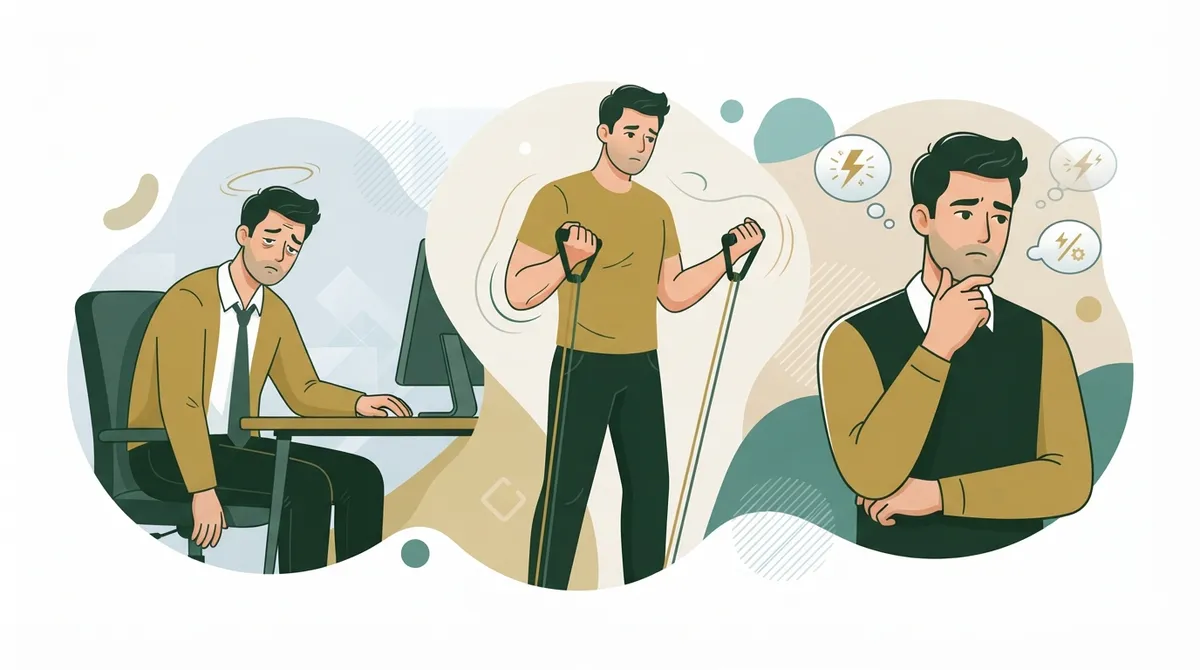
Low testosterone doesn’t always announce itself clearly. It creeps in slowly, and many men chalk it up to just “getting older” or being busy and stressed. But there’s a pattern worth paying attention to.
- Persistent fatigue, even after a full night’s sleep
- Lower sex drive or fewer morning erections
- Loss of muscle mass despite regular workouts
- Increased body fat, especially around the belly
- Mood changes, including irritability or low motivation
- Trouble concentrating, often described as “brain fog”
None of these symptoms alone confirm low testosterone. But if several show up together, it’s worth getting your blood work checked rather than guessing.
3. Diagnosis Requires More Than One Blood Test
Here’s something a lot of men don’t realize: one low testosterone reading doesn’t mean much on its own. According to the Endocrine Society’s clinical practice guideline from 2018, doctors should confirm low testosterone with two separate morning blood draws, since levels naturally dip and rise throughout the day.
Morning testing matters because testosterone peaks earlier and drops later in the day. A single afternoon test could show a falsely low number. Clinicians may also check free testosterone when total testosterone falls in a borderline range, since factors like sex hormone-binding globulin can affect how results should be read.
| Step | What Happens | Why It Matters |
|---|---|---|
| 1. Symptom Review | Provider checks for fatigue, low libido, mood changes | Symptoms must match low levels to diagnose hypogonadism |
| 2. First Morning Test | Blood draw before 10 a.m. | Captures testosterone at its natural daily peak |
| 3. Second Morning Test | Repeat test on a separate day | Confirms the low reading wasn’t a fluke |
| 4. Additional Labs | LH, FSH, and sometimes free testosterone | Helps pinpoint the cause of low levels |
4. LH and FSH Reveal Where the Problem Starts
Once low testosterone is confirmed, the next question is why. That’s where luteinizing hormone (LH) and follicle-stimulating hormone (FSH) come in. These two hormones help your provider figure out whether the issue starts in the testicles (called primary hypogonadism) or in the brain’s pituitary and hypothalamus (called secondary hypogonadism).
This distinction changes the entire treatment plan. It can also uncover other treatable issues, like obesity, certain medications, chronic illness, or pituitary conditions that are quietly driving your symptoms. Getting a full picture through proper blood work, similar to the process outlined in How to Start Peptide Therapy Safely and See Real Results, gives you and your provider the clearest path forward.
5. TRT Works, But It’s Not Right for Everyone
Testosterone replacement therapy uses approved formulations like gels, injections, or patches. For men with confirmed hypogonadism, it can genuinely improve energy, mood, and muscle mass. But it comes with an important trade-off: TRT suppresses your body’s natural LH and FSH production, which can shrink sperm production.
This means TRT is generally not recommended for men who want to father children in the near future. If fertility is a priority, your provider may explore other options first, including treatments that stimulate your own hormone production instead of replacing it outright. You can learn more about how these approaches compare in TRT vs. Peptides: Which Hormone Fix Wins for Men?
6. Peptides Are Not a Testosterone Substitute
This is one of the biggest points of confusion out there, and it’s worth repeating clearly: peptides are not interchangeable with testosterone. They’re a completely different category of compounds, each with its own purpose.
Some peptides, like GnRH analogues and gonadotropins, have specific, well-studied medical uses related to hormone signaling. Others, like sermorelin, CJC-1295, and ipamorelin, are growth-hormone secretagogues that some wellness clinics use to support broader goals like recovery, sleep, and energy. According to what are peptides, these are short chains of amino acids that act as messengers in the body, and their evidence, regulatory status, and approved uses vary widely from one peptide to the next.
The takeaway? Marketing claims aren’t proof of benefit. If a clinic promises a peptide will “replace” your testosterone, that’s a red flag worth questioning.
Comparing TRT and Peptide Therapy at a Glance
| Factor | Testosterone Replacement (TRT) | Peptide Therapy |
|---|---|---|
| Main Goal | Restore testosterone to mid-normal range | Support specific pathways like growth hormone or recovery |
| Effect on Fertility | Can suppress sperm production | Varies by peptide; some options are fertility-friendly |
| Monitoring Needed | Testosterone, hematocrit, prostate markers | Depends on the specific peptide and goals |
| Best For | Confirmed hypogonadism with symptoms | Targeted wellness goals alongside proper diagnosis |
7. There Are Real Risks and Reasons to Avoid TRT
Testosterone therapy isn’t appropriate for every man, and it’s important to be upfront about that. The Endocrine Society advises against starting testosterone in men who are planning near-term fertility, as well as in men with certain higher-risk conditions.
- Active breast or prostate cancer
- Elevated hematocrit (thick blood) levels
- Untreated, severe obstructive sleep apnea
- Uncontrolled heart failure
- Recent heart attack or stroke
- Blood clotting disorders (thrombophilia)
This is exactly why individualized assessment matters so much. A one-size-fits-all approach to hormone therapy simply doesn’t hold up against real medical guidance. Every man’s risk profile is different, and a good provider takes the time to review yours carefully.
8. Monitoring Doesn’t Stop After the First Prescription
Starting testosterone therapy isn’t a “set it and forget it” decision. Ongoing monitoring is a core part of doing it safely and effectively. The Endocrine Society recommends checking testosterone and hematocrit levels after starting treatment, then continuing to track symptoms, side effects, and safety markers over time.
For men who choose prostate monitoring, guidelines recommend checking PSA before starting treatment and again 3 to 12 months later. A confirmed PSA rise of more than 1.4 ng/mL above baseline in the first year, or a PSA above 4 ng/mL, calls for a urology consultation. This kind of structured follow-up is one of the biggest reasons working with a licensed provider matters so much, rather than self-treating based on online advice. Programs like the six-month treatment plans at Allura Longevity are built around this exact principle of ongoing adjustment based on real lab results.
9. Compounded Peptides Come With Quality Questions
Not every peptide product on the market has gone through the same level of scrutiny as FDA-approved medications. Compounded or unapproved peptide products can have uncertain quality, purity, sterility, and dosing accuracy. The FDA has flagged safety concerns for certain bulk substances proposed for compounding, which means it’s essential to verify a product’s status before starting.
According to research summarized by the National Library of Medicine, the growing peptide therapy market includes products with varying levels of clinical evidence behind them. This doesn’t mean all peptides are risky, but it does mean you should always ask questions and work with a provider who can explain exactly what you’re getting and why. Resources like FDA-Approved vs. Compounded Peptides: What Wins? can help you understand this distinction more clearly before committing to any protocol.
How Telehealth Makes This Easier to Navigate
Here’s the part that should feel like a relief: you don’t have to figure all of this out alone. Telehealth has made it possible to get proper blood work, expert guidance, and a personalized plan without spending your Saturday in a waiting room. This is especially valuable for busy professionals juggling work travel and packed calendars.
A well-run telehealth process typically looks like this:
- Start with an affordable virtual consultation to discuss your symptoms and goals
- Complete comprehensive blood work through a trusted lab like LabCorp
- Review your results with a licensed provider who explains what they actually mean
- Receive a customized treatment plan based on your specific hormone picture
- Get your medication delivered directly to your door for convenient at-home use
- Stay on track with ongoing check-ins and dose adjustments as your body responds
This approach removes a lot of the guesswork and gatekeeping that used to make hormone therapy feel so intimidating. If you want a deeper look at what safe, structured care actually involves, check out How to Tell When Men Need Hormone Therapy or What Are the Real Benefits of Hormone Therapy for Men?
Why Personalized Care Beats Guesswork Every Time
Every man’s hormone picture is different. Two guys with the exact same symptoms might need completely different treatment plans once their labs come back. That’s why generic advice from forums or one-size-fits-all clinics rarely delivers the results men are actually hoping for.
Allura Longevity was built around this idea. Led by Ashley, a board-certified Family Nurse Practitioner, the team designs six-month treatment plans based on your actual blood work, not guesswork. Whether your goals involve energy, muscle recovery, or hormone balance, care is adjusted along the way as your labs and symptoms change. Telehealth service is available nationwide, with licensing in Florida, Georgia, Texas, Connecticut, Indiana, Maryland, New York, and California.
Because spots are limited each month, men who are serious about finally understanding their hormone health shouldn’t wait too long to reach out. If you’re ready to stop guessing and start getting real answers, you can request a consultation to get your personalized plan started.
Bringing It All Together
Hormone therapy for men isn’t confusing once you break it down into its real parts. It’s not one treatment, it’s a toolkit. Testosterone replacement helps men with confirmed hypogonadism. Fertility-friendly options exist for men who aren’t ready to close that chapter. And peptide therapies offer targeted support for specific goals, separate from testosterone altogether.
The key is proper testing, honest conversations about risk, and consistent follow-up care. Skipping any of these steps is where things tend to go wrong.
If you’ve been putting off getting your hormones checked because the process felt overwhelming, consider this your sign to take the next step. A simple conversation and a set of accurate blood tests can finally give you real answers instead of more guessing. You deserve to feel like yourself again, and the right plan can help get you there. Reach out today to request a consultation and start your personalized journey toward better energy, balance, and vitality.
FAQs
Q: What does hormone therapy for men actually mean?
A: It’s an umbrella term that covers several different treatments, including testosterone replacement, fertility-preserving options, and peptide therapies. The right choice depends on your blood work, symptoms, and personal goals, so it’s never a one-size-fits-all answer.
Q: What symptoms suggest I might have low testosterone?
A: Common signs include fatigue, low sex drive, mood changes, muscle loss, and brain fog. One symptom alone doesn’t confirm anything, but a pattern of several is worth getting checked with proper blood work.
Q: Why do I need two morning blood tests to diagnose low testosterone?
A: Testosterone naturally peaks in the morning and dips later in the day, so a single test can be misleading. Two separate morning tests confirm the result is consistent and not just a one-time dip.
Q: Is peptide therapy the same as testosterone replacement?
A: No, they’re quite different. Peptides work on specific pathways in the body and aren’t a direct substitute for testosterone, so it’s important to understand which category actually fits your goals.
Q: Can testosterone therapy affect my ability to have kids?
A: Yes, TRT can suppress your natural hormone signals and reduce sperm production, so it’s generally not recommended if you’re planning to grow your family soon. Your provider can help you weigh fertility-friendly alternatives if that’s a priority for you.





