
Key Takeaways
-
GLP-1 medications mimic natural gut hormones to increase fullness, slow digestion, and reduce cravings, allowing you to eat less without relying on willpower alone.
-
Tirzepatide (Zepbound) produces greater average weight loss (20.2%) than semaglutide (13.7%) in head-to-head trials, but both require personalized evaluation based on your health history.
-
Clinical trials show participants lose 14-21% of body weight over 68-72 weeks, with 90% achieving at least 5% weight loss at the highest tirzepatide dose.
-
Weight regain of approximately 14% occurs after stopping treatment, making long-term ongoing therapy combined with nutrition support and lifestyle changes essential for sustained success.
-
Only use GLP-1 medications prescribed by licensed providers with bloodwork verification; avoid compounded versions and supplements claiming GLP-1 effects without FDA approval.
-
Common mild side effects include nausea, diarrhea, and fatigue during dose increases, but these typically improve over time with gradual titration under medical supervision.
If you have ever felt hungry an hour after eating a full meal, you are not alone. Appetite is controlled by hormones, not willpower, and that is exactly why so many people struggle with weight loss despite their best efforts. A GLP-1 appetite suppressant works by supporting the same gut hormones your body already makes, helping you feel full sooner and stay satisfied longer. Whether you are a busy professional who barely has time for lunch or someone who has tried every diet under the sun, understanding how these medications work can be a game changer.
At Allura Longevity, we see clients every week who are surprised to learn that their hunger struggles have a real, physiological explanation. This guide breaks down exactly how GLP-1 appetite suppressants work, who they are for, what the research shows, and what to expect if you decide to start treatment. We will keep things simple, honest, and grounded in real clinical data so you can make an informed decision with confidence.
What Is a GLP-1 Appetite Suppressant?
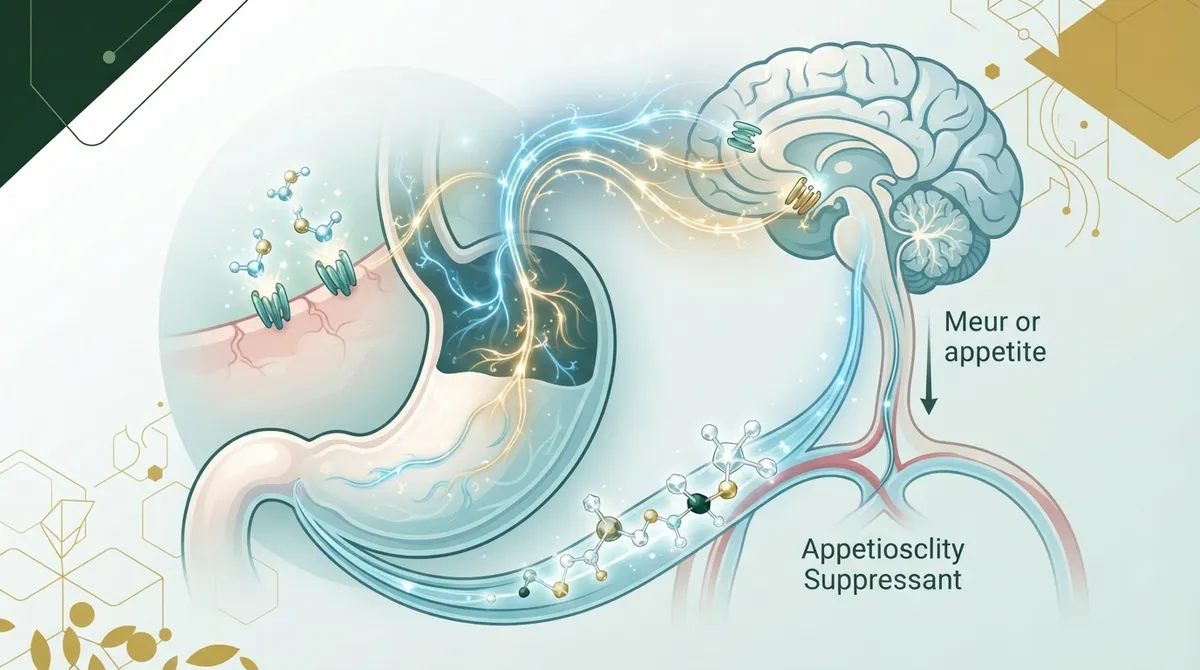
GLP-1 stands for glucagon-like peptide-1. It is a natural hormone made in your gut after you eat. This hormone tells your brain that you are full, slows down digestion, and helps your body manage blood sugar. A GLP-1 appetite suppressant is a prescription medication that mimics or boosts this hormone’s effects.
These are not fad diet pills or over-the-counter supplements. They are backed by serious clinical research and require a prescription from a licensed medical provider. Understanding what are peptides can help you see why these therapies are so different from typical weight loss products, since they work with your body’s own signaling systems rather than against them.
How GLP-1 Medications Reduce Hunger
GLP-1 receptor activation does several things at once inside your body. Here is a simple breakdown:
- Increases feelings of fullness after meals, so you naturally eat less
- Slows down how fast food leaves your stomach, keeping you satisfied longer
- Reduces cravings and the urge to snack between meals
- Supports healthier blood sugar levels by helping your body release insulin when needed
- Lowers overall calorie intake without requiring extreme willpower
This is why many people describe the experience as finally having a quiet mind around food, rather than constantly thinking about their next meal.
Semaglutide vs. Tirzepatide: What Is the Difference?
Two medications dominate the GLP-1 conversation today: semaglutide and tirzepatide. While they are often grouped together, they work a bit differently.
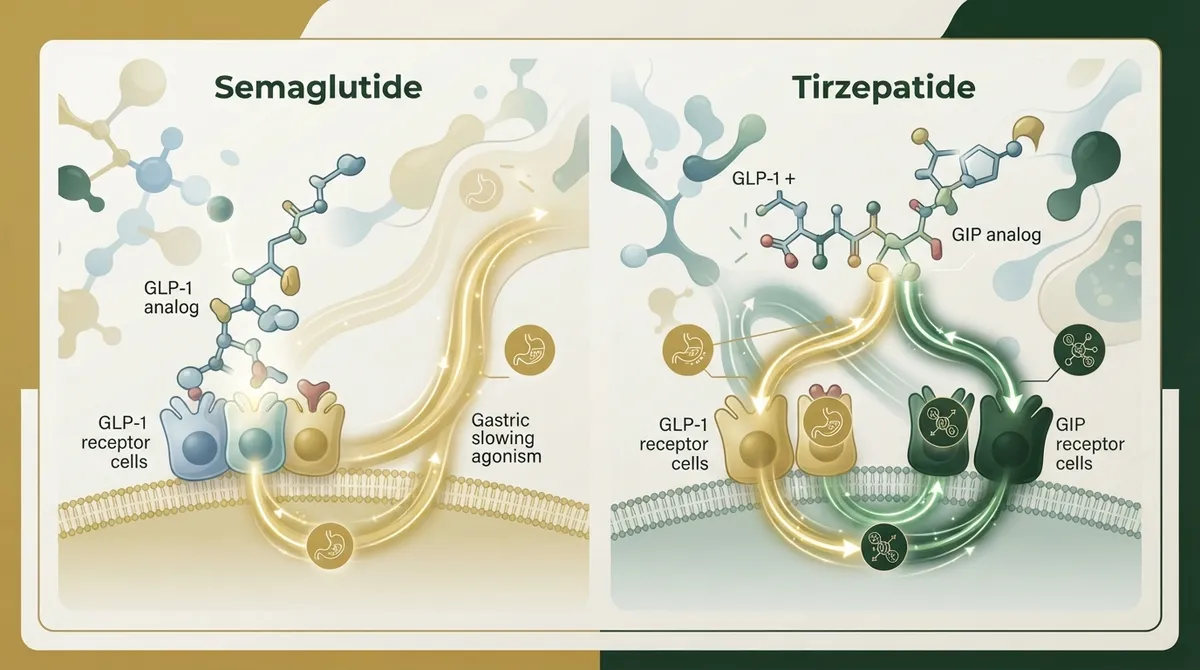
Semaglutide is a GLP-1 receptor agonist. In the United States, it is sold under the brand name Wegovy for weight management, while lower doses are used for type 2 diabetes under other brand names. Tirzepatide, on the other hand, activates both GLP-1 and GIP receptors, giving it a dual mechanism. It is sold as Zepbound for weight loss and Mounjaro for diabetes.
| Feature | Semaglutide | Tirzepatide |
|---|---|---|
| Mechanism | GLP-1 receptor agonist only | GLP-1 and GIP dual agonist |
| Average weight loss (72 weeks) | 13.7% to 15% | 19.5% to 20.9% |
| Weight-loss brand name | Wegovy | Zepbound |
| Diabetes brand name | Ozempic (lower dose) | Mounjaro |
| Dosing frequency | Once weekly injection | Once weekly injection |
According to the SURMOUNT-5 trial published in 2025, tirzepatide produced greater average weight loss than semaglutide in a head-to-head study, with participants losing about 20.2% of body weight compared to 13.7%. However, both medications are effective, and the right choice depends on your health history, goals, and how your body responds. This is exactly why personalized care matters so much, and it is something our team explores in detail in our guide to understanding GLP-1 peptide therapy.
The Research Behind GLP-1 Appetite Suppressants
The numbers behind these medications are genuinely impressive. Clinical trials give us a clear picture of what to expect.
- The STEP 1 trial from 2021 found that adults taking semaglutide 2.4 mg alongside lifestyle changes lost an average of 14.9% of their body weight after 68 weeks, compared to just 2.4% with a placebo.
- The SURMOUNT-1 trial from 2022 showed that tirzepatide produced average weight loss of 15% at the 5 mg dose, 19.5% at 10 mg, and 20.9% at the highest 15 mg dose after 72 weeks.
- At the highest tirzepatide dose in that same trial, 90.9% of participants lost at least 5% of their body weight, and more than half lost at least 20%.
- The SURMOUNT-2 trial in 2023 confirmed similar results in people with type 2 diabetes, with average weight loss between 13.4% and 15.7% depending on dose.
These results are documented in peer-reviewed research, including data summarized by the National Library of Medicine. This level of transparency is part of why GLP-1 therapy has become one of the most talked-about advancements in modern weight management.
Who Qualifies for GLP-1 Appetite Suppressant Therapy?
Not everyone is automatically a candidate for these medications. Eligibility typically depends on a combination of your body mass index and any related health conditions.
Common Eligibility Guidelines
- A body mass index (BMI) of 30 or higher
- A BMI of 27 or higher combined with a weight-related condition such as high blood pressure, high cholesterol, sleep apnea, or type 2 diabetes
- Willingness to pair medication with a reduced-calorie diet and regular physical activity
- No personal or family history of medullary thyroid carcinoma or MEN2 syndrome
- Ability to attend regular monitoring appointments with a licensed provider
This is why a thorough intake process matters. At Allura Longevity, treatment always starts with bloodwork through LabCorp and a virtual consultation, ensuring your plan is tailored to your actual biology rather than a one-size-fits-all approach. If you are curious about the process, our article on how to start peptide therapy safely and see real results walks through each step.
What to Expect When Starting Treatment
Starting a GLP-1 appetite suppressant is not an overnight fix. It is a gradual process designed to minimize side effects and maximize long-term success.
Typical Steps in a GLP-1 Treatment Plan
- Complete an initial consultation and bloodwork to confirm eligibility and rule out contraindications
- Begin treatment at a low starting dose to help your body adjust
- Gradually increase the dose over several weeks under provider supervision
- Track appetite changes, energy levels, and any side effects
- Attend regular check-ins so your provider can adjust your plan as needed
- Incorporate nutrition and activity habits that support long-term results
Most people begin noticing reduced appetite within the first few weeks, though the full effect builds gradually as the dose increases. Patience during this phase really does pay off.
Common Side Effects and Safety Considerations
Like any medication, GLP-1 appetite suppressants come with potential side effects. The good news is that most are mild and tend to improve over time.
- Nausea, especially during dose increases
- Diarrhea or constipation
- Mild abdominal discomfort
- Reduced appetite (the intended effect, but sometimes stronger than expected)
- Fatigue or mild headache in the first few weeks
More serious risks, while rare, include gallbladder issues, pancreatitis, and low blood sugar when combined with certain diabetes medications. U.S. prescribing information also includes a boxed warning about thyroid C-cell tumors, based on findings in animal studies. This is why ongoing medical supervision matters so much, and why compounded or unsupervised products can be risky. Our article on what causes GLP-1 side effects and how to manage them offers helpful strategies if you experience discomfort.
What Happens When You Stop Taking a GLP-1 Medication?
This is one of the most important questions people ask, and for good reason. Research from the SURMOUNT-4 trial found that after stopping tirzepatide, participants regained about 14% of their body weight over the following months. Those who continued treatment maintained or even improved their results.
This tells us something important: GLP-1 therapy works best as part of a long-term plan, not a short-term fix. Sustainable success usually involves ongoing treatment, nutrition support, and lifestyle habits that reinforce your progress. If you are exploring long-term weight strategies, our guide on which weight loss peptides actually work in 2026 can help you plan ahead.
Why Choose Telehealth for GLP-1 Appetite Suppressant Therapy?
Juggling work, family, and health goals is hard enough without adding long clinic wait times to the mix. Telehealth makes personalized GLP-1 therapy accessible without disrupting your schedule.
Benefits of Telehealth-Based Peptide Therapy
- Virtual consultations that fit around your calendar
- Bloodwork done locally through LabCorp, no clinic visits required
- Medications shipped directly to your home
- Ongoing monitoring and dose adjustments from licensed providers
- Privacy and convenience for busy professionals and parents alike
Allura Longevity was built around this exact need. Led by Ashley, a board-certified Family Nurse Practitioner, our team creates personalized six-month treatment plans based on your bloodwork and goals. We are proud to offer this care to clients in Florida, Georgia, Texas, Connecticut, Indiana, Maryland, New York, and California. If you are weighing your options, our comparison of local clinic versus telehealth peptide therapy breaks down the pros and cons clearly.
Avoiding Unsafe or Unapproved GLP-1 Products
With growing demand comes growing risk. Not every product marketed as a “GLP-1 alternative” is safe, tested, or even legal.
- Only use medications prescribed by a licensed medical provider
- Avoid compounded versions unless supervised by a qualified clinician who can verify sourcing and dosing
- Be skeptical of supplements claiming “GLP-1-like” effects without FDA approval
- Confirm your provider reviews your bloodwork before prescribing anything
- Ask about ongoing monitoring, not just a one-time prescription
This is exactly why working with a trusted, licensed telehealth provider matters. To learn more, check out our resource on how to get prescription peptides safely in 2026.
Bringing It All Together
GLP-1 appetite suppressants represent one of the biggest breakthroughs in modern weight management, but they work best when paired with expert guidance, real bloodwork, and a personalized plan. This is not about quick fixes. It is about giving your body the support it needs to feel balanced, satisfied, and healthy long term.
At Allura Longevity, we combine science, compassion, and convenience to help you reach your goals safely. With a simple $50 virtual consultation, LabCorp bloodwork, and a customized six-month plan delivered right to your door, getting started has never been easier. Spots for new clients are limited each month, so if you are ready to take the next step, request a consultation today and let our licensed providers build a plan designed just for you. You can also call us directly at (813) 510-6277 to speak with our team.
FAQs
Q: How do GLP-1 appetite suppressants work?
A: They mimic a natural gut hormone that tells your brain you are full, slows digestion, and helps manage blood sugar. This combination naturally reduces hunger and helps you eat less without feeling deprived.
Q: What is the difference between semaglutide and tirzepatide?
A: Semaglutide activates only GLP-1 receptors, while tirzepatide activates both GLP-1 and GIP receptors. Clinical trials show tirzepatide often produces slightly greater average weight loss, but both are effective and safe when prescribed appropriately.
Q: Who qualifies for GLP-1 weight-loss medication?
A: Most people qualify with a BMI of 30 or higher, or a BMI of 27 or higher with a weight-related condition like high blood pressure or type 2 diabetes. A licensed provider will confirm eligibility using your bloodwork and health history.
Q: What happens when you stop taking a GLP-1 medication?
A: Research shows that appetite often returns and some weight regain is common after stopping treatment. That’s why long-term plans usually include ongoing medical support, nutrition guidance, and ongoing lifestyle changes.
Q: Are compounded GLP-1 medications safe?
A: Not all compounded products are FDA approved or properly tested, so they can carry real risks. Always work with a licensed provider who can verify sourcing, dosing accuracy, and ongoing monitoring for your safety.





