

Key Takeaways
-
Injectable testosterone is the most cost-effective TRT option at $30-$80 monthly, making it the most commonly prescribed form despite other delivery methods being available.
-
Most men start TRT at 100-200 mg weekly (commonly 150 mg), with twice-weekly splitting becoming popular to maintain steadier hormone levels and reduce peaks and crashes.
-
Telehealth TRT programs cost $150-$300 monthly and bundle provider visits, lab work, and monitoring—offering convenience for busy professionals who can't visit clinics easily.
-
Insurance coverage for TRT is inconsistent and typically requires testosterone below 300 ng/dL threshold; many men choose cash-pay telehealth to avoid insurance hassles despite higher costs.
-
Baseline blood work is mandatory before starting TRT and costs around $50-$100, checking total/free testosterone, PSA, estradiol, and metabolic markers to ensure safe treatment.
-
Ongoing monitoring every 3-6 months is required and often bundled into monthly fees; always clarify what's included before enrolling to avoid hidden costs for labs and check-ins.
If you’ve been Googling “how much testosterone therapy men” pay every month, you’re not alone. Low testosterone can drain your energy, mood, and motivation faster than a bad night’s sleep. The good news? Testosterone replacement therapy (TRT) has come a long way, and telehealth has made it easier than ever to get personalized care without leaving your couch. Whether you’re a busy professional squeezing in lab work between meetings or a biohacker who tracks every metric, understanding real costs and dosing helps you make smart choices. Let’s break down exactly what you can expect to pay, how dosing typically works, and what actually drives the price up or down.
At Allura Longevity, we believe men deserve clear answers before starting any hormone protocol. This guide walks through 15 facts that explain how much testosterone therapy men typically spend, so you can plan your budget and your health journey with confidence.
1. TRT Costs Vary Widely Based on Method and Provider
There’s no single price tag for testosterone therapy. Costs depend on the type of treatment, where you get it, and whether insurance chips in. A 2026 pricing estimate places monthly TRT costs anywhere from roughly $75 to $400, depending on the method and the level of service included.
Generic injectable testosterone tends to sit on the lower end, while concierge telehealth programs and pellet therapy run higher. Knowing these ranges upfront helps you avoid sticker shock later.
2. Injectable Testosterone Is Usually the Cheapest Option
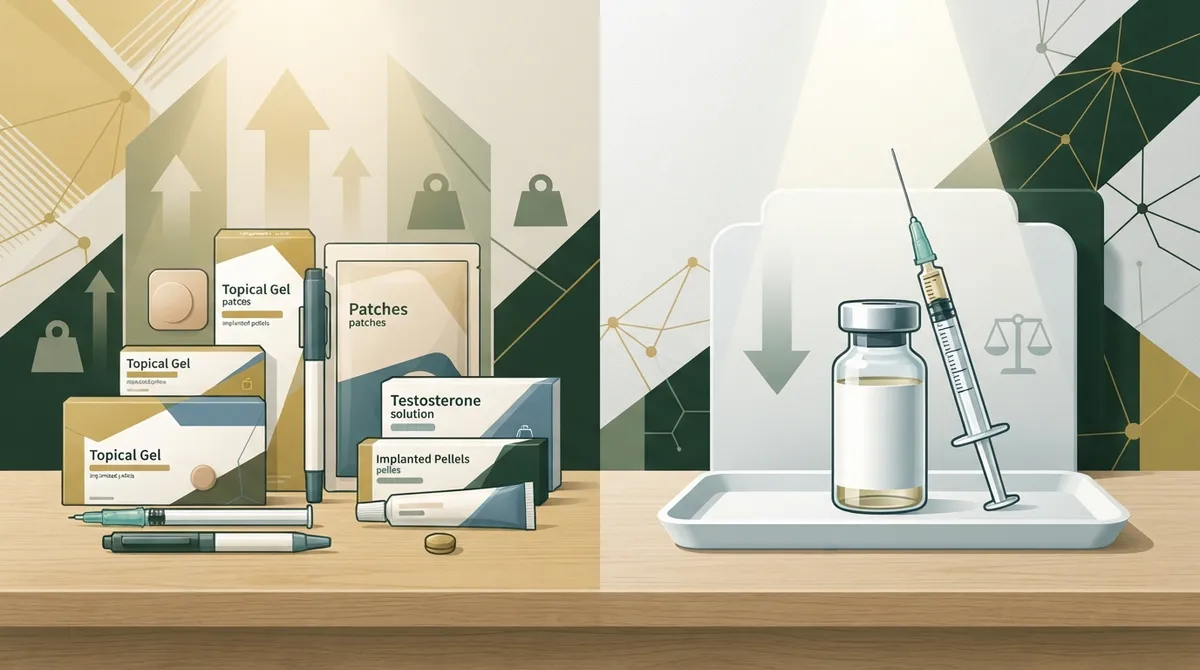
Injectable testosterone cypionate or enanthate remains the most budget-friendly form of TRT. Many pricing guides show generic injectable medication costing about $30 to $80 per month when purchased through a pharmacy.
This affordability is one reason injections remain the most commonly prescribed form of testosterone therapy. They’re simple, effective, and don’t require expensive applicators or specialized delivery devices.
3. Telehealth TRT Programs Add Convenience for a Moderate Price
Telehealth-based testosterone programs typically cost more than a basic prescription because they bundle in provider visits, lab work, and ongoing monitoring. Expect to pay somewhere between $150 and $300 per month for most virtual TRT programs.
For busy professionals who can’t easily visit a clinic, this convenience is often worth the extra cost. You get expert guidance without taking time off work or sitting in a waiting room.
4. Cash-Pay Concierge Care Sits at the Higher End
If you want VIP-style service with rapid communication, frequent check-ins, and premium support, expect to pay more. Cash-pay telehealth or concierge-style TRT care can run $150 to $400 or more monthly, depending on what’s included.
This tier often appeals to biohackers and wellness seekers who want detailed lab panels and frequent dose adjustments based on real-time feedback.
5. Pellet Therapy Costs More Upfront But Lasts Longer
Testosterone pellets are inserted under the skin and release hormone steadily over three to six months. This method typically costs several hundred dollars per insertion.
When annualized, some clinics price pellets around $100 to $200 per month, or $650 to $2,000 per treatment cycle. It’s a bigger upfront cost, but you avoid weekly injections.
6. Oral and Topical Options Often Cost More Than Injections
Gels, creams, and oral testosterone formulations generally carry a higher price tag than generic injectable therapy. They can be convenient for men who dislike needles, but that convenience comes at a premium.
Absorption can also vary more with topical products, which sometimes means more frequent dose adjustments and lab checks to keep levels steady.
7. Typical Starting Doses Range From 100 to 200 mg Weekly
Most men starting injectable TRT begin somewhere between 100 and 200 mg per week. A commonly used starting point in many clinics is 150 mg weekly, according to a 2026 dosing guide.
Some clinical recommendations list intramuscular testosterone at 50 to 100 mg weekly, or alternatively 100 to 200 mg every two weeks. Your provider will tailor this to your labs, symptoms, and goals.
Why Dosing Isn’t One-Size-Fits-All
Your ideal dose depends on your baseline testosterone level, body composition, age, and how your body responds to treatment. This is why blood work matters so much before starting therapy.
Providers at Allura Longevity build treatment plans around your individual labs, not a generic chart. That personalized approach is part of why our clients see steadier, safer results.
8. Splitting Doses Can Help Keep Levels Stable
Many providers now recommend splitting weekly testosterone doses into two smaller injections instead of one large shot. This twice-weekly approach helps avoid the peaks and crashes some men feel with less frequent dosing.
Smaller, more frequent doses can mean steadier energy, mood, and libido throughout the week. It’s a simple adjustment that often makes a noticeable difference.
9. Lab Testing Is a Required Cost Before Starting TRT
You can’t safely start testosterone therapy without bloodwork. Labs confirm whether your testosterone is truly low and rule out other causes of your symptoms.
Here’s what a typical pre-treatment lab panel often includes:
- Total and free testosterone levels
- Complete blood count (CBC)
- PSA (prostate-specific antigen)
- Estradiol levels
- Liver and kidney function markers
- Lipid panel and metabolic markers
At Allura Longevity, clients start with a $50 virtual consultation and complete labs through LabCorp, making this step simple and affordable.
10. Insurance Coverage Depends on Diagnostic Thresholds
Insurance coverage for TRT is inconsistent, but medically necessary treatment is more likely to be approved when testosterone falls below a common threshold like 300 ng/dL. Above that number, coverage becomes less predictable.
Many men choose cash-pay telehealth options specifically because they skip the insurance hassle altogether. It’s often faster and more private, even if the monthly cost is higher.
11. Monitoring Costs Are Part of the Total Price
TRT isn’t a “set it and forget it” treatment. Ongoing monitoring, usually every three to six months, ensures your dose stays safe and effective.
This monitoring typically includes repeat labs and provider check-ins. Some programs bundle these visits into the monthly fee, while others charge separately, so always ask what’s included before signing up.
12. Frequency of Injections Affects Convenience, Not Just Cost
How often you inject matters for your daily routine, not just your wallet. Here’s a quick comparison of common injection schedules:
| Injection Frequency | Typical Dose Range | Best For |
|---|---|---|
| Weekly | 100–200 mg | Simplicity, fewer needle sticks |
| Twice weekly | 50–100 mg per dose | Steadier hormone levels |
| Every two weeks | 100–200 mg | Men who prefer less frequent dosing |
Talk with your provider about which schedule fits your lifestyle and how your body responds to each option.
13. Cost Comparison Across Common TRT Delivery Methods
Seeing the numbers side by side can make budgeting much easier. Here’s a general cost snapshot based on 2026 pricing guides:
| TRT Method | Typical Monthly Cost | Notes |
|---|---|---|
| Generic injectable | $30–$80 | Most affordable, requires self-injection |
| Telehealth program | $150–$300 | Includes monitoring and provider access |
| Concierge cash-pay | $150–$400+ | Premium service and faster support |
| Pellet therapy | $100–$200 (annualized) | Insertion every 3–6 months |
| Gels/creams | Higher than injectables | No needles, more frequent application |
These ranges reflect broad industry trends, and your actual cost will depend on your provider, location, and insurance status.
14. Steps to Start Testosterone Therapy the Right Way
Getting started doesn’t have to feel overwhelming. Here’s a simple roadmap many men follow:
- Schedule an initial consultation to discuss symptoms and goals.
- Complete blood work to check testosterone and related markers.
- Review your results with a licensed provider.
- Receive a personalized treatment plan and starting dose.
- Begin therapy with clear instructions on injection technique or application.
- Follow up with monitoring labs every three to six months.
- Adjust dosing as needed based on how you feel and your bloodwork.
This structured approach keeps you safe and helps your provider fine-tune your protocol over time. If you’re ready to move forward, you can request a consultation to get personalized guidance from a licensed provider.
15. Peptides Are Often Paired With TRT for Better Results
Many men combine testosterone therapy with peptide protocols to support recovery, sleep, and metabolism. This pairing can address symptoms that testosterone alone doesn’t fully resolve.
Curious how these two therapies work together? Our article on why testosterone injection therapy gets paired with peptides breaks it down in simple terms. You might also want to explore TRT vs. peptides for men to see which approach fits your goals best.
Understanding the Bigger Picture
Testosterone therapy is just one piece of a larger wellness puzzle. According to the National Library of Medicine, hormone optimization works best when paired with proper nutrition, sleep, and stress management.
If you’re new to hormone therapy altogether, our guide on understanding testosterone replacement therapy in 2026 is a great next read. And if you want a broader look at costs across all hormone options, check out our breakdown of real testosterone therapy cost facts for 2026.
Why Personalized Care Makes All the Difference
No two men respond to testosterone the same way. That’s why generic, one-size-fits-all plans often fall short of expectations.
Working with a provider who reviews your actual labs, not just a symptom checklist, leads to safer and more effective outcomes. This personalized approach also helps you avoid overpaying for treatment you don’t actually need.
If you’re also curious about broader hormone optimization, you might enjoy learning about peptides for men designed to complement testosterone therapy. Many men find that combining these approaches supports better energy, recovery, and overall vitality.
Common Mistakes That Drive Up TRT Costs
Avoiding a few simple pitfalls can save you real money over time. Watch out for these common mistakes:
- Skipping baseline labs and starting therapy blindly
- Choosing a provider with no ongoing monitoring included
- Ignoring dose adjustments even when symptoms persist
- Paying for premium concierge care you don’t actually need
- Not asking whether medication costs are bundled into the monthly fee
- Overlooking cheaper generic injectable options when appropriate
Being an informed patient is one of the best ways to control your long-term costs. For a deeper look at pricing pitfalls, see our article on hormone therapy cost mistakes that drain your wallet.
Bringing It All Together
So, how much does testosterone therapy for men actually cost? The honest answer is: it depends on your method, your provider, and your personal health needs. Generic injections offer the most budget-friendly path, while telehealth and concierge programs trade a higher price for convenience and support.
What matters most is finding a program built around your actual bloodwork and goals, not a generic template. That’s the foundation of good, safe hormone care, and it’s exactly what we focus on. Learn more about the science behind treatment options in our guide on what are peptides and how they support hormone therapy.
Ready to find your personalized starting point? Allura Longevity makes it simple with a $50 virtual consultation, LabCorp bloodwork, and a custom six-month plan built just for you, led by board-certified Family Nurse Practitioner Ashley. Spots are limited each month, so request your consultation today and take the next step toward feeling like yourself again. You can also call us directly at (813) 510-6277 to speak with our team.
FAQs
Q: How much does testosterone therapy for men cost per month?
A: It really depends on the method you choose. Generic injections can run as low as $30 to $80 a month, while telehealth programs and concierge care often land between $150 and $400 monthly.
Q: What is the usual starting dose for TRT in men?
A: Most men start somewhere between 100 and 200 mg of injectable testosterone per week, with 150 mg being a common starting point. Your exact dose depends on your labs and how your body responds.
Q: Is testosterone therapy covered by insurance?
A: Sometimes, especially if your testosterone level is below common thresholds like 300 ng/dL. Coverage varies a lot by provider and plan, so it’s worth asking your insurance directly.
Q: What is the cheapest form of testosterone therapy?
A: Generic injectable testosterone cypionate or enanthate is usually the most affordable option. It typically costs less than pellets, gels, or oral formulations.
Q: How often do men take testosterone injections?
A: Many men inject weekly, but splitting doses into twice-weekly injections is becoming more popular. This can help keep your hormone levels steadier throughout the week.





