
Key Takeaways
-
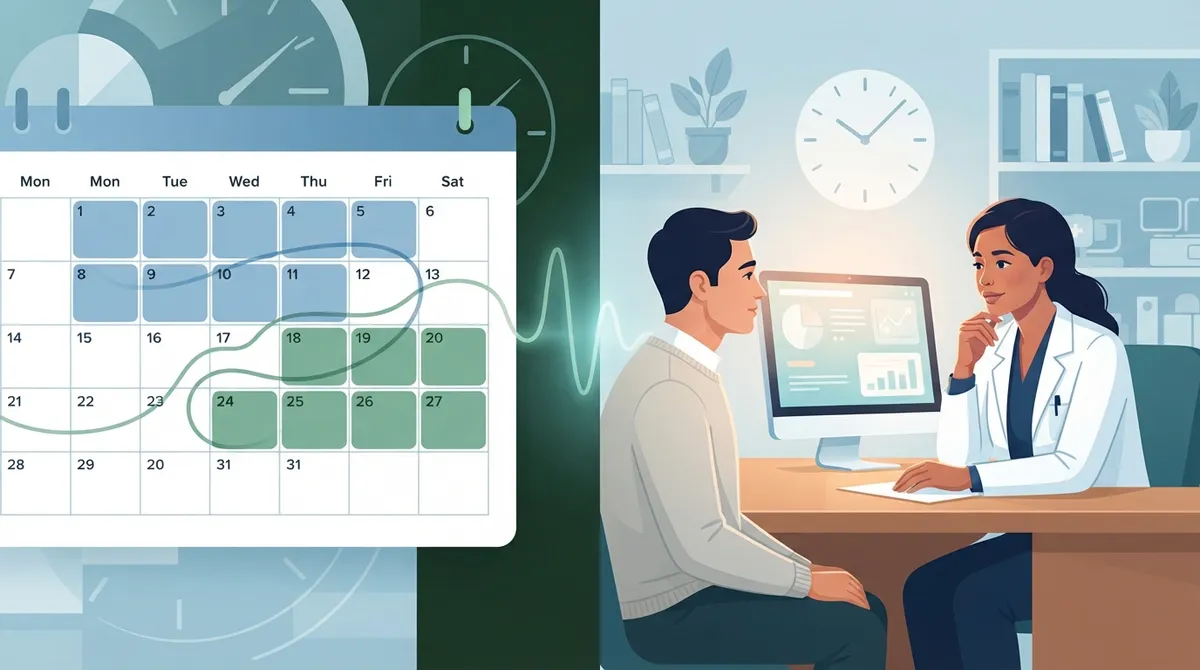
Schedule your first telehealth check-in 4-6 weeks after starting peptide therapy to assess response, side effects, and confirm correct dosing—skipping this step risks weeks of incorrect dosing.
-
Peptide check-in frequency varies by treatment type and stage: expect every 2-4 weeks during dose titration and every 3-6 months for maintenance, with GLP-1 treatments often requiring closer monitoring.
-
Lab testing follows a separate schedule from telehealth appointments, typically at baseline, 8-12 weeks after starting, then every 3-6 months—don't confuse appointment frequency with lab work timing.
-
Report severe symptoms like abdominal pain, vomiting, dehydration, allergic reactions, or low blood sugar signs immediately rather than waiting for your next scheduled appointment.
-
Ask your provider for a clear, individualized check-in plan before starting therapy; if they can't explain your specific schedule and how to reach them between visits, that's a red flag.
-
Growth hormone peptides require different monitoring protocols than other treatments, often needing more frequent IGF-1 testing and reassessment based on your provider's clinical judgment, not generic schedules.
So you’re starting peptide therapy and you’re wondering: how often are telehealth check-ins, really? You’re not alone. This is one of the most common questions we hear from new clients, and it’s a smart one to ask. Getting your follow-up schedule right can mean the difference between steady progress and frustrating plateaus. Let’s walk through exactly what to expect, and the mistakes that trip people up along the way.
Whether you’re optimizing your energy, chasing better sleep, recovering from an injury, or working toward weight loss goals, your check-in schedule shapes your entire experience. Skip too many, and your provider can’t catch problems early. Overdo it, and you might feel like you’re stuck in an endless loop of appointments that don’t fit your busy life. The good news? There’s a proven rhythm that works for most peptide protocols, and we’re breaking down the 14 biggest mistakes people make with it.
Mistake 1: Assuming Every Peptide Follows the Same Schedule
Here’s the truth: there is no single universal schedule for telehealth check-ins. Your ideal frequency depends on the specific peptide you’re using, your treatment goal, where you are in dose titration, your lab results, and your personal health history. A client using peptides for skin rejuvenation may need a very different rhythm than someone on a GLP-1 protocol for weight loss.
State telehealth requirements also play a role. Since Allura Longevity is licensed in Florida, Georgia, Texas, Connecticut, Indiana, Maryland, New York, and California, your provider tailors your plan not just to your biology, but to the rules in your state too. If you want a deeper look at how personalized these plans really are, check out How to Start Peptide Therapy Safely and See Real Results.

Mistake 2: Skipping Your First Follow-Up
Your first check-in matters more than you think. A common clinical pattern is scheduling that initial follow-up about 4 to 6 weeks after you start therapy. This isn’t just a formality. Your provider reviews how you’re responding, checks for side effects, confirms you’re taking your peptides correctly, and decides if your dose needs adjusting.
Skipping this step, or pushing it back, means you could be under-dosed or over-dosed for weeks without anyone noticing. That’s valuable time wasted. If you’re new to this process, our guide on 10 Peptide Treatment Facts to Know Before You Start covers what that first visit typically looks like.
Mistake 3: Expecting Weekly Visits During Titration
Some people assume they’ll need weekly appointments once they start adjusting doses. In reality, most dose-titration phases involve check-ins every 2 to 4 weeks, or monthly. This is especially true for GLP-1 receptor agonists, where your provider needs to monitor things like gastrointestinal effects, hydration, and how your body tolerates each dose increase.
Weekly visits aren’t usually necessary unless something unusual comes up. Trust your provider’s judgment on titration pacing rather than pushing for more frequent visits than clinically needed.
Mistake 4: Thinking Maintenance Means No More Check-Ins
Once you’ve reached a stable, well-tolerated dose, it’s tempting to think you’re done with appointments. Not quite. Maintenance-phase follow-ups typically happen every 3 to 6 months. Some providers prefer quarterly reviews, while lower-risk, stable patients might be seen a bit less often when appropriate.
These maintenance check-ins keep your treatment plan aligned with your evolving goals. Life changes, stress levels shift, and your body’s needs can too. Staying connected with your provider ensures your protocol keeps up with you.
A Quick Reference: Typical Check-In Timeline
| Treatment Phase | Typical Check-In Frequency | What’s Reviewed |
|---|---|---|
| Initial Follow-Up | 4-6 weeks after starting | Symptom response, side effects, adherence |
| Dose Titration | Every 2-4 weeks or monthly | Tolerance, GI effects, dose adjustments |
| Stable Maintenance | Every 3-6 months | Overall progress, goal alignment |
| Growth Hormone Peptides | Often more frequent | IGF-1 levels, symptom tracking |
Mistake 5: Ignoring the Difference Between Check-Ins and Lab Work
Your telehealth appointment schedule and your lab testing schedule are two separate things. Many people mix these up. Depending on your treatment, your provider may order glucose, HbA1c, kidney and liver function, lipid panels, thyroid markers, or IGF-1 testing at baseline and then periodically afterward.
Several provider protocols call for repeat labs around 8 to 12 weeks after your baseline test, then every 3 to 6 months during ongoing therapy when clinically appropriate. For patients on GLP-1 treatment with diabetes or prediabetes, HbA1c is commonly checked around every 3 months since it reflects your average blood sugar over that timeframe. Learn more about how labs guide dosing in our piece on 5 Blood Work Analysis Steps Before Peptides in 2026.
Mistake 6: Forgetting Growth Hormone Peptides Have Their Own Rules
If you’re using growth-hormone-related peptides or secretagogues, don’t assume your friend’s metabolic protocol schedule applies to you. These treatments often require repeat IGF-1 testing and more frequent reassessment. The right interval should always come from your prescribing clinician, not a generic clinic calendar.
This is a great example of why cookie-cutter plans don’t work well in peptide therapy. Your provider needs to individualize your monitoring based on how your body actually responds.
Mistake 7: Waiting for Your Next Appointment When Something Feels Off
This one is important. A responsible telehealth program gives you a clear way to report problems between scheduled visits. You should never wait for your next check-in if you experience:
- Severe abdominal pain or persistent vomiting
- Signs of dehydration
- Allergic symptoms like rash, swelling, or trouble breathing
- Confusion or unusual mental changes
- Signs of low blood sugar (shakiness, sweating, dizziness)
These symptoms need prompt medical attention, not a wait-and-see approach. Good providers make it easy to reach them quickly when something feels wrong.
Mistake 8: Assuming Refills Require No Follow-Up
Some people wonder if they can just keep refilling their peptide prescription without ever checking in again. Generally, no. Ongoing prescriptions typically require periodic follow-up to confirm the treatment is still working, still safe, and still the right fit for your goals.
This isn’t red tape for the sake of it. Regular check-ins catch small issues before they become bigger ones. They also give you a chance to talk through new goals, like adding a peptide for muscle recovery or exploring options in our guide on 14 Peptides for Muscle Gain Worth Knowing (2026).
Mistake 9: Not Preparing for Your Telehealth Visit
Showing up unprepared wastes everyone’s time. Here’s a simple checklist to get the most from every check-in:
- Track any side effects or symptoms since your last visit
- Note your energy, sleep, and mood patterns
- Bring recent lab results if you had testing done elsewhere
- Write down questions about dosing or timing
- Confirm your shipping address for your next peptide delivery
A little prep goes a long way toward getting personalized adjustments instead of generic advice.
Mistake 10: Believing Telehealth Means No Real Oversight
Some people worry that virtual care means less thorough monitoring than an in-person clinic. That’s simply not true when you work with a legitimate provider. Telehealth peptide therapy still requires proper lab work, a licensed provider reviewing your case, and a real treatment plan tailored to your blood work and goals.
The convenience of at-home care doesn’t mean cutting corners. If anything, it often means more consistent monitoring because appointments are easier to fit into your schedule. Curious how virtual care stacks up against in-person visits? See Local Clinic vs. Telehealth: Best Peptide Therapy Near You?.
Mistake 11: Overlooking State-Specific Requirements
Telehealth prescribing rules vary by state. What’s allowed in Texas may look different in New York or Connecticut. A trustworthy provider stays compliant with these rules and builds your check-in schedule around them.
This is another reason working with a licensed clinic matters so much. Allura Longevity operates in Florida, Georgia, Texas, Connecticut, Indiana, Maryland, New York, and California, meaning your care plan always follows the correct legal framework for where you live.
Mistake 12: Treating GLP-1 Follow-Ups Like Every Other Peptide
GLP-1 medications deserve special mention because they’re so popular for weight loss right now. These treatments often need closer monitoring during titration due to gastrointestinal side effects and glucose changes. Follow-up visits every 2 to 4 weeks during dose increases are common, tapering to less frequent visits once you’re stable.
GLP-1 Check-In Pattern at a Glance
| Stage | Frequency | Focus |
|---|---|---|
| Starting Dose | 4-6 weeks | Tolerance, side effects |
| Titration | Every 2-4 weeks | GI symptoms, dose increases |
| Stable Dose | Every 3 months | HbA1c, weight progress |
Want more detail on managing side effects during this process? Read What Causes GLP-1 Side Effects and How to Manage Them? or explore How to Understand GLP-1 Peptide Therapy in 2026 for the bigger picture. According to the National Library of Medicine, individualized monitoring remains essential for these treatments given their metabolic effects.
Mistake 13: Not Asking Questions About Peptide Basics
If you’re still fuzzy on what peptides actually are and how they work in your body, you’re not alone. Peptides are short chains of amino acids that act as messengers, telling your cells what to do. Understanding this basic concept helps you ask better questions during your check-ins. For a clear breakdown, see what are peptides or our own resource, 8 Facts That Explain What Are Peptides in 2026.
The more you understand, the more productive your telehealth visits become. You’ll ask sharper questions and catch things worth mentioning that you might otherwise skip.
Mistake 14: Choosing a Provider Without a Clear Check-In Plan
This might be the biggest mistake of all. Before starting any peptide protocol, ask your provider exactly how often you’ll be checked in on, how labs are scheduled, and how to reach someone if problems come up between visits. If they can’t answer clearly, that’s a red flag.
A trustworthy telehealth clinic builds transparency into every step. At Allura Longevity, care starts with a $50 virtual consultation, followed by blood work through LabCorp, and a customized six-month treatment plan. Ongoing monitoring and adjustments come from licensed providers, led by Ashley, a board-certified Family Nurse Practitioner. This structure is designed so you always know what’s coming next.
Whether you’re focused on peptides for women or peptides for men, having a clear check-in roadmap from day one sets you up for real, measurable progress.
Bringing It All Together
So, how often are telehealth check-ins for peptide therapy? The honest answer is: it depends, but there’s a reliable pattern. Expect your first follow-up around 4 to 6 weeks in, more frequent visits every 2 to 4 weeks during dose adjustments, and quarterly-to-biannual reviews once you’re stable. Lab testing follows its own separate rhythm based on your specific peptides and goals.
The most important thing? Never guess. Your provider should give you a clear, individualized schedule from the start, and make it easy to reach out if something feels off. That’s the standard of care every peptide therapy client deserves. If you’re ready to get a personalized plan built around your blood work, goals, and schedule, request a consultation with our licensed providers today. Spots are limited each month, so don’t wait to start your journey toward better energy, recovery, and vitality.
FAQs
Q: How soon after starting peptide therapy should my first telehealth follow-up occur?
A: Most providers schedule the first follow-up around 4 to 6 weeks after you start treatment. This visit checks how you’re responding, reviews any side effects, and confirms whether your dose needs adjusting. It’s an important early checkpoint, so try not to skip or delay it.
Q: Are peptide therapy check-ins weekly, monthly, or quarterly?
A: It really depends on your treatment stage. During dose titration, expect visits every 2 to 4 weeks or monthly. Once you’re stable, check-ins usually shift to every 3 to 6 months.
Q: How often do I need lab tests while taking peptide therapy?
A: Lab schedules are separate from your appointment schedule and vary by peptide. Many providers order repeat labs around 8 to 12 weeks after baseline, then every 3 to 6 months as needed. Your specific treatment and health history determine the exact timing.
Q: Can peptide therapy prescriptions be refilled without a telehealth follow-up?
A: Generally, no. Ongoing prescriptions typically need periodic check-ins to confirm your treatment is still safe and effective. Think of these visits as a chance to fine-tune your plan, not just a formality.
Q: What symptoms should I report between peptide therapy appointments?
A: Don’t wait for your next scheduled visit if you notice severe abdominal pain, persistent vomiting, dehydration, allergic reactions, confusion, or signs of low blood sugar. These need prompt attention right away. A good telehealth clinic makes it easy to reach someone quickly when this happens.





