
Key Takeaways
-
Only cord-blood hematopoietic stem cells are FDA-approved, strictly for blood disorders like leukemia—not for joint pain, aging, or wellness claims despite common marketing.
-
UC-MSCs (umbilical cord tissue) and Wharton's jelly treatments remain investigational; research shows promising signals in small studies but lacks large-scale clinical trials needed for firm conclusions.
-
Live stem cell infusions carry documented risks including infection, immune reactions, clotting, and unpredictable behavior, while synthetic peptides offer more predictable, precisely-dosed alternatives.
-
Red flags to avoid: clinics claiming 'cures' for arthritis or aging, guaranteeing results, or implying FDA approval simply from being listed in clinical trials without peer-reviewed evidence.
-
Peptide therapy offers a more established, personalized path for wellness goals like energy and recovery, with structure built around your actual blood work rather than generic injections.
-
Before choosing any regenerative clinic, verify FDA status, request product sourcing documentation, confirm licensed provider oversight, and ask about ongoing lab monitoring to protect your money and health.
If you have spent any time researching regenerative medicine, you have probably seen bold claims about umbilical cord stem cell therapy. Maybe a friend mentioned it for their joint pain, or you saw an ad promising it could turn back the clock on aging. We get it. The idea of a treatment made from a newborn’s umbilical cord sounds almost magical. But here is the thing: the real story is more complicated, and a lot more interesting, than the marketing hype suggests.
This article breaks down what umbilical cord stem cell therapy actually is, how it connects to peptide therapy, and why understanding the difference matters for your health and your wallet. Whether you are a busy professional exploring wellness options or a biohacker who wants the real data, we are going to walk through this together in plain language. No scare tactics, no overselling. Just the facts you need to make a smart decision.

1. What Umbilical Cord Stem Cell Therapy Actually Means
The term “umbilical cord stem cell therapy” is not one single product. It is an umbrella phrase that covers several very different things. Some are FDA-approved. Most are still experimental. Knowing the difference protects you from wasted money and false hope.
Here are the main categories you will encounter:
- Cord-blood hematopoietic stem cells, which are approved for specific blood disorders
- Umbilical-cord-tissue mesenchymal stromal cells (UC-MSCs), which remain investigational
- Wharton’s jelly-derived cells, a gel-like substance inside the cord, also investigational
- Secretomes and extracellular vesicles secreted by these cells, an emerging research area
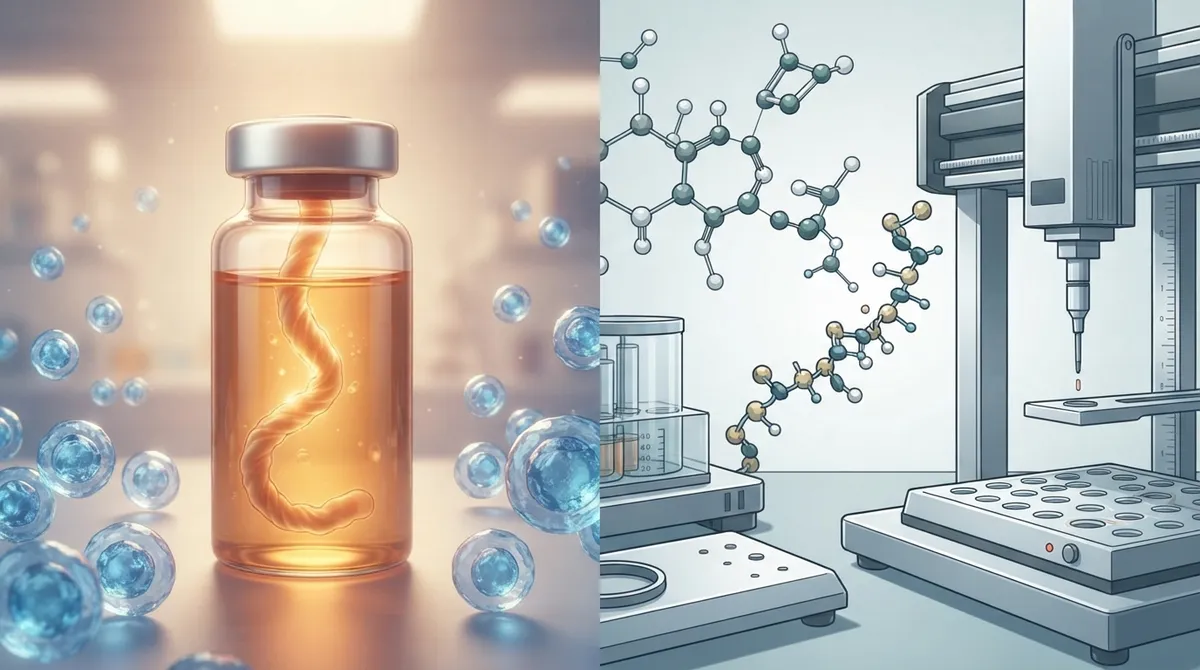
- Synthetic peptides designed to mimic some of these signaling effects

2. The Only FDA-Approved Use You Should Know About
According to the FDA’s consumer guidance on regenerative medicine, the only broadly approved stem-cell products are cord-blood-derived hematopoietic progenitor cells. These are used strictly for disorders that affect blood-cell production, like certain leukemias and blood disorders.
That approval does not extend to joint pain, anti-aging, autoimmune conditions, or general wellness. If a clinic tells you otherwise, that is a red flag worth taking seriously.
3. Why UC-MSCs Are Different From Cord Blood Stem Cells
Cord blood and cord tissue are not the same thing, even though they come from the same birth event. Cord blood is the blood left in the umbilical cord and placenta after delivery. Cord tissue, including Wharton’s jelly, is the actual structural material of the cord.
UC-MSCs are prized by researchers because they can be collected without invasive procedures and may have anti-inflammatory and tissue-supporting properties. But “may have” is the key phrase. Much of this research is still in early stages, according to a review published in the National Library of Medicine.
Quick Comparison Table
| Product Type | FDA Status | Typical Research Use |
|---|---|---|
| Cord blood hematopoietic cells | Approved for blood disorders | Leukemia, blood cancers |
| UC-MSCs (cord tissue) | Investigational | Inflammation, sepsis, diabetes research |
| Wharton’s jelly cells | Investigational | Orthopedic and wound research |
| MSC-derived peptides/secretomes | Research stage | Cell-free signaling studies |
4. How This Connects to Peptide Therapy
This is where things get relevant for anyone interested in 8 Facts That Explain What Are Peptides in 2026. Researchers are studying the peptides, secretomes, and extracellular vesicles that MSCs naturally secrete. The idea is that some of the benefits people associate with stem cells might actually come from these smaller signaling molecules, not the cells themselves.
That distinction matters a lot. Injecting living stem cells carries real risks like infection, immune reaction, and unpredictable behavior. Working with well-studied, synthetic peptides is a very different approach, one with a much longer track record in clinical use for specific, well-defined goals.
5. What the Research Actually Shows So Far
Let’s look at the numbers, because they tell a more nuanced story than marketing pages usually do.
- A 2024 systematic review of preclinical sepsis studies included 26 studies and 1,258 animals. UC-MSC treatment showed lower mortality (odds ratio 0.26), but no study was rated low-risk across all quality measures.
- A 2025 review of UC-MSC therapy for diabetes included 8 controlled trials with 334 patients total. Average HbA1c dropped by 1.06 percentage points, but researchers called for larger, multicenter studies before drawing firm conclusions.
- A 2025 review of 160 orthopedic regenerative medicine publications found only 59 met eligibility criteria, split between PRP, MSCs, peptide therapies, and biomimetic approaches. The authors said standardization is still lacking, especially for peptide-based treatments.
Notice a pattern? Promising results, small sample sizes, and repeated calls for more research. That is the honest state of the science right now.
6. Conditions Where Claims Often Outpace Evidence
Marketing materials sometimes suggest umbilical cord products can reverse aging, cure chronic pain, regrow cartilage, or fix neurological disease. None of these claims are backed by FDA approval or robust, peer-reviewed clinical trials at this time.
Here is a list of claims that deserve extra scrutiny:
- “Reverses aging” or “turns back your biological clock”
- “Cures” arthritis, chronic pain, or autoimmune disease
- “Regenerates” damaged organs or nerve tissue
- “Replaces” the need for peptide therapy or standard medical care
- “Guaranteed results” language of any kind
7. Safety Considerations You Should Not Skip
Live-cell stem cell infusions carry real risks that responsible clinics will always disclose upfront. These include infusion reactions, fever, infection from contamination, immune responses, and even clotting or embolic events in rare cases.
A 2025 systematic review on intravascular UC-MSC administration, published in Stem Cells Translational Medicine, examined safety data across multiple trials. While overall risks appeared manageable in supervised settings, the researchers emphasized that long-term effects remain uncertain and product quality varies widely between providers.
Key Safety Questions to Ask Any Provider
- Is this product FDA-approved, or is it investigational?
- Where does the cell or peptide source come from, and how is it tested?
- Is this treatment part of a registered clinical trial?
- What screening and sterility testing does the product undergo?
- What are the documented risks, and how are complications handled?
8. Why Peptide-Based Approaches Appeal to Wellness Seekers
For people already investing in preventive care and holistic wellness, synthetic and well-researched peptides offer a more predictable path than experimental stem cell products. Peptides used in supervised protocols are dosed precisely, monitored closely, and tied to measurable lab markers rather than vague promises.
This is a major reason telehealth peptide therapy has grown so popular among longevity-focused patients. You get structure, oversight, and a plan built around your actual blood work, not a one-size-fits-all injection.
9. How Allura Longevity Approaches Personalized Care
At Allura Longevity, the focus stays on evidence-informed, medically supervised peptide therapy rather than unproven cell-based treatments. Every client starts with a simple, affordable $50 virtual consultation and completes blood work through LabCorp. From there, licensed providers, led by board-certified Family Nurse Practitioner Ashley, build a custom six-month plan based on your actual results.
This approach supports goals like better energy, improved sleep, muscle recovery, metabolism, and skin rejuvenation, all without relying on experimental cell infusions. If you want to explore peptides for women or peptides for men, the process starts with real data about your body, not guesswork.
10. Steps to Evaluate Any Regenerative Therapy Clinic
Before committing money or time to any stem cell or peptide clinic, walk through this checklist.
- Confirm whether the therapy is FDA-approved or clearly labeled investigational
- Ask if the clinic participates in a registered clinical trial with IRB oversight
- Request documentation on product source, testing, and donor screening
- Look for licensed medical providers overseeing your treatment plan
- Check whether ongoing lab monitoring is part of the process
- Ask about total costs upfront, including follow-up visits
- Read reviews and verify state licensing where you live
According to the FDA’s patient guidance on regenerative therapies, clinics should never imply that being listed in a clinical trial database or having IRB approval proves a treatment works. Those are process safeguards, not proof of efficacy.
11. Peptide Therapy as a Complementary, Not Competing, Option
It is worth repeating: peptide therapy and umbilical cord stem cell therapy are not interchangeable. Peptides are short chains of amino acids that signal specific processes in your body, as explained well by WebMD’s overview of what are peptides. Some peptides, like BPC-157, are studied for tissue support and recovery, while others target metabolism, growth hormone pathways, or sexual wellness.
If you are curious about specific options, you might explore 9 BPC-157 Peptide Facts to Know Before You Start or learn how to use CJC-1295 peptide safely for real results. These are established, well-documented protocols, a very different conversation from experimental cell infusions.
12. Common Mistakes People Make When Researching This Topic
Let’s be honest, this space is confusing, and even smart, careful people get tripped up. Here are mistakes worth avoiding:
- Assuming all “stem cell” products are the same or equally regulated
- Trusting testimonials over peer-reviewed clinical data
- Skipping questions about product sourcing and sterility
- Believing a clinical trial listing automatically means a treatment is proven
- Ignoring the difference between cell-based and peptide-based approaches
If you want a deeper dive into avoiding costly missteps, check out 9 Stem Cell Therapy Mistakes That Waste Your Money.
13. Making a Confident, Informed Decision
At the end of the day, this comes down to asking good questions and trusting evidence over hype. Umbilical cord stem cell therapy remains a fascinating area of research, especially where it intersects with peptide science through secretomes and extracellular vesicles. But it is not a magic cure, and it is not currently approved for the wellness goals most people are chasing.
Peptide therapy, on the other hand, offers a more established, personalized path for people focused on energy, recovery, metabolism, and healthy aging. If you are ready to start with real lab data instead of guesswork, our team can walk you through how to start peptide therapy safely and see real results.
Bringing It All Together
We know this is a lot of information, so let’s recap the big picture. Umbilical cord stem cell therapy covers a wide range of products, only one of which has broad FDA approval, and that approval is limited to specific blood disorders. Everything else, including UC-MSCs and Wharton’s jelly treatments, remains investigational. The connection to peptide therapy is real but still developing, centered on cell-secreted peptides and signaling molecules rather than live-cell infusions.
If your goal is better energy, improved sleep, healthy weight management, or graceful aging, personalized peptide therapy delivered through telehealth offers a safer, more transparent, and more established path forward. Allura Longevity has built its entire model around this idea: real blood work, licensed oversight, and a plan tailored to you, not a generic injection with unproven promises.
Spots for new clients open up each month, and they tend to fill quickly. If you are ready to talk to a licensed provider about your goals, request a consultation today, or call (813) 510-6277 to get started. Your future self will thank you for asking the right questions now.
FAQs
Q: What is umbilical cord stem cell therapy?
A: It’s an umbrella term for several different products made from cord blood or cord tissue, including approved blood-disorder treatments and investigational mesenchymal stromal cells. They are not all the same, and knowing the difference really matters before you consider treatment.
Q: Is umbilical cord stem cell therapy FDA-approved for pain or anti-aging?
A: No, and this is important to know. The FDA only broadly approves cord-blood hematopoietic stem cells for blood disorders, not for pain, aging, or general wellness use.
Q: How does peptide therapy relate to umbilical cord stem cells?
A: Researchers are studying peptides and secretomes that stem cells naturally release, which may explain some of the benefits without the risks of live-cell injections. This is still an emerging area, but it’s a much gentler entry point than experimental cell infusions.
Q: Are stem-cell-derived peptides safer than live stem cell injections?
A: Generally, yes, cell-free approaches like peptides tend to carry fewer risks than injecting living cells, which can trigger immune reactions or infections. That said, both areas still need more large-scale clinical research to fully confirm safety and effectiveness.
Q: How can I tell if a stem cell or peptide clinic is legitimate?
A: Ask if the treatment is FDA-approved or investigational, request sourcing and testing documentation, and confirm licensed medical providers oversee your care. If a clinic can’t answer these questions clearly, that’s a sign to look elsewhere.





