

Key Takeaways
-
Estrogen replacement therapy directly replaces declining estrogen to treat menopause symptoms like hot flashes, vaginal dryness, and sleep disruption, while peptide therapy works differently to support energy and metabolism and cannot substitute for estrogen deficiency treatment.
-
Before starting hormone therapy, get comprehensive blood work to check hormone levels, review your full health history with a licensed provider, and establish a monitoring schedule—skipping these steps increases risk of complications.
-
Estrogen therapy comes in multiple forms (oral pills, transdermal patches, topical creams, vaginal suppositories) that can be matched to your specific symptoms and lifestyle, requiring personalized provider guidance rather than one-size-fits-all treatment.
-
Estrogen replacement therapy provides significant bone density protection linked to osteoporosis prevention, which is a direct benefit peptides cannot replicate and often justifies the treatment's risks, especially when started near menopause onset.
If you’re staring down menopause symptoms or just trying to understand your hormone options, you’ve probably typed “estrogen replacement therapy” into a search bar late at night. You’re not alone. Hot flashes, sleepless nights, and that weird brain fog can make anyone want clear answers fast. This guide breaks down what estrogen replacement therapy actually does, how it fits alongside peptide therapy, and what real facts you need before talking to a provider. We’ll keep things simple, honest, and genuinely useful, whether you’re a busy professional squeezing in research between meetings or a wellness seeker who wants to go deeper than supplements alone.
At Allura Longevity, we work with people every day who are figuring out where estrogen therapy fits and where peptide therapy might help too. Let’s walk through the facts together, no confusing medical jargon required.

1. What Estrogen Replacement Therapy Actually Means
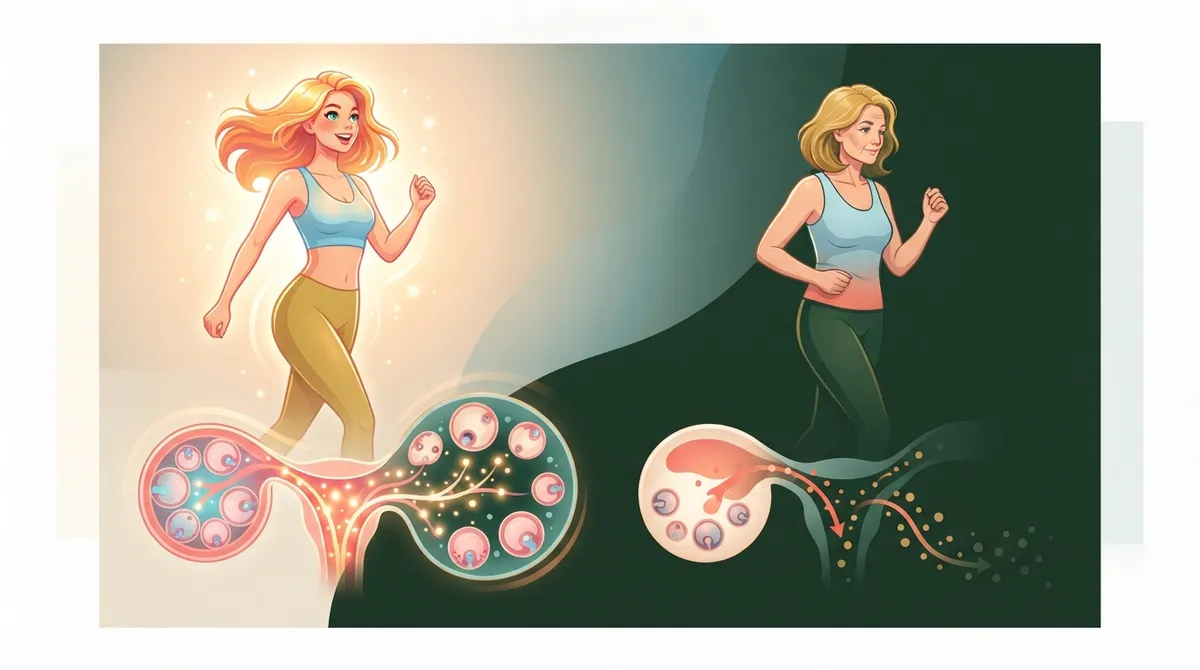
Estrogen replacement therapy, often called ERT, is a type of hormone treatment. It gives your body estrogen it no longer makes enough of, usually during or after menopause. This is different from peptide therapy, which uses small protein molecules to signal your body to do things on its own, like what are peptides and how they work explains in more detail.
Think of it this way: estrogen therapy refills the tank. Peptides tap the engine and say “hey, get back to work.” Both can matter for how you feel, but they aren’t interchangeable.
2. Why Estrogen Levels Drop in the First Place
As women approach menopause, the ovaries slow down and eventually stop making estrogen. This shift usually happens between ages 45 and 55, though it varies person to person. Lower estrogen can trigger hot flashes, mood swings, vaginal dryness, and sleep trouble.
Your body isn’t broken. It’s just going through a natural transition. But that doesn’t mean you have to grit your teeth through it.
3. The Symptoms ERT Is Designed to Treat
Estrogen replacement therapy targets specific menopause symptoms. Here are the most common ones it addresses:
- Hot flashes and night sweats
- Vaginal dryness and discomfort during intercourse
- Mood changes tied to hormone shifts
- Sleep disruption caused by night sweats
- Bone density loss linked to estrogen decline
If any of these sound familiar, you’re far from alone. Millions of women deal with these symptoms every year.
4. How ERT Differs From Combined Hormone Therapy
Not all hormone therapy is the same. There are two main types, and picking the right one depends on your health history.
- Estrogen-only therapy: Usually prescribed for women who’ve had a hysterectomy (no uterus).
- Combined estrogen-progestogen therapy: Used when the uterus is still present, since progestogen helps protect the uterine lining.
This distinction matters a lot. Giving estrogen alone to someone with a uterus can raise other health risks, so providers tailor the approach carefully.
5. The Different Forms of Estrogen Therapy
Estrogen replacement therapy isn’t a one-size-fits-all pill. According to clinical resources, it comes in several forms:
| Form | How It’s Used | Common For |
|---|---|---|
| Oral estrogen | Daily pill | General symptom relief |
| Transdermal patch | Applied to skin, changed weekly | Women wanting steady hormone levels |
| Topical cream | Applied directly to skin or vaginal area | Localized symptoms like dryness |
| Vaginal suppository | Inserted vaginally | Vaginal-specific symptoms |
Your provider will help match the form to your symptoms, lifestyle, and preferences. There’s no wrong answer here, just what fits your body best.
6. Real Numbers Behind Hormone Therapy Use
Data helps put things in perspective. Here’s what recent research shows about hormone therapy trends:
- About 44% of postmenopausal women report ever using hormone replacement therapy.
- Roughly 22% report current use, based on CDC and NHANES data.
- A 2024 report noted less than 4% of U.S. women aged 50 to 59 used hormone therapy for menopause symptoms.
- Overall use among women 40 and older dropped to just 1.8% in 2023.
- Use fell from 6% to 3.6% among women aged 50 to 54 between 2007 and 2023.
These numbers show a big shift over the last two decades. Many women are more cautious, more informed, and asking more questions before starting hormone therapy. That’s a good thing.
7. Where Peptide Therapy Fits Into the Picture
Here’s where things get interesting for anyone exploring options beyond traditional ERT. Peptide therapy doesn’t replace estrogen. It works differently, often supporting energy, sleep, recovery, and metabolism through separate pathways. Some peptides are explored for hormonal balance support, as covered in guides on the National Library of Medicine database.
Many people use peptide protocols alongside estrogen therapy rather than instead of it. If your goal is treating estrogen deficiency symptoms directly, ERT remains the established, primary option. Peptides can complement that plan by targeting other areas like energy or tissue repair, similar to how our guide on best hormone therapy peptides for women breaks down.
8. Risks and Side Effects Worth Knowing
No treatment is without tradeoffs. Estrogen replacement therapy carries some risks you should discuss openly with your provider. Common concerns include:
- Increased risk of blood clots in some individuals
- Potential impact on breast tissue with long-term use
- Higher risk profile for women with certain health histories
- Need for regular monitoring through blood work and checkups
This isn’t meant to scare you. It’s meant to help you make an informed choice with a licensed provider who knows your full health picture.
9. Bone Health and Long-Term Benefits
One thing ERT does well is protect bone density. Estrogen plays a big role in maintaining strong bones, and its decline is linked to higher osteoporosis risk. For women concerned about long-term bone health, this benefit often outweighs the risks, especially when therapy starts closer to menopause onset.
This is one area where estrogen therapy has a clear, direct job that peptides simply aren’t designed to do.
10. Steps to Take Before Starting Any Hormone Therapy
Before jumping into estrogen replacement therapy or any hormone protocol, here’s a simple path to follow:
- Get comprehensive blood work done to check hormone levels.
- Talk through your full symptom list with a licensed provider.
- Review your personal and family health history together.
- Discuss which form of therapy fits your lifestyle best.
- Set a follow-up schedule to monitor progress and adjust as needed.
Skipping steps rarely ends well with hormone therapy. Testing first means fewer surprises later.
11. How Telehealth Makes This Easier Than Ever
Not everyone has time to sit in a waiting room for hours. That’s exactly why telehealth models have grown so much. At Allura Longevity, clients start with a simple $50 virtual consultation, complete labs through LabCorp, and get a personalized six-month plan shipped straight to their door.
Ashley, our board-certified Family Nurse Practitioner, leads care with ongoing monitoring and adjustments along the way. This model works especially well for busy professionals and health optimizers who want expert guidance without the scheduling headache. Learn more about how to start peptide therapy safely and see real results before committing to any plan.
Making Sense of Your Hormone Options
Estrogen replacement therapy and peptide therapy aren’t competitors. They’re different tools for different jobs. Estrogen fills a specific gap left by menopause. Peptides support broader wellness goals like energy, recovery, and metabolic health, as explored in our piece on how to pick peptides for energy that actually work.
The best approach usually starts with good data. Blood work tells you what’s actually happening in your body, not just what symptoms suggest. From there, a licensed provider can help map out whether ERT, peptide therapy, or a combination fits your goals.
Building a Plan That Actually Fits Your Life
Everyone’s hormone journey looks a little different. Aging adults may prioritize bone health and vitality. Biohackers might want detailed lab tracking alongside any hormone protocol. Wellness seekers often want a plan that layers naturally onto what they’re already doing.
Whatever your starting point, working with a provider who actually listens matters. That’s the whole idea behind personalized, blood-work-based treatment plans rather than generic prescriptions handed out without context.
Ready to get real answers about your hormone health? You can request a consultation with our licensed providers and start with the labs and guidance that actually fit your body. Spots are limited each month, so don’t wait too long if you’re ready to feel like yourself again.
FAQs
Q: What is estrogen replacement therapy in menopause care?
A: It’s a hormone treatment that gives your body estrogen it stops producing during menopause. It helps ease hot flashes, vaginal dryness, and sleep troubles that come with the transition. Think of it as refilling a hormone your ovaries used to make naturally.
Q: How is estrogen replacement therapy different from peptide therapy?
A: Estrogen therapy directly replaces a hormone your body isn’t making enough of anymore. Peptide therapy uses signaling molecules to nudge your body’s own systems into action, which is a totally different mechanism. They can work together, but one doesn’t substitute for the other.
Q: Can peptides replace estrogen therapy?
A: Not really, at least not for treating estrogen deficiency symptoms directly. Peptides support other goals like energy, recovery, and metabolism, but they aren’t designed to replace declining estrogen levels or protect bone density the way ERT does.
Q: What are the risks and side effects of estrogen replacement therapy?
A: Some people face a higher risk of blood clots or changes in breast tissue with long-term use. That’s why regular monitoring and honest conversations with your provider matter so much. Everyone’s risk profile looks different based on personal and family health history.
Q: Does estrogen replacement therapy help with bone loss and osteoporosis?
A: Yes, this is actually one of its strongest benefits. Estrogen plays a big role in keeping bones strong, so replacing it can help slow bone density loss. This is especially helpful when therapy starts closer to the beginning of menopause.





