

Key Takeaways
-
Tirzepatide produces greater average weight loss than semaglutide in clinical trials: -20.2% vs -13.7% at 72 weeks, with fewer gastrointestinal side effects requiring treatment discontinuation (2.7% vs 5.6%).
-
Obesity qualifies for prescription peptide treatment only if you have a BMI of 30+ or 27+ with weight-related conditions like high blood pressure or type 2 diabetes; it must be combined with lifestyle changes, not used alone.
-
FDA-approved peptides like Wegovy and Zepbound undergo safety and effectiveness review before marketing, while compounded peptides do not; verify your prescriber, pharmacy, and product source before starting compounded options.
-
Peptide therapy requires gradual dose escalation over several weeks and long-term commitment since weight often returns after stopping treatment, reflecting obesity’s chronic nature similar to diabetes or hypertension.
-
Common gastrointestinal side effects like nausea, diarrhea, and constipation typically appear during dose increases and ease over time; eating smaller meals, staying hydrated, and avoiding greasy foods can significantly reduce discomfort.
-
Safety screening must include assessment of gallbladder health, pancreatitis risk, kidney function, and family history of medullary thyroid cancer before starting GLP-1 or GIP peptide therapy.
If you have tried every diet, every workout plan, and every trendy supplement, and the weight still will not budge, you are not alone. Millions of people struggle with obesity, and it is not because they lack willpower. Obesity is a complex medical condition, and treating it often takes more than diet and exercise alone. That is where modern obesity treatment comes in, especially peptide-based options like semaglutide and tirzepatide, which have changed the conversation around sustainable weight loss.
Whether you are a busy professional squeezing in health goals between meetings, a wellness seeker who already eats clean but wants better results, or someone simply tired of yo-yo dieting, this guide is for you. We will walk through what peptide-based obesity treatment really is, how it works, what the research says, and what to expect if you decide to try it. Let’s get into the ten facts that matter most.

1. Obesity Treatment Now Centers on Incretin Peptides
The biggest shift in obesity treatment over the past few years has been the rise of incretin-based peptides. These include GLP-1 receptor agonists like semaglutide and liraglutide, and the dual GIP/GLP-1 agonist tirzepatide. These are not random supplements. They are prescription medications that mimic hormones your body already makes.
These peptides work by influencing appetite, slowing digestion, and improving how your body handles blood sugar. If you want a deeper explanation of the science, check out this guide on how to understand GLP-1 peptide therapy in 2026. Understanding the biology helps you see why these treatments feel so different from older weight-loss pills.
2. FDA-Approved Options Are Different From Compounded Peptides
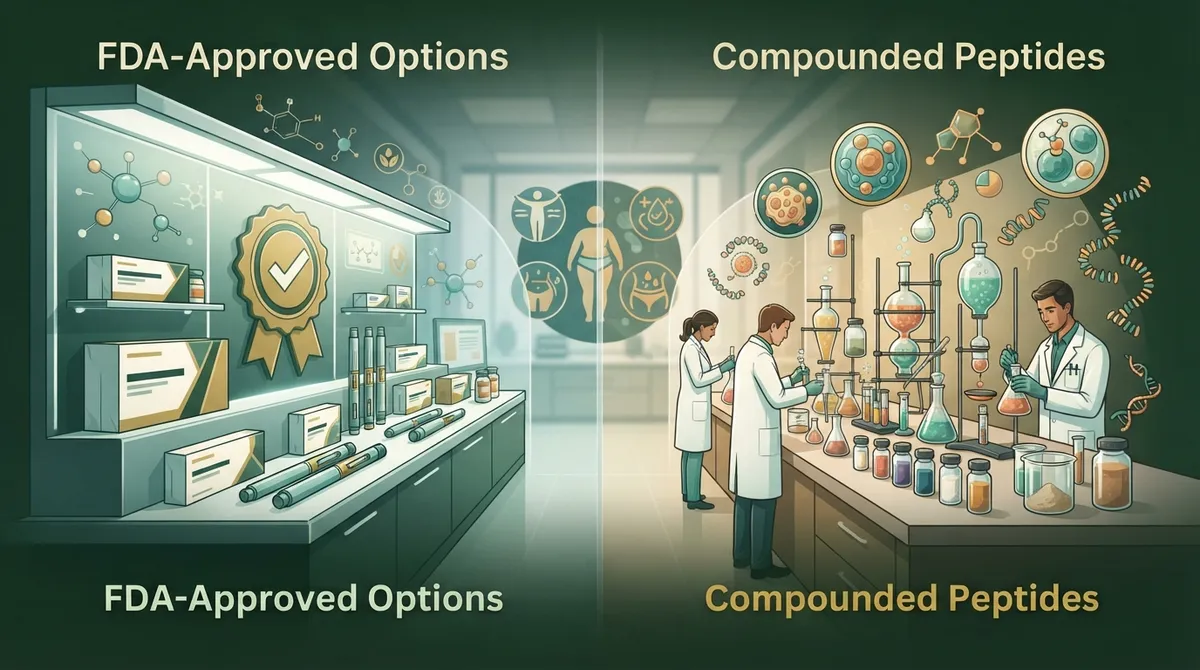
Here is something every reader should know before starting treatment. Wegovy (semaglutide 2.4 mg) and Zepbound (tirzepatide) are FDA-approved for chronic weight management. Zepbound received its approval on November 8, 2023, for adults with obesity or overweight adults who also have a weight-related condition.
Compounded peptides, on the other hand, are not reviewed by the FDA for safety or effectiveness before they hit the market. That does not automatically mean they are unsafe, but it does mean you need to be more careful about where you get them. Learn more about the difference in this breakdown of FDA-approved vs. compounded peptides.
Quick Comparison: Approved vs. Compounded Peptides
| Feature | FDA-Approved (e.g., Wegovy, Zepbound) | Compounded Peptides |
|---|---|---|
| Regulatory Review | Reviewed for safety and effectiveness | Not reviewed before marketing |
| Dosing Consistency | Standardized manufacturing | Varies by pharmacy |
| Source Verification | Traceable supply chain | Requires careful vetting |
| Typical Use | Long-term chronic weight management | Varies; should be prescribed and monitored |
3. Who Actually Qualifies for Peptide-Based Obesity Treatment
Not everyone who wants to lose a few pounds needs prescription peptide therapy. Current guidelines suggest these treatments are appropriate for adults with a BMI of 30 or higher, or a BMI of 27 or higher with a weight-related condition like high blood pressure, high cholesterol, or type 2 diabetes.
A 2025 obesity-pharmacotherapy guideline recommends combining medication with health-behavior changes for people who meet these criteria. This is not a shortcut. It is a medical tool meant to work alongside better habits, not replace them entirely.
4. Semaglutide vs. Tirzepatide: What the Research Shows
If you have been comparing these two peptides, you are asking a smart question. Both are effective, but recent head-to-head data gives us a clearer picture.
- In the SURMOUNT-5 trial, tirzepatide produced an average weight change of -20.2% at 72 weeks, compared to -13.7% with semaglutide.
- That translated to roughly 22.8 kg lost with tirzepatide versus about 15.0 kg with semaglutide, on average.
- A 2024 systematic review found placebo-subtracted weight reductions of about 15.0% for tirzepatide and 12.9% for semaglutide.
- Gastrointestinal side effects leading to stopping treatment were actually lower with tirzepatide (2.7%) than semaglutide (5.6%) in the SURMOUNT-5 trial.
These numbers are averages from clinical trials, not guarantees. Your results will depend on your dose, your consistency, and your lifestyle support. For a closer look at how these two stack up, read GLP-1 vs. dual-agonist peptides: which wins for metabolic health.
Trial Results at a Glance
| Trial or Review | Semaglutide Result | Tirzepatide Result |
|---|---|---|
| SURMOUNT-5 (72 weeks) | -13.7% average weight change | -20.2% average weight change |
| 2024 Systematic Review | 12.9% placebo-subtracted reduction | 15.0% placebo-subtracted reduction |
| STEP Trials (ICER review) | 14.4% to 17.4% weight loss at ~1 year | N/A (SURMOUNT trials used instead) |
| SURMOUNT-1 (72 weeks) | N/A | 17.8% placebo-subtracted reduction |
5. Peptide Therapy Starts Low and Builds Gradually
One thing that surprises many new patients is how slowly treatment begins. Doses of semaglutide and tirzepatide start low and increase gradually over several weeks. This approach helps your body adjust and reduces the chance of uncomfortable side effects.
If you are just getting started, this article on how to start peptide therapy safely and see real results walks through what the first few months typically look like. Patience during this phase really does pay off.
6. Side Effects Are Real, But Usually Manageable
Let’s be honest about this part. The most common side effects of GLP-1 and GIP peptides are gastrointestinal. Think nausea, mild vomiting, diarrhea, constipation, or a general upset stomach.
These symptoms tend to show up most during dose increases and often ease over time. Simple strategies like eating smaller meals, staying hydrated, and avoiding greasy foods can make a big difference. For more detailed tips, see what causes GLP-1 side effects and how to manage them.
7. Safety Screening Matters More Than You Might Think
Before starting any peptide-based obesity treatment, a licensed provider should review your full medical history. This includes checking for gallbladder issues, pancreatitis risk, kidney health, and any personal or family history of medullary thyroid carcinoma or MEN 2, since GLP-1-based medicines carry a thyroid C-cell tumor warning.
Providers also need to know about your current medications, mental health history, and whether you might be pregnant. This is exactly why Allura Longevity begins every client relationship with blood work through LabCorp and a virtual consultation. It is not extra paperwork. It is how your provider makes sure the treatment fits your body safely.
8. Obesity Is a Chronic Condition, So Treatment Is Long-Term
Here is a fact that surprises a lot of people. Weight often returns after stopping semaglutide or tirzepatide. That is not a personal failure. It simply reflects that obesity behaves like a chronic condition, similar to high blood pressure or diabetes.
This is why ongoing care matters so much. A six-month treatment plan with regular check-ins and dose adjustments gives your body time to adapt while your provider watches your progress closely. Nutrition, movement, and behavioral support all play a role in keeping results steady over time.
Steps for Long-Term Weight Maintenance
- Continue medical monitoring even after reaching your goal weight.
- Keep a consistent eating pattern rich in protein and fiber.
- Stay physically active most days of the week.
- Address sleep quality and stress, which both affect weight regulation.
- Discuss with your provider whether a maintenance dose makes sense for you.
For more on building sustainable habits alongside treatment, take a look at how to lose weight with peptide therapy in 2026.
9. Compounded Peptides Require Extra Caution
Because compounded semaglutide and tirzepatide are not FDA-reviewed the same way brand-name versions are, it is important to verify the source. Ask about the prescriber, the pharmacy, the exact product and dose, and its current regulatory status.
Working with a licensed telehealth provider that follows careful sourcing and monitoring protocols can help protect you from unreliable products. This is one reason patients trust peptides for women and peptides for men programs backed by real medical oversight rather than unverified online sellers.
10. The Best Results Come From Personalized Plans, Not Guesswork
Obesity treatment is not one-size-fits-all. Your ideal dose, timeline, and support plan depend on your labs, your health history, and your goals. That is the whole idea behind personalized peptide therapy delivered through telehealth.
At Allura Longevity, treatment starts with a simple $50 virtual consultation and blood work through LabCorp. From there, a licensed provider, led by board-certified Family Nurse Practitioner Ashley, builds a customized six-month plan just for you. Your peptides arrive at your door, and your care team stays with you through every dose adjustment. According to the National Library of Medicine, individualized treatment planning is a key factor in long-term obesity management success.
If you want to explore what these treatments actually are on a biological level before you commit, this primer on what are peptides is a great starting point. And if you are curious how peptides fit into broader wellness goals beyond weight, this article on 7 Facts That Get Peptide Therapy Explained (2026) covers the basics clearly.
Why Telehealth Makes This Easier
Busy schedules should not stand between you and better health. Telehealth care lets you meet with a licensed provider, get your labs done locally, and receive your medication at home. No waiting rooms, no long commutes, just consistent care that fits your life.
If you have wondered whether virtual care can really compare to an in-person clinic, this comparison of local clinic vs. telehealth for peptide therapy breaks down the pros and cons honestly. For many people, especially those juggling demanding careers, telehealth ends up being the more consistent option.
Signs You Might Be a Good Candidate
- You have a BMI of 30+, or 27+ with a related health condition.
- You have tried diet and exercise changes without lasting success.
- You want medical supervision, not a guessing game.
- You are ready for a long-term approach, not a quick fix.
- You want convenient at-home care with real provider support.
Allura Longevity is currently accepting new clients in Florida, Georgia, Texas, Connecticut, Indiana, Maryland, New York, and California, but spots are limited each month. If you are ready to talk to a licensed provider about whether peptide-based obesity treatment is right for you, request a consultation today and take the first step toward a plan built around your body, your labs, and your goals.
You can also call (813) 510-6277 to speak with the team directly and get your questions answered before you decide anything.
FAQs
Q: How do peptide therapies help with obesity and weight loss?
A: Peptides like semaglutide and tirzepatide mimic hormones your body already makes to control appetite and blood sugar. They help you feel fuller longer, slow digestion, and support steady, gradual weight loss when paired with healthy habits. Think of them as a helpful nudge, not a magic switch.
Q: What is the difference between semaglutide and tirzepatide for obesity treatment?
A: Both are effective, but tirzepatide targets two hormone pathways instead of one, which often leads to slightly greater average weight loss in trials. In the SURMOUNT-5 study, tirzepatide users lost about 20.2% of body weight compared to 13.7% with semaglutide. Your provider can help decide which fits your health profile best.
Q: Who qualifies for prescription peptide-based weight-loss treatment?
A: Generally, adults with a BMI of 30 or higher, or 27 or higher with a related condition like high blood pressure or type 2 diabetes, are good candidates. A licensed provider will confirm eligibility using your blood work and health history. It is always a personalized decision, never a blanket approval.
Q: Does weight return after stopping semaglutide or tirzepatide?
A: It can, and that is completely normal since obesity is considered a chronic condition. This is why ongoing monitoring, nutrition support, and sometimes a maintenance dose are so important. Long-term success really comes from a sustained plan, not a one-time treatment.
Q: Are compounded semaglutide and tirzepatide safe and legal?
A: Compounded peptides are not reviewed by the FDA the same way brand-name medications are, so quality can vary between providers. It is important to verify the prescriber, pharmacy, and product before starting treatment. Working with a licensed telehealth clinic adds an important layer of safety and accountability.





