

Key Takeaways
-
GnRH agonists like leuprolide and goserelin are proven peptide-based treatments that can reduce endometriosis pain by suppressing estrogen, but they cause side effects like bone loss and are limited to short-term use with medical supervision and add-back hormone therapy.
-
Newer oral GnRH antagonists like elagolix improved menstrual pain in 72% of patients versus 20% with placebo, but these are small-molecule drugs, not peptides, and don't carry the initial hormone flare that agonists cause.
-
Experimental peptide therapies targeting lesions directly show promising results in animal studies (2-2.6 fold reduction in lesion growth), but these findings haven't translated to human clinical trials yet, so they remain unproven.
-
Popular wellness peptides like BPC-157, KPV, and thymosin alpha-1 lack robust human clinical trials proving they treat endometriosis specifically—avoid providers guaranteeing lesion elimination or pain relief from these unproven compounds.
-
Before starting any peptide or hormone treatment, ask your provider whether it has completed phase 3 human trials, what side effects require monitoring, and how it affects your fertility goals to separate proven medicine from marketing hype.
-
Current endometriosis treatment goals focus on reducing pain and inflammation, slowing lesion growth, protecting fertility, and improving quality of life—no approved treatment fully cures the condition, making a multidisciplinary approach with a specialist essential.
If you live with endometriosis, you’ve probably searched online at 2 a.m. wondering if some new peptide could finally fix the pain. You’re not alone. About 10% of women and girls of reproductive age deal with this condition worldwide, according to the National Library of Medicine. That’s roughly 190 million people, all hoping for better answers. With peptide therapy trending everywhere from anti-aging clinics to fitness forums, it’s natural to wonder if it holds promise for endometriosis too. The honest answer is a little more complicated than a quick fix. Some peptide-related hormone therapies are well established. Others are still in early research stages. This guide breaks down what’s real, what’s promising, and what’s simply hype, so you can make informed choices with your healthcare team.

What Endometriosis Treatment Is Really Trying to Achieve
Endometriosis happens when tissue similar to the uterine lining grows outside the uterus. This tissue can attach to the ovaries, fallopian tubes, or other pelvic organs. It causes inflammation, pain, and sometimes fertility struggles.
Right now, there’s no approved treatment that cures endometriosis completely. Instead, treatment goals focus on a few key things:
- Reducing pain and inflammation
- Slowing lesion growth or recurrence
- Protecting fertility for those who want children
- Improving day-to-day quality of life
Understanding these goals helps you evaluate any new treatment, including peptide-based options, with realistic expectations.
Two Very Different Meanings of “Peptide” Treatment
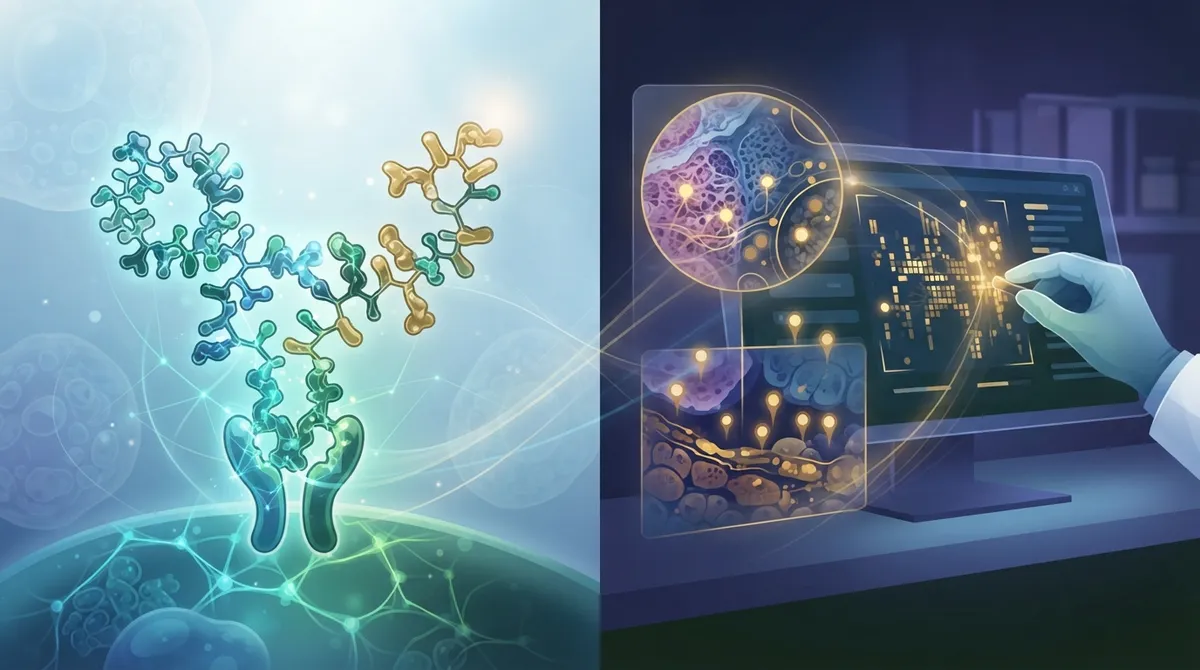
Here’s where a lot of confusion starts. When people say “peptide treatment for endometriosis,” they could mean two very different things.
The first meaning refers to established hormonal drugs that work through peptide hormone pathways. These include GnRH agonists like leuprolide and goserelin. These medications have been used for decades and are backed by solid clinical research.
The second meaning refers to experimental peptide therapeutics. These are newer compounds being studied in labs, like lesion-targeting peptides or peptide nanoparticles. They’re exciting, but they haven’t been proven safe or effective in large human trials yet.
Knowing the difference matters. It helps you avoid confusing a proven medical treatment with an unproven wellness trend. If you want a deeper primer on how peptides work in the body generally, this guide on what peptides are is a great starting point.
How GnRH Agonists Work for Endometriosis
GnRH agonists like leuprolide and goserelin are technically peptide-based drugs. They mimic a natural hormone in your body. At first, they cause a temporary surge in estrogen. Then they shut down ovarian estrogen production almost completely.
This drop in estrogen can shrink endometriosis lesions and ease pain significantly. But there’s a tradeoff. Low estrogen levels can cause side effects like:
- Hot flashes
- Vaginal dryness
- Mood changes
- Bone density loss over time
Because of these risks, doctors usually limit how long you can stay on GnRH agonists. Many providers pair them with “add-back therapy,” which means giving small doses of hormones to protect your bones while still controlling symptoms. This requires careful monitoring, something a licensed medical provider should always oversee.
GnRH Agonists vs GnRH Antagonists: What’s the Difference?
Newer oral medications like elagolix and relugolix-based treatments are often lumped into “peptide therapy” conversations. But that’s not quite accurate. These are actually small-molecule GnRH antagonists, not peptide drugs.
Here’s a simple comparison to clear things up:
| Treatment Type | Drug Class | Administration | Key Trait |
|---|---|---|---|
| Leuprolide, Goserelin | GnRH Agonist (peptide) | Injection | Initial flare, then suppresses estrogen |
| Elagolix, Relugolix | GnRH Antagonist (small molecule) | Oral pill | Direct estrogen suppression, no flare |
In pivotal trials, the higher-dose elagolix regimen improved menstrual pain in about 72% of participants compared to 20% with placebo after three months. Nonmenstrual pelvic pain improved in 55% to 58% of users versus 37% with placebo, according to research published in the New England Journal of Medicine (Taylor et al., 2017). These are strong results, but they come from a non-peptide drug class. It’s important not to confuse this with injectable wellness peptides marketed elsewhere.
What Experimental Peptide Research Is Exploring
Scientists are genuinely excited about newer peptide approaches for endometriosis. These aren’t available as approved treatments yet, but the research is worth understanding.
- Lesion-targeting peptides: These are designed to find and bind directly to endometriotic tissue, potentially delivering treatment right where it’s needed.
- Peptide nanoparticles: Tiny carriers that can transport genetic material or drugs into lesion cells, aiming to shrink growths from the inside.
- Cell-penetrating peptides: These can slip into cells and disrupt the processes that let endometriosis tissue grow and spread.
- Immune-modulating peptides: These aim to help your immune system recognize and clear abnormal tissue more effectively.
A 2023 preclinical study tested an RGD1-R6 peptide carrier delivering anti-VEGFA siRNA in animal models. Researchers saw about a twofold reduction in experimental implant growth compared to controls. A follow-up 2025 study using CXCR4-targeted peptide nanoparticles reported a 2.6-fold reduction in implant volume in rats. These numbers sound promising, but they come from animal studies, not human trials. Results in mice or rats don’t always translate to people.
Why Compounds Like BPC-157 Aren’t Proven Endometriosis Treatments
If you’ve spent time in wellness or biohacking circles, you’ve likely heard of BPC-157, KPV, or thymosin alpha-1. These peptides are popular for recovery and gut health discussions, but they are not approved or proven treatments for endometriosis.
There’s no robust phase 3 clinical trial showing that these compounds shrink lesions, cure endometriosis, or reliably reduce pain in humans with this condition. Most existing evidence for these peptides comes from lab studies, animal models, or research on completely different health conditions. If you’re curious about how BPC-157 works generally, this peptide facts guide offers a clear breakdown of its known research and limitations.
Be cautious of any provider or product claiming guaranteed lesion elimination, fertility improvement, or pain relief from these unproven compounds. Real medical evidence matters, especially with something as complex as endometriosis.
Evidence-Based Options Worth Discussing With Your Provider
Endometriosis care isn’t one-size-fits-all. It depends on your symptoms, your age, and whether you’re hoping to conceive. Here are approaches with solid clinical backing:
- NSAIDs and other pain relievers for symptom management
- Combined hormonal contraceptives to regulate cycles
- Progestogen therapy to reduce lesion activity
- GnRH agonists or antagonists for moderate to severe cases
- Specialist surgery to remove visible lesions
- Fertility treatment if pregnancy is a goal
- Pelvic floor therapy for chronic pain support
- Multidisciplinary pain management programs
A good provider will walk through these options with you, weighing benefits and risks based on your personal health history and goals.
Questions to Ask Before Trying Any Peptide-Related Treatment
Before starting any hormone therapy or experimental peptide protocol, it helps to ask a few key questions. This keeps you informed and protects your long-term health.
- Is this treatment backed by human clinical trials, or only lab and animal studies?
- What side effects are common, and how will they be monitored?
- How does this fit with my fertility goals?
- Will I need blood work or bone density scans during treatment?
- Is this treatment FDA-approved, or is it considered experimental or compounded?
Asking these questions helps separate solid science from marketing hype. It’s the same approach we recommend for anyone starting peptide therapy safely for any wellness goal.
Where Allura Longevity Fits Into Your Wellness Journey
At Allura Longevity, we understand that endometriosis is a medical condition requiring specialized gynecologic care. While we don’t claim to cure or treat endometriosis directly with peptides, we specialize in personalized peptide therapy for broader wellness goals like energy, hormone balance, metabolism, and recovery support.
Our approach starts with a $50 virtual consultation and thorough blood work through LabCorp. From there, our licensed providers, led by board-certified Family Nurse Practitioner Ashley, build a customized six-month plan tailored to your labs and goals. Everything ships straight to your door, with ongoing monitoring along the way. If you’re managing endometriosis alongside other wellness concerns like fatigue, hormone imbalance, or recovery needs, our peptide therapy for women programs may complement the specialized gynecologic care you’re already receiving.
We’re proud to offer telehealth care across Florida, Georgia, Texas, Connecticut, Indiana, Maryland, New York, and California. Spots fill up fast each month, so if you’re ready to explore what personalized peptide support could look like for your overall health, now’s a great time to reach out.
Staying Safe While Exploring New Peptide Research
It’s exciting to follow new peptide research, especially when it comes to conditions as challenging as endometriosis. But excitement shouldn’t replace caution. Here’s how to stay safe:
- Always verify claims against peer-reviewed studies, not just marketing pages
- Ask if a treatment has completed phase 3 human trials
- Work with licensed providers who can monitor labs and adjust your plan
- Be wary of compounded peptides marketed as cures without FDA backing
- Remember that animal study results don’t guarantee human outcomes
The what are peptides resource from WebMD offers a helpful overview if you want to understand the basics before diving deeper into specific protocols.
The Bottom Line on Endometriosis and Peptide Therapy
Endometriosis treatment has two peptide-related paths right now. One path includes proven GnRH agonist drugs like leuprolide and goserelin, which have decades of research behind them. The other path includes exciting but early-stage experimental peptides that show promise in labs and animal studies, not yet in humans.
Newer oral options like elagolix aren’t peptides at all, but they’ve shown strong results in real clinical trials. Meanwhile, popular wellness peptides like BPC-157 simply don’t have the evidence to support endometriosis-specific claims yet.
Your best path forward is working closely with a specialist who understands both the condition and the honest state of the research. If you’re also interested in exploring personalized peptide therapy for overall wellness goals like energy, recovery, or hormone support, our team at Allura Longevity is here to help. You can request a consultation to see how a customized plan might fit into your health journey, alongside the specialized care your endometriosis deserves.
FAQs
Q: Can peptide therapy treat or cure endometriosis?
A: Right now, no peptide therapy is proven to cure endometriosis. Established GnRH agonist peptides can reduce pain and lesion activity, but they don’t eliminate the disease. Experimental peptides show promise in lab studies, but we’re just not there yet with solid human evidence.
Q: Are BPC-157, KPV, or thymosin alpha-1 proven treatments for endometriosis?
A: Not yet, and it’s important to be honest about that. These peptides have interesting research in other areas, but there’s no robust clinical trial showing they treat endometriosis specifically. If you hear guaranteed claims about these compounds curing lesions, that’s a red flag worth questioning.
Q: Are leuprolide and goserelin peptide therapies, and how do they work?
A: Yes, they’re both peptide-based drugs called GnRH agonists. They work by shutting down your body’s estrogen production after an initial hormone surge. This helps shrink endometriosis lesions, though side effects like bone density loss mean they’re usually used for limited periods under medical supervision.
Q: What is the difference between GnRH agonists and newer GnRH antagonist treatments?
A: GnRH agonists like leuprolide are peptide injections that cause an initial flare before suppressing estrogen. Newer GnRH antagonists like elagolix are oral pills, not peptides, that block hormone signals directly without that initial flare. Both can help, but they work through different mechanisms.
Q: Is peptide therapy safe for people with endometriosis who are trying to conceive?
A: This really depends on the specific treatment and your fertility timeline. GnRH agonists typically pause ovulation, so they’re not compatible with active conception attempts. Always discuss your fertility goals openly with your provider before starting any hormone or peptide-based protocol.





