

Key Takeaways
-
Most popular muscle-building peptides lack FDA approval for muscle growth and evidence is thinner than marketing suggests; only tesamorelin is FDA-approved, but for HIV-related fat loss, not muscle building.
-
Increasing growth hormone through peptides doesn't automatically translate to meaningful strength or muscle gains in healthy adults; progressive resistance training, adequate protein, and quality sleep remain the primary drivers of muscle growth.
-
Unregulated peptide sources carry serious risks including inaccurate labeling, contamination, incorrect concentrations, and sterility issues; working with licensed providers using quality compounded pharmacies is essential for safety.
-
Growth-hormone-axis peptide therapies can cause fluid retention, joint discomfort, carpal tunnel symptoms, blood sugar changes, sleep apnea worsening, and headaches; long-term safety data for many peptides remains limited.
-
Athletes subject to drug testing should avoid most muscle-related peptides as the World Anti-Doping Agency prohibits growth hormone, growth-hormone-releasing factors, and secretagogues both during and outside competition.
-
Personalized peptide protocols require comprehensive blood work, individual health assessment, and ongoing medical monitoring; generic online protocols rarely account for unique biology, making trustworthy licensed providers crucial.
If you’ve spent any time scrolling wellness forums or chatting with your gym buddies, you’ve probably heard whispers about peptide therapy for muscle growth. Maybe someone mentioned ipamorelin, or you saw an ad for a peptide that promises to “unlock” your body’s natural growth hormone. It’s exciting stuff, and we get why you’re curious. Building lean muscle isn’t just about looking good. It’s about feeling strong, staying independent as you age, and having the energy to keep up with your life.
Here’s the thing though: this topic is full of hype, half-truths, and products that sound way more magical than they actually are. Some peptides do interact with your growth hormone and IGF-1 pathways, and there’s real science behind a few of them. But many popular “muscle-building peptides” you’ll find online aren’t approved for that use, and the evidence behind them is thinner than a lot of marketing suggests. We want to walk you through what’s actually known, what’s still murky, and how to think about this safely and smartly. Whether you’re a busy professional chasing better recovery or someone focused on healthy aging, this guide is for you.
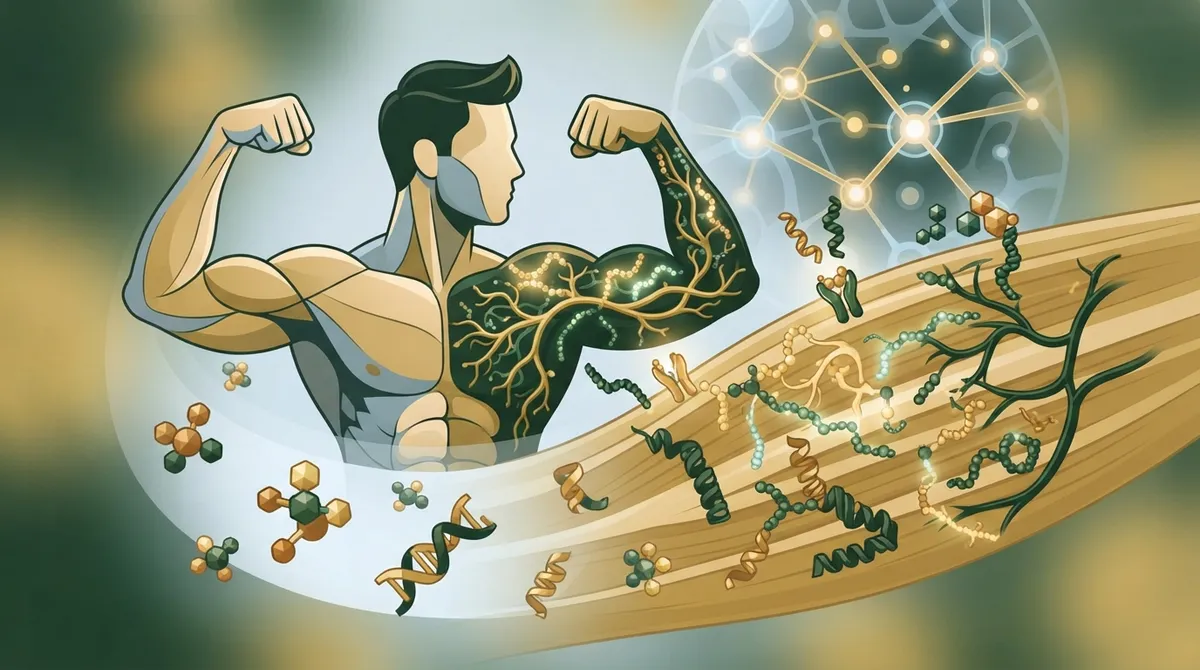
What Does Peptide Therapy for Muscle Growth Actually Mean?
Peptide therapy for muscle growth isn’t one single treatment. It’s really an umbrella term. It covers several different types of compounds that may influence your body’s growth hormone levels, tissue repair processes, or muscle-related signaling pathways.
Some of these are growth-hormone-releasing peptides. Others are tissue-repair peptides used for injury recovery. And some are experimental research compounds with very little human data behind them. Understanding these differences is the first step to making a smart, safe decision. You can learn more about the basics in this guide on what peptides actually are before diving deeper into muscle-specific options.
Growth Hormone Secretagogues and GHRH Analogues
This category includes some of the most talked-about names: ipamorelin, CJC-1295, sermorelin, GHRP-2, GHRP-6, hexarelin, and ibutamoren (also called MK-677). These compounds work by encouraging your pituitary gland to release more growth hormone.
Sounds great, right? More growth hormone should mean more muscle. But here’s the catch: increasing growth hormone doesn’t automatically translate into meaningful strength gains or lean mass increases in healthy adults. The relationship is more complicated than simple marketing claims suggest.
Tissue Repair and Recovery Peptides
BPC-157 and TB-500 (sometimes called thymosin beta-4 fragments) are popular in recovery circles. People use them hoping to bounce back faster from workouts or injuries. If you’re curious about this specific compound, our article on TB-500 peptide facts breaks down what’s currently understood.
These peptides don’t have FDA approval for human use in muscle building or recovery. Most of what we know comes from animal studies, small trials, or anecdotal reports. That doesn’t mean they’re useless, but it does mean the evidence is far from settled.
The Only FDA-Approved Option: Tesamorelin
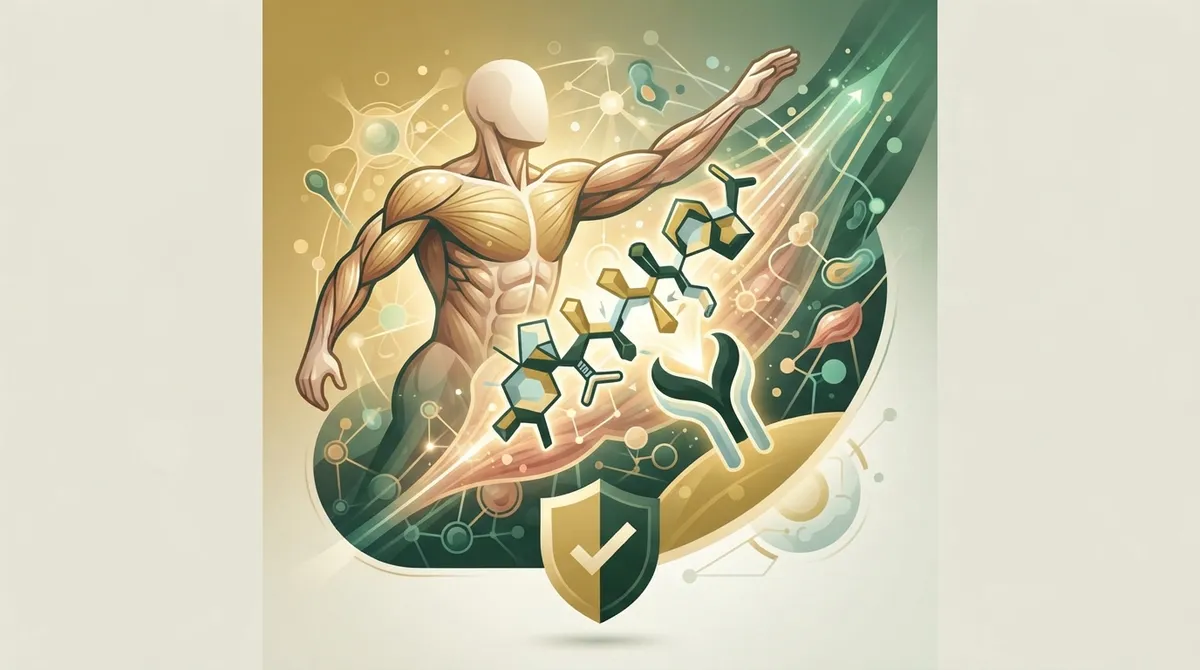
Let’s talk about the one peptide in this conversation that actually has FDA approval. Tesamorelin is a growth-hormone-releasing hormone analogue. But here’s the important part: its approved use is for reducing excess abdominal fat in adults with HIV-associated lipodystrophy, not for building muscle or bodybuilding.
In clinical trials, tesamorelin showed reductions in visceral fat over about 26 weeks, based on imaging studies. These trials weren’t designed to test muscle growth or athletic performance. Using tesamorelin for general muscle gain would be considered off-label, meaning it requires careful medical supervision and honest conversations with your provider.
| Peptide | FDA Approval Status | Approved Use | Muscle Growth Evidence |
|---|---|---|---|
| Tesamorelin | FDA-approved | HIV-associated lipodystrophy (abdominal fat) | Not studied for muscle building; off-label if used this way |
| Sermorelin | Not FDA-approved for muscle growth | None specific to muscle | Limited human evidence |
| Ipamorelin | Not FDA-approved | None | Mechanistic data only |
| CJC-1295 | Not FDA-approved | None | Limited, mostly anecdotal |
| BPC-157 | Not FDA-approved | None | Animal and small-study data |
Why Growth Hormone Doesn’t Guarantee Bigger Muscles
This is where a lot of confusion happens. People assume that if a peptide raises growth hormone, muscle growth is a done deal. But your body is more nuanced than that.
Growth hormone and IGF-1 do play roles in tissue growth and repair. However, actual functional strength and lean mass gains depend on many other factors working together. Resistance training, protein intake, sleep quality, and hormonal balance all matter more than most people realize.
According to the WebMD overview on peptides, these compounds can influence various bodily functions, but their effects vary widely depending on the specific peptide and individual health factors. That’s exactly why cookie-cutter protocols rarely work well.
Potential Risks You Should Know About
We believe in giving you the full picture, not just the exciting parts. Growth-hormone-axis therapies carry some real risks worth understanding before you consider them.
- Fluid retention: Swelling or puffiness, especially in hands and feet
- Joint and muscle discomfort: Some users report aching or stiffness
- Carpal tunnel symptoms: Tingling or numbness in the hands
- Blood sugar changes: Potential insulin resistance or elevated glucose levels
- Sleep apnea concerns: Possible worsening in people already at risk
- Headaches: Reported in some clinical contexts
Research published in the National Library of Medicine highlights that long-term safety data for many popular peptides remains limited. This is a big reason why medical supervision matters so much.
The Problem With Unregulated Peptide Sources
Here’s something we wish more people understood before buying peptides online. Products from unregulated suppliers can have serious quality problems.
- Inaccurate labeling that doesn’t match what’s actually in the vial
- Contamination from improper manufacturing processes
- Incorrect concentration, meaning you might get too much or too little
- Sterility issues that increase infection risk
- Poor storage conditions that degrade the product before it even reaches you
Compounded drugs, which many peptide clinics use, are not FDA-approved for safety or effectiveness before they reach the market. That means product quality depends heavily on the pharmacy and the oversight behind it. This is exactly why working with a licensed, transparent provider matters so much. If you want to understand this landscape better, check out our guide on how to get prescription peptides safely.
What About Athletes and Drug Testing?
If you compete in sports at any level, this section is especially important for you. The World Anti-Doping Agency, or WADA, places growth hormone, growth-hormone-releasing factors, growth-hormone secretagogues, and related substances under prohibited categories. These are banned both during competition and outside of it.
Many of the popular muscle-related peptides fall into this prohibited list. If you’re an athlete subject to testing, please talk to a specialist before considering any peptide protocol. The consequences of a positive test can affect your career and reputation in ways that aren’t worth the risk.
The Foundation Still Matters Most
We want to be honest with you: no peptide replaces the basics. Evidence-based muscle growth still depends primarily on a few core habits that haven’t changed in decades.
- Progressive resistance training: Your muscles need consistent, increasing challenge to grow
- Adequate protein intake: Your body needs building blocks to repair and build tissue
- Sufficient calories: You can’t build muscle in a significant calorie deficit
- Quality sleep: This is when much of your recovery and hormone regulation happens
- Consistent recovery time: Muscles grow during rest, not just during workouts
Peptide therapy, when used appropriately, might support these efforts. But it should never be presented as a substitute or a magic shortcut. If your foundation isn’t solid, no peptide protocol will make up the difference.
How Allura Longevity Approaches Muscle-Related Peptide Therapy
At Allura Longevity, we take a thoughtful, evidence-informed approach to peptide therapy. We don’t believe in one-size-fits-all protocols or overhyped promises. Instead, every treatment plan starts with a virtual consultation and comprehensive blood work through LabCorp.
Our licensed providers, led by board-certified Family Nurse Practitioner Ashley, review your individual health picture before recommending anything. This means we look at your hormone levels, metabolic markers, and overall health goals together. From there, we build a personalized six-month plan tailored specifically to you, with peptides delivered right to your door.
We also provide ongoing monitoring throughout your treatment. This isn’t a “set it and forget it” service. Your provider adjusts your plan as your body responds and your goals evolve. If muscle recovery and tissue repair are part of your goals, our resource on peptides for muscle gain worth knowing offers a deeper dive into options that may fit your situation.
Questions to Ask Before Starting Any Peptide Protocol
Before committing to any peptide therapy, arm yourself with the right questions. This protects both your health and your wallet.
| Question | Why It Matters |
|---|---|
| Is this peptide FDA-approved for my intended use? | Helps you understand if you’re using it on or off-label |
| What blood work will monitor my safety? | Ensures your provider is tracking relevant health markers |
| Where does the peptide come from? | Confirms sourcing quality and regulatory oversight |
| What side effects should I watch for? | Prepares you to recognize problems early |
| How will my plan be adjusted over time? | Shows whether care is personalized or generic |
A trustworthy clinic will answer these questions clearly and without hesitation. If a provider seems evasive or rushes you into a purchase, that’s a red flag worth paying attention to.
Finding the Right Fit for Your Goals
Muscle growth goals look different for everyone. A biohacker tracking every metric wants different data than someone simply hoping to feel stronger in daily life. That’s why personalized care matters so much in this space.
Whether your focus is recovery after intense training, supporting healthy aging, or simply optimizing your overall wellness, working with licensed medical providers ensures your plan actually fits your body. Generic protocols pulled from online forums rarely account for your unique blood work, health history, or lifestyle.
We’re proud to offer telehealth services nationwide, with licensing in Florida, Georgia, Texas, Connecticut, Indiana, Maryland, New York, and California. This means quality, personalized care is more accessible than ever, without requiring you to sit in a waiting room.
Your Next Step Toward Informed Muscle Support
Peptide therapy for muscle growth is a fascinating and evolving field, but it’s not something to approach casually. The evidence varies widely by compound, the risks are real, and quality sourcing matters enormously. The good news is you don’t have to navigate this alone.
Our team at Allura Longevity is here to help you understand your options with honesty and care. We start with real blood work, build a plan around your actual health data, and provide ongoing support from licensed providers who genuinely want to see you thrive. Spots are limited each month, so if you’re ready to explore whether peptide therapy fits your goals, now is a great time to reach out.
Ready to get personalized guidance from a provider who actually looks at your numbers before recommending anything? Request a consultation today and let’s build a plan that fits your body and your goals.
FAQs
Q: Do peptide therapies actually increase muscle mass or strength?
A: Some peptides may influence growth hormone levels, but that doesn’t automatically mean bigger muscles or more strength. The strongest evidence for muscle growth still comes from resistance training, good nutrition, and proper recovery, with peptides potentially playing a supportive role in some cases.
Q: Is ipamorelin FDA approved for muscle growth?
A: No, ipamorelin is not FDA-approved for muscle growth or any other use. It’s often used off-label, and while it may influence growth hormone secretion, robust evidence for meaningful muscle gains in healthy adults is limited.
Q: What’s the difference between tesamorelin, sermorelin, ipamorelin, and CJC-1295?
A: Tesamorelin is the only one with FDA approval, specifically for reducing abdominal fat in people with HIV-associated lipodystrophy. Sermorelin, ipamorelin, and CJC-1295 are all growth-hormone-releasing peptides used off-label, with varying levels of research behind each one.
Q: Are BPC-157 and TB-500 approved for human use?
A: No, neither BPC-157 nor TB-500 currently have FDA approval for human therapeutic use. Most available evidence comes from animal studies or small research trials, so if you’re considering them, it’s worth having an honest conversation with a licensed provider first.
Q: Are muscle-growth peptides banned in sports?
A: Many are! The World Anti-Doping Agency prohibits growth hormone, growth-hormone-releasing factors, and related secretagogues both in and out of competition. If you’re a tested athlete, please talk to a specialist before trying any peptide protocol.





