

Key Takeaways
-
Bremelanotide (Vyleesi) is the only FDA-approved peptide for low libido, approved for premenopausal women with acquired HSDD, and works on brain desire pathways rather than just blood flow.
-
Clinical trial data shows bremelanotide produces modest results: 25% of women saw meaningful improvement versus 17% on placebo, so realistic expectations matter before starting treatment.
-
Vyleesi is administered as an on-demand self-injection at least 45 minutes before intimacy, limited to one dose per 24 hours and eight doses monthly, requiring advance planning.
-
Nausea occurs in about 40% of users, with additional risks of flushing, headache, injection-site reactions, temporary blood pressure increases, and potential skin darkening with repeated use.
-
Kisspeptin and other peptides show promise in early research but remain investigational; avoid unregulated online peptide products without FDA oversight and inconsistent dosing standards.
-
Low libido requires comprehensive evaluation of hormones, thyroid, medications, sleep, stress, and relationship factors—not just a peptide prescription—for lasting, effective results.
If your desire for intimacy has quietly faded, you are far from alone. Low libido affects women and men at every stage of life, and it can feel frustrating to talk about, let alone fix. The good news is that science has made real progress here, especially with peptide therapy. This guide walks you through what actually works, what is still experimental, and how to find a safe path forward with a licensed provider by your side.
We will keep things simple and honest. There is one FDA-approved peptide for low sexual desire in women, and there are other peptides still being studied. Understanding the difference matters for your health and your wallet. Let’s break it all down together, warmly and without the confusing medical jargon.
What Are Peptides, and Why Do They Matter for Libido?
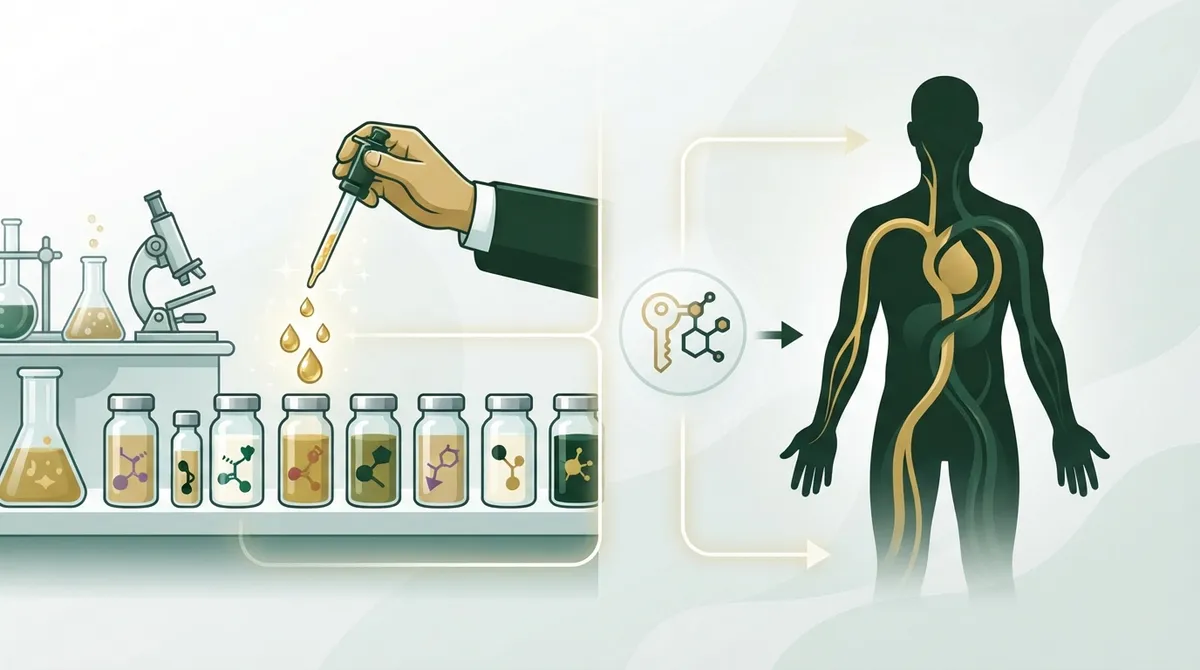
Peptides are tiny chains of amino acids, the building blocks of protein. Think of them as messengers that tell your cells what to do. Some peptides help with muscle repair, some help with sleep, and others send signals related to desire and arousal. If you want a deeper dive into the basics, check out this helpful explainer on 8 Facts That Explain What Are Peptides in 2026.
For sexual wellness specifically, peptides can act on the brain’s desire pathways rather than just blood flow. This is a big difference from older treatments that focus mainly on physical response. Understanding this distinction helps you set realistic expectations before starting any treatment.

The Only FDA-Approved Peptide for Libido: Bremelanotide (Vyleesi)
Right now, bremelanotide, sold under the brand name Vyleesi, is the only peptide approved by the FDA specifically for low sexual desire. It received approval back in June 2019, and it targets a very specific condition called hypoactive sexual desire disorder, or HSDD, in premenopausal women.
Bremelanotide is a synthetic peptide that works on melanocortin receptors in the brain. Instead of increasing blood flow like some older treatments, it works higher up, on the desire and motivation centers of the brain itself. That is a meaningful difference for many women whose main struggle is a lack of interest, not physical response.
Who Is Vyleesi Approved For?
The FDA approval is specific. Vyleesi is meant for premenopausal women with acquired, generalized HSDD. In plain English, that means:
- Your low desire developed after previously having a healthy libido (acquired).
- It happens across all situations and partners, not just one specific relationship (generalized).
- The low desire causes real distress or strain in your relationships.
- The cause is not another medical condition, medication, or relationship problem.
It is important to know that bremelanotide is not approved for men, postmenopausal women, general sexual enhancement, or erectile dysfunction. It targets desire, not every aspect of sexual performance.
How Is Vyleesi Used?
Vyleesi comes as a subcutaneous injection you give yourself under the skin. Here is how the dosing typically works:
- You take a 1.75 mg dose at least 45 minutes before you expect to be intimate.
- You can use only one dose in any 24-hour period.
- The label limits use to no more than eight doses per month.
- If you see no improvement after eight weeks, your provider will likely recommend stopping treatment.
This on-demand approach is different from a daily pill. It gives you flexibility, but it also means planning ahead a little before intimacy.
Vyleesi Clinical Results: What the Data Actually Shows
Let’s talk numbers, because you deserve honest expectations, not hype. In clinical trials submitted to the FDA, about 25% of women taking bremelanotide saw a meaningful improvement in their sexual desire score. Compare that to about 17% of women on placebo. That is a real but modest difference, not a miracle cure.
Here is a simple breakdown of the most commonly reported side effects from those trials:
| Side Effect | Reported Frequency |
|---|---|
| Nausea | About 40% |
| Flushing | About 20% |
| Injection-site reactions | About 13% |
| Headache | About 11% |
| Vomiting | About 4.8% |
Nausea is the most common complaint, and some women find it improves with repeated use. Bremelanotide can also temporarily raise blood pressure. It is not recommended for anyone with uncontrolled high blood pressure or known heart disease. Some patients also notice skin darkening with repeated use, so this is something to discuss openly with your provider before starting.
What About Kisspeptin and Other Libido Peptides?
You may have heard whispers about kisspeptin online. This is a naturally occurring hormone-signaling peptide that plays a role in the reproductive system. Early research is genuinely interesting.
In early 2023, small proof-of-concept studies looked at kisspeptin in 32 premenopausal women and 32 men, all diagnosed with HSDD. Researchers observed changes in brain activity and behavior related to sexual response compared with placebo. That sounds promising, but here is the honest truth: these were small, early-stage studies. They do not prove kisspeptin is an effective, approved treatment yet.
According to the National Library of Medicine, kisspeptin research remains in the investigational stage. It is a fascinating area of science, but it is not something you should expect to find as an approved prescription today.
A Word of Caution About Compounded and Online Products
You may also see products marketed online claiming to boost libido using peptides like melanotan-related compounds, oxytocin, or other “research peptides.” Please be careful here. These products are often sold without FDA oversight, and their quality, purity, and safety cannot be guaranteed.
Some key things to keep in mind:
- Compounded peptides may lack consistent dosing or sterility standards.
- Long-term safety data is often missing for unregulated products.
- Marketing claims are not the same as clinical evidence.
- Working with a licensed provider protects you from guessing games with your health.
If you want to learn more about telling the difference between legitimate and questionable products, this article on FDA-Approved vs. Compounded Peptides: What Wins? is a great next read.
Bremelanotide vs. Other Sexual Wellness Options
It helps to see how bremelanotide compares to other approaches people consider for sexual wellness concerns. Here is a simple comparison:
| Treatment | Primary Target | Approved For | Administration |
|---|---|---|---|
| Bremelanotide (Vyleesi) | Brain desire pathways | Premenopausal women with HSDD | On-demand injection |
| PT-141 (same as bremelanotide) | Brain desire pathways | Same as above; often discussed for off-label interest in men | Injection |
| Testosterone therapy | Hormone levels | Diagnosed hormone deficiency, varies by provider | Injection, cream, or pellet |
| Kisspeptin | Hypothalamic signaling | Investigational only | Research settings |
Many people also ask how this compares to testosterone therapy. If low desire is tied to hormone imbalance, testosterone may play a bigger role. You can read more in Testosterone vs. Peptides for Women: Which Wins? and PT-141 vs. Viagra: Which Wins for Men’s Sexual Health? for more detail on how these approaches differ by biological sex and underlying cause.
Why Low Libido Deserves a Full Evaluation, Not Just a Prescription
Here is something we truly believe at Allura Longevity: low libido is rarely just one thing. It is often a mix of hormones, sleep, stress, medications, and relationship dynamics all tangled together. That is why jumping straight to a peptide without understanding the full picture rarely gives lasting results.
A thorough evaluation should look at several possible contributors, including:
- Hormone levels, including estrogen, progesterone, and testosterone.
- Thyroid function and metabolic health markers.
- Current medications, since some antidepressants and blood pressure drugs affect desire.
- Sleep quality and chronic stress levels.
- Emotional and relationship factors that may need separate support.
This kind of blood-work-based approach is exactly what makes personalized peptide therapy so much more effective than guessing at home. If you want to understand how good peptide therapy for women in general should feel, our page on peptides for women walks through what a thoughtful, whole-body plan looks like.
How Allura Longevity Approaches Sexual Wellness and Libido Support
At Allura Longevity, we believe you deserve real answers, not guesswork. Our process starts with a simple $50 virtual consultation. From there, you complete blood work through LabCorp so your provider can see the full picture of your hormones and overall health.
Based on your results and goals, our licensed providers, led by board-certified Family Nurse Practitioner Ashley, build a custom six-month treatment plan. Everything ships right to your door, and you get ongoing monitoring and adjustments along the way. This is not a one-size-fits-all approach. It is medicine tailored to your body and your life.
We proudly serve clients through telehealth nationwide, with licensed care available in Florida, Georgia, Texas, Connecticut, Indiana, Maryland, New York, and California. Because we keep our client roster intentionally limited each month, we can give every person the attention they deserve. If you are curious how this compares to visiting a clinic in person, take a look at Local Clinic vs. Telehealth: Best Peptide Therapy Near You?.
For a broader look at how sexual wellness peptides fit into a full-body longevity plan, our team also put together 8 Peptide Facts That Redefine Sexual Wellness in 2026, which pairs nicely with this guide.
Getting Started Safely: What to Expect
If you are considering peptide therapy for libido concerns, here is a simple roadmap for what a safe, medically supervised process looks like:
- Book a virtual consultation with a licensed provider who reviews your health history.
- Complete blood work to check hormone levels and rule out other causes.
- Discuss your goals honestly, including timing, distress level, and past treatments tried.
- Receive a personalized plan, which may include bremelanotide, hormone support, or a combination approach.
- Get ongoing check-ins so your provider can adjust your plan as your body responds.
This kind of process is outlined in more detail in How to Start Peptide Therapy Safely and See Real Results, which is a great companion read before your first appointment.
According to what are peptides, these small protein molecules can influence many body systems, which is why working with a knowledgeable provider matters so much. Sexual wellness peptides are powerful tools, but they work best as part of a bigger, personalized strategy.
Ready to Talk to a Licensed Provider About Your Libido Concerns?
You do not have to figure this out alone, and you definitely do not have to settle for feeling disconnected from your own desire. Our team at Allura Longevity is here to listen, run the right tests, and build a plan that actually fits your body and your life. Spots are limited each month, so if you are ready to feel like yourself again, now is a great time to reach out. Request a consultation today, or give us a call at (813) 510-6277 to get started.
FAQs
Q: What peptide is FDA-approved for low libido?
A: Bremelanotide, sold under the brand name Vyleesi, is the only FDA-approved peptide for low sexual desire. It’s approved specifically for premenopausal women with acquired, generalized hypoactive sexual desire disorder, and it received approval back in 2019. We’d love to help you figure out if it might be a good fit for you!
Q: Does bremelanotide work for men or postmenopausal women?
A: Right now, bremelanotide is only FDA-approved for premenopausal women, so it is not approved for men or for women who are postmenopausal. That said, everyone’s health journey looks different, which is exactly why a personalized consultation matters so much before starting any treatment.
Q: How is Vyleesi administered, and how quickly does it work?
A: Vyleesi is a self-administered injection given under the skin, taken at least 45 minutes before you expect to be intimate. You’re limited to one dose every 24 hours and up to eight doses a month, so a little planning goes a long way here.
Q: What are the side effects and contraindications of bremelanotide?
A: The most common side effects are nausea, flushing, headache, and injection-site reactions, with nausea being the most frequently reported. It can also raise blood pressure temporarily, so it isn’t recommended for anyone with uncontrolled high blood pressure or heart disease, which is why we always review your full health history first.
Q: Can kisspeptin increase sexual desire, and is it FDA-approved?
A: Kisspeptin shows promising early results in small studies, including research from 2023 involving both men and women with low desire. However, it’s still investigational and not FDA-approved, so we always recommend sticking with proven, medically supervised options until more research comes in.





