

Key Takeaways
-
Legitimate health optimization programs must start with comprehensive blood work through accredited labs before any peptide is prescribed; skipping this step is a major red flag indicating guesswork over personalized medicine.
-
Many popular peptides like BPC-157, CJC-1295, and MOTS-c lack human clinical evidence—35 of 36 BPC-157 studies were animal-only—while FDA-approved peptides like semaglutide have strong proven safety and efficacy data.
-
Compounded peptides aren't FDA-reviewed like approved drugs, and pharmacovigilance data shows higher reporting rates of hospitalization and contamination with compounded products compared to FDA-approved versions.
-
Trustworthy programs include ongoing monitoring with regular follow-up labs and check-ins, not just one-time sales; six months of unmonitored use risks missed side effects and wasted money.
-
Ask providers where peptides are sourced, whether products are labeled for human use, and if the pharmacy tests for purity—poor compounding can trigger serious immune reactions including anaphylaxis.
-
Honest providers acknowledge that biomarker improvements don't automatically mean longer lifespan and avoid promises of reversing aging; red flags include pressure to buy peptide bundles and vague sourcing answers.
Ever feel like you’re doing “all the right things” but still dragging by 2 p.m.? You’re not alone. Thousands of busy professionals, aging adults, and wellness seekers are turning to a smarter approach called a health optimization program. But here’s the thing: not all programs are created equal, and some peptides marketed for anti-aging or muscle gain have far less human research behind them than others.
This article breaks down exactly what a legitimate, medically supervised health optimization program should look like in 2026. We’ll walk through the five signs that separate a trustworthy program from a risky one, explain which peptide therapies actually have strong clinical evidence, and share the questions you should ask before signing up anywhere. Whether you’re a biohacker who loves data or someone simply hoping to feel like yourself again, this guide is for you. Let’s get into it.
What Is a Health Optimization Program, Really?
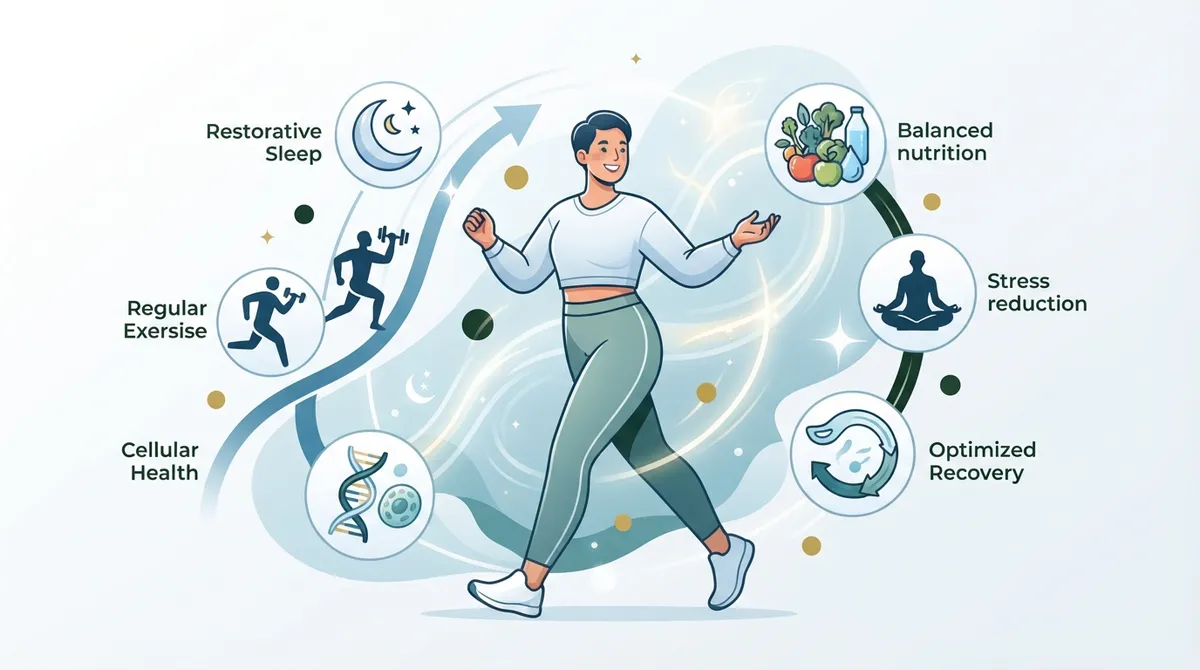
A health optimization program is a personalized plan that combines medical evaluation, lab testing, and targeted treatments to help your body work better. In the peptide therapy world, this usually means pairing evidence-based medications with nutrition, sleep, and exercise guidance. It should never be a one-size-fits-all package sold as a magic anti-aging fix.
Instead, a good program starts with your actual health data. It looks at your blood work, your goals, and your medical history before recommending anything. This is very different from buying peptides online with no oversight, which carries real risks we’ll cover below.
Why This Matters More Than Ever in 2026
Peptide therapy has exploded in popularity, and so has confusion about what’s safe. According to what are peptides, these small protein chains can influence everything from metabolism to tissue repair. But popularity doesn’t equal proof. Many peptides sold as “research chemicals” have only been tested in animals, not people.
- Growing demand has led to more unregulated sellers entering the market
- Compounded products aren’t reviewed by the FDA the same way approved drugs are
- Some clinics oversell benefits without proper testing or monitoring
- Patients often don’t know what questions to ask before starting treatment
- Telehealth has made access easier, but quality still varies a lot
This is exactly why picking the right provider matters so much. Let’s look at the five signs that tell you a program is built on real science, not hype.

Sign 1: It Starts With Real Lab Work, Not Guesswork
The best health optimization programs never guess. They test first. Before any peptide or medication is prescribed, a licensed provider should order comprehensive blood work through a trusted lab like LabCorp.
This testing typically checks things like glucose, A1C, lipids, liver and kidney function, and hormone levels when needed. Without this baseline, nobody can safely tell you what your body actually needs. If a clinic skips this step and just sells you a peptide based on a quiz, that’s a major red flag.
What Good Testing Usually Includes
- A detailed medical history and current medication review
- Comprehensive blood panel through an accredited lab
- Physical evaluation or virtual assessment with a licensed provider
- Discussion of your specific goals, whether that’s energy, weight loss, or recovery
- A follow-up plan to re-test and adjust treatment over time
If you want to learn more about what this looks like in practice, 5 Blood Work Analysis Steps Before Peptides in 2026 walks through the exact process step by step.
Sign 2: It Distinguishes Approved Medicine From Investigational Peptides
This one is huge, and honestly, it’s where a lot of clinics fall short. Some peptides have strong, mature clinical evidence behind them. Others are still considered investigational, meaning research in humans is limited or incomplete.
GLP-1 receptor agonists like semaglutide and tirzepatide are a great example of the well-studied end of the spectrum. These medications have solid evidence for weight loss, blood sugar control, and heart health when used under proper medical supervision. You can read more in How to Understand GLP-1 Peptide Therapy in 2026.
The Evidence Gap You Should Know About
On the other hand, peptides like BPC-157, TB-500, CJC-1295, ipamorelin, MOTS-c, and epitalon are popular in wellness circles but lack the same depth of human research. A striking example: one review found that 35 of 36 published studies on BPC-157 were done in animals, not people, according to research summarized by ECRI and ISMP in 2026. That doesn’t mean these peptides are useless, but it does mean claims about them should come with a big dose of honesty.
| Peptide Type | Evidence Level | Common Use | Regulatory Status |
|---|---|---|---|
| Semaglutide / Tirzepatide | Strong, mature clinical data | Weight loss, diabetes, cardiometabolic risk | FDA-approved for specific indications |
| BPC-157 | Mostly animal studies | Marketed for tissue repair | Not FDA-approved for general use |
| CJC-1295 / Ipamorelin | Early-stage human data | Marketed for growth hormone support | Investigational, compounded only |
| MOTS-c / Epitalon | Preclinical / limited human data | Marketed for longevity | Not FDA-approved |
A trustworthy provider will always tell you where a peptide falls on this spectrum. For a deeper dive, check out FDA-Approved vs. Compounded Peptides: What Wins?
Sign 3: It Takes Pharmacy Quality Seriously
Here’s something a lot of people don’t think about until it’s too late: where your peptides come from matters just as much as what’s in them. Compounded products aren’t reviewed by the FDA for safety and effectiveness the same way approved drugs are.
FDA materials from its Pharmacy Compounding Advisory Committee have flagged concerns about peptide impurities, aggregation, and immunogenicity risks. In plain terms, injectable peptides made poorly can trigger serious immune reactions, including anaphylaxis in rare cases. That’s not meant to scare you, it’s meant to help you ask better questions.
Questions to Ask About Pharmacy Sourcing
- Is the peptide made at a regulated, licensed pharmacy?
- Can the provider confirm the exact active ingredient and dose?
- Is the product labeled for human use, not “research use only”?
- Does the pharmacy test for purity and contamination?
- Is there a clear chain of custody from pharmacy to your door?
A 2026 pharmacovigilance analysis found higher reporting odds for hospitalization, preparation errors, and contamination with compounded GLP-1 products compared to FDA-approved versions. These are associations from voluntary reporting systems, not definitive proof, but they’re worth taking seriously. This is exactly why sourcing quality is non-negotiable in any responsible program.
Sign 4: It Includes Ongoing Monitoring, Not a One-Time Sale
A real health optimization program doesn’t end after your first shipment arrives. It should include regular check-ins, updated labs, and adjustments based on how your body responds. Six months of unmonitored peptide use is a recipe for missed side effects and wasted money.
At Allura Longevity, clients start with a simple $50 virtual consultation, complete blood work through LabCorp, and then receive a customized six-month treatment plan. Licensed providers, led by board-certified Family Nurse Practitioner Ashley, continue to monitor progress and adjust dosing as needed. This kind of ongoing care is what separates real medicine from a one-time transaction.
What Ongoing Monitoring Should Look Like
- Scheduled follow-up labs to track biomarkers over time
- Regular check-ins about side effects or symptom changes
- Dose adjustments based on your actual results, not a fixed script
- Clear communication channels with your provider between visits
- Honest conversations about when to continue, pause, or stop treatment
If you’re wondering how quickly you might notice changes, 4 Timelines That Show When Peptide Therapy Works (2026) offers a realistic look at what to expect.
Sign 5: It Sets Honest, Realistic Expectations
This last sign might be the most important one. A good program never promises to reverse aging or add years to your life. Biomarker changes, like improved cholesterol or better body composition, don’t automatically mean you’ll live longer or feel younger forever.
A 2026 review of healthy-aging peptides concluded that FDA-approved agents have comparatively strong safety and clinical data, while many non-approved peptides still lack long-term safety data. This doesn’t mean you should avoid optimization altogether. It means you deserve a provider who’s honest about what science can and can’t promise yet.
Red Flags to Watch For
- Clinics that promise dramatic results with zero mention of risk
- No discussion of your individual labs before prescribing
- Pressure to buy multiple peptides in a bundle right away
- Vague answers about where products are sourced or compounded
- No licensed medical provider actually reviewing your case
Learning to spot these patterns can save you money and protect your health. For more guidance, see 9 Peptide Therapy Specialist Mistakes That Cost You Results.
Comparing Program Features Side by Side
Sometimes it helps to see things laid out clearly. Here’s a quick comparison of what a strong health optimization program typically includes versus what a weaker one might offer.
| Feature | Strong Program | Weak Program |
|---|---|---|
| Initial Evaluation | Full labs and medical history review | Short quiz, no bloodwork |
| Provider Oversight | Licensed clinician reviews every case | Automated approvals, minimal review |
| Medication Sourcing | Regulated, licensed pharmacy | Unclear or international sources |
| Monitoring | Ongoing labs and check-ins | One-time purchase, no follow-up |
| Transparency | Clear about evidence levels | Overstated or vague claims |
Choosing wisely here isn’t just about results. It’s about your safety and long-term wellbeing too. According to research published in the National Library of Medicine, careful clinical oversight remains essential when using peptide-based therapies, especially given the variability in evidence across different compounds.
How to Get Started the Right Way
If you’re ready to explore a personalized approach, start by gathering your health history and thinking through your top goals. Are you chasing better sleep? More energy for your workday? Faster recovery after workouts? Knowing this helps your provider build a plan that actually fits you.
From there, look for a telehealth option that combines convenience with real medical oversight. Nationwide access matters if you’re busy or live somewhere without local specialty clinics. Just make sure the provider is licensed in your state and follows the steps we outlined above.
A Simple Path Forward
- Schedule a virtual consultation with a licensed provider
- Complete comprehensive blood work through an accredited lab
- Review your personalized six-month treatment plan
- Start treatment with peptides shipped directly to your home
- Stay in touch for ongoing monitoring and dose adjustments
Curious how this looks in real life? How to Start Peptide Therapy Safely and See Real Results is a great next read.
Why Allura Longevity Stands Out
Allura Longevity was built around this exact philosophy: real testing, honest guidance, and ongoing support. Clients begin with an affordable $50 virtual consultation and complete blood work through LabCorp before anything is prescribed. From there, a customized six-month plan is created and shipped straight to your door, with continued monitoring from licensed providers led by Ashley, a board-certified Family Nurse Practitioner.
Whether you’re interested in peptides for women or exploring peptides for men, the process stays personalized and grounded in your actual lab results. Programs are currently available in Florida, Georgia, Texas, Connecticut, Indiana, Maryland, New York, and California, with limited spots opening each month for new clients.
Final Thoughts on Building a Program That Works for You
A great health optimization program isn’t about chasing trends or trying every peptide you’ve read about online. It’s about working with a licensed provider who tests first, explains the evidence honestly, and stays with you for the long haul. That’s the difference between wasting money on hype and actually feeling better in your daily life.
If you’re ready to build a plan around your real health data instead of guesswork, our team is here to help. You can request a consultation today and take the first step toward a program designed just for you. Spots are limited each month, so don’t wait too long to reach out. You can also call us directly at (813) 510-6277 to ask any questions before getting started.
FAQs
Q: What is a health optimization program that includes peptide therapy?
A: It’s a personalized plan that combines medical evaluation, lab testing, and evidence-based peptide medications with lifestyle support like nutrition and sleep. Think of it as a roadmap built just for your body, not a generic package sold to everyone the same way. The best programs always start with real blood work before recommending any treatment.
Q: Which peptide therapies are FDA-approved and supported by human clinical evidence?
A: GLP-1 receptor agonists like semaglutide and tirzepatide have the strongest human clinical evidence among commonly discussed peptide therapies. They’re approved for specific conditions like obesity and type 2 diabetes when prescribed and monitored by a licensed provider. Many other popular peptides simply haven’t reached that same level of proven research yet.
Q: Are peptides such as BPC-157, CJC-1295, ipamorelin, or MOTS-c safe for humans?
A: These peptides are still considered investigational, meaning long-term human safety data is limited. In fact, one review found that 35 of 36 published BPC-157 studies were done in animals, not people. That doesn’t mean they’re automatically unsafe, but it does mean you deserve honest information before trying them.
Q: What tests and health assessments are needed before starting peptide therapy?
A: A responsible program typically includes a full medical history review, comprehensive blood work through an accredited lab, and a physical or virtual assessment with a licensed provider. Depending on your goals, this may include glucose, A1C, lipids, liver and kidney function, and hormone testing. This groundwork helps your provider build a plan that’s actually right for you.
Q: Are compounded peptides legal, safe, and as effective as FDA-approved medications?
A: Compounded peptides can be legal when prescribed by a licensed provider and sourced from a regulated pharmacy, but they aren’t reviewed by the FDA the same way approved drugs are. Some pharmacovigilance data has shown higher reporting rates of hospitalization and contamination with compounded GLP-1 products compared to FDA-approved versions. That’s why sourcing quality and provider oversight matter so much.





