

Key Takeaways
-
TRT requires two separate blood tests showing low serum testosterone plus symptoms like fatigue or low libido to qualify; it's FDA-approved for diagnosed hypogonadism, not casual enhancement.
-
Peptide therapy signals your body to produce its own hormones naturally rather than supplying testosterone directly, making it potentially better for fertility preservation and men seeking gentler optimization.
-
TRT can suppress natural sperm production over time, while peptide therapy may help preserve fertility—a critical consideration for men planning to have children.
-
Common low testosterone symptoms include persistent fatigue, reduced muscle mass, low libido, mood changes, increased body fat, and brain fog; normal testosterone ranges between 300-1000 ng/dL.
-
Telehealth providers using personalized bloodwork data and regular monitoring produce safer, more effective outcomes than cookie-cutter protocols, with treatment delivered conveniently at home.
-
TRT works through injections, topical gels, patches, or pellets with varying frequencies, while peptides like CJC-1295 and gonadorelin may show noticeable benefits within 4-12 weeks with proper medical supervision.
If you’ve been feeling tired, foggy, or just not like yourself lately, you’re not alone. Millions of men hit a point where energy dips, motivation fades, and the mirror seems to show someone a little older than expected. This is often when hormone replacement therapy men basics start popping up in Google searches at 2 a.m. The good news? You have more options today than ever before, and understanding them doesn’t require a medical degree.
In this guide, we’ll break down the two main paths men take to feel like themselves again: traditional testosterone replacement therapy (TRT) and hormone-supportive peptide therapy. We’ll compare how they work, who they’re for, and what real results look like. Whether you’re a busy executive, a weekend warrior, or someone simply trying to age well, this article will help you make sense of your options.

What Is Hormone Replacement Therapy for Men, Really?
Hormone replacement therapy for men usually means testosterone replacement therapy, or TRT. This treatment gives your body manufactured testosterone when your own levels drop too low. According to the Cleveland Clinic, TRT is FDA-approved for men diagnosed with male hypogonadism, a condition where the testes don’t produce enough testosterone naturally.
To qualify for TRT, most doctors want to see two things. First, you need symptoms like fatigue, low libido, or muscle loss. Second, you need at least two separate blood tests showing low serum testosterone. This isn’t a treatment doctors hand out casually, it’s based on real data from your bloodwork.
Common Signs of Low Testosterone
Before diving into treatment options, it helps to know what low testosterone actually feels like. Many men brush off these symptoms as “just getting older,” but they deserve real attention.
- Persistent fatigue, even after a full night’s sleep
- Reduced muscle mass or strength despite regular workouts
- Low sex drive or difficulty maintaining erections
- Mood changes, including irritability or mild depression
- Increased body fat, especially around the midsection
- Brain fog or trouble concentrating at work
If several of these sound familiar, it might be time to check your levels. A normal total testosterone range typically falls between 300 and 1000 ng/dL, though your provider will look at your specific numbers alongside your symptoms.
How Traditional TRT Works
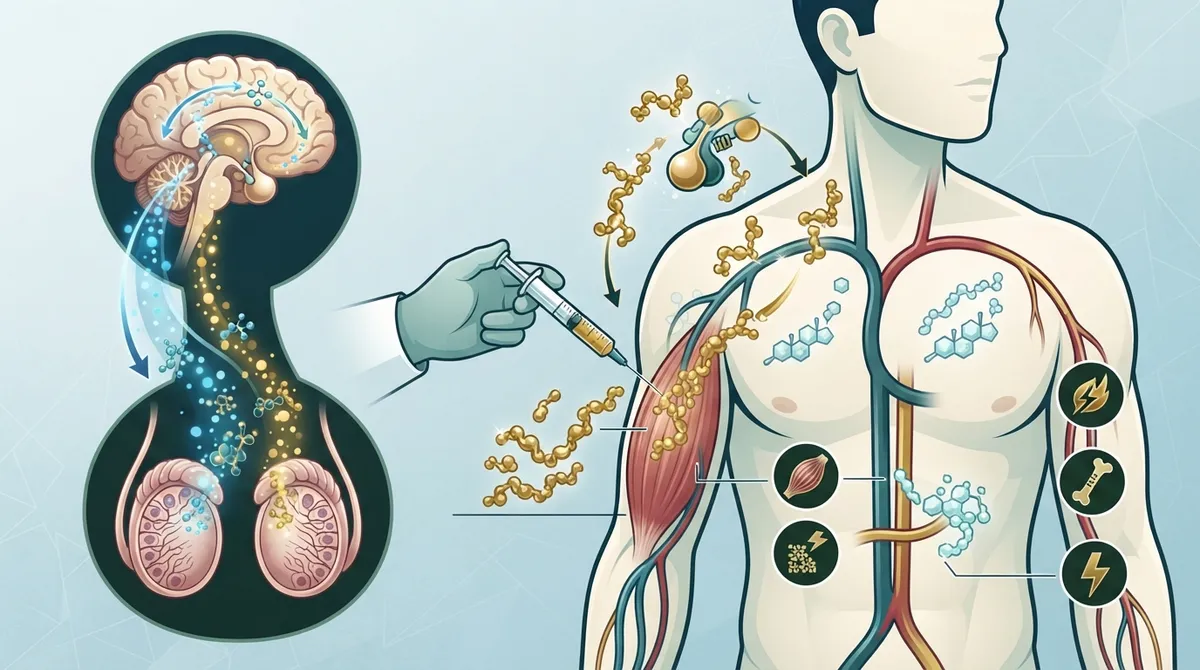
TRT directly supplies your body with testosterone through several delivery methods. Your provider will help pick the option that fits your lifestyle and goals.
| TRT Method | How It’s Used | Frequency |
|---|---|---|
| Injections | Testosterone injected into muscle | Weekly or biweekly |
| Topical Gels | Applied daily to skin | Daily |
| Patches | Worn on skin, absorbed over time | Daily |
| Pellets | Implanted under the skin | Every 3-6 months |
The goal of TRT is to restore testosterone to a normal, healthy range, not push it above normal. Think of it like refilling a gas tank to full, not overflowing it. A peer-reviewed review published by the National Institutes of Health confirms that TRT benefits are strongest when used to correct a true deficiency rather than for general enhancement.
Enter Peptide Therapy: A Different Approach
Here’s where things get interesting for men who want a gentler, more natural-feeling path. Peptide therapy takes a completely different approach than TRT. Instead of adding testosterone directly, certain peptides signal your body to produce more of its own hormones.
Think of TRT as handing your body the finished product. Peptide therapy, on the other hand, is more like sending your body a memo asking it to make more on its own. This distinction matters a lot for men who want to support their hormone health without fully replacing their natural production.
Popular Peptides Used for Male Hormone Support
Several peptides have gained attention for their potential to support men’s hormone health, energy, and recovery. It’s worth noting that evidence and regulatory status vary by compound, so working with a licensed provider matters.
- CJC-1295 — supports natural growth hormone release, often linked to better sleep and recovery
- Ipamorelin — works alongside CJC-1295 to support growth hormone pulses without major side effects
- Gonadorelin — may help stimulate the body’s own testosterone production pathway
- Kisspeptin-related compounds — an emerging area of interest for hormone signaling and fertility support
Some marketing materials claim these peptides can raise testosterone by 30% to 60% above baseline in select men. We’d encourage you to treat numbers like these with healthy skepticism since they often come from promotional sources rather than strict clinical guidelines. Still, many men report noticing benefits within 4 to 12 weeks of starting a personalized protocol.
TRT vs. Peptide Therapy: Side-by-Side Comparison
So which one actually wins? It depends on your goals, your bloodwork, and what your body needs right now. Here’s a breakdown to help you compare.
| Factor | TRT | Peptide Therapy |
|---|---|---|
| How It Works | Supplies testosterone directly | Signals body to produce more hormones naturally |
| Best For | Diagnosed hypogonadism with low labs | Men wanting gentle, supportive optimization |
| Effect on Fertility | Can suppress natural sperm production | May help preserve or support fertility |
| Regulatory Status | FDA-approved for diagnosed low testosterone | Varies by compound; some are research-use focused |
| Typical Timeline | Weeks to a few months for symptom relief | 4-12 weeks for noticeable changes |
Notice that fertility line? It’s a big deal for men who want to have children down the road. TRT can shut down natural testosterone production over time, which sometimes reduces sperm count. This is one reason some men explore peptide-based approaches first, especially if fertility preservation is a priority. You can learn more in our article on the real benefits of hormone therapy for men.
Who Should Consider Each Option?
Let’s make this practical. Here’s a simple way to think about which path might fit you best.
TRT Might Be Right If You:
- Have two documented lab tests showing clinically low testosterone
- Experience significant symptoms affecting daily life
- Aren’t focused on preserving fertility right now
- Want a well-established, FDA-approved treatment path
Peptide Therapy Might Be Right If You:
- Want to support your body’s natural hormone production
- Care about preserving fertility while optimizing wellness
- Are looking for support with sleep, recovery, and body composition
- Prefer a more gradual, personalized approach based on your labs
Of course, these aren’t mutually exclusive. Many men benefit from a combination approach, guided by a licensed provider who reviews their bloodwork and adjusts the plan over time.
Diagnosing Low Testosterone: The Process
Getting real answers starts with real data, not guesswork. Here’s how the process typically works.
- Complete a virtual consultation to discuss your symptoms and health history
- Get comprehensive bloodwork done, usually through a trusted lab like LabCorp
- Review your results with a licensed provider who explains what they mean
- Receive a personalized treatment plan based on your specific hormone levels and goals
- Start therapy with ongoing monitoring and adjustments every few months
This is exactly the model Allura Longevity uses. Clients start with an affordable $50 virtual consultation, complete bloodwork through LabCorp, and receive a customized six-month plan designed around their actual results. Everything is delivered right to your door, and care is led by Ashley, a board-certified Family Nurse Practitioner who monitors progress along the way.
What About Safety and Side Effects?
Safety always comes first, no matter which path you choose. TRT is generally considered safe when properly monitored, but it does come with potential side effects like acne, mood changes, and fertility impacts. Peptides, when sourced responsibly and prescribed appropriately, tend to have a milder side effect profile, though research is still evolving for many compounds.
The most important safety step for either option is working with a licensed provider who reviews your labs regularly. Self-treating or buying unregulated products online is where most safety problems happen. If you want to understand more about what peptides actually are and how they interact with your body, it’s worth doing your homework before starting anything.
Questions to Ask Your Provider
- What does my bloodwork actually show, and what’s considered normal for my age?
- What are the realistic timelines for seeing results?
- How will my treatment plan be adjusted over time?
- What side effects should I watch for?
- How does this affect my long-term fertility goals?
These questions help you stay informed and involved in your own care, which leads to better outcomes overall.
Making the Right Choice for Your Body
There’s no one-size-fits-all answer here. Some men do best with traditional TRT because their labs show a clear, significant deficiency. Others prefer starting with peptide therapy to support their body’s natural rhythm before considering anything more intensive. The National Library of Medicine notes that personalized approaches, guided by actual lab data, tend to produce the safest and most effective outcomes.
This is why working with a telehealth provider who takes the time to review your bloodwork matters so much. Cookie-cutter protocols rarely work because every man’s hormone profile is different. If you’re curious about starting the process the right way, check out our guide on how to start testosterone cypionate therapy safely.
Why Telehealth Makes This Easier Than Ever
Gone are the days of sitting in waiting rooms just to talk about your energy levels. Telehealth has made hormone health more accessible, private, and convenient than ever. You can complete labs locally, talk to a provider from your couch, and have your treatment delivered straight to your home.
This matters most for busy professionals who don’t have time for multiple in-person visits. It also helps men in areas without specialized hormone clinics nearby get access to the same quality of care. Allura Longevity offers this exact model, with licensed providers available across Florida, Georgia, Texas, Connecticut, Indiana, Maryland, New York, and California.
Spots for new clients are limited each month, so if you’ve been putting off addressing your energy, sleep, or hormone concerns, now is a good time to take the first step. You can explore personalized options built specifically for peptides for men and see how a customized plan could fit your goals.
Final Thoughts: Your Next Step Toward Feeling Like Yourself Again
Understanding hormone replacement therapy men basics doesn’t have to feel overwhelming. Whether TRT, peptide therapy, or a combination of both ends up being right for you, the most important step is getting real answers from real bloodwork, not guesswork or internet rumors. Your body deserves a plan built specifically for you.
If you’re ready to stop guessing and start feeling more like yourself, our team at Allura Longevity is here to help. Request a consultation today and take the first step toward a personalized plan built around your goals, your labs, and your life. You can also call us directly at (813) 510-6277 to learn more about getting started.
FAQs
Q: What is hormone replacement therapy for men?
A: It’s typically testosterone replacement therapy (TRT), a treatment that supplies your body with manufactured testosterone when your natural levels are too low. It’s meant for men with diagnosed hypogonadism, backed by symptoms plus at least two low lab results. Think of it as restoring balance, not boosting beyond normal.
Q: What is the difference between TRT and peptide therapy?
A: TRT gives your body testosterone directly, while peptide therapy encourages your body to produce more of its own hormones naturally. It’s kind of like the difference between getting handed dinner versus being given the ingredients to cook it yourself. Both can be helpful, just in different ways depending on your goals.
Q: Can peptides help increase testosterone naturally?
A: Some peptides, like gonadorelin and kisspeptin-related compounds, are being explored for their potential to support natural testosterone production. Results vary from person to person, and it’s not guaranteed to work the same for everyone. Working with a licensed provider who reviews your labs is the best way to know if this approach fits you.
Q: Does hormone replacement therapy affect fertility?
A: Yes, TRT can sometimes reduce natural sperm production over time because it signals your body to slow down its own hormone-making process. This is a big reason some men explore peptide-based options first if fertility is a priority. Always chat with your provider about your family planning goals before starting treatment.
Q: How is low testosterone diagnosed in men?
A: Diagnosis usually involves reviewing your symptoms alongside at least two separate blood tests showing low serum testosterone. A normal range is often cited as roughly 300 to 1000 ng/dL, though your provider will look at your full picture. This is why comprehensive bloodwork, like what’s done through LabCorp, is such an important first step.





