

Key Takeaways
-
Blood work is essential before starting peptide therapy to reveal hormone levels and metabolic markers that determine which peptides you actually need, preventing the common mistake of generic treatment.
-
Results require patience—sleep and energy improvements typically appear within 2-4 weeks, while body composition and skin changes take 6-12 weeks, so realistic timelines prevent disappointment.
-
Peptide therapy requires ongoing monitoring and regular check-ins with your provider to adjust dosing based on your body’s response, making personalized medical supervision more effective than self-sourcing peptides.
-
Injections are manageable subcutaneous shots with thin needles similar to insulin injections, and mild side effects like injection-site redness or nausea typically fade within the first few weeks.
Thinking about starting peptide therapy but not sure what actually happens once you say yes? You are not alone. Most people picture a vague idea of “getting a shot” and hoping for the best. The truth is much more organized, and honestly, a lot more comforting once you know the steps.
Peptide therapy uses small chains of amino acids that act like tiny messengers in your body. They can support recovery, sleep, energy, skin health, and more, depending on which ones your provider chooses for you. If you want a deeper breakdown of what these molecules actually are, check out this guide on what peptides really are and how they work. For now, let’s walk through exactly what to expect from peptide therapy, from your first appointment to the results you might notice months down the road.

1. A Real Conversation Comes First, Not a Sales Pitch
Before any peptide touches your skin, you will sit down (virtually, in most cases) with a licensed provider. This is not a rushed five-minute chat. Your provider wants to understand your goals, your daily habits, and your health history.
Expect questions about sleep, stress, energy, digestion, and any current medications. This is also your chance to ask questions. No question is too small here, whether it is about needles, timelines, or side effects.
2. Blood Work Sets the Foundation
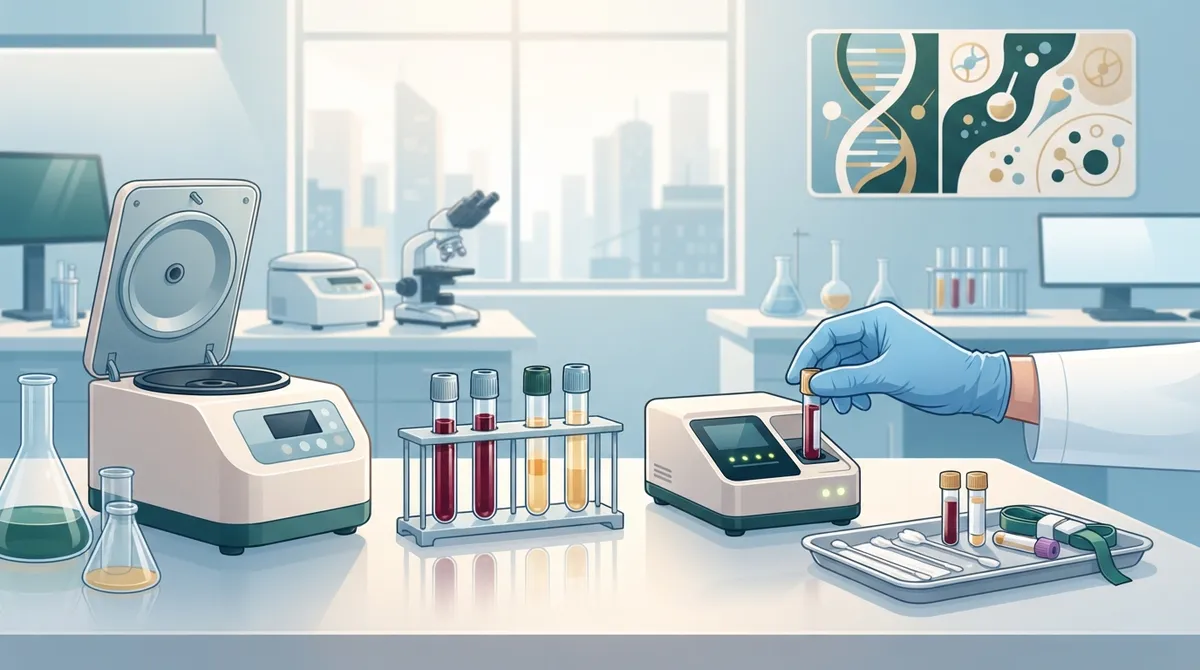
You cannot guess your way through peptide therapy responsibly. Most reputable clinics, including Allura Longevity, require lab work before building your plan. Blood tests reveal hormone levels, metabolic markers, and other clues that shape which peptides make sense for you.
This step matters because two people with the same goal, like better sleep or fat loss, might need completely different peptides based on their biology. Skipping labs is one of the most common mistakes that ruin how peptide therapy works.
What Your Labs Might Include
- Hormone panels (testosterone, thyroid, and related markers)
- Metabolic and blood sugar markers
- Inflammation indicators
- Basic organ function tests (liver and kidney)
- Vitamin and nutrient levels when relevant
3. A Custom Plan, Not a One-Size-Fits-All Kit
Once your labs come back, your provider builds a plan around your specific goals and numbers. This is very different from ordering random peptides online and hoping for the best. A personalized approach reduces guesswork and improves your odds of real results.
Plans typically run in six-month cycles, allowing enough time to track progress and make adjustments. If you are curious how personalized plans differ from generic ones, this piece on choosing the right type of peptide therapy breaks it down further.
4. Your Peptides Arrive at Your Door
One of the more pleasant surprises for new clients is convenience. Once your plan is approved, your peptides are shipped directly to your home. No clinic visits, no waiting rooms, no rearranging your entire week.
This setup works especially well for busy professionals who want quality care without sacrificing time. Everything comes with instructions, and your provider walks you through proper storage and handling.
5. Injections Are Usually Small and Manageable
Most peptides are administered through small subcutaneous injections, similar to what many people already do with insulin or certain vitamins. The needles are thin, and the process becomes routine after a few tries.
Here is a simple breakdown of what a typical injection session looks like:
- Wash your hands and prepare your peptide vial
- Draw up the correct dose using a small syringe
- Clean the injection site with an alcohol swab
- Pinch the skin and inject at the recommended angle
- Dispose of the needle safely in a sharps container
For a full walkthrough, this guide on preparing for safe, effective peptide injections covers everything step by step.
6. Mild Side Effects Are Common, Severe Ones Are Rare
Let’s be honest about this part. Peptide therapy is generally well tolerated, but side effects can happen. According to the American Medical Association, commonly reported issues include nausea, upset stomach, diarrhea, constipation, fatigue, headaches, and irritation at the injection site.
Most of these fade within the first few weeks as your body adjusts. If anything feels severe or unusual, your provider should be your first call.
Common Short-Term Side Effects
| Side Effect | How Common | Typical Duration |
|---|---|---|
| Injection-site redness or soreness | Common | A few days |
| Mild nausea | Occasional | 1-2 weeks |
| Headache | Occasional | Few days |
| Water retention | Less common | Varies |
| Fatigue | Occasional | First 1-2 weeks |
7. Results Take Time, and That’s Normal
This is probably the most important thing to expect from peptide therapy: patience matters. Peptides work by signaling your body to make gradual changes. They are not a magic switch.
Different goals follow different timelines. Here is a general idea based on clinic data and patient reports:
- Sleep and energy improvements: often noticed within 2 to 4 weeks
- Healing-related peptides (like recovery support): visible changes in 2 to 4 weeks
- Weight management peptides: measurable results in 4 to 8 weeks
- Growth hormone-related peptides: often 2 to 3 months for noticeable change
- Body composition or skin changes: typically 6 to 12 weeks
For a deeper look at these timeframes, check out this detailed breakdown of timelines that show when peptide therapy works.
8. Ongoing Monitoring Keeps Your Plan on Track
Peptide therapy is not a “set it and forget it” treatment. Expect regular check-ins with your provider to review how you feel and whether your dosing needs adjusting. This is especially true during the first few months.
At Allura Longevity, care is led by Ashley, a board-certified Family Nurse Practitioner, who monitors progress and fine-tunes your plan as your body responds. This kind of ongoing support is one of the biggest reasons personalized programs outperform generic ones.
9. Certain Peptides Target Specific Goals
Not all peptides do the same job. Understanding this helps set realistic expectations. Here is a simple comparison of popular categories:
| Goal | Common Peptide Category | What to Expect |
|---|---|---|
| Weight loss | GLP-1 based peptides | Reduced appetite, gradual fat loss over weeks |
| Muscle recovery | Growth hormone secretagogues | Improved recovery and sleep quality |
| Injury healing | BPC-157 | Support for tissue repair over several weeks |
| Skin and anti-aging | Collagen-stimulating peptides | Gradual improvement in skin texture |
| Energy and focus | Metabolic support peptides | Steadier energy within a few weeks |
If weight loss is your main focus, this article on which weight loss peptides actually work is worth a read. Those interested in recovery may also want to explore key facts about TB-500 peptide.
10. Evidence Varies, So Medical Guidance Matters
It is worth being honest here. Research on peptides is still growing. A review published through the National Library of Medicine notes that therapeutic peptides are an active and expanding area of research, but clinical adoption is not uniform across every peptide or condition.
This is exactly why working with a licensed provider matters so much. Self-sourced peptides from unregulated sellers carry real risks, including inconsistent dosing and contamination. For more on what peptides actually are from a medical standpoint, WebMD offers a helpful overview of what are peptides and how they function in the body.
11. Costs Are Usually Structured, Not Random
Peptide therapy pricing typically includes your consultation, lab work, and a multi-month supply of your prescribed peptides. Many clinics use a simple starting structure to make the process approachable.
For example, some programs begin with a low-cost consultation before moving into a full six-month plan. This structure helps you understand costs upfront rather than guessing. If you want to avoid financial surprises, this guide on hormone therapy cost mistakes that drain your wallet applies to peptide programs too.
12. A Supportive Relationship With Your Provider
Perhaps the most underrated part of peptide therapy is the relationship you build with your care team. Good providers do not disappear after your first shipment arrives. They check in, answer questions, and adjust your plan as your body changes.
This ongoing partnership is part of what makes telehealth peptide therapy feel less clinical and more like having a knowledgeable friend in your corner. If you are weighing your options, this comparison of local clinic versus telehealth peptide therapy can help you decide what fits your lifestyle best.
Quick Recap: Your Peptide Therapy Journey
- Initial consultation to discuss goals and history
- Blood work through a trusted lab
- Custom six-month treatment plan creation
- Peptides shipped directly to your home
- Simple at-home injection routine
- Regular monitoring and dose adjustments
- Gradual, realistic results over weeks to months
Knowing what to expect from peptide therapy takes the mystery out of the process. It becomes less about hoping for a miracle and more about following a clear, supported plan built around your body.
Ready to See What Personalized Peptide Therapy Can Do for You?
Peptide therapy works best when it is personalized, monitored, and backed by real lab data rather than guesswork. Allura Longevity combines all three, starting with a simple virtual visit and ending with a plan built just for you. If you are ready to take the next step, you can request a consultation today and start your journey with a team that genuinely cares about your results. Spots are limited each month, so now is a great time to explore whether peptide therapy is right for you.
FAQs
Q: What happens during the first peptide therapy appointment?
A: Your first visit is mostly a friendly conversation. Your provider will ask about your goals, health history, and daily habits, then usually order blood work to guide your plan.
Q: How long does peptide therapy take to work?
A: It really depends on the peptide and your goal. Some people notice sleep or energy changes within 2 to 4 weeks, while body composition or skin changes may take 6 to 12 weeks.
Q: What are the most common side effects of peptide therapy?
A: Most people experience mild things like injection-site redness, slight nausea, or a headache in the first couple weeks. These usually fade quickly as your body adjusts.
Q: Do peptide injections hurt?
A: Not really! The needles used are very thin and small, similar to what many people use for vitamin B12 shots. Most clients say it feels like a quick pinch, nothing more.
Q: Is peptide therapy safe?
A: When it is medically supervised with proper labs and a licensed provider guiding your dose, peptide therapy is generally considered safe for most healthy adults. The key is avoiding unregulated sources and always working with a trusted clinic.





