
Key Takeaways
-
A 2026 meta-analysis of 19 trials with 1,341 participants found peptides significantly improve skin hydration and brightness, but offer only modest wrinkle reduction; results vary by treatment type and skin concern.
-
Peptides work by signaling skin cells to increase collagen and elastin production, improve moisture retention, and reduce inflammation—results typically appear within 4-8 weeks for hydration/brightness and 3-6 months for wrinkles.
-
Injectable peptides require medical supervision and many remain off-label or unapproved by the FDA, making it essential to work with a licensed provider rather than purchasing from unregulated online sources.
-
Topical peptides offer low-risk, gradual improvements for surface-level concerns, while injectable peptides provide more targeted systemic support but require proper dosing and medical monitoring for safety.
-
Peptide effectiveness depends on consistency, age, sleep quality, hydration, stress levels, and combining treatment with broader wellness practices—there is no single 'best' peptide as results vary by individual.
-
Working with a telehealth provider who orders baseline blood work and creates personalized 6-month treatment plans delivers better results than generic over-the-counter peptide products.
Let’s be honest. We’ve all stood in front of a mirror and noticed a new fine line or wished our skin felt as bouncy as it did years ago. You’re not alone, and you’re not stuck with just creams and hope. Anti aging peptide treatment has become one of the most talked-about options for people who want real, science-backed support for their skin and their overall vitality. Whether you’re a busy professional squeezing self-care into a packed calendar or a wellness seeker ready to level up your routine, peptides offer a gentle, research-supported way to feel good in your skin again.
In this guide, we’ll break down exactly what anti aging peptide treatment means, how it works, what the newest research says, and how to know if it’s right for you. We’ll keep things simple, friendly, and honest, because you deserve real answers, not empty promises. Let’s dig in together.

What Is Anti Aging Peptide Treatment?
Anti aging peptide treatment uses short chains of amino acids, called peptides, to support your skin and body as you age. Think of peptides as tiny messengers. They tell your cells what to do, like signaling your skin to make more collagen or repair itself faster.
These treatments come in a few different forms. Some are topical, meaning you apply them to your skin. Others are oral, taken as capsules or powders. And some are injectable, delivered under the skin for more targeted support. Each type works a little differently, but the goal is the same: help your body function like it did when it was younger. If you want a deeper dive into the science, this article on what peptides actually are and how they work is a great next read.
Why Peptides Matter for Aging Skin
As we get older, our bodies naturally slow down collagen production. Collagen is the protein that keeps skin firm, smooth, and plump. Less collagen means more wrinkles, sagging, and dryness. Peptides can help nudge your body to make more of it, almost like giving your skin a gentle reminder of its job.
According to what are peptides, these amino acid chains play a role in many bodily functions beyond skin, including tissue repair and inflammation control. That’s part of why anti aging peptide treatment is often paired with other longevity-focused goals, not just cosmetic ones.
How Do Peptides Work for Skin Aging?
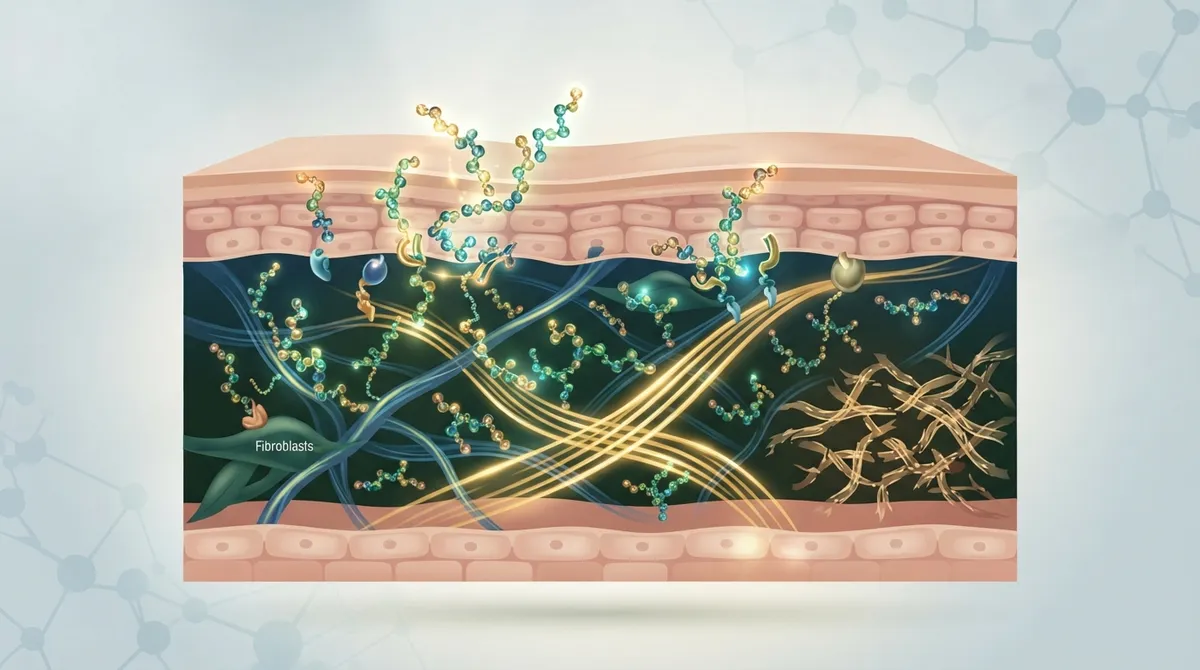
Peptides work by sending signals to your skin cells, telling them to ramp up collagen and elastin production. They can also help your skin hold onto moisture better, which improves hydration and gives your complexion a healthy glow.
Some peptides target inflammation, calming irritated or stressed skin. Others focus on repair, helping skin bounce back from sun damage or everyday wear and tear. The beauty of peptide therapy is that it works with your body’s natural processes instead of forcing a dramatic change overnight.
The Science Behind the Results
A 2026 systematic review and meta-analysis looked at 19 randomized controlled trials involving 1,341 participants who used oral and topical peptides for skin aging. The results were encouraging, though not miraculous. Here’s what researchers found:
- Hydration improved significantly, with oral polypeptides showing strong results (MD 5.80, p less than 0.01)
- Skin brightness improved noticeably (MD 2.40, p less than 0.01)
- Wrinkle reduction was modest but statistically meaningful (MD 0.27, p = 0.04)
- Oral polypeptides specifically showed wrinkle reduction of MD 0.35, p = 0.05
- Peptide treatments were generally well tolerated, with very few side effects reported
Interestingly, results for skin elasticity and density were less consistent. This tells us peptides may help certain aging markers, like hydration and brightness, more reliably than others, such as firmness. It’s a good reminder that anti aging peptide treatment works best as part of a bigger picture, not a single magic fix.
Are Anti-Aging Peptides Effective for Wrinkles?
Yes, but let’s set realistic expectations. The research shows a modest reduction in wrinkles, not a dramatic disappearance overnight. Think of it as a slow, steady improvement rather than an instant transformation.
Some newer research is exploring more exciting possibilities. A 2023 human skin-model study looked at a senotherapeutic peptide called Pep 14. This peptide significantly reduced signs of cellular aging, sometimes called senescence, and even lowered the skin’s biological age in lab models. This is early-stage research, but it hints at where anti aging peptide treatment might be headed in the coming years.
What Aging Markers Do Peptides Help Most?
Based on current evidence, here’s how peptides tend to perform across different skin concerns:
| Skin Concern | Peptide Effectiveness | Evidence Strength |
|---|---|---|
| Hydration | Strong improvement | High confidence |
| Brightness | Noticeable improvement | High confidence |
| Wrinkle reduction | Modest improvement | Moderate confidence |
| Elasticity | Inconsistent results | Low to moderate confidence |
| Skin density | Inconsistent results | Low to moderate confidence |
What Are the Best Peptides for Anti-Aging?
There isn’t one single “best” peptide, since everyone’s skin and goals are different. That said, certain peptides show up often in anti-aging protocols because of their track record. Here’s a quick rundown:
- Copper peptides support collagen production and help with skin repair and firmness
- Palmitoyl tripeptides are commonly used in topical formulas to reduce fine lines
- Growth hormone-releasing peptides may support overall tissue repair and cellular renewal
- Collagen-stimulating peptides encourage your body to naturally produce more of its own collagen
- Senotherapeutic peptides like Pep 14 target cellular aging at a deeper level, though research is still emerging
If you’re curious about how peptides can support collagen specifically, check out this resource on how to trigger collagen stimulation with peptides. It walks through the process in more detail.
Topical vs. Injectable Peptides: What’s the Difference?
This is one of the most common questions people ask, and it’s a good one. Both approaches have their place, but they work differently and suit different goals.
Topical Peptides
- Applied directly to the skin through creams or serums
- Best for surface-level hydration and brightness
- Generally very low risk with minimal side effects
- Results tend to build gradually over weeks of consistent use
Injectable Peptides
- Delivered under the skin for more targeted, systemic support
- Often used alongside broader wellness goals like energy and recovery
- Require medical guidance and monitoring for safety
- May offer more noticeable results for some people, though evidence varies by compound
It’s worth noting that many injectable peptide uses remain off-label or aren’t FDA-approved, depending on the specific compound. That’s exactly why working with a licensed provider matters so much. If you’re weighing your options, this guide on how to start peptide therapy safely and see real results is a helpful place to start.
Are Peptide Injections Safe for Anti-Aging?
Generally speaking, peptide therapy has a strong safety profile when it’s done under proper medical supervision. The 2026 meta-analysis we mentioned earlier found minimal adverse events across the trials studied. That’s reassuring news for anyone nervous about trying something new.
That said, safety always depends on the specific peptide, your health history, and whether you’re working with a qualified provider. This is not the time for guesswork or random online purchases. According to research published through the National Library of Medicine, peptide-based therapies show promise for skin health, but proper dosing and medical oversight remain essential for safety and effectiveness.
Steps to a Safe Anti-Aging Peptide Journey
If you’re ready to explore peptide therapy, here’s a simple roadmap to follow:
- Start with a consultation and blood work to understand your baseline health
- Work with a licensed provider to build a plan tailored to your skin and goals
- Begin your peptide protocol with clear instructions on dosing and timing
- Track your progress with photos or notes over several weeks
- Schedule follow-ups so your provider can adjust your plan as needed
This process ensures you’re not just guessing, but actually getting a plan built around your body’s unique needs. It’s also why so many people are turning to telehealth options that combine convenience with real medical guidance.
How Long Does It Take for Peptide Therapy to Work?
Patience is key here. Most people start noticing hydration and brightness improvements within four to eight weeks. Wrinkle reduction tends to take a bit longer, often three to six months of consistent use.
Everyone’s timeline looks a little different depending on age, skin type, lifestyle, and which peptides you’re using. Think of it like planting a garden. You won’t see blooms overnight, but with steady care, the results start showing up week after week.
Factors That Influence Your Results
- Your age and current skin health
- Consistency with your treatment plan
- Whether you’re combining topical and other supportive therapies
- Your sleep, hydration, and stress levels outside of treatment
- The specific peptides and dosages your provider recommends
Anti Aging Peptides and Your Bigger Wellness Picture
Here’s something worth remembering: skin aging doesn’t happen in a vacuum. Your hormones, sleep quality, metabolism, and stress levels all play a role in how your skin looks and feels. That’s why many people pair anti aging peptide treatment with broader wellness support.
For example, some clients combine skin-focused peptides with options that support energy and recovery, like those discussed in this piece on how to pick peptides for energy that actually work. Others look into hormone balance alongside their skincare goals, since hormonal shifts can accelerate visible aging. This is where personalized, medically guided care really shines compared to grabbing a random serum off a shelf.
Are Anti-Aging Peptides FDA-Approved?
This is an important question, and the honest answer is: it depends. Some topical peptide ingredients are widely used in cosmetic products without needing individual FDA approval, since they’re considered cosmetic rather than drug ingredients. Injectable peptides are a different story, and many remain off-label or fall into a gray area depending on the specific compound and its intended use.
This is exactly why choosing a licensed, medically supervised provider matters so much. You want someone who understands the current regulatory landscape and can guide you honestly, rather than someone selling you products with vague promises.
Why Telehealth Makes Anti Aging Peptide Treatment More Accessible
Not everyone has time to drive across town for appointments, especially busy professionals juggling work and family. Telehealth has changed the game by bringing personalized peptide therapy straight to your home.
At Allura Longevity, the process starts with a simple $50 virtual consultation. From there, clients complete blood work through LabCorp, so treatment plans are based on real data, not guesswork. A board-certified Family Nurse Practitioner, Ashley, leads the care team, building six-month treatment plans that get shipped directly to your door. This means you get expert-level, personalized peptide therapy without disrupting your busy schedule.
Allura Longevity currently serves clients in Florida, Georgia, Texas, Connecticut, Indiana, Maryland, New York, and California, with ongoing monitoring and plan adjustments along the way. If you’re curious how this compares to visiting a local clinic, this comparison on local clinic vs. telehealth options for peptide therapy breaks down the pros and cons clearly.
What to Expect When You Start
Here’s a simple breakdown of the typical process:
- Book your virtual consultation to discuss your goals and health history
- Complete blood work locally through LabCorp for accurate baseline data
- Receive your personalized six-month treatment plan
- Get your peptides shipped directly to your home
- Stay connected with your provider for ongoing monitoring and adjustments
This approach removes a lot of the friction that keeps people from starting. No waiting rooms, no long commutes, just straightforward, expert-guided care.
Common Mistakes to Avoid
Even good intentions can go sideways if you’re not careful. Here are a few pitfalls to watch for on your anti aging peptide journey:
- Buying peptides from unregulated online sources without medical guidance
- Expecting instant results instead of giving treatment several weeks to work
- Skipping blood work and starting a protocol blind
- Ignoring lifestyle factors like sleep and hydration that affect skin health
- Ending treatment too early before seeing meaningful results
Avoiding these mistakes can make a real difference in how satisfied you are with your results. This resource on peptide protocol mistakes that waste your money covers even more details worth knowing before you begin.
Bringing It All Together
Anti aging peptide treatment isn’t about chasing perfection. It’s about supporting your skin and body with tools backed by real science, so you can feel confident and comfortable as you age. The research shows genuine, measurable benefits for hydration and brightness, with modest but meaningful improvements in wrinkles too.
The key is working with someone who understands your unique health picture, not a one-size-fits-all approach pulled from the internet. Personalized care, built on real blood work and ongoing support, tends to deliver the best long-term results.
If you’re ready to explore what anti aging peptide treatment could look like for you, Allura Longevity makes it easy to get started from home. With licensed providers, personalized six-month plans, and convenient telehealth access, you don’t have to navigate this journey alone. Spots are limited each month, so if you’re curious, now’s a great time to request a consultation and take the first step toward feeling like yourself again. You can also reach the team directly at (813) 510-6277 to ask questions before you commit to anything.
FAQs
Q: What is anti aging peptide treatment?
A: It’s the use of specific peptides, whether topical, oral, or injectable, to support your skin’s hydration, brightness, and overall youthful appearance. These peptides act like little signals that encourage your body to produce more collagen and repair itself more efficiently.
Q: How do peptides work for skin aging?
A: Peptides send signals to your skin cells, telling them to boost collagen production, improve hydration, and calm inflammation. It’s a gentle, natural approach that works with your body instead of against it.
Q: Are anti-aging peptides effective for wrinkles?
A: Yes, though the results tend to be modest rather than dramatic. Research from 2026 shows a statistically meaningful reduction in wrinkles, alongside stronger improvements in hydration and brightness.
Q: Are peptide injections safe for anti-aging?
A: Generally, yes, especially when guided by a licensed medical provider. Studies show peptide treatments are well tolerated with minimal side effects, but proper medical supervision is key to staying safe.
Q: How long does it take for peptide therapy to work?
A: Most people notice hydration and brightness improvements within four to eight weeks. Wrinkle reduction usually takes longer, often three to six months of consistent use, so a little patience goes a long way.





